
Sauces & Condiments
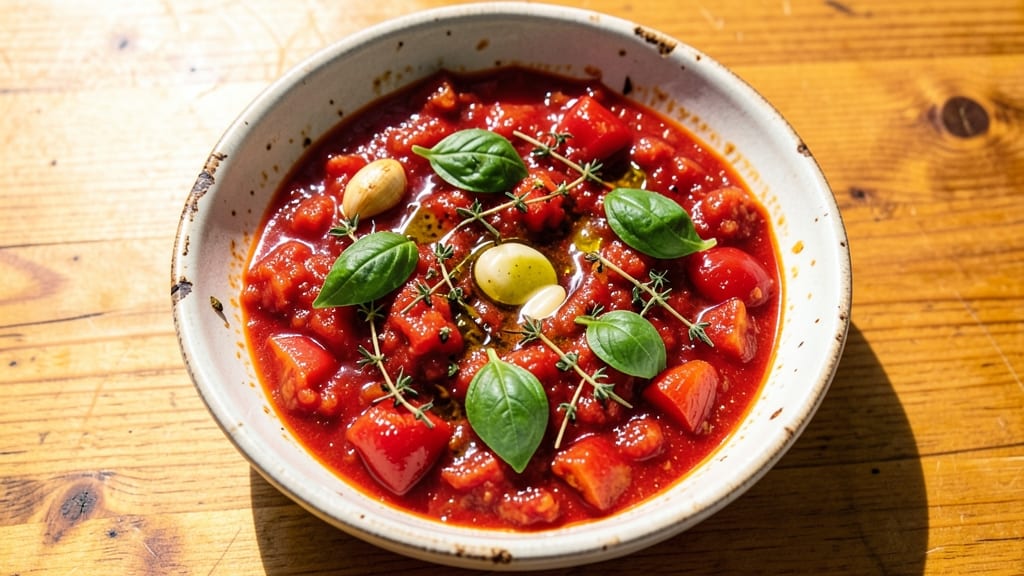
Jamie Oliver's pizza sauce recipe transforms your homemade pizza into something restaurant-worthy with just a few simple ingredients and a little patience. The secret lies in balancing sweet, tangy, and herby flavors through slow simmering—no blender required.
I remember the first time I tasted this sauce on a homemade pizza, and it completely changed how I approached weeknight dinners.
This authentic sauce starts with canned tomatoes, garlic, and fresh herbs—no fancy ingredients, just good-quality staples you likely already have. The key technique is simmering the sauce until it thickens naturally, which develops deep, complex flavors that bottled sauces can't match.
Oliver's method emphasizes simplicity while delivering professional results, making it perfect for both beginners and experienced cooks.
What you'll end up with is a vibrant, chunky sauce that's rich in tomato flavor with just the right balance of garlic and herbs. The texture is perfect for pizza—thick enough to cling to the crust but still spreadable.
This sauce also freezes beautifully, so you can make a big batch and have it ready whenever pizza night calls.
Whether you're making classic Margherita or a loaded meat feast, this sauce elevates every bite. The recipe scales easily, so you can adjust the quantities based on how much pizza you're planning to make. Let's get started on creating your own authentic pizza sauce!
Ingredients for pizza sauce recipe jamie oliver
Nine simple ingredients transform into Jamie Oliver's signature chunky pizza sauce.
| Ingredient | Amount | Notes |
|---|---|---|
| Canned San Marzano Tomatoes 🍅 | 28 oz | Crushed by hand for texture |
| Extra-Virgin Olive Oil 🫒 | ½ cup | High-quality, fruity variety |
| Garlic Cloves 🧄 | 4 cloves | Freshly minced, not pre-minced |
| Fresh Basil Leaves 🌿 | ½ cup | Packed, stems removed |
| Fresh Oregano Leaves 🍃 | ¼ cup | Or 1 tsp dried oregano |
| Red Wine Vinegar 🍷 | 1 tbsp | For tangy brightness |
| Granulated Sugar 🍚 | 1 tbsp | Balances acidity naturally |
| Diamond Crystal Kosher Salt 🧂 | 1 tsp | Adjust to taste |
| Black Peppercorns 🌶️ | ½ tsp | Freshly cracked |
The tomatoes make all the difference here. San Marzano is ideal—sweeter and less acidic than regular canned tomatoes, but any good-quality crushed tomatoes work in a pinch. I always grab the 28-ounce cans from the Italian section at Whole Foods or Trader Joe's because they're less watery. Fresh basil and oregano are non-negotiable for that authentic Italian flavor, but dried herbs will work if you're in a bind. The garlic? Freshly minced is best—pre-minced garlic has a weird aftertaste.
No red wine vinegar? Balsamic vinegar at half the amount works, but it'll be slightly sweeter. Short on sugar? Honey or maple syrup at the same quantity balances the acidity just as well. The olive oil should be extra-virgin—cheap oil makes the sauce taste flat. For a smoother texture, pulse the tomatoes in a food processor, but Oliver's method keeps it chunky for that restaurant-quality bite. If you're making a big batch, double the herbs—they mellow out as the sauce simmers.
This sauce peaks after 1-2 days in the fridge when flavors meld. For long-term storage, freeze in ice cube trays—thaw and use as needed. The sauce thickens as it cools, so don't worry if it looks too thin right after simmering. I always make a double batch—one for pizza night, one to freeze for lazy days. If it separates, just stir vigorously before using. The texture will smooth out as it warms up.
Why You'll Love This Recipe
- No Chopping Needed: I swear by this sauce because it’s one of those rare recipes where you don’t even need to mince garlic—just smash those cloves with the flat side of your knife. The San Marzano tomatoes do all the heavy lifting, and honestly? That’s my kind of cooking when I’m exhausted after work.
- Herb-Packed Punch: That fresh basil and oregano combo? It’s what turns this from good sauce to ridiculously good sauce. The basil brightens everything up, while the oregano gives it that cozy, rustic edge—like a hug in a jar. (Yes, even on a Tuesday night.)
- Double-Duty Magic: Make a big batch, and you’ve got sauce for pizza and pasta in one go. I’ve used it on garlic bread, stuffed into chicken thighs, and even slathered on grilled chicken—it’s my secret weapon for lazy nights when I don’t want to cook three separate things.
- Fridge-Friendly Treasure: Between us, this sauce keeps for weeks in the fridge, and the flavor only gets better as it sits. I make a double batch every Sunday so I’m never scrambling for takeout when the kids are hungry. Plus, San Marzano tomatoes are cheap—so you’re basically getting gourmet sauce for pennies.
Step-by-step instructions for Jamie Oliver's pizza sauce
Here's how to craft the perfect pizza sauce that rivals Jamie's—simple, flavorful, and packed with authentic Italian charm.
Crush the San Marzano Tomatoes by Hand
Empty the 28 oz canned San Marzano tomatoes into a large mixing bowl. Using your clean hands, gently crush the tomatoes against the side of the bowl, breaking them down into rough chunks while leaving some texture intact. This preserves the natural sweetness and prevents a watery sauce. I like to work in batches if the tomatoes are particularly large, ensuring even crushing without pulverizing them completely.
If you prefer a smoother texture, you can transfer the crushed tomatoes to a food processor and pulse briefly—just enough to break them down further while keeping some chunkiness. The key here is balance: too smooth, and you lose the rustic quality; too chunky, and the sauce may not coat evenly. Aim for a mix of medium-sized pieces and a few whole tomatoes for depth.
Sauté the Garlic in Olive Oil
Heat the 0.5 cup extra-virgin olive oil in a medium saucepan over medium-low heat. Add the 4 cloves freshly minced garlic and cook for 2-3 minutes, stirring frequently, until the garlic is fragrant but not browned. Watch it closely—garlic burns quickly, and that bitter taste will ruin the sauce. The oil should shimmer gently, and the garlic should smell sweet and aromatic, not sharp or acrid.
Once the garlic is ready, immediately remove the pan from the heat. This step is critical—cooked garlic releases its oils and flavors, but it mustn’t darken. Transfer the garlic-infused oil to the bowl with the crushed tomatoes. The residual heat will gently warm the tomatoes, but not cook them yet. This infusion is the foundation of the sauce's depth.
Simmer the Tomato Base
Return the bowl to the stove and place it over medium heat. Add the 1 tbsp red wine vinegar and 1 tbsp granulated sugar to the tomatoes. Stir well to combine, then bring the mixture to a gentle simmer. Let it cook uncovered for 10-12 minutes, stirring occasionally, until the tomatoes have broken down slightly and the sauce begins to thicken. You’re looking for a consistency that’s still loose but starting to coat the back of a spoon.
This simmering step is where the magic happens. The vinegar brightens the tomatoes, while the sugar balances their natural acidity. The sauce should smell rich and tangy, with the garlic and olive oil aromas woven throughout. If the sauce reduces too quickly, add a splash of water—just enough to keep it workable. The goal is a smooth, velvety base that’s ready for the herbs.
Add Herbs and Season
Remove the sauce from the heat and stir in the 0.5 cup fresh basil leaves and 0.25 cup fresh oregano leaves. Let the mixture sit for 5 minutes to allow the herbs to infuse and release their oils. The basil will add a bright, sweet note, while the oregano contributes an earthy, slightly peppery depth. This step is where the sauce transforms from good to extraordinary.
Return the sauce to low heat and add the 1 tsp Diamond Crystal kosher salt and 0.5 tsp freshly cracked black peppercorns. Simmer gently for another 5 minutes, then taste and adjust the seasoning. The sauce should be balanced—sweet from the tomatoes and sugar, tangy from the vinegar, and herby with a touch of salt and pepper. If it needs more brightness, add a pinch more vinegar; if it’s too acidic, a tiny bit more sugar will help. Let it cool slightly before using.
Finish and Store
Once the sauce is perfectly seasoned, transfer it to a clean jar or airtight container. Let it cool to room temperature, then refrigerate for up to 5 days or freeze for 3 months. The flavors will deepen as it sits, making it even more delicious when you’re ready to use it. This sauce is the heart of any homemade pizza—authentic, vibrant, and full of character.
When you’re ready to use it, give the sauce a quick stir and adjust the seasoning one last time. The texture should be smooth but still slightly chunky, with a glossy sheen from the olive oil. Spread it generously on your pizza dough, and you’ll taste the difference immediately. This isn’t just pizza sauce; it’s a flavor-packed blend that makes every bite taste like a trip to Italy.
Pro Tips For Making Pizza Sauce Recipe Jamie Oliver
- CRUSH THE GARLIC: Jamie’s recipe calls for minced garlic, but I learned the hard way—raw garlic burns fast and turns bitter. Instead, heat the olive oil until shimmering (not smoking), add the whole cloves, and let them sizzle for 30 seconds per side until golden. Then crush them right in the pan with the back of a spoon—this adds depth without scorching.
- SIMMER LOW AND SLOW: The sauce needs 20-25 minutes to develop, but I used to rush it and end up with a thin, one-dimensional mess. Keep the heat at a gentle simmer (tiny bubbles, not rolling) and stir occasionally to prevent sticking. If it thickens too fast, add a splash of water—this keeps the texture rich and jammy, not glued to the pot.
- SALT THE TOMATOES FIRST: San Marzano tomatoes are sweet but need a salt boost to balance the acidity. Before crushing them, sprinkle 1 teaspoon of flaky sea salt directly into the can and let it sit for 10 minutes. This draws out moisture and intensifies the flavor—no need to add extra salt later, and the sauce won’t taste flat.
- FINISH WITH COLD BASIL: Fresh basil is non-negotiable, but I used to wilt it straight into the hot sauce and end up with a muddy, bitter taste. Instead, tear the leaves (don’t chop—big pieces hold up better) and add them to the sauce only in the last 5 minutes, off the heat. If you’re really short on time, toss a few leaves into the sauce at the end and let them infuse while you assemble the pizza—still bright, with less effort.
Perfect pairings for this pizza sauce recipe jamie oliver
Classic Pizza Pairings
This sauce shines brightest with classic Italian toppings. I always start with a simple Margherita—fresh mozzarella di bufala, San Marzano tomatoes, and fresh basil—because the sauce’s herby depth complements the creamy cheese perfectly.
For a heartier option, add pepperoni slices or soppressata to balance the sauce’s tangy-sweet profile. The key is to let the sauce’s flavors take center stage, so keep toppings simple but high-quality. 🍕
Unexpected Flavor Boosters
Want to elevate your pizza night? Try adding caramelized onions to deepen the sauce’s sweetness—just 1 cup of slow-cooked onions makes a world of difference. For a smoky twist, sprinkle ½ tsp smoked paprika into the sauce while simmering.
I also love finishing with grated Pecorino Romano instead of Parmesan for a sharper, nuttier kick that pairs beautifully with the sauce’s brightness.
Drink Pairings
A crisp Italian Pinot Grigio cuts through the sauce’s richness perfectly, especially with lighter toppings like prosciutto and arugula. For a non-alcoholic option, sparkling San Pellegrino with a splash of lemon adds a refreshing contrast.
If you’re serving a loaded meat pizza, a bold Chianti stands up to the sauce’s acidity. The key is balancing the sauce’s tang with something effervescent or slightly sweet. 🍷
Sauce Variations
Craving something different? Swap the red wine vinegar for 1 tbsp balsamic glaze to add depth, or stir in ½ cup ricotta for a creamy twist. For a spicy kick, add 1 tsp Calabrian chili paste while simmering.
I once made a white pizza sauce version by replacing tomatoes with ½ cup heavy cream and 2 tbsp lemon juice, then finishing with fresh thyme—it was a game-changer for garlic bread. 🌶️
Side Dish Harmony
Serve this sauce with a simple arugula salad—toss 4 cups arugula with 2 tbsp olive oil and 1 tbsp lemon juice—to cleanse your palate between bites. For a heartier side, garlic knots dipped in the sauce make an irresistible starter.
I also love pairing pizza night with a roasted eggplant caponata—the smoky, sweet flavors complement the sauce’s brightness beautifully.
Make-Ahead Magic
This sauce tastes even better the next day, so double the batch and store it in the fridge for up to 5 days. Freeze extras in ice cube trays for easy portion control—just thaw and use as needed.
I always make a big batch on Sunday so I’m never stuck with store-bought sauce on busy weeknights. The flavors meld beautifully over time, making it perfect for meal prep. 💡
Nutrition facts
Frequently asked questions
Can I use regular canned tomatoes instead of San Marzano?
Yes, you can! While San Marzano tomatoes are ideal for their sweetness and low acidity, regular canned tomatoes will work fine. Just be prepared for a slightly more acidic sauce—you may need to add an extra ½ tsp of sugar to balance the flavor. For best results, choose high-quality crushed tomatoes without added salt or preservatives.
Why does Jamie Oliver's sauce have olive oil?
The olive oil is essential for creating a rich, velvety texture and carrying the flavors of garlic and herbs. It also helps prevent the sauce from sticking to the pan during simmering. Using extra-virgin olive oil adds a fruity depth that cheap oil can't match—it's what makes this sauce taste restaurant-quality at home.
How do I fix a sauce that's too thick or too thin?
If your sauce is too thick, stir in 1-2 tablespoons of water or broth while simmering. For a thinner sauce, simmer uncovered for an extra 5-10 minutes to reduce the liquid naturally. The perfect consistency should coat the back of a spoon but still be spreadable—this sauce should never be gloppy or watery.
Can I make this sauce in a slow cooker? Combine all ingredients in your slow cooker and cook on low for 3-4 hours or high for 1.5-2 hours. The slow cooking enhances the flavors even more. Just
What's the best way to store leftover sauce?
Store in an airtight container in the fridge for up to 5 days or freeze for 3 months. For easy portion control, freeze in ice cube trays—just pop out what you need and thaw in the fridge. The flavors actually improve over time, making this the perfect make-ahead sauce for busy weeknights.