
Sauces & Condiments
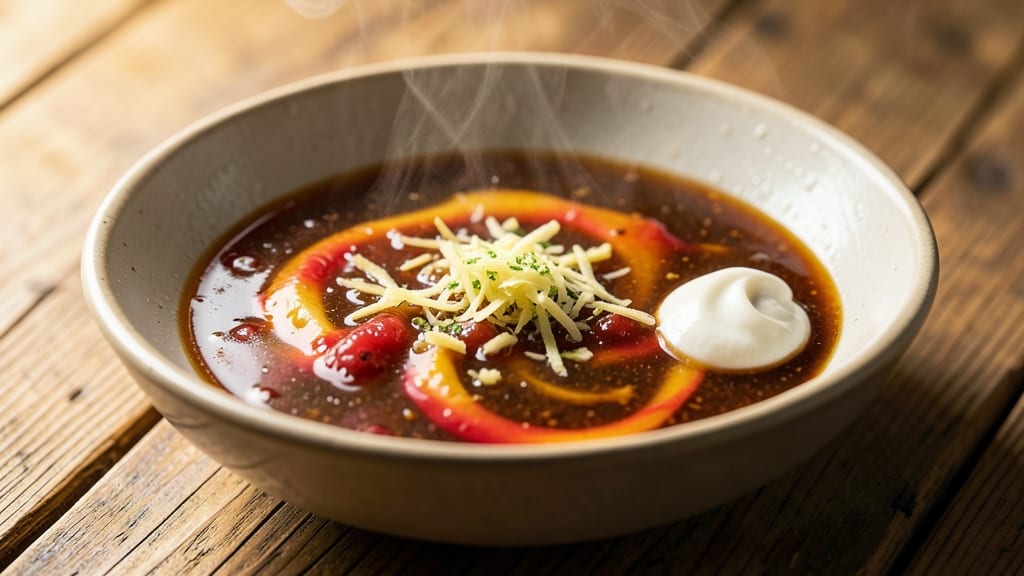
This Aloha Shoyu teriyaki sauce recipe brings the bold flavors of Hawaii to your table with a perfect balance of sweet, salty, and umami richness. 🌺 The secret lies in combining traditional Japanese teriyaki with tropical notes—like pineapple juice and ginger—that create a glaze as versatile as it is delicious.
Whether you're marinating proteins, glazing vegetables, or dipping fresh mochi, this sauce delivers restaurant-quality depth in just 20 minutes of active time.
The foundation starts with a classic teriyaki base: soy sauce, mirin, and brown sugar, simmered until thick and glossy. But what sets this apart is the Hawaiian twist—pineapple juice for brightness, fresh ginger for warmth, and a touch of citrus to keep the flavors vibrant.
The result? A sauce that’s sticky, aromatic, and packed with layers of flavor that cling perfectly to grilled meats, roasted veggies, or even as a dipping sauce for dumplings.
What makes this recipe truly stand out is its foolproof simplicity—no fancy techniques, just a one-pot simmer that develops deep caramelized notes. The sauce thickens beautifully, creating a glossy finish that’s both visually appealing and irresistibly flavorful.
Plus, it stores effortlessly in the fridge for up to two weeks, making it a go-to for meal prep or spontaneous cooking.
Use it to glaze salmon for a Hawaiian-inspired dinner, toss it with stir-fried tofu for extra umami, or drizzle it over fresh mochi for a sweet-savory treat. The possibilities are endless, and the process couldn’t be easier. Let’s make this sauce—your taste buds will thank you.
Ingredients for aloha shoyu teriyaki sauce
Nine ingredients blend Hawaiian tropical notes with Japanese umami for this vibrant teriyaki sauce.
| Ingredient | Amount | Notes |
|---|---|---|
| Aloha Shoyu Sauce 🍶 | ½ cup | Substitute with extra soy sauce if unavailable |
| White Miso Paste 🍚 | 2 tbsp | Use high-quality for umami depth |
| Fresh Ginger Root 🌿 | 1 tbsp | Finely grated, aromatic freshness |
| Pineapple Juice 🍍 | ¼ cup | Freshly squeezed for tropical brightness |
| Brown Sugar 🍚 | ¼ cup | Light or dark, packed firmly |
| Mirin 🍶 | ¼ cup | Sweet rice wine, essential for balance |
| Sesame Oil 🫒 | 1 tbsp | Toasted sesame for nutty aroma |
| Fresh Lime Juice 🍋 | 1 tbsp | Bright citrus finish, freshly squeezed |
| Garlic Cloves 🧄 | 2 cloves | Minced for aromatic depth |
| Diamond Crystal Kosher Salt 🧂 | ½ tsp | Adjust to taste, enhances flavor |
The Aloha Shoyu sauce is the backbone—grab the Hawaiian-style version from Costco or Trader Joe's for that perfect balance of sweet and salty. If you can't find it, Japanese soy sauce plus 1 tsp honey works in a pinch. Fresh ginger is non-negotiable here; the organic root from Whole Foods has the most punch, but any firm, aromatic ginger from the grocery store will do. For the pineapple juice, freshly squeezed is ideal, but canned pineapple juice (like Dole) saves time. The mirin should be authentic—Kikkoman is reliable, but look for 100% pure mirin if you're splurging. Toast your sesame seeds separately for garnish if you're feeling fancy, but the oil alone adds that nutty depth.
No Aloha Shoyu? Substitute with ½ cup soy sauce plus 1 tbsp honey—it won't be identical, but close enough. Running low on mirin? A splash of white wine plus 1 tsp sugar mimics its sweetness. The brown sugar can be swapped for coconut sugar if you're avoiding refined sugar, but it'll taste slightly different. Fresh lime juice is key for that bright finish—Mexican limes are more acidic, so use 1.5 tbsp if that's what you've got. For extra umami without miso, 1 tbsp fish sauce (if not vegetarian) or 1 tbsp soy sauce works. And if your ginger tastes bland? Toast it lightly in a dry pan before grating to wake up the flavors.
This sauce keeps beautifully—store in an airtight jar in the fridge for up to two weeks, or freeze for three months in ice cube trays for single-use portions. The flavors actually deepen over time, so it's perfect for meal prep. If it thickens too much, just whisk in a splash of water. Use it on grilled salmon, stir-fried tofu, or even as a mochi dip—the possibilities are endless. And if you make extra? Freeze it in small batches so you always have teriyaki on hand.
Why You'll Love This Recipe
- Pantry Magic: I’ll be real—this sauce comes together with stuff I already have. Aloha Shoyu and miso? Open the jar. Ginger and pineapple juice? No chopping, just scrape and pour. Brown sugar’s always lurking in my cabinet, and suddenly, I’ve got a restaurant-quality glaze without a single trip to the store.
- Sweet-Savory Balance: The ginger’s got that zing, the miso adds depth, and the pineapple juice keeps it bright—not too heavy, not too sweet. It’s the kind of sauce that makes you go, “Wait, why didn’t I think of this sooner?”—especially when it clings to grilled chicken or roasted veggies like it’s been there forever.
- Weeknight Wonder: This isn’t just for special occasions. Slather it on weeknight stir-fries, toss it with tofu for a quick dinner, or even drizzle it over rice bowls when you’re too tired to cook. Honestly, it’s my go-to when I need flavor without fuss, and it still tastes like I put in effort.
- Leftovers That Shine: Make a big batch—it keeps for weeks in the fridge—and the flavor only gets better. Thin it with a splash of water if it thickens, or use it to glaze proteins the next day. Between us, I’ve turned last night’s leftover sauce into today’s takeout stand-in, and no one’s ever complained.
Step-by-step instructions for Aloha Shoyu teriyaki sauce
This Hawaiian-inspired glaze is all about balancing sweet, salty, and umami flavors—let's build it layer by layer.
🍳 Step 1: Bloom the Miso and Aromatics
In a medium saucepan over medium-low heat, combine the 2 tbsp white miso paste, 0.5 cup aloha shoyu sauce, and 0.25 cup mirin. Stir constantly for 2-3 minutes until the miso fully dissolves and the mixture becomes smooth. You'll notice the aroma deepen as the umami compounds release—this is where the sauce gets its rich foundation.
Add the 2 minced garlic cloves and 1 tbsp finely grated fresh ginger root to the pan. Cook for another 1 minute just until fragrant—don't let it brown, or you'll get bitter flavors. Here's the thing: miso is delicate when heated, so keep the temperature gentle. If it starts to bubble vigorously, reduce the heat immediately.
🍳 Step 2: Sweeten and Simmer
Increase heat to medium and add the 0.25 cup brown sugar and 0.25 cup pineapple juice. Stir until the sugar dissolves completely, which should take about 2 minutes. The mixture will look slightly cloudy at first, but keep stirring—the sugar needs to fully integrate for balanced sweetness.
Bring the sauce to a gentle simmer, then reduce heat to low. Let it cook uncovered for 8-10 minutes until it thickens slightly and reduces by about one-third. You're looking for a consistency that coats the back of a spoon but isn't syrupy. I like to taste at this stage—it should be tangy with a touch of sweetness, but not cloying. If it's too thin, simmer another 2-3 minutes.
🍳 Step 3: Finish with Oil and Acid
Remove the pan from heat and stir in the 1 tbsp toasted sesame oil and 1 tbsp fresh lime juice. The sesame oil adds nutty depth while the lime brightens everything up. Give it one final taste—this is where you can adjust the 0.5 tsp kosher salt if needed. The sauce should be perfectly balanced between sweet, salty, umami, and citrusy notes.
For extra flavor development, let the sauce sit at room temperature for 10-15 minutes before using. This resting period allows all the components to meld together. The sauce will keep in the refrigerator for up to 2 weeks, making it perfect for meal prep. Use it as a glaze for grilled meats, a dipping sauce, or even a marinade—it's incredibly versatile!
Pro Tips For Making Aloha Shoyu Teriyaki Sauce
- Simmer Slow and Low: After burning the miso paste twice, I learned this sauce needs a gentle simmer—no rushing. Keep heat at a steady medium-low for 15-20 minutes, stirring occasionally, so the flavors meld instead of scorching. The miso’s umami won’t develop if you rush it.
- Grate Ginger Fine: Skip the microplane if you’re impatient, but don’t just chop it—grate it fine enough to dissolve completely. Lumpy ginger ruins the sauce’s smooth texture, and you’ll taste every gritty bit. A box grater with the smallest holes works best.
- Reduce Pineapple Juice First: I used to add pineapple juice at the end, but it makes the sauce watery. Simmer it with the sugar for 5 minutes first to concentrate the sweetness and cut down on liquid. This balances the saltiness without thinning the sauce.
- Whisk in Miso Last: Adding miso too early turns the sauce bitter. Stir it in just before the final 5 minutes of simmering—this lets the ginger and sugar mellow out first. If you’re nervous, temper it with a splash of sauce before mixing it all in.
Regional styles of this recipe
Hawaiian-Inspired Twist
This sauce blends classic Japanese teriyaki with tropical Hawaiian flavors, making it uniquely versatile for island-inspired dishes. The Aloha Shoyu sauce (available at Costco or Trader Joe's) replaces traditional soy sauce, adding a subtle sweetness that pairs beautifully with pineapple juice and fresh ginger.
This fusion creates a glaze that works perfectly on grilled mahi-mahi or teriyaki bowls—just like you'd find at a luau. 🌺
Japanese Teriyaki Roots
The foundation stays true to traditional teriyaki with mirin and white miso paste for that signature umami depth. The brown sugar adds caramelized richness, while toasted sesame oil brings nutty warmth.
This balance ensures the sauce remains authentic while embracing its Hawaiian identity. I often use this as a marinade for beef skewers or stir-fried vegetables—it’s that good.
Tropical Adaptations
What sets this apart is the pineapple juice and lime juice, which cut through the richness with bright acidity. For extra tropical flair, add ½ cup diced fresh pineapple to the simmering sauce—it infuses the glaze with natural sweetness.
This version is ideal for Hawaiian-style pork kalua or mochi desserts, where the sweet-tart contrast shines. 🍍
Okinawan Influence
Okinawan cuisine shares similarities with Hawaiian flavors, so this sauce works beautifully on Okinawan soba noodles or grilled pork belly. The ginger and garlic add warmth, while the Aloha Shoyu brings a touch of saltiness that balances the sweetness.
It’s a fusion that feels both nostalgic and fresh—perfect for a cross-cultural meal. 🌿
Modern Fusion Uses
This sauce isn’t just for traditional dishes—it’s a game-changer for modern fusion cuisine. Use it as a dipping sauce for ramen bowls, a glaze for smoked salmon, or even a marinade for grilled shrimp.
The sesame oil and lime juice finish give it a restaurant-quality shine that elevates any dish. Trust me, your taste buds will thank you. ✨
Nutrition facts
Frequently asked questions
Can I make this sauce without Aloha Shoyu?
Yes! For a close substitute, mix ½ cup soy sauce with 1 tbsp honey to mimic Aloha Shoyu's sweet-salty balance. The sauce will still taste delicious, though it won't have the exact tropical depth. For extra umami, add 1 extra tbsp miso paste to compensate for the missing complexity.
How long should I simmer the sauce for perfect thickness?
Simmer uncovered for 8-10 minutes on low heat until reduced by about one-third. The sauce should coat the back of a spoon but remain pourable—not syrupy. For thicker results (like for glazing), simmer 2-3 minutes longer. If it gets too thick, whisk in 1 tsp water to adjust.
What's the best way to store leftover sauce?
Transfer to an airtight container and refrigerate for up to 2 weeks. For longer storage, freeze in ice cube trays—perfect for single-use portions! Thaw overnight in the fridge before reheating. The flavors actually deepen over time, so it's ideal for meal prep.
Can I use this sauce for non-meat dishes?
This versatile glaze works beautifully on grilled vegetables (like pineapple or eggplant), tofu, or even as a dipping sauce for dumplings or mochi. The tropical notes pair especially well with coconut-based dishes or Asian-inspired noodle bowls.
Why does my sauce taste too sweet or salty?
Adjust by adding 1 tsp lime juice to cut sweetness or ½ tsp extra soy sauce for saltiness. The key is balancing all flavors—taste as you go! For a more complex profile, add ½ tsp grated ginger or a pinch of black pepper to enhance depth.