
Sauces & Condiments
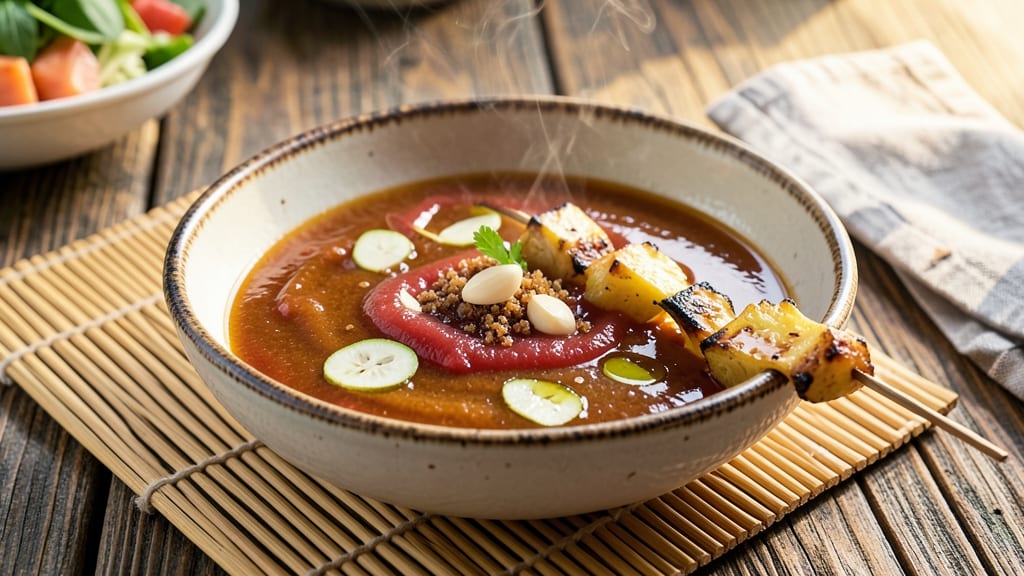
This Aloha Teriyaki Sauce transforms ordinary proteins into a tropical feast with its perfect balance of sweet, tangy, and umami flavors. 🌺 The secret lies in pineapple juice, which adds natural sweetness while keeping the sauce bright and vibrant—no artificial ingredients needed.
I developed this recipe after craving that perfect fusion of Hawaiian flavors and classic teriyaki depth, and it’s become my go-to for everything from grilled chicken to stir-fries.
The sauce starts with a simple base of soy sauce and brown sugar, then gets elevated with pineapple juice, garlic, and ginger—all simmered until thick and glossy. What makes this version special is the way the pineapple’s acidity brightens the soy while the ginger and garlic add layers of warmth.
It’s restaurant-quality but easy to make at home, with no complicated techniques required.
Once you’ve made it, you’ll wonder how you ever lived without this versatile glaze—use it as a marinade for chicken or shrimp, a dipping sauce for spring rolls, or a glaze for roasted vegetables.
The sauce keeps well in the fridge for up to a week or freezes beautifully for longer storage, so you can always have that aloha-inspired flavor on hand.
This isn’t just another teriyaki sauce—it’s a taste of Hawaii in every bite, with the perfect harmony of sweet, savory, and tropical notes. Let’s get cooking!
Ingredients for aloha teriyaki sauce
Nine ingredients, tropical flavors—this aloha teriyaki sauce is your new kitchen hero.
| Ingredient | Amount | Notes |
|---|---|---|
| Soy Sauce 🥢 | ½ cup | Low-sodium preferred for balance |
| Brown Sugar 🍯 | ½ cup | Packed firmly for accuracy |
| Pineapple Juice 🍍 | ½ cup | Fresh or canned, no added sugar |
| Garlic Cloves 🧄 | 4 cloves | Minced for smooth texture |
| Fresh Ginger 🌿 | 2 tbsp | Grated, not powdered |
| Extra-Virgin Olive Oil 🫒 | 1 tbsp | For glossy finish |
| Honey 🍯 | 1 tbsp | Wildflower preferred |
| Rice Vinegar 🍶 | 1 tbsp | White or seasoned |
| Sesame Oil 🌱 | 1 tsp | Toasted for aroma |
| Sesame Seeds 🥜 | 1 tbsp | Toasted for garnish |
The pineapple juice is non-negotiable here—it’s what gives this sauce its bright, vibrant edge. Dole or Del Monte canned juice works perfectly, but if you’ve got fresh pineapple, juice it yourself for extra depth. The ginger and garlic? Fresh is a must—powdered just won’t cut it. I grab my ginger at Whole Foods because their root section is always stocked with fresh, plump pieces. For the soy sauce, Kikkoman or La Choy are solid choices, but if you’re using low-sodium, add a pinch of salt to balance the flavors. The brown sugar should be packed firmly—don’t scoop it loosely or you’ll end up with less sauce than you need.
No pineapple juice? Mango nectar or orange juice works in a pinch, though the flavor won’t be quite the same. Running low on sesame oil? Avocado oil at half the amount keeps the neutral base, but you’ll lose that nutty aroma. The honey can be swapped for maple syrup if you’re avoiding it, but trust me, the floral notes add something special. If you’re making this ahead, reduce the sesame oil to ½ teaspoon and add it fresh before serving—it’s all about that aroma. And if you’re feeling fancy, toasted coconut flakes make a killer garnish too.
This sauce keeps like a dream—1 week in the fridge or 3 months in the freezer. Let it cool completely before storing, then pour it into a jar with a tight seal. For freezing, portion it into ice cube trays first—perfect for single-use servings later. The flavors actually improve after a day or two as everything melds together. If it thickens too much, just add a splash of water or pineapple juice to loosen it up. And pro tip: save the leftover pineapple rinds—they’re perfect for making stock!
Why You'll Love This Recipe
- Pantry Magic: I swear by this sauce because it uses things I already have—no special trips to the store. Soy sauce, brown sugar, and pineapple juice? That’s my go-to trifecta for something that tastes like a vacation in a jar.
- Sweet-Savory Balance: Between the deep umami of soy, the caramelized brown sugar, and that bright pineapple tang, it’s the kind of flavor that makes you pause mid-bite. Honestly, the garlic and ginger hit just right—warm but not overpowering.
- Meal Prep MVP: This sauce doubles as marinade, glaze, or dipping sauce in a flash. I’ll toss chicken in it for dinner, then use leftovers to drizzle over rice the next day. (Yes, even on a Tuesday night.)
- Budget-Friendly Luxury: A single batch costs me pennies but feels like a restaurant-quality upgrade. The pineapple juice keeps it from being too heavy, and the brown sugar adds that rich, almost buttery finish without breaking the bank.
Step-by-step instructions for aloha teriyaki sauce
This vibrant sauce balances sweet, tangy, and umami flavors—perfect for glazing proteins or drizzling over fresh dishes.
🔥 Step 1: Bloom the Aromatics in Olive Oil
Heat the 1 tablespoon extra-virgin olive oil in a small saucepan over medium-low heat. Add the 4 minced garlic cloves and 2 tablespoons grated fresh ginger, stirring constantly for 1-2 minutes until fragrant but not browned. This step unlocks the aromatic foundation of your sauce—don’t let the garlic burn, or it’ll turn bitter and overpower the sweetness.
Here’s the thing—ginger releases its heat and spice when cooked, so you’ll notice the kitchen filling with that warm, citrusy aroma. Keep the heat gentle to avoid scorching, which would make the sauce taste harsh. Once the garlic is golden around the edges but not crispy, you’re ready for the next step.
🥘 Step 2: Combine Wet Ingredients and Simmer
Pour in the 0.5 cup soy sauce, 0.5 cup brown sugar, and 0.5 cup pineapple juice, stirring to dissolve the sugar completely. Bring the mixture to a gentle boil over medium-high heat, then immediately reduce to low heat. Let it simmer uncovered for 8-10 minutes, stirring occasionally, until the sauce thickens slightly and reduces by about one-third. You’ll see it transform from a thin liquid to a glossy, syrupy consistency—this is where the magic happens.
The pineapple juice adds brightness that cuts through the richness of the soy and sugar, while the simmering concentrates the flavors. If the sauce starts to stick or bubble too vigorously, lower the heat slightly. You’re aiming for a sauce that coats the back of a spoon but isn’t gluey—it should still flow smoothly.
🍳 Step 3: Finish with Tangy and Nutty Depth
Remove the sauce from heat and stir in the 1 tablespoon honey, 1 tablespoon rice vinegar, and 1 teaspoon sesame oil. The vinegar adds a bright tang that balances the sweetness, while the sesame oil contributes a nutty aroma. Taste and adjust—if it needs more acidity, add a splash more rice vinegar; if it’s too sharp, a touch more honey will smooth it out. This is your chance to tweak the flavor to perfection.
Let the sauce sit off the heat for 5 minutes to meld completely. The colors will deepen—expect a beautiful amber hue with golden highlights from the caramelized sugar. The aroma should be complex: smoky from the soy, floral from the honey, and fresh from the pineapple and ginger. This is your aloha teriyaki sauce, ready to elevate any dish.
👨🍳 Step 4: Toast the Sesame Seeds and Serve
While the sauce rests, dry-toast the 1 tablespoon sesame seeds in a small skillet over low heat for 1-2 minutes, shaking frequently, until they turn a rich golden brown and release their nutty aroma. Sprinkle them over the finished sauce just before serving—they add texture and a final burst of toasty flavor that ties everything together.
Use your sauce immediately for best results, but it’ll keep in an airtight container in the fridge for up to 1 week. Drizzle it over grilled chicken, seared salmon, or even fresh spring rolls for a taste of Hawaii’s bold, balanced flavors. The contrast of sweet, tangy, and umami makes this sauce irresistibly versatile—once you try it, you’ll reach for it again and again.
Pro Tips For Making Aloha Teriyaki Sauce
- Simmer Slow and Steady: After burning the first batch of sauce because I panicked and cranked the heat, I learned to keep it at a gentle simmer—not a boil. This lets the flavors meld without turning your sauce into a charred disaster, especially when you’re balancing the sweetness of pineapple juice with the saltiness of soy.
- Grate That Ginger: Fresh ginger loses its punch when chopped into big chunks. Use a microplane or the fine holes of a box grater to get it into the sauce as a paste—this way, it dissolves completely and doesn’t leave you with weird texture surprises. (Yes, even if you’re impatient like me.)
- Balance the Sweetness: Pineapple juice is sneaky—it can make your sauce taste like dessert if you’re not careful. Taste as you go, and if it’s leaning too sweet, add a splash more soy sauce or a pinch of salt. The goal is for the garlic and ginger to shine, not the sugar.
- Skip the Pre-Minced Garlic: Jarred minced garlic has a metallic aftertaste that ruins the clean, bright flavor of teriyaki. Smash 2-3 whole cloves with the flat side of your knife first, then finely mince—this keeps the aroma fresh and avoids that sad, off note in your sauce. (Your future self will notice.)
Best sauces and condiments for this dish
Tropical Marinade Magic
This aloha teriyaki sauce isn't just for glazing—it's an incredible marinade for chicken, shrimp, or tofu. Toss your protein in ½ cup sauce and let it sit for 30 minutes to 2 hours in the fridge.
The pineapple juice tenderizes while the ginger and garlic infuse deep flavor. I love marinating boneless chicken thighs for 1 hour before grilling—they stay juicy and develop a caramelized crust. 🌺
Glazing Perfection
Brush this sauce on proteins during the last 5-7 minutes of cooking for a sticky, glossy finish. For grilled salmon, apply a thin layer and broil for 2-3 minutes to create a beautiful caramelized crust.
The pineapple's acidity helps prevent burning while adding sweetness. I also use it as a finishing sauce for pork chops—just drizzle and broil for 1 minute to melt the sugars.
Dipping Sauce Twist
Thin the sauce with 1-2 tablespoons water for a perfect dipping sauce. It pairs beautifully with spring rolls, edamame, or grilled shrimp skewers. For extra richness, add 1 teaspoon toasted sesame oil just before serving.
The balance of sweet, tangy, and umami makes it irresistible for dipping—trust me, your guests will ask for the recipe!
Vegetable Glaze
Don't limit this sauce to proteins! Toss roasted sweet potatoes or grilled asparagus in 2 tablespoons sauce during the last 10 minutes of cooking. The natural sugars in the vegetables caramelize beautifully with the sauce's sweetness.
I love this combo with roasted Brussels sprouts—the tangy-sweet glaze cuts through their bitterness perfectly. 🍠
Breakfast Upgrade
Use this sauce to elevate your morning routine. Drizzle over scrambled eggs or tofu scramble for a sweet-savory twist. I also love brushing it on sweet potato toast with a sprinkle of crumbled feta.
The pineapple's brightness balances the richness of eggs, making breakfast feel like a special occasion. For extra protein, add crispy bacon bits on top.
Storage Secrets
Let your sauce cool completely before storing to prevent mold growth. In the fridge, it keeps for 1 week in an airtight container. For longer storage, freeze in ice cube trays—perfect for single-use portions.
Thaw overnight in the fridge and stir to recombine. The sauce actually improves with age as flavors meld, so make a big batch and enjoy it all week! ❄️
Nutrition facts
Frequently asked questions
Can I substitute pineapple juice with another fruit juice?
Yes! For a similar bright flavor, try mango nectar or orange juice—they'll add sweetness and acidity. Avoid apple juice (too mild) or grapefruit juice (too bitter). If using mango, reduce honey to ½ tablespoon since mango is already sweet. The key is balancing the sauce's tropical brightness.
How do I adjust the sweetness level?
Start with the recipe as written, then taste and adjust. For less sweetness, reduce brown sugar to ¼ cup and add 1 extra tablespoon rice vinegar. For more sweetness, increase honey to 2 tablespoons. Remember: the pineapple juice already contributes natural sweetness, so go slow with adjustments.
Can I make this sauce without sesame oil?
Replace the 1 teaspoon sesame oil with ½ teaspoon avocado oil or neutral oil for a milder flavor. Skip the toasted sesame seeds if you're avoiding them, but add ½ teaspoon ground sesame seeds for a similar nutty depth. The sauce will still taste delicious—just with a more subtle aroma.
What's the best way to use leftover sauce?
Leftover sauce works perfectly as a marinade (up to 2 hours for proteins) or glaze. For extra richness, reduce it by simmering 5 minutes uncovered. Thin with water for dipping sauce, or freeze in ice cube trays for single-use portions. The flavors actually deepen after 24 hours in the fridge!
Why did my sauce turn out too thick?
This usually happens from over-simmering or too much sugar. Thin with 1-2 tablespoons water or pineapple juice while warm. For next time, reduce simmering time to 7 minutes and use ¼ cup less sugar. The sauce should coat the back of a spoon but still flow smoothly.