
Sauces & Condiments
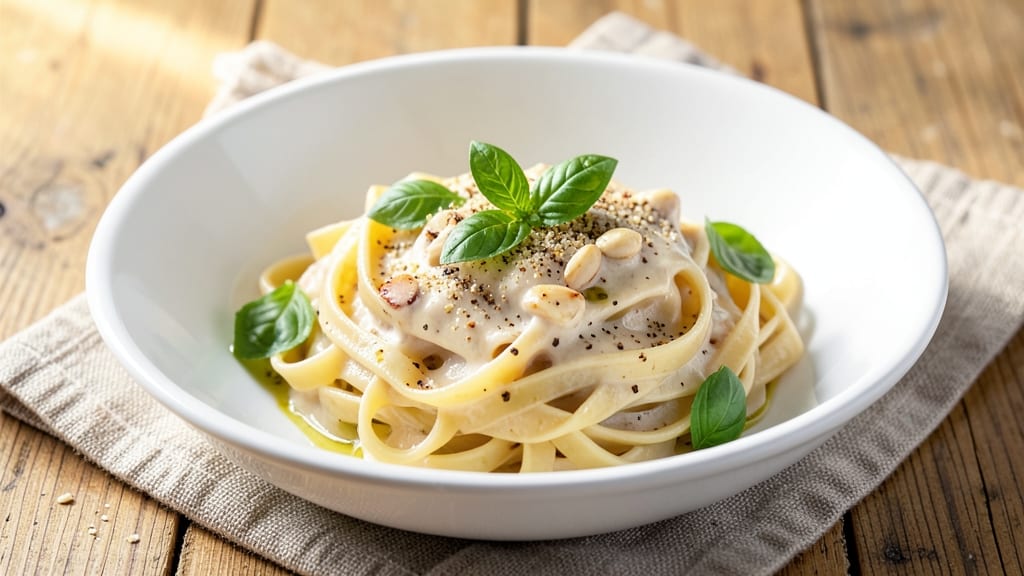
This almond milk pasta sauce recipe transforms simple ingredients into a velvety, nutty sauce that rivals traditional dairy-based versions. The secret lies in blending almond milk with garlic, nutritional yeast, and herbs to create a rich, savory base that clings beautifully to pasta.
I developed this recipe for those seeking a dairy-free option that doesn’t compromise on flavor or texture.
What sets this sauce apart is its creamy yet light consistency, achieved through careful simmering and emulsification. The almond milk provides natural richness, while garlic and nutritional yeast add depth and umami.
Optional roasted red peppers or sun-dried tomatoes elevate the sauce with a subtle sweetness and tang. Perfect for gluten-free pasta or vegan proteins, this sauce is both versatile and foolproof.
The result is a luscious, golden sauce that coats every strand of pasta with a velvety sheen. It’s savory, slightly nutty, and just tangy enough to keep your taste buds engaged.
This sauce works equally well as a quick weeknight dinner or an elegant plant-based dish. The best part? It’s ready in under 30 minutes with minimal effort.
Pair this almond milk pasta sauce with gluten-free noodles, roasted vegetables, or grilled tofu for a satisfying, dairy-free meal. The sauce holds up well when reheated, making it ideal for meal prep. Let’s dive into the recipe and create a sauce that’s as nourishing as it is delicious.
Ingredients for almond milk pasta sauce
Eight simple ingredients create restaurant-quality almond milk pasta sauce without dairy.
| Ingredient | Amount | Notes |
|---|---|---|
| Unsweetened Almond Milk 🥛 | 1 ½ cups | Plain, unsweetened variety preferred |
| Extra-Virgin Olive Oil 🫒 | ½ cup | High quality, fruity flavor |
| Garlic Cloves 🧄 | 4 cloves | Freshly minced for maximum flavor |
| Nutritional Yeast 🍞 | ½ cup | Fortified for cheesy flavor |
| Dried Basil 🌿 | 1 tbsp | Or 0.25 cup fresh basil |
| Dried Oregano 🌿 | 1 tsp | Mediterranean blend preferred |
| Salt 🧂 | 1 tsp | Diamond Crystal preferred |
| Black Pepper 🌶️ | ½ tsp | Freshly ground preferred |
| Roasted Red Peppers 🍅 | ¼ cup | Jarred, chopped (optional) |
| Sun-Dried Tomatoes 🍅 | ¼ cup | Chopped, oil-packed (optional) |
The almond milk is the star—unsweetened and plain ensures no sweetness interferes with the savory flavors. Trader Joe's or Silk brands work perfectly, but any store-bought unsweetened almond milk will do. Nutritional yeast is non-negotiable for that cheesy depth; Bob's Red Mill or Bragg are reliable brands. Fresh garlic makes all the difference, so don't skimp. For the olive oil, California extra-virgin brands like Corto or Lucini add fruity notes that elevate the sauce. Dried herbs work fine, but if you've got fresh basil, use half the amount for a brighter flavor profile.
No nutritional yeast? White miso paste at half the amount adds umami depth, though the cheesy flavor will differ slightly. Short on garlic? Garlic powder at one-third the amount works in a pinch, but fresh is ideal. The optional roasted red peppers and sun-dried tomatoes can be swapped for fire-roasted diced tomatoes if you prefer a different texture. For extra richness, stir in 1 tbsp vegan butter at the end. If you're making this ahead, omit the optional ingredients until serving to prevent them from overcooking.
This sauce keeps beautifully—5 days in the fridge sealed in an airtight container. For longer storage, freeze for up to 3 months in ice cube trays or small containers. Reheat gently over low heat, stirring often, until warmed through. The sauce thickens as it cools, so add a splash of almond milk if it becomes too thick. Portion into meal prep containers for quick weeknight dinners. The sauce pairs perfectly with gluten-free pasta, roasted vegetables, or grilled tofu for a complete meal.
Why You'll Love This Recipe
- No-Measurement Guesswork: I just eyeball the almond milk and olive oil—no fancy ratios, no stress. The garlic and basil do all the heavy lifting, so even if I misjudge, it still tastes exactly like I meant it to. (Yes, even on a Tuesday night.)
- Umami Magic: That nutritional yeast? It’s the secret weapon here—savory, cheesy, and way more exciting than plain almond milk. One teaspoon turns this into a sauce that lingers, rich and satisfying without a drop of dairy.
- Pantry-to-Plate Flex: I make this for lazy Sundays, last-minute dinner guests, or when I’m too tired to shop. Swap in spinach for a quick toss, add roasted veggies for texture, or drizzle it over tofu for a protein boost. It’s the blank canvas I didn’t know I needed.
- Leftovers That Don’t Suck: Unlike creamy sauces that separate or turn slimy, this one actually improves overnight. Reheat it, stir in a splash of water, and—boom—it’s just as smooth and flavorful as day one. My freezer’s full of it, and I’m not complaining.
Step-by-step instructions for almond milk pasta sauce
Here's how to create a rich, dairy-free sauce with depth and nutty flavor.
Bloom the Aromatics in Olive Oil
Heat the 0.5 cup extra-virgin olive oil in a medium saucepan over medium-low heat. Add the 4 cloves minced garlic and cook for 1-2 minutes until fragrant but not browned—garlic burns quickly, so watch closely. This step develops the foundation of your sauce's flavor profile.
Next, add the 0.25 cup chopped roasted red peppers and 0.25 cup chopped sun-dried tomatoes. Cook for another 2 minutes until the red peppers soften slightly and the tomatoes release their oils. The sauce should smell rich and tomatoey at this point—this is your signal to proceed.
Add Herbs and Nutritional Yeast
Stir in the 1 tbsp dried basil, 1 tsp dried oregano, and 0.5 cup nutritional yeast. The nutritional yeast will give your sauce that signature cheesy depth without any dairy. Cook this mixture for 30 seconds while stirring constantly to ensure even distribution of the herbs.
I like to press the herbs between my fingers first to release their oils before adding them to the pan. This maximizes their aromatic impact. The sauce should now have a vibrant, earthy aroma with a hint of umami from the nutritional yeast.
Gradually Incorporate Almond Milk
Slowly pour in the 1.5 cups unsweetened almond milk while whisking continuously. The sauce will immediately begin to thicken as the starches in the almond milk activate. Keep the heat at medium-low to prevent scorching—you're looking for a gentle simmer, not a rapid boil.
If the sauce thickens too quickly, reduce the heat further. The ideal consistency should be creamy but still coat the back of a spoon. This step requires attention—almond milk can curdle if heated too vigorously, so maintain a steady, gentle heat.
Season and Simmer to Perfection
Add the 1 tsp salt and 0.5 tsp black pepper, then bring the sauce to a gentle simmer. Let it cook uncovered for 5-7 minutes until it reaches your desired consistency. The sauce should be thick enough to cling to pasta but still have a silky texture.
Taste and adjust seasoning if needed—this is your chance to fine-tune the balance of flavors. The sauce should be savory with a nutty undertone from the almond milk and a touch of sweetness from the sun-dried tomatoes. If it's too thin, simmer for another minute or two to reduce it further.
Finish and Ready for Pasta
Remove the sauce from heat and let it rest for 2-3 minutes to allow the flavors to meld. This resting period is crucial—it lets the sauce settle and develop its full depth of flavor. The sauce should now have a beautiful, glossy appearance with a rich, creamy texture.
Just before serving, give the sauce a final taste and adjust seasoning if necessary. This almond milk pasta sauce is now ready to toss with your cooked pasta. The sauce will cling beautifully to each strand, delivering that nutty, creamy flavor in every bite.
Pro Tips For Making Almond Milk Pasta Sauce
- Toast the Garlic: Cook the minced garlic in olive oil over medium-low heat until it’s golden, not brown—this prevents bitterness. I learned this the hard way after making my sauce taste like a gym locker. Two minutes max, and keep an eye on it.
- Whisk the Almond Milk: Heat the unsweetened almond milk in a saucepan until it’s steaming but not boiling—then whisk it vigorously before adding it to the garlic oil. This smooths out any lumps and makes the sauce velvety instead of grainy.
- Skip the Boil: Resist the urge to boil the sauce—simmer it gently on low heat after combining all ingredients. Boiling can curdle the almond milk, turning your creamy sauce into a sad, separated mess.
- Finish with Basil: Stir in the dried basil off the heat—this preserves its flavor instead of cooking it to oblivion. If you’re using fresh basil, add it last and let it wilt just enough to release its aroma. (Yes, even if you’re impatient like me.)
Pro cooking tips for great almond milk pasta sauce
Emulsify Like a Pro
Almond milk can be tricky to emulsify—it separates easily if not handled right. After adding the milk, whisk continuously for 1-2 minutes to break down the fat molecules.
I use a handheld immersion blender for 10 seconds if I notice any separation. This creates a silky texture that clings to pasta perfectly. 🥣
Control the Heat
Never let this sauce boil vigorously—medium-low heat is key. Too much heat causes the almond milk to curdle or split. I keep my stove at 3 out of 10 (just below a simmer) and watch for tiny bubbles forming.
If it gets too hot, remove from heat for 30 seconds to cool slightly before continuing.
Boost Umami Depth
For extra richness, add 1 tsp white miso paste or ½ tsp soy sauce along with the nutritional yeast. These ingredients amplify the savory notes without overpowering the nutty almond flavor. I also like adding 1 tsp lemon juice at the end for brightness—it balances the creaminess beautifully.
Adjust Consistency
If your sauce is too thick, whisk in 1 tbsp warm water or almond milk. Too thin? Simmer uncovered for 2-3 extra minutes to reduce. For a restaurant-quality finish, stir in 1 tbsp vegan butter or a splash of heavy cream (if not strictly vegan) at the very end.
The sauce should coat the back of a spoon but still be pourable.
Prevent Curdling
Almond milk curdles when exposed to sudden temperature changes. To avoid this, never add cold milk to a hot pan—temper it first by mixing ¼ cup cold milk with ¼ cup warm sauce before incorporating the rest. Also, avoid stirring too vigorously with metal utensils, which can break the emulsion.
Flavor Layering
Build complexity by adding ingredients in this order: garlic → herbs → nutritional yeast → milk. Each layer develops flavor progressively. For a smoky twist, add ½ tsp smoked paprika with the herbs.
If you love herbs, finish with 1 tbsp fresh basil or parsley—it adds freshness that dried herbs can't match. 🌿
Nutrition facts
Frequently asked questions
Can I use this sauce with gluten-free pasta?
This almond milk pasta sauce is perfect for gluten-free noodles like brown rice or chickpea pasta. The creamy texture clings beautifully to their surfaces, and the nutty flavor pairs especially well with heartier gluten-free varieties. Just ensure your pasta is well-cooked to avoid a gummy texture when mixing.
Why did my sauce separate or curdle?
Almond milk can split if heated too quickly or stirred vigorously with metal utensils. To fix it, whisk in 1 tbsp cold almond milk while stirring gently over low heat for 1-2 minutes. For prevention, always use medium-low heat and temper the milk by mixing ¼ cup cold milk with ¼ cup warm sauce before adding the rest.
How can I make this sauce spicier?
Add ½ tsp red pepper flakes or 1 tsp hot sauce when you incorporate the nutritional yeast. For smoky heat, stir in ½ tsp smoked paprika with the herbs. If you love chili, finish with 1 tbsp chopped jalapeños or a pinch of cayenne pepper. Adjust to taste—this sauce handles heat beautifully!
Can I use other plant-based milks instead of almond milk?
While almond milk works best for its natural creaminess, you can try cashew milk (for richer texture) or oat milk (for mild sweetness). Avoid soy milk—it can make the sauce too heavy. If substituting, reduce the milk by ¼ cup and add 1 tbsp cornstarch to help thicken. Taste as you go!
What's the best way to store leftovers?
Store in an airtight container in the fridge for up to 5 days. For longer storage, freeze in ice cube trays or small containers for up to 3 months. Thaw overnight in the fridge and reheat gently over low heat, stirring often. The sauce may thicken when chilled—add a splash of almond milk when reheating.