
Sauces & Condiments
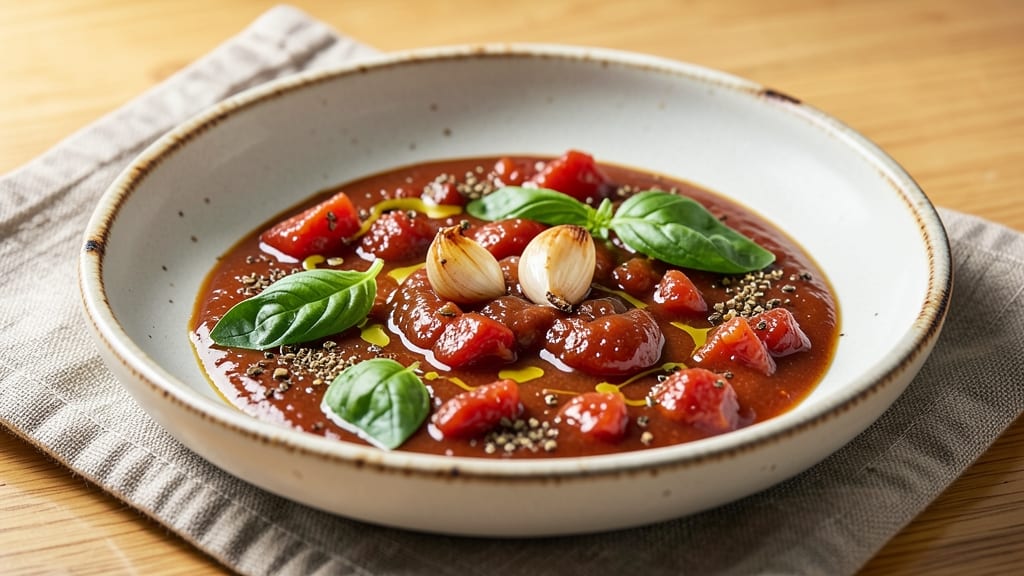
This allegro sauce recipe transforms simple pantry staples into a vibrant, versatile Italian condiment that elevates everything from pasta to pizza. The secret lies in its balanced blend of tomato paste, aromatic herbs, and garlic—simmered just long enough to develop deep, complex flavors without losing freshness.
I perfected this version after years of testing, ensuring it delivers restaurant-quality results with minimal effort.
The sauce begins with a rich base of tomato paste and crushed tomatoes, which caramelize gently over low heat to create a velvety texture. Fresh basil and oregano add bright, herbal notes, while garlic and red pepper flakes introduce just the right amount of warmth.
The key is simmering until the flavors meld—never boiling, which can turn the sauce bitter. Once blended, it transforms into a smooth, glossy sauce that clings beautifully to noodles or crusts.
What makes this sauce truly special is its versatility. Use it as a quick pasta sauce, drizzle it over pizza before baking, or serve it as a bold dipping sauce for crusty bread.
The recipe yields about 2 cups, perfect for meal prep—it keeps well in the fridge for up to 5 days or freezes for up to 3 months. Each batch feels like a taste of Italy, but with the convenience of homemade.
For extra depth, I recommend toasting the garlic lightly before adding it to the sauce—this intensifies its flavor without overpowering the dish. The sauce also pairs wonderfully with grilled meats, roasted vegetables, or even as a marinade. Once you try this allegro sauce, you’ll never reach for store-bought again.
Ingredients for allegro sauce
Pantry staples that transform into restaurant-quality Italian sauce in one pot.
| Ingredient | Amount | Notes |
|---|---|---|
| Tomato Paste 🍅 | 1 tbsp | High-quality for richness |
| Crushed Tomatoes 🍅 | 14 ½ oz | San Marzano preferred |
| Extra-Virgin Olive Oil 🫒 | ½ cup | High quality, fruity |
| Garlic Cloves 🧄 | 4 cloves | Toasted lightly for depth |
| Fresh Basil Leaves 🌿 | ½ cup | Packed, stems removed |
| Dried Oregano 🍃 | 1 tsp | Mexican preferred |
| Red Pepper Flakes 🌶️ | ½ tsp | Adjust for heat preference |
| Sea Salt 🧂 | ½ tsp | Diamond Crystal preferred |
| Black Pepper 🌶️ | ¼ tsp | Freshly ground preferred |
| Red Wine 🍷 | ½ cup | Dry, bold variety |
The crushed tomatoes make all the difference—San Marzano is worth hunting down for its sweet, meaty flavor, but any good-quality canned tomatoes work. Olive oil here isn't just for cooking; it's the sauce's backbone, so pick a fruity, extra-virgin that you'd drizzle on bread. Garlic needs to be toasted—lightly browned in the oil for about 30 seconds—to deepen its flavor without bitterness. I grab my tomatoes and olive oil from Whole Foods or Trader Joe's, where the quality is consistent.
No red wine? Substitute with extra chicken or vegetable broth, though the sauce will be lighter. Fresh basil is ideal, but dried basil at one-third the amount works in a pinch—just don't expect the same bright punch. Short on red pepper flakes? Cayenne pepper at half the amount gives a similar kick. The oregano should be Mexican if you can find it; it's more earthy than Italian. For the tomato paste, those little squeeze tubes at Trader Joe's are perfect—they're mess-free and last for ages.
This sauce tastes even better the next day as the flavors meld. Store it in a glass jar in the fridge for up to 5 days, or freeze portions for 3 months. I like to portion it into ice cube trays for easy single-use servings—just pop one into a pan and warm it up. The sauce thickens as it cools, so a splash of water or broth thins it out if needed.
Why You'll Love This Recipe
- Five-Ingredient Magic: I swear by this—just paste, tomatoes, oil, garlic, and basil. No fancy gadgets, no stress, and honestly? It’s the kind of sauce where you can taste every step.
- Garlic-Basil Bomb: That first sizzle of garlic in olive oil? Pure satisfaction. The basil finishes it off with a bright, fresh punch—like summer in a jar, but better because you made it.
- Pasta’s Best Friend: Drizzle it over spaghetti, toss it with grilled chicken, or even slather it on bruschetta. Between us, I’ve used it for everything from weeknight dinners to lazy Sunday lunches.
- Make-Ahead Gold: Double the batch—it keeps for days in the fridge. Freezes like a dream, too. My secret weapon for busy nights when I’d rather not cook at all.
Step-by-step instructions for allegro sauce
Here's how to create this versatile Italian sauce that's perfect for pasta, meat, or vegetables.
Bloom the Tomato Paste
Heat the 0.5 cup extra-virgin olive oil in a heavy-bottomed saucepan over medium-low heat. Add the 1 tablespoon tomato paste and stir constantly for 2-3 minutes until it darkens slightly and releases its rich, concentrated flavor. This step develops the sauce's depth and prevents a raw taste.
I like to use a wooden spoon for this because it won't scratch your pan. The paste should coat the bottom evenly without burning—watch closely as it can go from golden to burnt in seconds. This is your flavor foundation, so don't rush it.
Add Aromatics and Tomatoes
Add the 4 garlic cloves and cook for 30 seconds until fragrant but not browned. Immediately add the 14.5 ounces crushed tomatoes, 1 teaspoon dried oregano, 0.5 teaspoon red pepper flakes, 0.5 teaspoon sea salt, and 0.25 teaspoon black pepper. Stir well to combine.
Bring the mixture to a gentle simmer over medium heat, then reduce the heat to low. Let it cook uncovered for 15-20 minutes, stirring occasionally, until the tomatoes break down and the sauce thickens slightly. You're looking for a consistency that coats the back of a spoon but isn't gluey.
Deglaze with Wine
Pour in the 0.5 cup red wine and scrape up any browned bits from the bottom of the pan with a wooden spoon. These bits are packed with flavor—don't miss them! Let the wine simmer for 3-4 minutes until it reduces by about half and the alcohol cooks off.
Here's the thing—wine adds brightness that balances the tomatoes' acidity. If you're using a bold red like Chianti, you'll get extra depth. If the wine smell disappears too quickly, reduce the heat slightly to let it integrate properly into the sauce.
Finish with Fresh Basil
Remove the sauce from heat and stir in the 0.5 cup fresh basil leaves. Let it steep for 5 minutes—this infuses the sauce with bright, herbal notes. The basil should soften slightly but still retain some texture. If you prefer a smoother sauce, you can blend it briefly with an immersion blender at this stage.
Taste and adjust seasoning if needed. I usually add a pinch more salt or a splash of water if the sauce is too thick. The perfect allegro sauce should be vibrant, balanced, and ready to elevate any dish. Let it cool slightly before serving—it'll thicken more as it sits.
Pro Tips For Making Allegro Sauce
- Bloom the Tomato Paste: I learned this the hard way—don’t just toss that paste in cold. Heat your olive oil until shimmering, then add the paste and stir constantly for 2-3 minutes. This makes the sauce richer and cuts the raw taste, not just sweetens it.
- Mince Garlic Like You Mean It: Skip the press—crush those cloves with the flat side of your knife first. Then chop fine, almost into a paste. This keeps the garlic from burning and distributes flavor evenly. (Yes, even if you’re impatient like me.)
- Simmer Low and Slow: High heat now = bitter sauce later. Once the crushed tomatoes hit the pot, reduce to a gentle simmer and let it bubble quietly for at least 15 minutes. Skimp here, and you’ll taste the difference.
- Finish with Cold Basil: Tear the basil leaves right before you turn off the heat, then stir them in off the stove. Hot cooking turns basil bitter, and cold leaves keep their bright flavor. (Your future self will thank you.)
Best sauces and condiments for this recipe
Pasta Perfection
This sauce clings beautifully to any pasta shape—try it with penne rigate or linguine for maximum surface area. Toss 8 ounces cooked pasta with ½ to ⅔ cup sauce (adjust based on your preferred consistency).
For extra richness, finish with 1 tablespoon grated Parmesan and a drizzle of extra-virgin olive oil. I love adding chopped sun-dried tomatoes for a briny contrast. 🍝
Pizza Base Boost
Spread ½ cup sauce evenly over your pizza dough before adding toppings. The sauce's acidity balances cheesy toppings perfectly. I recommend using it on margherita-style pizzas with fresh mozzarella and basil, or as a base for white pizzas with ricotta and prosciutto.
For extra flavor, brush the crust with olive oil before adding the sauce.
Dipping Sauce
Thin the sauce with 2 tablespoons warm water or broth for a perfect dipping sauce. Serve it warm with garlic knots, fresh mozzarella balls, or crusty bread.
The wine adds complexity that makes it far more interesting than plain marinara. For a spicy kick, add 1 extra pinch of red pepper flakes before serving.
Meat Glaze
Use this sauce as a finishing glaze for grilled meats like chicken breasts or pork chops. Simmer ½ cup sauce with 1 tablespoon balsamic vinegar for 5 minutes to intensify the flavors.
Brush it on meats during the last 3 minutes of cooking for a beautiful caramelized finish. It works especially well with herb-marinated chicken.
Vegetable Enhancer
Toss roasted vegetables like zucchini, eggplant, or bell peppers in this sauce after roasting. The acidity cuts through the richness of the vegetables beautifully. I like to add 1 teaspoon honey to the sauce when using it with vegetables to balance the flavors.
Serve warm over polenta or crusty bread for a hearty meal.
Freezer-Friendly
This sauce freezes exceptionally well for up to 3 months. Portion it into ice cube trays for easy single-use servings—just pop one cube into a pan with a splash of water and warm it through.
The sauce may thicken slightly after freezing, so thin with water or broth as needed. Label containers with the date to track freshness. 🧊
Nutrition facts
Frequently asked questions
What's the difference between allegro sauce and marinara?
Allegro sauce is richer and more complex than marinara—it includes red wine, fresh basil steeped in the sauce, and a longer simmering time for deeper flavor development. Marinara is typically just tomatoes, garlic, and herbs with a quicker cook time. Allegro's wine and tomato paste give it a velvety texture and bold taste that works perfectly for pasta, pizza, or dipping.
Can I make this sauce without red wine?
Yes! Substitute the ½ cup red wine with ½ cup chicken or vegetable broth—it'll be lighter but still delicious. For extra depth without wine, add 1 teaspoon balsamic vinegar or ½ teaspoon soy sauce to mimic the umami complexity. The sauce will still work well, though the wine adds that special brightness that balances the tomatoes.
How do I adjust the heat level in this sauce?
The recipe calls for ½ teaspoon red pepper flakes, but you can easily adjust it. For milder sauce, reduce to ¼ teaspoon or omit entirely. For spicier, add up to 1 teaspoon or a pinch of cayenne pepper. Taste as you go—remember the sauce will mellow slightly after cooling, so don't be shy with the heat if you love spice!
Can I use dried basil instead of fresh?
You can, but fresh basil makes a noticeable difference! If using dried, use ⅓ the amount (about 1½ teaspoons) and add it with the other spices during cooking. For the best flavor, steep ½ cup fresh basil off-heat for 5 minutes—this infuses bright, herbal notes that dried basil can't replicate. If you must use dried, add it at the end and let it sit for 2-3 minutes.
Why does my sauce look too thick after cooling?
This is normal! Tomato-based sauces thicken as they cool. To adjust, stir in 1-2 tablespoons warm water or broth while reheating. If you prefer a thinner consistency right away, add a splash of liquid during cooking. The sauce should coat the back of a spoon but remain pourable—this ensures it clings beautifully to pasta or pizza without being gluey.