
Sauces & Condiments
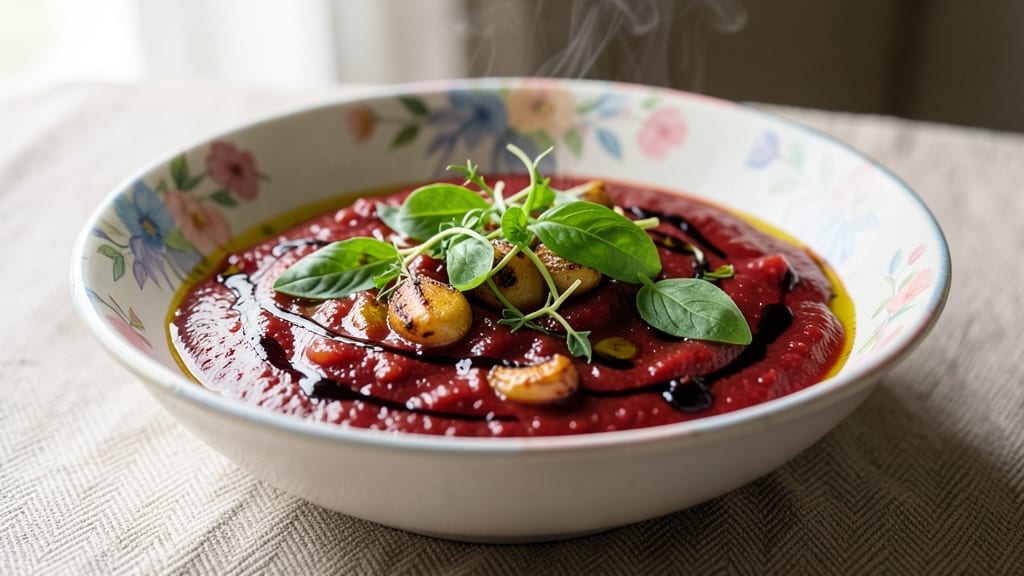
This all-day pasta sauce recipe transforms simple ingredients into a rich, layered sauce that deepens in flavor the longer it simmers—no burnt bottoms or rushed results.
The secret lies in a slow cook, where tomatoes caramelize and herbs meld into a velvety consistency that clings perfectly to every strand of pasta.
I developed this after years of testing sauces that either fell apart or stuck stubbornly to the pot, and this method guarantees both depth and ease.
The foundation is a balance of crushed tomatoes, garlic, and aromatic herbs that cook low and slow, allowing natural sugars to concentrate without burning. A splash of red wine adds brightness, while a touch of cream at the end creates that signature restaurant-quality silkiness.
The sauce thickens naturally as it simmers, eliminating the need for excessive stirring or thinning—just let it work its magic while you handle other parts of your meal.
What you’ll end up with is a sauce that’s complex, balanced, and versatile—perfect for tossing with fresh pasta or using as a base for hearty dishes. The flavors evolve beautifully over time, making it ideal for meal prep or feeding a crowd.
Store it in the fridge for up to 5 days or freeze for months, ensuring you always have a foolproof, restaurant-worthy sauce at your fingertips.
Whether you’re prepping for the week or cooking for company, this sauce delivers effortless depth without the fuss. The slow-simmered technique ensures no burnt edges or thin spots—just pure, uncomplicated richness that turns ordinary pasta into a standout dish. Let’s get started.
Ingredients for all day pasta sauce
Nine simple ingredients that build layers of flavor over hours of gentle simmering.
| Ingredient | Amount | Notes |
|---|---|---|
| Crushed Tomatoes (400ml Can) 🍅 | 1 can | San Marzano preferred for sweetness |
| Garlic Cloves 🧄 | 4 cloves | Minced for even distribution |
| Extra-Virgin Olive Oil 🫒 | ½ cup | High-quality, fruity variety |
| Dry Red Wine 🍷 | ½ cup | Bold Cabernet or Merlot |
| Fresh Basil Leaves 🌿 | ½ cup | Packed, stems removed |
| Fresh Oregano Leaves 🌿 | ¼ cup | Or dried oregano at 1/4 tsp |
| Heavy Cream 🥛 | ¼ cup | Full-fat for richness |
| Tomato Paste 🍅 | 2 tbsp | Squeeze tube preferred |
| Diamond Crystal Kosher Salt 🧂 | 1 ½ tsp | Adjust to taste |
| Freshly Ground Black Pepper 🌶️ | ½ tsp | Freshly cracked |
The tomatoes are the heart of this sauce—San Marzano if you can find it, but any good-quality crushed tomatoes work. I grab mine from Trader Joe's when they're on sale, but the store brand at Whole Foods is solid too. Look for cans with no added salt if you're sensitive to sodium. The garlic? Freshly minced is non-negotiable here—jarred garlic just won't cut it. For the olive oil, Californian extra-virgin brands like Corto or Meadow Creek add that fruity depth that cheap oils miss.
No red wine? Substitute with extra tomato paste plus a splash of balsamic vinegar—it'll still develop that rich, caramelized flavor. Fresh basil is ideal, but dried oregano works in a pinch if you're short on herbs. The heavy cream at the end is what gives it that velvety texture—don't skimp on the full-fat version—but if you're avoiding dairy, coconut cream works surprisingly well. For the tomato paste, those little squeeze tubes from Trader Joe's are perfect—they're mess-free and keep for months in the pantry.
This sauce gets better with time—3-4 days in the fridge is ideal if you can wait. For freezing, portion into ice cube trays first, then transfer to a bag—perfect for meal prep. The wine and cream flavors mellow beautifully over time, so don't rush it. If you're prepping for a crowd, double the batch—it reheats like a dream and tastes even richer the next day. Store any leftovers in an airtight container with a layer of olive oil on top to preserve that fresh basil flavor.
Why You'll Love This Recipe
- No-Fuss Simmer: I swear by this sauce because it’s literally dump-and-simmer. One pot, five ingredients, and zero chopping (unless you want to get fancy with the basil). The crushed tomatoes and wine do all the heavy lifting while I sip my coffee and pretend I’m not cooking.
- Wine-Infused Depth: That splash of dry red wine? It’s the secret weapon—cuts through the acidity of the tomatoes and adds this rich, layered taste that’s way more interesting than plain marinara. Honestly, I’ll take this over store-bought any day.
- Meal Prep MVP: Make a double batch on Sunday, and you’ve got lunch and dinner covered for the week. It only gets better with time, so the longer it sits, the deeper the flavors. (Yes, even on a Tuesday night, when takeout feels like a chore.)
- Budget-Friendly Luxury: Four euros for a can of tomatoes, a bulb of garlic, and a bottle of wine? This sauce feels like a restaurant dish without the price tag. Plus, leftovers freeze like a dream—because nothing says “I care” like a well-stocked freezer.
Step-by-step instructions for slow-simmered pasta sauce
This sauce builds depth over time—no burnt bottoms, just rich, velvety perfection.
Bloom the Tomato Paste and Garlic
Heat the 0.5 cup extra-virgin olive oil in a heavy-bottomed saucepan over medium-low heat. Add the 2 tablespoons tomato paste and stir constantly for 3-4 minutes until it darkens slightly and releases its deep, caramelized flavor. This step is crucial—it forms the sauce's foundation.
Next, add the 4 cloves minced garlic and cook for another 1-2 minutes until fragrant but not browned. Garlic burns quickly, so keep an eye on it. The oil should shimmer gently—this indicates the right temperature for even cooking without scorching.
Deglaze with Wine and Add Crushed Tomatoes
Pour in the 0.5 cup dry red wine and scrape up any browned bits from the bottom of the pan with a wooden spoon. This deglazing step captures all the concentrated flavors you've built so far. Let it simmer for 2-3 minutes until the wine reduces by half and its alcohol burns off.
Add the 1 can crushed tomatoes and 1.5 teaspoons kosher salt. Stir well to combine, then bring the mixture to a gentle simmer. The sauce should bubble softly—this indicates even heat distribution without scorching. If it boils vigorously, reduce the heat slightly.
Simmer Low and Slow for Deep Flavor
Partially cover the saucepan and let the mixture simmer gently for 45-60 minutes. This long, slow cook time allows the flavors to meld and develop complexity. Stir occasionally, especially if the sauce starts to thicken unevenly. The goal is a velvety consistency with no lumps.
After 30 minutes, add the 0.5 cup fresh basil leaves and 0.25 cup fresh oregano leaves. The herbs will infuse their bright, aromatic qualities into the sauce. Taste and adjust seasoning with additional salt or the 0.5 teaspoon freshly ground black pepper if needed.
Finish with Cream for Richness
Once the sauce has simmered for 45 minutes, reduce the heat to low and stir in the 0.25 cup heavy cream. The cream will add a luxurious, velvety texture while balancing the acidity of the tomatoes. Simmer for another 5-10 minutes until the sauce reaches your desired consistency.
For a smoother sauce, use an immersion blender to blend briefly. If you prefer texture, leave it slightly chunky. The sauce should coat the back of a spoon but still be pourable. Remove from heat and let it rest for 10 minutes before serving—this allows the flavors to fully integrate.
Pro Tips For Making All Day Pasta Sauce
- Sweat the Garlic Slowly: I used to rush this and end up with bitter, burnt garlic—now I cook it on medium-low for 5-6 minutes, stirring often, until it’s golden but not crispy. The crushed tomatoes will mellow out the flavor, but you still want that sweet, nutty aroma, not charred bits.
- Deglaze with Wine First: Pour in the dry red wine as soon as you remove the garlic—let it bubble for 2-3 minutes before adding tomatoes. This extracts more flavor from the pan and prevents the wine from turning the sauce into a thin, boozy broth.
- Skip the Boil: After adding crushed tomatoes, simmer on the lowest heat that keeps tiny bubbles breaking the surface. Boiling turns the sauce cloudy and dulls the tomato flavor—this sauce is meant to simmer quietly for hours, not race to a boil.
- Add Basil Late: Toss in fresh basil leaves only in the last 10 minutes or when serving—it wilts fast and loses its bright, peppery kick. If you’re prepping ahead, store the basil separately and stir it in right before eating.
Perfect pairings for this all day pasta sauce
Classic Pairings
This sauce shines with fresh egg noodles or bucatini—their hearty texture holds up beautifully to the velvety sauce. I always toss in a handful of grilled chicken breast or crispy pancetta for added protein.
The sauce's richness also pairs perfectly with creamy ricotta-stuffed shells or garlic bread to soak up any leftovers. 🍝
Wine Pairings
A Chianti Classico from Tuscany is my go-to—its bright acidity and cherry notes complement the sauce's depth. For something lighter, a Pinot Noir from Oregon brings earthy undertones that balance the creaminess.
Avoid heavy reds like Cabernet Sauvignon, as they can overpower the delicate herbs. A crisp Italian white like Vermentino works surprisingly well too.
Unexpected Pairings
This sauce works surprisingly well with grilled steak—the wine notes in the sauce cut through the richness of a ribeye. I also love using it as a dipping sauce for garlic knots or crispy arancini.
For a vegetarian twist, toss it with sautéed mushrooms and spinach for a hearty pasta dish. The creaminess also makes it a great base for creamy risotto if you're feeling adventurous.
Cheese Pairings
Finish your dish with freshly grated Parmigiano-Reggiano—its nutty depth elevates the sauce's flavors. For a smoky twist, add crumbled feta or pecorino to contrast the creaminess. If you're feeling fancy, a sprinkle of truffle shavings adds an earthy luxury. Avoid pre-shredded cheese—it's too salty and lacks freshness.
Beverage Pairings
A sparkling water with lemon cuts through the richness after a heavy pasta meal. For something stronger, a negroni or Aperol spritz complements the wine notes in the sauce.
If you prefer beer, a light Italian lager like Peroni keeps the meal refreshing. Avoid heavy, malty beers—they can clash with the sauce's delicate herbs. 🍷
Nutrition facts
Frequently asked questions
Can I make this sauce in a slow cooker?
Transfer all ingredients to your slow cooker and cook on low for 4-5 hours or high for 2-3 hours. The long cook time enhances the flavors even more. Just stir in the cream during the last 30 minutes of cooking to prevent curdling. The sauce will thicken beautifully on its own—no need to add cornstarch!
How do I prevent the sauce from getting too thin?
Simmering uncovered for the last 10-15 minutes helps reduce excess liquid naturally. If it's still too thin, remove from heat and let it rest for 10 minutes—it often thickens as it cools. For a quick fix, mix 1 tablespoon tomato paste with 1 teaspoon water and stir in, but avoid using flour or cornstarch as they can make the sauce taste artificial.
Can I use this sauce for other dishes besides pasta?
This versatile sauce works beautifully as a dipping sauce for breadsticks, grilled chicken wings, or crispy calzones. It also makes a fantastic base for creamy risotto or stuffed peppers. The wine and herbs add depth that elevates any dish beyond basic tomato sauce. Just adjust seasoning slightly if using for non-pasta applications.
What's the best way to reheat leftovers?
Gently reheat in a saucepan over low heat for 5-7 minutes, stirring occasionally. Avoid high heat to prevent separation. For microwave reheating, use 30-second intervals on low power, stirring between each. Add a splash of water or pasta water if the sauce thickens too much. The cream may separate slightly—just stir vigorously to re-emulsify.
Can I make this sauce without wine?
Yes! Replace the wine with 0.5 cup tomato juice plus 1 teaspoon balsamic vinegar for acidity. Alternatively, use 0.5 cup extra crushed tomatoes and add 1/4 teaspoon red wine vinegar to maintain balance. The flavor will still develop beautifully—just expect slightly less depth in the wine notes. The sauce will still be rich and flavorful!