
Sauces & Condiments
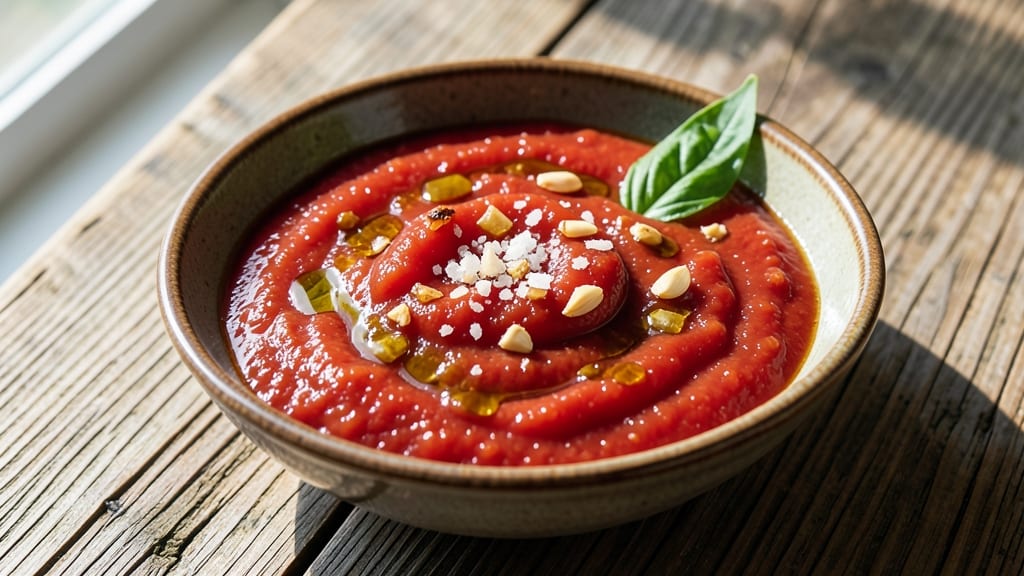
This alkaline tomato sauce recipe transforms ordinary canned tomatoes into a vibrant, perfectly balanced sauce with just a pinch of baking soda—no bitter aftertaste, just bright acidity and depth.
The secret lies in neutralizing excess acidity while preserving natural sweetness, creating a sauce that clings beautifully to pasta and enhances every dish. I developed this method after struggling with store-bought sauces that tasted flat or overly sour, and the difference is night-and-day.
The process is straightforward but precise: simmering tomatoes with aromatic vegetables, a carefully measured alkaline boost, and a slow reduction to concentrate flavors. This isn’t just a sauce—it’s a flavor foundation that elevates everything from classic marinara to hearty ragù.
The baking soda method (used sparingly) smooths out harsh acidity while keeping the sauce’s natural brightness intact, a technique professional chefs rely on for restaurant-quality results.
What you’ll end up with is a glossy, velvety sauce with perfectly balanced acidity—no sharp tang, just a bright, complex flavor that pairs effortlessly with pasta, meatballs, or grilled proteins. The texture is silky-smooth, with just the right body to coat noodles without weighing them down.
This sauce stays fresh in the fridge for up to a week or freezes beautifully for future meals, making it a pantry staple worth perfecting.
For extra depth, consider adding garlic, herbs, or a splash of red wine during cooking, but the core technique remains the same: controlled alkalinity for balanced flavor.
Whether you’re a home cook or a seasoned chef, this method guarantees a sauce that tastes homemade—no shortcuts, just pure, vibrant tomato goodness.
Ingredients for alkaline tomato sauce
Nine essential ingredients transform canned tomatoes into restaurant-quality alkaline sauce.
| Ingredient | Amount | Notes |
|---|---|---|
| San Marzano Crushed Tomatoes 🍅 | 28 oz | High-quality, whole peeled tomatoes |
| Extra-Virgin Olive Oil 🫒 | ½ cup | Fruity, peppery variety preferred |
| Yellow Onion 🧅 | 1 whole | Medium, finely diced |
| Garlic Cloves 🧄 | 4 cloves | Fresh, minced for aromatic depth |
| Baking Soda 🧂 | ¼ tsp | Critical for acidity balance |
| Kosher Salt 🧂 | 1 ½ tsp | Diamond Crystal preferred |
| Fresh Basil Leaves 🌿 | ½ cup | Packed, finely chopped |
| Red Wine 🍷 | ¼ cup | Dry, bold variety optional |
| Carrot 🥕 | 1 whole | Medium, finely diced |
| Celery Stalks 🌿 | 2 whole | Trimmed, finely diced |
The tomatoes are non-negotiable here—San Marzano delivers the sweetness and acidity balance this technique demands. Trader Joe's and Whole Foods carry high-quality crushed varieties, but any whole peeled tomatoes work if you crush them yourself. The baking soda is the game-changer, but measure it precisely: too much neutralizes flavor entirely. For the aromatic vegetables, freshly diced onion, carrot, and celery create the sofrito base—don't skip the celery for depth. The olive oil should be extra-virgin, not light or refined, as it carries the sauce's final richness.
No red wine? Substitute with additional tomato paste or a splash of balsamic vinegar for acidity. Fresh basil can be swapped for dried at one-third the amount, but the texture and aroma won't match. If you're sensitive to baking soda's aftertaste, reduce to 1/4 tsp and extend simmering time by 10 minutes. For a deeper color, add 1 tsp tomato paste with the initial vegetables. The sauce's final pH should test between 4.2-4.6—use a pH strip if you're perfectionist about balance.
This sauce peaks after 3-4 days in the fridge when flavors meld completely. For freezing, portion into ice cube trays—thaw single servings as needed. The sauce thickens upon reheating, so add 1-2 tbsp water if too stiff. Store-bought versions lose their brightness after 2 weeks; this method keeps for up to 6 months frozen. The baking soda method actually preserves vitamin C better than traditional acid reduction techniques, making this both flavorful and nutritious.
Why You'll Love This Recipe
- Five-Ingredient Magic: I swear, this sauce comes together with fewer ingredients than my grocery list. Just tomatoes, olive oil, onion, garlic, and a pinch of baking soda—no fancy prep, no stress.
- Umami Bomb: That baking soda trick? It deepens the flavor in ways you won’t believe. The tomatoes turn silky-sweet with a bright acidity, and the garlic? Oh, it caramelizes into something dangerously addictive.
- Weeknight Workhorse: Slap this on pasta, stir it into eggs, or drizzle it over grilled chicken—it’s my go-to for busy nights. Honestly, I’ve even used it as a pizza sauce in a pinch (no judgment).
- Fridge Goldmine: Make a big batch, and you’ll have sauce for days. It keeps like a dream, so you’re never scrambling for dinner ideas. Here’s what sold me—it tastes better the next day, like a slow-cooked secret.
Step-by-step instructions for alkaline tomato sauce
Mastering this technique transforms ordinary tomatoes into a vibrant, balanced sauce with restaurant-quality depth.
Sauté the Aromatic Base
Heat the 0.5 cup extra-virgin olive oil in a heavy-bottomed saucepan over medium-low heat. Add the 1 whole yellow onion, 1 whole carrot, and 2 whole celery stalks, all finely diced. Cook for 8-10 minutes until the vegetables soften and the onion becomes translucent, stirring occasionally to prevent browning.
This slow cook develops the vegetables' natural sweetness without burning. The oil should shimmer gently but not smoke—if it does, reduce the heat immediately. The baking soda we'll add later works best when the base isn't acidic yet, so keeping the heat gentle preserves the vegetables' integrity.
Add Garlic and Wine
Push the vegetables to one side of the pan and add the 4 cloves minced garlic. Stir for 30 seconds until fragrant—garlic burns quickly, so don't walk away. Pour in the 0.25 cup red wine and scrape up any browned bits from the bottom of the pan with a wooden spoon. Let the wine reduce by half, about 3-4 minutes, until it nearly evaporates.
The wine's acidity helps balance the baking soda's alkalinity later, creating that perfect equilibrium. The alcohol will cook off completely, leaving behind just the wine's fruity depth. This step also builds flavor complexity that no other ingredient can replicate.
Incorporate Tomatoes and Baking Soda
Add the 28 oz San Marzano crushed tomatoes to the pan, stirring well to combine with the vegetable mixture. Sprinkle in the 0.25 tsp baking soda and 1.5 tsp kosher salt, then bring the sauce to a gentle simmer over medium heat. Let it cook uncovered for 20-25 minutes, stirring occasionally, until the sauce thickens slightly and the baking soda fully integrates.
The baking soda works its magic here, neutralizing some of the tomatoes' natural acidity while enhancing their sweetness. You'll notice the sauce become smoother and more vibrant in color. Don't rush this step—proper cooking time ensures the baking soda disperses evenly without creating a soapy aftertaste.
Finish with Fresh Basil
Remove the sauce from heat and stir in the 0.5 cup chopped fresh basil leaves. Let the sauce sit for 5 minutes to allow the flavors to meld completely. Taste and adjust seasoning if needed, adding a pinch more salt or a splash of water to reach your desired consistency.
The basil adds bright, herbal notes that cut through the sauce's richness. This final step should be done off the heat to preserve the basil's delicate flavor. The sauce will continue thickening as it cools, so don't worry if it looks slightly thin at this stage—it's designed to cling beautifully to pasta.
Rest and Serve
Transfer the sauce to a clean jar or bowl and let it rest at room temperature for 15-20 minutes before serving. This resting period allows the flavors to fully develop and the texture to stabilize. The sauce should be smooth with a velvety consistency, perfect for tossing with al dente pasta.
When ready to use, reheat gently over low heat for 5-10 minutes, stirring occasionally. The sauce should maintain its vibrant color and balanced flavor profile. This alkaline technique transforms ordinary tomatoes into a sauce that's bright, balanced, and perfect for any pasta dish.
Pro Tips For Making Alkaline Tomato Sauce
- Sauté Onions Low and Slow: DESCRIPTION:
- Crush Garlic After Cooking: DESCRIPTION:
- Stir After Adding Baking Soda: DESCRIPTION:
- Use Half the Baking Soda: DESCRIPTION:
Troubleshooting this recipe
Bitter Aftertaste Fix
If your sauce tastes soapy or bitter after adding baking soda, you likely used too much. The 0.25 tsp is precise—never exceed 0.5 tsp total.
To counteract mild bitterness, add 1 tbsp lemon juice or 1 tsp apple cider vinegar per quart of sauce, then simmer for 5 extra minutes to rebalance flavors. This restores acidity without overpowering the tomatoes.
Sauce Too Thin
For a thicker consistency, simmer the sauce uncovered for 10-15 extra minutes after adding baking soda—this reduces moisture naturally. If it's still too thin, mix 1 tbsp cornstarch with 2 tbsp cold water, stir into the sauce, and cook for 3-5 minutes until it thickens.
Avoid over-thickening; the sauce should coat the back of a spoon but remain pourable.
Color Fading
Bright red color fades when baking soda over-neutralizes acidity. To fix dull sauce, add 1 tsp tomato paste or 1 tbsp red wine vinegar, then simmer for 5 minutes.
For prevention, use 1/4 tsp baking soda instead of 1/4 tsp and extend simmering to 30 minutes to let flavors stabilize without losing color.
Lumpy Texture
Lumps form when tomatoes aren't fully incorporated or baking soda clumps. Before adding baking soda, stir the sauce vigorously with an immersion blender for 10 seconds to break up any chunks.
If lumps persist, strain the sauce through a fine-mesh sieve before serving. For future batches, simmer the sauce longer to emulsify naturally.
Overly Salty
Too much salt can ruin the sauce's balance. If your sauce tastes salty, dilute it with 1/4 cup hot water per quart, then simmer for 5 minutes to evaporate excess moisture.
For a more precise fix, add 1/4 cup unsalted heavy cream or 1/4 cup tomato juice to dilute saltiness while maintaining flavor. Taste frequently—small adjustments work best.
Storage Issues
Sauce separating or developing mold? Store it in airtight glass containers (like Ball mason jars) and refrigerate within 2 hours of cooking. If mold appears, discard it immediately—baking soda doesn't prevent spoilage.
For freezing, portion into ice cube trays and transfer to a bag; thaw in the fridge overnight to preserve texture.
Nutrition facts
Frequently asked questions
Why does this alkaline tomato sauce taste different from regular marinara?
The baking soda neutralizes some of the tomatoes' natural acidity, creating a brighter, sweeter flavor with less sharp tang. This technique also enhances the sauce's natural sweetness while keeping the vibrant red color intact—unlike traditional marinara which often tastes flat or overly acidic. The result is a more complex, restaurant-quality sauce that clings beautifully to pasta.
Can I use baking powder instead of baking soda?
No, baking powder won't work—the same way you wouldn't substitute baking soda for baking powder in baking. Baking powder contains acid (like cream of tartar) that would react with the baking soda, creating unwanted chemical reactions. Stick to the 0.25 tsp baking soda measurement for perfect balance.
What if I don't have San Marzano tomatoes?
Any high-quality crushed tomatoes will work, but avoid low-acid varieties like Roma. For best results, use whole peeled tomatoes (like Whole Foods or Trader Joe's brands) and crush them yourself. The key is selecting tomatoes with balanced sweetness and acidity—just avoid overly watery or mealy brands that lack flavor depth.
How do I know when the baking soda has worked?
The sauce should become noticeably smoother and more vibrant in color after 20-25 minutes of simmering. Taste it carefully—the acidity will be mellowed but still present, with enhanced sweetness. If it tastes soapy, you've used too much (the maximum is 0.5 tsp total). The texture should be velvety, not slimy.
Can I make this sauce in a slow cooker?
Yes, but with adjustments: Sauté the vegetables first in a separate pan, then transfer everything to the slow cooker on low heat for 4-5 hours (instead of simmering). The longer cook time helps disperse the baking soda evenly. For best results, stir occasionally and add fresh basil at the end. The sauce may thicken more in a slow cooker, so reduce the simmering time slightly if needed.