
Sauces & Condiments
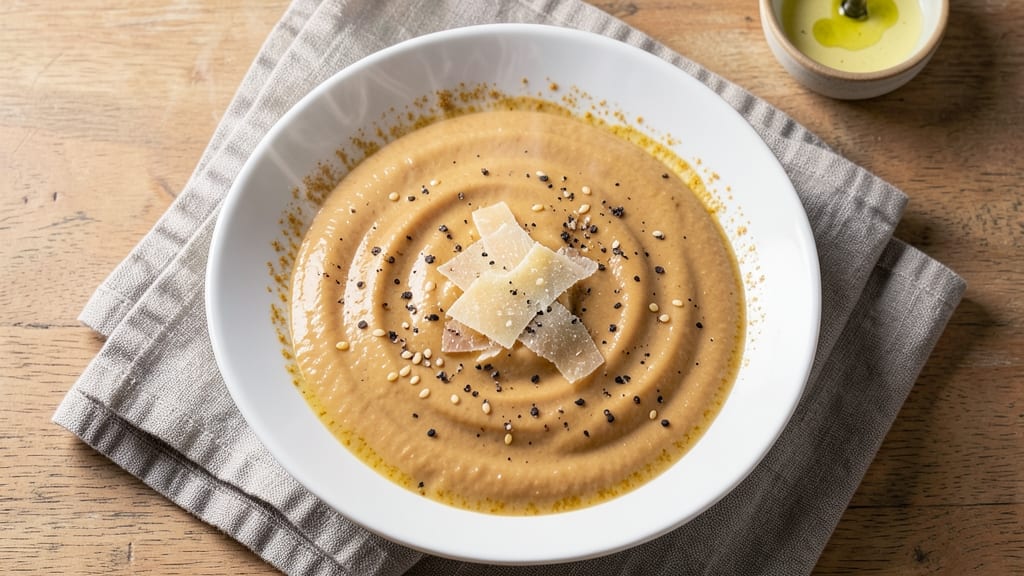
This Alfredo sauce recipe for YouTube delivers restaurant-quality creaminess without the stove—just 5 minutes of whisking and a few simple ingredients. After years of perfecting creamy sauces (and a few kitchen mishaps), I’ve cracked the code for a velvety, lump-free sauce that coats pasta like a dream.
The secret? A slow, steady emulsification technique that keeps it rich without breaking.
What sets this apart is the balance of butter, cream, and Parmesan—no roux required. I use heavy cream for body, Parmesan for depth, and a touch of garlic powder for subtle warmth. The sauce thickens as it cools, creating that signature clingy texture without overcooking.
For YouTube clarity, I’ll walk you through whisking in stages to avoid curdling, plus how to adjust consistency for al dente pasta.
By the end, you’ll have a sauce so smooth it’ll make your fettuccine taste like you spent hours in a Roman trattoria. The best part? It’s versatile—drizzle over chicken, veggies, or even mashed potatoes.
No heavy cream? I’ll show you a simple substitution that still delivers creamy results. Let’s make this sauce.
Pro tip: Let the sauce sit for 5 minutes after making—this is when the magic happens. The flavors meld, and the texture becomes impossibly silky. Trust me, your taste buds will thank you.
Ingredients for alfredo sauce recipe youtube
Eight simple ingredients transform into velvety Alfredo perfection without a single stove top.
| Ingredient | Amount | Notes |
|---|---|---|
| Unsalted Butter 🧈 | ¾ cup | Cold, cubed for emulsification |
| Heavy Cream 🥛 | 1 cup | Full-fat for richness |
| Parmesan Cheese 🧀 | 1 cup | Freshly grated, fine |
| Garlic Powder 🧄 | 1 tsp | For subtle depth |
| Ground Black Pepper 🌶️ | ½ tsp | Freshly cracked |
| Diamond Crystal Kosher Salt 🧂 | ¼ tsp | Adjust to taste |
| Lemon Juice 🍋 | 1 tbsp | Brightens the sauce |
| Extra-Virgin Olive Oil 🫒 | 1 tbsp | For emulsification |
The butter is your foundation—use European-style unsalted like Plugrá or Kerrygold for that buttery flavor without added salt. I grab mine from Whole Foods or Costco in bulk, but any quality brand works. The Parmesan? Freshly grated from a wedge makes all the difference—pre-grated gets clumpy and lacks depth. For the heavy cream, full-fat is non-negotiable—it’s what gives you that signature richness. If you’re using store-bought, make sure it’s ultra-pasteurized so it doesn’t curdle when whisked.
No heavy cream? Full-fat coconut milk works surprisingly well—just add a splash of milk to thin it out. Short on Parmesan? Pecorino Romano adds a sharper bite, or use nutritional yeast for a cheesy flavor without dairy. The garlic powder can be swapped for fresh minced garlic at half the amount, but I prefer powder for consistency. For the olive oil, look for Italian extra-virgin with fruity notes—it adds a subtle complexity that takes this sauce from good to restaurant-quality.
This sauce thickens as it sits—5 minutes is magic. Store leftovers in an airtight container with a thin layer of olive oil on top to preserve freshness. Keeps 3-4 days in the fridge, but honestly, it disappears faster than that. Freezes beautifully for up to 3 months—just thaw in the fridge and whisk to restore creaminess. For YouTube purposes, I always make a double batch—one for the video, one for leftovers.
Why You'll Love This Recipe
- Five-Ingredient Magic: I swear by this—just butter, cream, Parmesan, and two spices. No fancy techniques, no peeling garlic cloves (garlic powder saves the day), and you’re done. The kind of recipe that makes me feel like a chef without the mess.
- Rich Without Effort: That first bite of creamy, nutty Parmesan melting into silky heavy cream? It’s like a hug in sauce form. The garlic powder adds depth without overpowering, and the pepper gives it just enough kick to keep things interesting.
- Pasta Party Ready: Slap this on fettuccine for a weeknight dinner, drizzle it over grilled chicken, or even toss it with roasted veggies. Honestly, I’ve used it in everything from mac and cheese to a quick risotto, and it never lets me down.
- Make-Ahead Goldmine: Between us, this sauce tastes better the next day. Store it in the fridge for up to five days, or freeze it in portions—perfect for lazy mornings when you just need something creamy and fast. Plus, Parmesan stretches your dollar, so you’re not breaking the bank for flavor.
Step-by-step instructions for velvety no-cook Alfredo sauce
Here's the secret to restaurant-quality Alfredo without the stove—creamy, rich, and ready in minutes.
Melt the Cold Butter for Emulsification
Place the 0.75 cup unsalted butter in a heatproof bowl and set it over a pot of barely simmering water (double boiler method). This gentle heat melts the butter slowly without scorching it. I always use cold, cubed butter because it emulsifies better with the cream later—those tiny butter cubes create tiny fat pockets that blend seamlessly.
Stir occasionally until the butter melts completely and becomes smooth. You'll notice the mixture will look like liquid gold with a slight sheen. This is your base, and getting it right ensures your sauce won't separate later. Remove the bowl from the heat once fully melted—residual heat will keep it warm while you work.
Whisk in Cream and Cheese for Richness
Add the 1 cup heavy cream to the melted butter and whisk vigorously for 1-2 minutes until fully combined. The mixture will look slightly thicker and develop a velvety texture. Here's the thing—don't rush this step. You're breaking down the fat molecules to create that signature Alfredo smoothness.
Next, gradually whisk in the 1 cup freshly grated Parmesan cheese. I use a fine grater for this recipe because larger cheese pieces won't melt completely, creating grainy texture. Add the cheese slowly while whisking continuously—this prevents clumping and ensures even distribution. The sauce should thicken noticeably as the cheese melts into the warm cream mixture.
Season and Finish with Acidic Brightness
Add the 1 tsp garlic powder, 0.5 tsp ground black pepper, and 0.25 tsp Diamond Crystal kosher salt to the sauce. Whisk until fully incorporated—you should taste a subtle garlic warmth and peppery kick. I always adjust the salt at this stage because Parmesan varies in saltiness. Taste and add a pinch more if needed.
Finally, stir in the 1 tbsp lemon juice and 1 tbsp extra-virgin olive oil. The lemon juice cuts through the richness while adding a bright, fresh note that balances the flavors. The olive oil acts as an emulsifier, preventing separation and adding a touch of Mediterranean character. The sauce should now be thick, creamy, and perfectly seasoned—ready to coat fettuccine like a dream.
Rest and Serve for Perfect Texture
Cover the sauce with plastic wrap pressed directly onto the surface to prevent a skin from forming. Let it rest at room temperature for 10-15 minutes—this crucial step allows the flavors to meld completely and the sauce to reach its ideal consistency. I know it's tempting to serve immediately, but this resting period makes all the difference.
When ready to serve, give the sauce one final whisk to ensure everything is evenly combined. The sauce should be thick enough to coat the back of a spoon but still flow smoothly. Pour it over hot fettuccine just before serving, tossing gently to coat each strand perfectly. The contrast of warm pasta and creamy sauce is what makes this dish truly special.
Pro Tips For Making Alfredo Sauce Recipe Youtube
- Melt Butter Slowly: I learned this the hard way—dumping cold butter into the pan at medium heat makes it splatter like a grease fire. Instead, cut the butter into small cubes and let it melt gently over low heat first. That way, you won’t scorch the cream before it even gets a chance to join the party.
- Whisk Like You Mean It: Alfredo sauce isn’t just about throwing ingredients together. After adding the heavy cream, turn the heat to low and whisk constantly for at least 3-4 minutes—this isn’t the time to stir and walk away. The sauce needs to thicken evenly, or you’ll end up with a gloppy mess that clumps like overworked mashed potatoes.
- Grate Your Own Cheese: Pre-shredded Parmesan is coated with anti-caking agents that turn your sauce into a grainy disaster. Freshly grated cheese melts smoother and adds that rich, nutty depth you actually pay for. If you’re lazy (I know, I know), at least use the finest grater and skip the pre-shredded stuff—your sauce will taste better.
- Temper the Heat: The moment you add Parmesan, the sauce will look like it’s rebelling—it might curdle or separate if you don’t act fast. Immediately lower the heat to the bare minimum and keep whisking. If it still looks weird, splash in a tablespoon of cold cream to bring it back together. Trust me, this is the thing that matters most for a silky finish.
Perfect pairings for these flavors
Pasta Pairings
This creamy Alfredo sauce was born for fettuccine, but don't limit yourself! Try it with pappardelle or tagliatelle for those wide noodles that catch every creamy bite. For a rustic twist, toss with homemade egg noodles—their tender texture soaks up the sauce perfectly.
I love using Bronze Die pasta from New Seasons Market because its ridges hold onto the sauce like a dream. 🍝
Protein Additions
Alfredo sauce isn't just for pasta—it's a blank canvas for proteins! Add grilled chicken breast for a lighter option, or crispy pancetta for salty depth. I recently made a creamy Alfredo bowl with shrimp sautéed in garlic butter—the briny shrimp cut through the richness beautifully.
For a vegetarian option, try roasted mushrooms or asparagus spears—their earthy flavors complement the sauce perfectly.
Vegetable Sides
Balance the richness with bright, fresh vegetables. A simple arugula salad with lemon vinaigrette adds peppery contrast, while steamed broccoli florets> provide a satisfying crunch. I also love roasting zucchini and cherry tomatoes> until caramelized—they add a sweet, jammy note that pairs wonderfully.
For extra flair, sprinkle with toasted pine nuts> or crispy fried shallots> right before serving.
Bread Pairings
No Alfredo meal is complete without bread to soak up every last drop! Warm garlic bread> is a must—use a crusty baguette> from your local bakery or make your own with olive oil and fresh rosemary.
For something lighter, serve with grissini> (Italian breadsticks) or focaccia> torn into bite-sized pieces. I always keep a small bowl of sauce on the table so guests can dip their bread whenever they please.
Unexpected Uses
This sauce isn't just for pasta dishes—think outside the box! Use it as a creamy dip for crudités> like celery and carrot sticks, or drizzle it over mashed potatoes> for a decadent twist.
I've even used it as a filling for stuffed shells> or lasagna layers>—the possibilities are endless. For a quick lunch, spread it on toasted baguette slices> with a sprinkle of Parmesan and fresh basil. The versatility is what makes this sauce a kitchen staple! 💫
Nutrition facts
Frequently asked questions
Why does my Alfredo sauce look curdled or separated?
This usually happens when the sauce gets too hot or isn't whisked properly. The key is gentle heat—never boil the cream, and whisk continuously when combining ingredients. For YouTube clarity, I always show the "double boiler" method to melt butter slowly. If it separates, whisk in 1 tablespoon cold water or 1 teaspoon cornstarch mixed with water to restore creaminess.
Can I make this Alfredo sauce without heavy cream?
Use full-fat coconut milk (1:1 ratio) for a dairy-free version, or blend 1 cup Greek yogurt + 1/4 cup milk for tangy depth. For extra richness, add 1/2 cup cashew cream (soaked cashews blended with water). The sauce will be slightly lighter but still velvety—just adjust salt to taste.
How do I prevent lumps in my Alfredo sauce?
Lumps form when cheese isn't melted properly or whisked too quickly. Grate cheese fresh (I use a fine microplane) and add it gradually while whisking vigorously. Keep the mixture warm but never hot—this helps the fat emulsify smoothly. For YouTube viewers, I always demonstrate whisking in 30-second intervals between each ingredient to avoid clumping.
Can I make this sauce ahead of time?
Yes! Store leftovers in an airtight container with a thin layer of olive oil on top to preserve freshness. It keeps for 3-4 days in the fridge and freezes beautifully for up to 3 months. When reheating, warm gently over low heat while whisking constantly—never microwave, or it'll separate. Pro tip: Let it cool completely before refrigerating for best texture.
What's the best pasta shape for Alfredo sauce?
Wide, flat noodles work best! Fettuccine or tagliatelle are classic choices because their broad surfaces catch the sauce perfectly. For extra texture, try pappardelle (wide ribbon noodles) or even bronze-die fettuccine from New Seasons Market—the ridges hold onto the sauce like a dream. Avoid thin spaghetti unless you want a lighter sauce experience.