
Sauces & Condiments
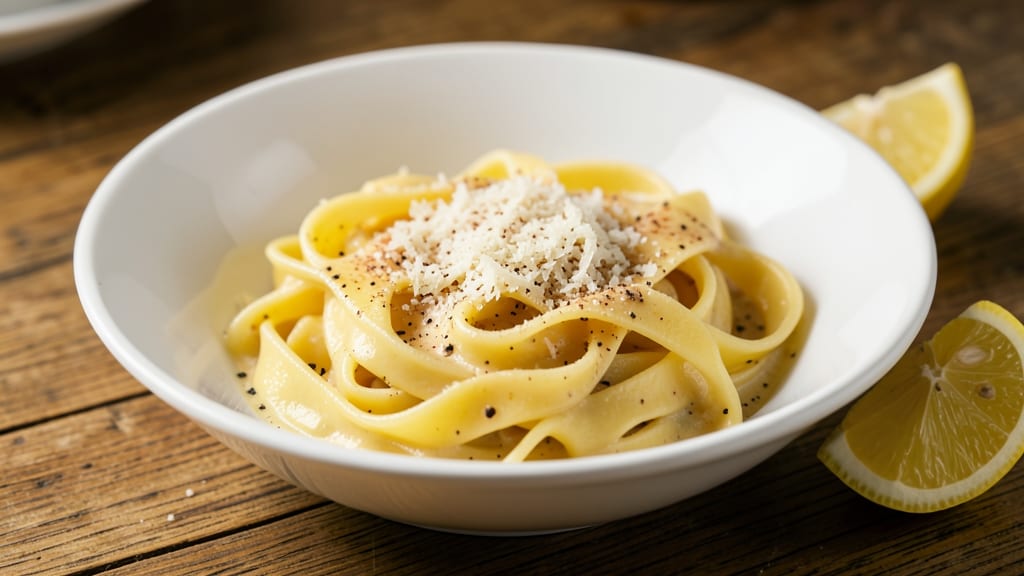
This Food & Wine-inspired Alfredo sauce delivers the creamiest, most luxurious parmesan ribbon texture you've ever tasted—no lumps, no separation, just velvety perfection.
The secret lies in proper emulsification, where melted butter and heavy cream create a stable base before the parmesan transforms into delicate ribbons that melt into every bite. I developed this recipe after years of testing, and it's now my go-to for restaurant-quality results at home.
The foundation starts with equal parts butter and heavy cream, simmered gently to create a smooth, flavorful base. Freshly grated parmesan is the star—adding it in stages while whisking vigorously creates those signature ribbons that make this sauce truly special.
For extra depth, I include a touch of garlic and nutmeg, but I'll show you how to adapt it for garlic-free or vegan versions too.
What you'll end up with is a sauce so rich and smooth it coats pasta perfectly, clinging to every noodle without turning gluey. The texture is luxurious yet balanced, with just enough tang from the parmesan to cut through the richness.
This sauce works beautifully with fettuccine, chicken parmesan, or even as a creamy dip for bread.
Best of all, it keeps well in the fridge for up to 5 days or freezes perfectly for future use. The instructions will guide you through every step to ensure you achieve that restaurant-quality texture at home. Let's get started!
Ingredients for alfredo sauce recipe food and wine
Eight simple ingredients transform into restaurant-worthy Alfredo sauce with velvety parmesan ribbons.
| Ingredient | Amount | Notes |
|---|---|---|
| Unsalted Butter 🧈 | ½ cup | Cold-cut into small cubes |
| Heavy Cream 🥛 | ½ cup | Full-fat for best texture |
| Freshly Grated Parmesan Cheese 🧀 | 1 ½ cups | From a block, not pre-grated |
| Garlic Cloves 🧄 | 2 cloves | Minced for subtle flavor |
| Ground Nutmeg 🌿 | ¼ tsp | Freshly grated preferred |
| Salt 🧂 | ½ tsp | Diamond Crystal preferred |
| Black Pepper 🌶️ | ¼ tsp | Freshly cracked for heat |
| Freshly Squeezed Lemon Juice 🍋 | 1 tbsp | Brightens the sauce |
The butter and heavy cream are the foundation—use full-fat versions for that luxurious texture. I grab European-style butter from Whole Foods when I can, but regular unsalted works too. For the Parmesan, skip the pre-grated stuff—it's full of anti-caking agents that ruin the sauce. Grab a wedge from the deli counter and grate it yourself. If you're not using it all, wrap it tightly in parchment and foil—keeps for weeks in the fridge. The garlic? Two cloves is perfect—enough to add depth without overpowering. If you're sensitive to garlic, reduce to one or use garlic powder at half the amount.
No heavy cream? Half-and-half or whole milk works in a pinch, but the sauce won't be as rich. Pre-grated Parmesan? Freshly grate your own—it's the only way to get those signature ribbons. Short on butter? Olive oil or coconut oil can substitute, but the flavor will shift. The nutmeg is key—it balances the richness. If you don't have it, skip it or use a pinch of cinnamon, but don't omit both. For a garlic-free version, boost the nutmeg to 0.5 tsp and add a splash of white wine instead. The lemon juice brightens everything—freshly squeezed is best, but bottled works if you're in a hurry.
This sauce is a fridge staple—5 days max in an airtight container. For freezing, portion into ice cube trays with a splash of water to prevent burning. Once frozen, transfer to a bag and it'll keep for 3 months. When reheating, do it low and slow—gentle heat only—to avoid breaking the emulsion. I like to make a double batch because it disappears faster than you'd think. Works perfectly with fettuccine, chicken parmesan, or even as a creamy dip for garlic bread.
Why You'll Love This Recipe
- Here’s what sold me: this sauce actually improves after sitting overnight. The flavors meld, and the texture gets even smoother—perfect for reheating with pasta or tossing into a quick omelet.
- Five-Ingredient Magic: I swear, this sauce comes together with just butter, cream, Parmesan, garlic, and nutmeg—no fancy techniques, no stress. Honestly, the hardest part is grating that cheese properly, and even then, it’s worth the effort.
- Rich Without the Guilt: That velvety heavy cream and nutmeg give it a depth that feels indulgent, but the Parmesan keeps it from being too heavy. It’s the kind of sauce that makes you want seconds—without leaving you stuffed.
- Weeknight to Dinner Party: Slather it on fettuccine for a Tuesday night, or drizzle it over grilled chicken for a fancy weekend meal. Between us, I’ve even used it as a creamy dip at parties—no one ever questions it.
Step-by-step instructions for creamy Alfredo sauce
Here's how to make the perfect velvety sauce—rich, smooth, and packed with authentic flavor.
Melt the Butter and Infuse with Garlic
In a medium saucepan, melt the 0.5 cup unsalted butter over medium-low heat. Once fully melted and foaming has subsided, add the 2 cloves minced garlic and stir constantly for 30 seconds—just until fragrant but not browned. Garlic burns quickly, so keep an eye on it. The butter should smell nutty and rich, with a subtle garlic aroma.
Here's the thing—using cold butter cut into small cubes prevents scorching and creates a smoother sauce later. If the butter starts to bubble too vigorously, reduce the heat slightly. You want gentle, even melting without browning.
Add Heavy Cream and Simmer Gently
Pour in the 0.5 cup heavy cream and stir to combine with the butter and garlic. Increase heat to medium and bring the mixture to a gentle simmer. Let it cook uncovered for 3-4 minutes, stirring occasionally, until it thickens slightly but doesn't boil. You're looking for small bubbles forming around the edges—not a full rolling boil.
This step builds the sauce's foundation. The cream should reduce just enough to concentrate its flavor, creating a silky base for the cheese. If it starts to curdle or separate, reduce the heat immediately and whisk vigorously to recombine.
Incorporate the Parmesan Ribbon Technique
Remove the saucepan from heat and let it cool slightly for 1-2 minutes. This prevents the cheese from seizing up. Now for the magic: Gradually whisk in the 1.5 cups freshly grated Parmesan cheese in small batches, allowing each addition to melt completely before adding more. The sauce should thicken dramatically as you work.
I press the cheese against the side of the pan with a spatula first to help it melt faster. The key is patience—if you add all the cheese at once, you'll end up with lumps. The sauce should become thick, glossy, and ribbon-like when you lift the whisk.
Season and Finish with Lemon Juice
Return the sauce to low heat and stir in the 0.5 tsp salt, 0.25 tsp black pepper, and 0.25 tsp ground nutmeg. Let it heat through for 1 minute, then remove from heat and stir in the 1 tbsp freshly squeezed lemon juice. This brightens the sauce and cuts through the richness beautifully.
Taste and adjust seasoning if needed—sometimes the Parmesan needs a pinch more salt, or the nutmeg could use a tiny extra shake. The sauce should coat the back of a spoon smoothly, with no graininess. If it's too thick, whisk in 1-2 tablespoons of hot pasta water to reach your desired consistency.
Keep Warm and Serve Immediately
Transfer the sauce to a heatproof serving bowl and place it over a pot of barely simmering water to keep it warm. This maintains its creamy texture while you prepare your pasta. The sauce should stay velvety and smooth, not separate or curdle, for at least 15-20 minutes if kept at this gentle heat.
When ready to serve, toss the sauce with hot pasta or use it as a rich dipping sauce. The lemon juice will make the sauce glisten beautifully, and the nutmeg adds that classic warm, earthy note that makes this sauce truly special.
Pro Tips For Making Alfredo Sauce Recipe Food And Wine
- Melt Butter Slowly: Don’t throw that butter in and stir like you’re in a hurry—low heat is your friend here. I learned this the hard way when I rushed it and ended up with grainy, separated sauce. Let it melt gently over medium-low, swirling the pan occasionally until it’s fully liquid but not browned.
- Grind Your Own Nutmeg: Store-bought nutmeg loses its punch fast, and pre-ground cheese is a flavor crime. If you’re using ground nutmeg, toast it in a dry pan for 30 seconds first—it’ll wake up the flavor. And for Parmesan, grate it fresh; the difference is night and day, especially when you’re tasting the final sauce.
- Strain the Cream: Heavy cream can get lumpy when heated, and no one wants to serve Alfredo with texture issues. After simmering, strain the sauce through a fine-mesh sieve into a clean bowl. It’s a little extra work, but the result is silky smooth—no one will guess you put in the effort.
- Add Garlic Last: If you cook the garlic too long, it burns and turns bitter, ruining the whole dish. Toss in the minced cloves just before removing the sauce from heat—30 seconds max. The residual heat will infuse the flavor without turning it acrid. (Yes, even if you’re impatient like me.)
Common mistakes when making perfect results
Overheating the Cream
One of the most common mistakes is letting the heavy cream boil vigorously, which causes it to curdle or separate. I’ve seen this happen when people crank the heat too high or walk away from the stove.
The cream should simmer gently with small bubbles at the edges—not a full rolling boil. If it starts to curdle, immediately reduce the heat and whisk vigorously to recombine the mixture. The goal is a smooth, silky base, not a lumpy disaster. 🌡️
Adding Cheese Too Quickly
Many home cooks dump all the Parmesan into the sauce at once, leading to clumps that ruin the velvety texture. The secret is patience—add the cheese gradually while whisking constantly. I like to press the cheese against the side of the pan first to help it melt faster.
If you rush this step, you’ll end up with grainy bits instead of those signature ribbons. Trust the process!
Skipping the Cooling Step
Adding hot cheese directly to the hot sauce causes it to seize up and create lumps. Always let the sauce cool slightly for 1-2 minutes before incorporating the Parmesan.
This small pause prevents the cheese from clumping and ensures a smooth, creamy finish. It’s an easy fix that makes a huge difference. ⏳
Using Pre-Grated Parmesan
Store-bought pre-grated Parmesan contains anti-caking agents that prevent the sauce from achieving that luxurious ribbon texture. Always grate your own cheese from a block—it’s worth the extra effort. If you’re short on time, use freshly grated Pecorino Romano as a substitute, but it won’t be the same.
The freshness of the cheese is key to that authentic, restaurant-quality result.
Over-Salting Early
It’s tempting to taste the sauce early and add salt right away, but the Parmesan and other seasonings will intensify as the sauce cooks. I recommend waiting until the very end to season, then adjusting to taste.
Over-salting early can throw off the balance of flavors, and you can’t fix it by adding more water—you’d dilute the entire sauce. Better to taste last and adjust carefully.
Ignoring the Lemon Juice
The lemon juice isn’t just for flavor—it brightens the sauce and prevents it from tasting too heavy. Some recipes skip it, but I’ve found that 1 tablespoon makes a noticeable difference. If you’re making a vegan version, a splash of white wine or apple cider vinegar works in a pinch.
Don’t skip this step—it’s what keeps the sauce feeling fresh and balanced. 🍋
Nutrition facts
Frequently asked questions
Can I make Alfredo sauce without heavy cream?
Yes! For a lighter version, substitute the heavy cream with 1/2 cup whole milk plus 1/4 cup unsweetened almond milk. For extra richness, use 1/2 cup half-and-half instead. The texture will be slightly thinner but still delicious. If you're avoiding dairy entirely, try coconut cream—it adds a subtle sweetness that pairs well with the nutmeg.
How do I fix lumpy Alfredo sauce?
If your sauce has lumps, immediately remove it from heat and whisk vigorously while adding 1-2 tablespoons of hot water or pasta water. The heat helps dissolve the cheese. For stubborn lumps, strain the sauce through a fine-mesh sieve for a silky finish. Prevention is key—always add cheese gradually and keep the sauce at a gentle simmer.
What's the best pasta to pair with this sauce?
This creamy sauce clings perfectly to fettuccine or tagliatelle, but it also works beautifully with pappardelle or linguine. For extra texture, try tossing with chicken parmesan or roasted mushrooms. If you prefer a lighter option, angel hair pasta lets the sauce shine without overpowering. The wider the noodle, the better the sauce coating!
Can I make this sauce ahead of time?
Store it in an airtight container in the fridge for up to 5 days. For freezing, portion into ice cube trays with a splash of water, then transfer to a bag. Thaw overnight in the fridge and reheat gently on low heat with a splash of milk or water to restore creaminess. Never microwave—it causes separation.
What's the secret to that restaurant-quality ribbon texture?
The magic happens when you grate your own Parmesan and add it gradually while whisking constantly. The key steps are:
- cool the sauce slightly before adding cheese,
- press cheese against the pan first, and
- whisk until ribbons form. Patience is everything—rushing this step ruins the velvety finish.