
Sauces & Condiments
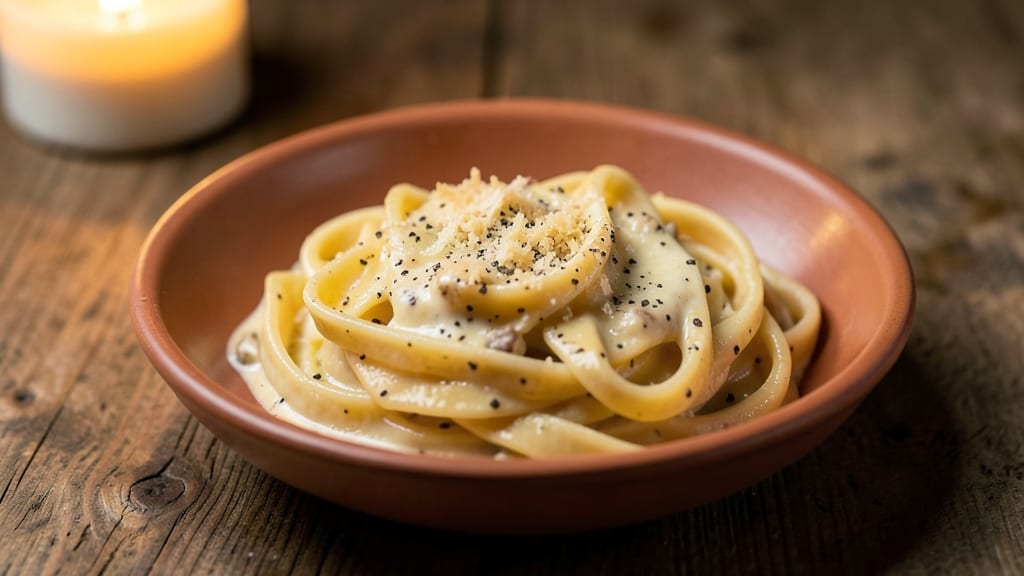
This alfredo sauce recipe with wine delivers restaurant-quality creaminess without the dreaded clumps or heavy texture. The secret lies in a precise wine reduction that deepens flavor while maintaining that signature velvety consistency.
I've perfected this method after years of testing—no lumps, no separation, just smooth, luxurious sauce that clings beautifully to pasta or vegetables.
The process begins with a simple wine reduction that forms the flavor base, then builds to a rich, creamy sauce using just the right amount of butter and heavy cream. No roux required, which means no risk of graininess—just velvety smoothness.
A splash of pasta water at the end ensures the sauce coats perfectly without breaking, while a touch of lemon juice brightens the richness.
What you'll end up with is a sauce that's creamy yet light, with complex wine notes that elevate any dish. It's ideal for fettuccine alfredo, grilled vegetables, or even as a dipping sauce for crusty bread.
The best part? It reheats beautifully, making it perfect for meal prep or leftovers.
Pair with a buttery Chardonnay or a crisp Pinot Grigio for the full experience. Store in an airtight container in the fridge for up to 5 days, or freeze for longer storage. Here's everything you need to create this foolproof sauce.
Ingredients for alfredo sauce recipe with wine
Nine ingredients transform into velvety, wine-infused alfredo that’s lighter than jarred versions.
| Ingredient | Amount | Notes |
|---|---|---|
| Dry White Wine 🍷 | 1 cup | Dry, medium-bodied like Pinot Grigio |
| Unsalted Butter 🧈 | ¾ cup | Cold, cubed for even melting |
| Heavy Cream 🥛 | 1 cup | Full-fat for rich texture |
| Extra-Virgin Olive Oil 🫒 | ¼ cup | High-quality, fruity variety |
| Parmesan Cheese 🧀 | ¾ cup | Freshly grated from block |
| Fresh Lemon Juice 🍋 | 1 tbsp | Brightens the sauce |
| Garlic Cloves 🧄 | 3 cloves | Minced for subtle flavor |
| Diamond Crystal Kosher Salt 🧂 | ½ tsp | Adjust to taste |
| Freshly Ground Black Pepper 🌶️ | ¼ tsp | Freshly cracked |
| Pasta Water 🍝 | ½ cup | Reserved from cooking pasta |
The wine is non-negotiable for depth—dry whites like Pinot Grigio or Sauvignon Blanc work best, but avoid anything too sweet. Trader Joe's has great affordable options, or grab a bottle you'd drink yourself. The butter matters too: cold, cubed butter melts gradually for silky texture, not all at once. Parmesan? Freshly grated from a wedge dissolves smoothly—pre-shredded gets clumpy. I always double-check the expiration on heavy cream too (it’s the one ingredient that sours fast).
No white wine? Substitute dry vermouth or even apple cider vinegar—just add a pinch of sugar to balance. Short on butter? Olive oil or coconut oil (refined) keeps it dairy-free, though texture will differ slightly. The garlic can be roasted for mellow sweetness if you prefer. For a tangier finish, add a splash of white balsamic vinegar instead of lemon. And if your pasta water tastes bland, add a pinch of salt to the pot while cooking—it makes all the difference.
This sauce keeps beautifully—5 days refrigerated or 3 months frozen in airtight containers. For freezing, cool it completely first to prevent ice crystals. Reheat gently over low heat, adding a splash of pasta water if it thickens too much. I always make extra—it’s perfect over grilled veggies or as a dipping sauce for garlic bread. The wine reduction flavor actually deepens after chilling, so leftovers often taste even better.
Why You'll Love This Recipe
- Wine in Minutes: I swear by this trick—just deglaze the pan with a splash of dry white wine while cooking the butter. No extra steps, no waiting for alcohol to burn off. That bright acidity cuts through the richness like a knife, and honestly? It’s the secret weapon in my sauce arsenal.
- Creamy Without Clumps: Heavy cream and butter might sound like a disaster waiting to happen, but the olive oil here acts like a little emulsifier. Stir in the warm cream slowly, and you’ll get that velvety texture without a single lump. (Yes, even if you’re not a fancy chef.)
- Date Night Ready: This sauce transforms any pasta into something restaurant-worthy—no one will guess it took less than 30 minutes. The nutty Parmesan and wine depth make it feel fancy, but the prep is so simple I’ve served it to skeptical in-laws. (They always ask for the recipe.)
- Leftovers That Shine: Make a double batch and freeze half—it reheats like a dream. Toss it over grilled chicken or roasted veggies later in the week, and no one will complain. The wine flavor actually improves after a day or two, if you can believe it.
Step-by-step instructions for wine-infused alfredo sauce
Here's how to make a velvety, lump-free sauce that's richer than takeout.
Melt Butter and Infuse with Wine
In a medium saucepan, melt the 0.75 cup unsalted butter over medium-low heat until it's completely liquid but not browned. The butter should foam gently—this takes about 3-4 minutes. Here's the thing: don't rush this step. Butter burns easily, and once it browns, you'll taste that bitter note in your sauce.
Once the butter is melted, pour in the 1 cup dry white wine and stir immediately. The wine will bubble vigorously as it heats up. Let it simmer gently for 3-4 minutes until it reduces by about half and the alcohol smell completely dissipates. This reduction concentrates the wine's flavor and removes any harsh alcohol taste. You'll know it's ready when the mixture smells rich and fruity, not sharp or raw.
Add Aromatics and Build the Base
Reduce the heat to low and add the 3 minced garlic cloves and 0.25 cup extra-virgin olive oil. Stir constantly for 1-2 minutes until the garlic is fragrant but not browned—it should smell like fresh garlic, not burnt. The olive oil helps distribute the garlic flavor evenly and prevents it from sticking to the pan.
Next, whisk in the 1 cup heavy cream. Bring the mixture to a gentle simmer and let it cook for 4-5 minutes. You're looking for the cream to thicken slightly and coat the back of a spoon. This is where the sauce starts to come together—don't walk away. Stir occasionally to prevent any scorching at the bottom of the pan. If you see the sauce starting to thicken too quickly, just reduce the heat slightly.
Incorporate Cheese and Acid
Remove the pan from heat and stir in the 0.75 cup freshly grated Parmesan cheese and 1 tablespoon fresh lemon juice. The cheese should melt completely into the sauce, creating a smooth, velvety texture. If you're using pre-shredded cheese, you'll notice it clumps more—this is why freshly grated cheese makes all the difference. The lemon juice brightens the richness of the cream and cheese, balancing the sauce.
Return the pan to low heat and stir continuously for 2-3 minutes. This gentle heat helps emulsify the sauce, preventing any separation. You'll see the sauce become glossy and thicken further. If it starts to look too thick, you can add 1-2 tablespoons of the reserved pasta water to reach your desired consistency. The sauce should be smooth, creamy, and coat the back of a spoon without being gluey.
Season and Finish
Taste the sauce and adjust the seasoning. Add the 0.5 teaspoon Diamond Crystal kosher salt and 0.25 teaspoon freshly ground black pepper, adjusting to taste. The sauce should be rich but not overpoweringly salty. If it needs more brightness, add a touch more lemon juice. The key here is balance—you want the wine, cream, and cheese to shine without any single flavor dominating.
For the final touch, stir in the 0.5 cup reserved pasta water (if needed) to reach a consistency that's perfect for tossing with pasta. The pasta water helps emulsify the sauce and gives it that signature silky texture. Keep the sauce warm over low heat until you're ready to serve, stirring occasionally to maintain its creamy consistency. This sauce is best served immediately, so don't let it sit too long after making it.
Pro Tips For Making Alfredo Sauce Recipe With Wine
- Simmer the Wine First: Don’t just dump the wine in cold—heat it for 30 seconds on medium until it’s just shimmering. This burns off the alcohol faster and lets the wine’s acidity wake up the Parmesan instead of making it taste raw. (Yes, even if you’re impatient like me.)
- Use Cold Butter: Cut the unsalted butter into small cubes and add them one at a time to the simmering wine-cream mix. Cold butter melts slower, so you won’t scramble the cream or get greasy clumps. Trust me, your sauce will be smoother.
- Strain the Parmesan: Grate the Parmesan yourself (none of that pre-shredded stuff) and press it through a fine-mesh sieve before adding it to the sauce. This skips the grainy bits and makes the sauce velvety—no one wants to bite into cheese while eating pasta.
- Finish with Olive Oil: Stir in a tablespoon of extra-virgin olive oil at the very end. It cuts through the richness of the cream and butter, balancing the sauce so it doesn’t taste like a heavy blanket. (Your future self will notice the difference.)
Creative variations of alfredo sauce recipe with wine
Wine Variations
The dry white wine is the star here, but you can experiment with different varieties to change the flavor profile. A Pinot Grigio gives subtle floral notes, while Sauvignon Blanc adds a zesty citrus kick.
For something bolder, try Chardonnay—just reduce it longer to avoid sweetness. I once used dry Riesling and loved the honeyed depth it brought to the sauce. 🍷
Creamy Alternatives
Heavy cream is traditional, but you can swap it for half-and-half to lighten the sauce slightly, or use coconut milk for a dairy-free version. For extra richness, I’ve added mascarpone cheese (about ¼ cup) when making the sauce—it gives a luxurious texture without extra effort.
Just whisk it in with the Parmesan at the end.
Cheese Swaps
Parmesan is classic, but Pecorino Romano adds a sharper, saltier edge that pairs beautifully with the wine. For a nutty twist, try Asiago—it’s milder but still melts smoothly. If you’re avoiding dairy, nutritional yeast (about 2 tbsp) gives a cheesy flavor without the fat.
I’ve even used smoked Gouda for a BBQ-style alfredo that’s perfect over grilled chicken.
Herb Infusions
Fresh herbs elevate this sauce instantly. Stir in 1 tbsp chopped parsley or ½ tsp dried thyme at the end for brightness. For a Mediterranean twist, add 1 tsp minced shallots with the garlic.
I love basil (about 2 tbsp) for a pesto-like alfredo—just blend it in at the very end to keep it vibrant. 🌿
Spicy Kick
Add ½ tsp red pepper flakes or a pinch of cayenne for heat, or stir in 1 tsp hot honey at the end for a sweet-spicy balance. For smoky depth, a dash of smoked paprika works wonders.
I once added ½ tsp crushed chili flakes and a splash of white balsamic vinegar—the contrast was amazing over shrimp.
Vegetarian Protein Boost
Blend in ½ cup cooked mushrooms (finely chopped) or roasted red peppers for a meaty texture. For extra protein, stir in ¼ cup silken tofu (crumbled) or 2 tbsp nutritional yeast at the end.
I’ve also used white beans (about ½ cup, mashed) for a heartier sauce that still feels light. 🌱
Nutrition facts
Frequently asked questions
Can I use red wine instead of white wine in this alfredo sauce?
Red wine will work, but it's not ideal for this creamy sauce. The tannins in red wine can make the sauce taste bitter and may cause separation. If you must use red, choose a light variety like Pinot Noir and reduce it longer to mellow the flavors. For best results, stick with dry white wine—it complements the creamy texture perfectly.
Why does my alfredo sauce get lumpy even when I stir constantly?
Lumps usually happen when cheese isn't melted properly or when the sauce cools too quickly. Always use freshly grated Parmesan and remove the pan from heat when adding cheese—it melts better off the stove. If lumps form, whisk vigorously or blend briefly with an immersion blender. The pasta water at the end helps prevent clumping too.
How do I make this sauce dairy-free?
Replace the butter with olive oil or coconut oil, use coconut milk or cashew cream instead of heavy cream, and swap Parmesan for nutritional yeast (about 2 tbsp). The wine reduction method stays the same—just adjust seasoning since dairy-free versions often need more salt. The texture will be lighter but still creamy.
Can I make this sauce ahead of time?
Yes! Store it in an airtight container in the fridge for up to 5 days or freeze for 3 months. When reheating, warm over low heat and add a splash of pasta water if it thickens too much. The flavors actually improve after chilling—it gives the wine notes time to develop. Just avoid reheating on high heat to prevent separation.
What's the best wine to use if I don't have Pinot Grigio?
Any dry white wine works—try Sauvignon Blanc for citrusy brightness or Chardonnay for buttery richness. Avoid sweet wines like Riesling or Moscato. If you're out of wine entirely, use apple cider vinegar (add 1 tsp sugar) or dry vermouth as a substitute. The key is dryness to balance the cream.