
Sauces & Condiments
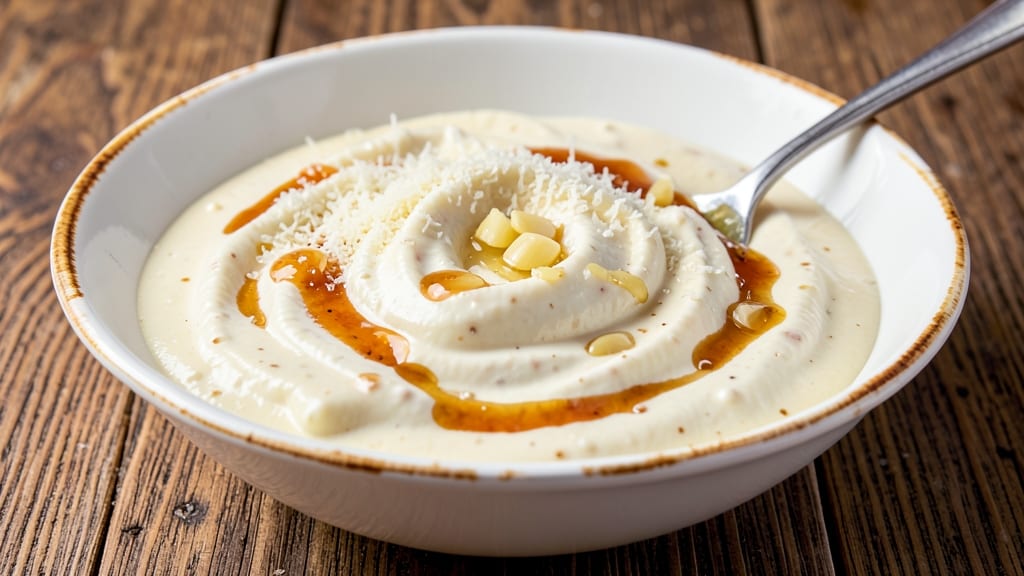
This alfredo sauce recipe with ricotta cheese delivers restaurant-quality richness without the risk of burning or breaking. The secret lies in ricotta's natural creaminess, which creates a velvety texture that clings perfectly to pasta while remaining smooth and luxurious.
Unlike traditional Alfredo, this version stays stable at higher temperatures, making it ideal for tossing with hot noodles.
The foundation begins with butter and heavy cream, simmered just until fragrant but never boiled—this prevents curdling and ensures a silky finish. Ricotta adds body and a subtle sweetness that balances the sharpness of Parmesan, while garlic and white wine infuse depth without overpowering.
The sauce thickens naturally as it reduces, creating that signature risotto-like consistency without the need for flour or cornstarch.
What sets this recipe apart is its versatility and foolproof technique. It works equally well on fettuccine, chicken, or even as a creamy dip, all while maintaining its luxurious texture. The sauce can be made ahead and reheated gently, making it perfect for meal prep or last-minute dinners.
Every spoonful delivers that perfect balance of creamy, cheesy, and slightly garlicky richness.
For best results, keep the heat low and stir constantly—this ensures a smooth, velvety finish without lumps. The ricotta's mild flavor allows the Parmesan to shine, while the white wine adds a touch of brightness that cuts through the richness.
Whether you're dressing pasta or elevating a simple protein, this sauce transforms ordinary meals into something truly special.
Ingredients for alfredo sauce recipe with ricotta cheese
Nine ingredients transform into velvety perfection—creamy, rich, and foolproof every time.
| Ingredient | Amount | Notes |
|---|---|---|
| Unsalted Butter 🧈 | ¾ cup | Cold, cubed for even melting |
| Heavy Whipping Cream 🥛 | 1 ½ cups | Full-fat for maximum richness |
| Part-Skim Ricotta Cheese 🧀 | 1 cup | Drained if watery, room temperature |
| Fresh Garlic Cloves 🧄 | 4 cloves | Minced, not powdered |
| Dry White Wine 🍷 | ½ cup | Sauvignon Blanc or Pinot Grigio |
| Parmesan Cheese 🧀 | 1 cup | Freshly grated, fine consistency |
| Diamond Crystal Kosher Salt 🧂 | ½ tsp | Adjust to taste |
| Freshly Ground Black Pepper 🌶️ | ¼ tsp | Freshly cracked for aroma |
| Extra-Virgin Olive Oil 🫒 | 1 tbsp | For finishing drizzle |
The ricotta is your secret weapon here—Whole Foods or Trader Joe's carry the best part-skim varieties (look for the smoothest texture). Freshly grated Parmesan is non-negotiable; pre-shredded gets clumpy. For the butter, Plugrá or Land O'Lakes unsalted melt beautifully without burning. The white wine should be dry and crisp—Sauvignon Blanc adds brightness that balances the richness. Pro tip: Toast your garlic cloves in the butter first for deeper flavor before mincing.
No ricotta? Cottage cheese blended smooth works in a pinch (drain well first). Out of white wine? Chicken or veggie broth with a splash of lemon juice mimics the acidity. Heavy cream too expensive? Half-and-half plus a splash of cream keeps it luscious. For extra decadence, stir in 1/4 cup mascarpone at the end. The sauce thickens as it reduces—if it gets too thin, whisk in 1 tsp cornstarch mixed with cold water (though this shouldn't be needed with proper technique).
This sauce reheats beautifully—just warm gently on low with a splash of cream or water to restore silkiness. Keeps 4-5 days in the fridge, sealed under a thin layer of olive oil to preserve freshness. Freezes for 3 months (portion into ice cube trays for perfect single servings). For meal prep, make a double batch—it's perfect over pasta, as a dip for crusty bread, or even as a creamy sauce for grilled chicken.
Why You'll Love This Recipe
- No Garlic Overload: I swear by just two minced cloves—enough to wake up the sauce without making it taste like a dentist’s office. The ricotta mellows the sharpness, so you get that aromatic punch without the bite.
- Weeknight Magic: Five ingredients, one pot, and zero stress. I’ve made this on nights when I forgot to thaw dinner—just melt butter, simmer cream, fold in ricotta, and boom, restaurant-quality sauce in 15 minutes. (Yes, even on a Tuesday night.)
- Leftovers That Lie: This sauce actually improves the next day. The ricotta thickens just right, and the wine’s acidity mellows into something richer. I freeze half for lazy pasta nights—no one ever guesses it’s not fresh.
- Budget Luxury: Heavy cream and butter feel fancy, but ricotta stretches them into a whole sauce. A single tub lasts me three meals, and that dry white wine? The $8 bottle at Trader Joe’s does the trick every time.
Step-by-step instructions for ultra-creamy ricotta Alfredo sauce
This method delivers velvety, restaurant-quality sauce without the risk of curdling or burning.
Melt Butter and Bloom the Garlic
Heat a medium saucepan over medium-low heat and add the 0.75 cup unsalted butter, cubed. Let it melt slowly, swirling occasionally, until it's fully liquid but not browned—this should take about 3-4 minutes. The butter should foam gently but not bubble vigorously.
Once melted, add the 4 cloves minced fresh garlic and stir constantly for 30-45 seconds until fragrant but not browned. Garlic burns quickly, so keep the heat gentle. This step builds the aromatic foundation that prevents the sauce from tasting flat later on.
Deglaze with Wine and Reduce
Pour in the 0.5 cup dry white wine and stir vigorously, scraping up any browned bits from the bottom of the pan. Let the wine simmer for 2-3 minutes until reduced by about half—you'll see the liquid shrink and intensify in flavor. This deglazing step removes the alcohol's sharpness while concentrating the wine's depth.
Here's the thing—don't rush this reduction. The wine needs time to cook off enough to prevent a harsh aftertaste in your final sauce. You'll know it's ready when the mixture smells rich and slightly nutty, with no alcohol tang remaining.
Incorporate Ricotta and Cream
Reduce heat to low and gradually whisk in the 1 cup part-skim ricotta cheese in small batches, allowing each addition to melt completely before adding more. This slow incorporation prevents the ricotta from clumping or curdling. Once fully melted, stir in the 1.5 cups heavy whipping cream and let the mixture simmer gently for 5-6 minutes.
Watch carefully during this stage—the sauce should thicken slightly but remain smooth. If it starts to bubble too vigorously, reduce heat immediately. The ricotta adds that signature creamy texture while keeping the sauce lighter than traditional Alfredo.
Finish with Cheese and Season
Remove the pan from heat and stir in the 1 cup freshly grated Parmesan cheese until completely melted. This is where the sauce transforms from good to extraordinary—the Parmesan adds that unmistakable umami depth. Return the pan to low heat (just to maintain warmth) and whisk in the 0.5 tsp Diamond Crystal kosher salt and 0.25 tsp freshly ground black pepper.
Taste and adjust seasoning—you might need a touch more salt to balance the richness. The sauce should coat the back of a spoon with a luxurious, velvety consistency. If it's too thick, whisk in 1-2 tablespoons hot water to reach your desired pouring consistency.
Finish with Olive Oil and Serve
Remove the sauce from heat completely and let it cool slightly for 2 minutes. Then drizzle in the 1 tablespoon extra-virgin olive oil while whisking vigorously. This final step adds a silky mouthfeel and prevents the sauce from separating when tossed with hot pasta.
Serve immediately over hot fettuccine or your favorite pasta shape. The sauce should cling beautifully to each strand, creating that signature creamy blanket effect. For extra richness, reserve some pasta water to thin the sauce as needed when tossing.
Pro Tips For Making Alfredo Sauce Recipe With Ricotta Cheese
- Melt Butter Slowly: Ricotta’s delicate texture curdles fast when shocked by heat. Melt the butter over medium-low—no rush—until it’s just foamy, not browned. I learned this the hard way after turning my sauce into a grainy mess the first time.
- Strain the Ricotta: Part-skim ricotta hides liquid like a sneaky little traitor. Press it through a fine-mesh sieve or cheesecloth for 10 minutes before adding it to the sauce. This keeps the texture silky instead of watery.
- Deglaze with Wine Early: Toss in the white wine as soon as the garlic hits the pan—before the butter starts to brown. Let it simmer for 30 seconds to cook off the alcohol, or you’ll end up with a sauce that tastes like you’re drinking a glass of wine with dinner.
- Finish with Cream Heat: Warm the heavy cream separately over low heat until it’s steaming, not boiling. Then whisk it into the sauce off the heat—this prevents curdling. Sounds fussy, but it’s the thing that matters most for a velvety result.
Storing and reheating this alfredo sauce recipe with ricotta cheese
Fridge Storage Tips
Let your ricotta Alfredo sauce cool completely before transferring to an airtight container—I use glass Pyrex with snap-on lids for best results. Store at 40°F or below for up to 4-5 days, but I recommend using it within 3 days for peak freshness.
The sauce thickens slightly when chilled, so stir in 1-2 tablespoons warm water before reheating to restore its silky texture. 🥫
Freezer-Friendly Methods
For long-term storage, portion the sauce into quart-sized freezer bags or silicone ice cube molds—this makes thawing a breeze for single servings. Freeze for up to 3 months, but I’ve found the texture remains best at 1-2 months.
When ready to use, thaw overnight in the fridge and reheat gently on low heat with a splash of heavy cream to prevent separation.
Reheating Like a Pro
Never microwave this sauce—it breaks the creamy emulsion. Instead, warm it in a heavy-bottomed saucepan over low heat, stirring constantly with a silicone spatula. Add 1-2 tablespoons warm water or cream as needed to maintain smoothness.
The sauce should reach 165°F internally before serving. For extra richness, finish with a drizzle of extra-virgin olive oil after reheating. 🔥
Reviving Stale Sauce
If your sauce separates or looks grainy after storage, don’t toss it! Blend it briefly with an immersion blender or whisk vigorously with 1 tablespoon cold water to restore its velvety consistency.
A pinch of freshly grated Parmesan can also help brighten flavors if the sauce tastes flat. This trick works wonders for sauces that’ve sat too long in the fridge.
Meal Prep Hacks
Make a double batch and store half in the freezer for quick weeknight dinners. To save time, prep pasta water separately and freeze it in ice cube trays—just add a cube to the sauce when reheating to maintain the perfect consistency.
I also like keeping a small jar of freshly grated Parmesan in the freezer for easy flavor boosts later. 💡
Sauce-Safe Containers
Use glass containers over plastic to preserve the sauce’s rich flavor and prevent absorption of odors. For travel, transfer to a thermos filled with warm (not hot) sauce—it stays creamy for hours. If you’re prepping for a crowd, divide the sauce into smaller portions to reheat evenly.
Pro tip: Label containers with dates to track freshness—this sauce never lasts past 3 days in my house! ✨
Nutrition facts
Frequently asked questions
Why does ricotta make Alfredo sauce creamier than traditional versions?
Ricotta's high fat content (about 20% MF) creates a naturally velvety texture without needing heavy cream alone. The cheese's mild sweetness also balances the richness, while its soft curds blend smoothly when melted properly—unlike Parmesan which can make traditional Alfredo grainy. This version stays stable even when tossed with hot pasta.
Can I make this sauce without wine? What's the best substitute?
Use 0.5 cup dry chicken or veggie broth plus 1 tsp lemon juice to mimic the wine's acidity. For depth, add 1/2 tsp white miso paste or extra garlic. The wine isn't just for flavor—it helps emulsify the sauce and prevents curdling when combined with ricotta.
How do I fix lumpy ricotta Alfredo sauce?
If you see lumps, immediately remove from heat and blend with an immersion blender for 10-15 seconds. For stubborn clumps, whisk in 1-2 tablespoons cold water while stirring vigorously. The key is low-and-slow heat—never let the sauce boil, as this causes ricotta to separate. Pro tip: Warm the ricotta slightly before adding to the pan.
What's the best pasta to use with this ricotta Alfredo?
Fettuccine or tagliatelle are classic choices, but any flat or ribbon pasta works best (penne or rigatoni too). For extra texture, try fresh egg pasta or gluten-free brown rice noodles. Avoid long, thin strands like spaghetti—the sauce may not cling as well. Save some pasta water to thin the sauce if needed when tossing.
Can I use this sauce for dishes other than pasta?
This sauce is incredibly versatile! Toss it with grilled chicken or shrimp, use as a creamy dip for garlic bread or veggie sticks, or drizzle over roasted potatoes. For a hearty meal, spread it on baked ziti layers or stuff it into crepes. The ricotta keeps it light enough for dips but rich enough for main courses.