
Sauces & Condiments
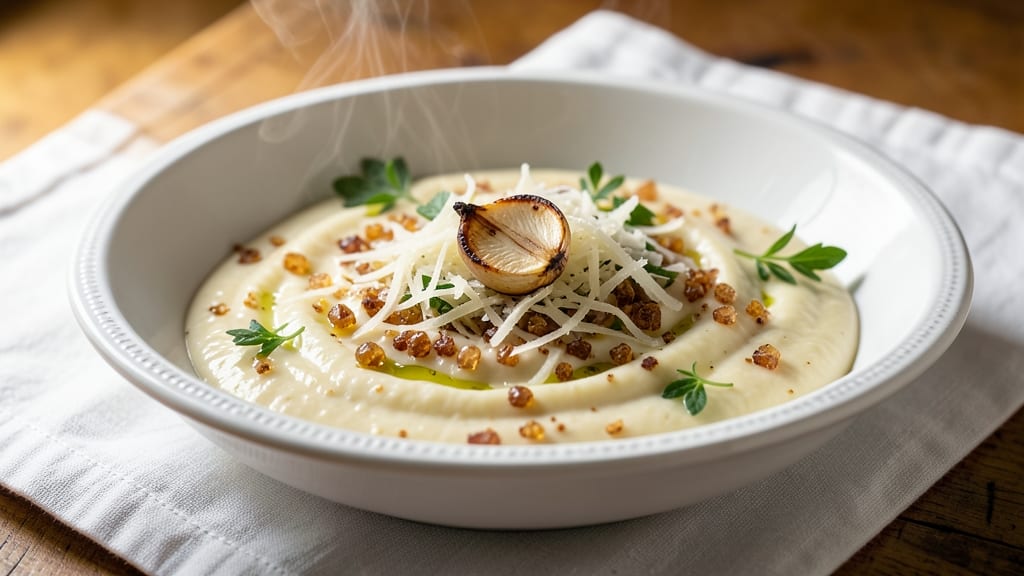
This alfredo sauce recipe with Parmigiano Reggiano delivers the ultra-creamy, velvety texture you crave—rich with nutty depth and perfectly emulsified for that restaurant-quality finish. The secret lies in using freshly grated Parmigiano Reggiano (never pre-shredded) and a slow, steady technique that prevents separation.
I’ve perfected this sauce over years of testing, and it never fails to impress, whether drizzled over fettuccine or used as a luxurious pasta topping.
The foundation starts with butter and flour cooked into a golden roux, which forms the base for the sauce’s silky smoothness. As the Parmigiano Reggiano melts into the warm mixture, its natural fats and proteins create a natural emulsifier, eliminating the need for heavy cream.
What sets this apart is the patience—adding the pasta water gradually ensures the sauce clings to every strand of noodle without turning greasy.
What you’ll end up with is a sauce so creamy it feels decadent yet balanced, with the nutty, umami-rich flavor of authentic Parmigiano Reggiano shining through. The texture is luscious, not heavy, and it reheats beautifully, making it ideal for meal prep.
This isn’t just another alfredo—it’s the kind of sauce that transforms simple pasta into a standout dish.
For extra depth, consider adding a splash of white wine or minced garlic during the cooking process, but the base recipe stays true to its creamy, foolproof roots.
Store leftovers in an airtight container in the fridge for up to 3 days, or freeze for longer storage. Let’s make this sauce!
Ingredients for alfredo sauce recipe with parmigiano reggiano
Freshly grated cheese, golden butter, and a touch of patience create this restaurant-worthy sauce.
| Ingredient | Amount | Notes |
|---|---|---|
| Unsalted Butter 🧈 | ½ cup | Cold, cubed for even cooking |
| All-Purpose Flour 🌾 | ½ cup | Sifted for smooth texture |
| Freshly Grated Parmigiano Reggiano 🧀 | 1 ½ cups | Block form only, not pre-shredded |
| Whole Milk 🥛 | 1 cup | Warmed for smooth blending |
| Garlic Cloves 🧄 | 2 cloves | Minced for aromatic depth |
| Extra-Virgin Olive Oil 🫒 | 2 tbsp | For finishing, fruity variety |
| Salt 🧂 | ½ tsp | Diamond Crystal preferred |
| Freshly Ground Black Pepper 🌶️ | ¼ tsp | Freshly cracked for brightness |
| White Wine (optional) 🍷 | ¼ cup | Dry variety for depth |
| Pasta Water 🍝 | 1 cup | Reserved from cooking pasta |
The Parmigiano Reggiano is non-negotiable here—block form only. Whole Foods or specialty Italian markets carry the best quality, though most well-stocked grocery stores stock it too. Look for a vibrant, granular texture with no yellowing. The butter should be unsalted to control seasoning, and European-style if available for higher fat content. For the flour, King Arthur or Gold Medal brands work best—they're finely milled and create a smoother roux. If you can't find Parmigiano Reggiano, Parmigiano-Reggiano DOP is the next best option, but avoid 'Parmesan' blends.
No Parmigiano Reggiano? Gran Padano works in a pinch, though it's slightly sweeter. For the wine, dry white like Pinot Grigio adds brightness, but skip it if you prefer a purer flavor. The milk can be swapped for half-and-half for extra richness, but whole milk gives the best balance. If you're making this ahead, add the milk and cheese last to prevent curdling. The garlic can be roasted for a milder flavor—just wrap the cloves in foil with a drizzle of olive oil and bake at 400°F for 10 minutes.
This sauce reheats beautifully—simmer gently with a splash of pasta water to restore creaminess. Store in an airtight container in the fridge for up to 3 days, or freeze for 3 months. For longer storage, freeze in ice cube trays and transfer to a bag. The sauce thickens as it cools, so thin with warm milk or water when reheating. Always add the cheese off the heat to prevent graininess, and whisk constantly for that silky texture.
Why You'll Love This Recipe
- Five-Ingredient Magic: The pantry staples you already own—just butter, flour, milk, garlic, and that golden Parmigiano Reggiano—come together in one pot. No fancy gadgets, no last-minute grocery runs. Honestly, I’ve made this sauce while my coffee brewed and still had time to fold laundry.
- Umami Bomb: That first sprinkle of freshly grated Parmigiano Reggiano into warm milk? It’s like a flavor explosion—nutty, sharp, and deeply satisfying. The garlic cloves, lightly toasted in butter, add a subtle punch that makes this sauce taste like it simmered for hours, not minutes.
- Weeknight or Weekend: Toss it over fettuccine for a quick family dinner, drizzle it on roasted chicken thighs for a fancy-ish touch, or even use it as a creamy dip for garlic bread. Between us, I’ve served this at book club nights and lazy Sunday brunches—it’s the kind of sauce that works everywhere.
- Leftovers That Don’t Suck: Unlike some creamy sauces that turn grainy or separate, this one reheats like a dream—smooth, rich, and just as good the next day. I’ll be real: I’ve even frozen portions for those “I don’t wanna cook” nights, and it thaws without a hitch. Budget-friendly? Absolutely. Reliable? Even more so.
Step-by-step instructions for ultra-creamy Parmigiano Reggiano alfredo sauce
Master this classic technique for a velvety sauce that clings perfectly to pasta.
Create the Roux Foundation
In a medium saucepan, melt the 0.5 cup unsalted butter over medium-low heat. I prefer using cold cubed butter so it melts evenly without browning. Once fully melted and foaming subsides, add the 0.5 cup all-purpose flour all at once and whisk vigorously for 2-3 minutes. This creates a smooth, pale roux—the base for our sauce.
Watch closely as the mixture cooks. You want it to turn a light golden color, similar to pale toast, but never let it brown. If it darkens, you'll develop a bitter flavor. The roux should thicken enough to coat the back of a spoon but still flow smoothly when stirred.
Infuse with Aromatics and Milk
Reduce heat to low and add the 2 cloves minced garlic cloves and 0.5 tsp salt, stirring constantly for 30 seconds until fragrant. Immediately pour in the 1 cup whole milk all at once while whisking continuously. This prevents lumps from forming and creates an ultra-smooth texture.
Bring the mixture to a gentle simmer, then reduce heat to low and let it cook for 5-7 minutes, stirring frequently. You're looking for the sauce to thicken noticeably but remain pourable. If it gets too thick too quickly, add 1-2 tablespoons of pasta water to loosen it. The sauce should coat the back of a spoon but still flow easily.
Build Depth with Parmigiano Reggiano
Remove the saucepan from heat and gradually whisk in the 1.5 cups freshly grated Parmigiano Reggiano in three additions. The cheese will melt into the warm milk, creating an incredibly rich, nutty base. If you're using the 0.25 cup white wine, add it now along with 0.25 tsp freshly ground black pepper, whisking until fully incorporated.
Return the sauce to low heat and let it simmer gently for 3-4 minutes to meld all the flavors. The sauce should now be thick, glossy, and luxurious. Taste and adjust seasoning—you might need a touch more salt or pepper to balance the richness. This is where the magic happens: the combination of warm milk, aged cheese, and proper technique creates that signature Alfredo texture.
Finish and Emulsify
Remove from heat and stir in the 2 tbsp extra-virgin olive oil. This adds a fruity brightness that cuts through the richness while helping the sauce cling to pasta. For extra insurance against separation, whisk in 2-3 tablespoons of reserved pasta water to create a stable emulsion. The sauce should now be silky smooth with a velvety consistency.
Keep the sauce warm in a double boiler or a heatproof bowl set over simmering water while you cook your pasta. Never boil the sauce after it's complete—this causes the fat to separate. When ready to serve, toss the drained pasta directly into the saucepan with the sauce, coating each strand thoroughly. The residual heat from the pasta will help the sauce cling perfectly.
Pro Tips For Making Alfredo Sauce Recipe With Parmigiano Reggiano
- Cook Low and Slow: I learned this the hard way—rushing the roux on medium-high heat turns it into a sad, grainy mess. Keep the butter and flour on low until the raw flour smell disappears, then let it cook another 2-3 minutes until it’s a pale golden color, not brown. That’s when the magic starts.
- Grind Your Own Cheese: Pre-shredded Parmigiano Reggiano has anti-caking agents that turn your sauce into a clumpy nightmare. Use a microplane or fresh grating—yes, it’s a pain, but the texture difference is night and day. If you’re short on time, at least pulse it in a food processor for a second to break up any lumps before adding.
- Infuse the Milk First: Skip the bland milk by heating it with a smashed garlic clove (no burning!) and a pinch of salt for 5 minutes before adding to the roux. The garlic mellows into the sauce instead of overpowering it, and the salt balances the richness. Remove the garlic afterward—no one wants a cheesy garlic bomb.
- Whisk Like You Mean It: The moment you add milk to the roux, stop stirring and let it simmer undisturbed for 30 seconds. Then whisk aggressively to break up any lumps before they form. I used to ignore this, and my sauce always had a weird, gluey texture—now it’s silky every time.
Troubleshooting this dish
Sauce Separates
This is the #1 issue with homemade alfredo, but I’ve got the fix. If your sauce looks curdled or oily, it’s likely the cheese didn’t emulsify properly. Always add the Parmigiano Reggiano off the heat—the warm milk needs to gently melt it.
For extra insurance, whisk in 2-3 tablespoons of reserved pasta water to create a stable emulsion. If it happens anyway, simmer the sauce gently with a splash of warm milk or pasta water while whisking constantly until smooth. 💡
Too Thick or Gluey
Overcooking the roux or adding too much flour can make your sauce gluey. If this happens, thin it with warm milk or pasta water, 1 tablespoon at a time, while whisking constantly.
For a smoother texture, strain the sauce through a fine-mesh sieve before serving. I’ve found that using King Arthur flour (finely milled) helps prevent this issue from the start.
Grainy Texture
Pre-shredded cheese is the culprit here—it contains anti-caking agents that prevent proper melting. Always use freshly grated Parmigiano Reggiano from a block. If you’ve already added pre-shredded cheese, try blending the sauce with an immersion blender for a smoother finish.
For extra creaminess, add 1 tablespoon of heavy cream at the end and whisk vigorously.
Lacks Depth of Flavor
If your sauce tastes bland, it’s likely missing the umami boost from proper technique. Toast the flour in the butter for 1-2 extra minutes to deepen the roux’s flavor. For added richness, stir in 1 teaspoon of nutritional yeast or a pinch of white miso paste during the final simmer.
A splash of dry white wine (like Pinot Grigio) also adds brightness and complexity. 🍷
Too Rich or Heavy
Alfredo sauce can easily become overwhelming if overloaded with cheese or butter. To balance it, finish with 1 teaspoon of lemon juice or a splash of pasta water to lighten the texture.
For a lighter version, replace 2 tablespoons of butter with the same amount of whole milk during the roux stage. This keeps the sauce creamy without the heaviness.
Reheating Issues
Sauce often thickens or separates when reheated. To prevent this, store it in an airtight container and reheat it gently on the stovetop over low heat, stirring frequently. If it thickens too much, thin it with warm milk or pasta water.
For best results, reheat only what you need—this sauce is best fresh but reheats beautifully for up to 3 days when stored properly. ❄️
Nutrition facts
Frequently asked questions
Why does this recipe use Parmigiano Reggiano instead of regular Parmesan?
Parmigiano Reggiano is the gold standard for Alfredo sauce because of its nutty depth and higher fat content, which creates a richer, creamier texture. Regular Parmesan often contains fillers and has a sharper, less complex flavor. The authentic cheese melts more smoothly and provides that signature umami richness that makes this sauce truly special.
Can I make this sauce ahead of time?
Yes, but with a few key tips! Store the completed sauce in an airtight container in the fridge for up to 3 days. When reheating, warm it gently over low heat while whisking constantly and adding pasta water or warm milk as needed to restore creaminess. For longer storage, freeze in ice cube trays for easy portioning. The sauce thickens as it cools, so thin it with a splash of liquid when reheating.
What's the best pasta to use with this sauce?
This ultra-creamy sauce pairs perfectly with fettuccine, tagliatelle, or linguine—wide noodles that give the sauce plenty of surface area to cling to. For extra indulgence, try pappardelle or fettuccine al burro. Avoid thin noodles like spaghetti, as they can't hold the rich sauce as well.
How do I prevent the sauce from separating?
The secret is low and slow heat and proper technique. Always add the Parmigiano Reggiano off the heat to prevent curdling. For extra stability, whisk in 2-3 tablespoons of reserved pasta water at the end to create a natural emulsion. If separation happens, gently reheat with a splash of warm milk while whisking constantly. Never boil the sauce after adding cheese—this causes fat separation.
Can I make this sauce without dairy?
This traditional recipe relies on dairy for its signature creaminess, but you can adapt it! Replace the butter with olive oil or vegan butter, the milk with unsweetened almond or oat milk, and the Parmigiano Reggiano with nutritional yeast for a cheesy flavor. For binding, add 1 tablespoon of cornstarch mixed with water. Note that the texture will be lighter, but still delicious.