
Sauces & Condiments
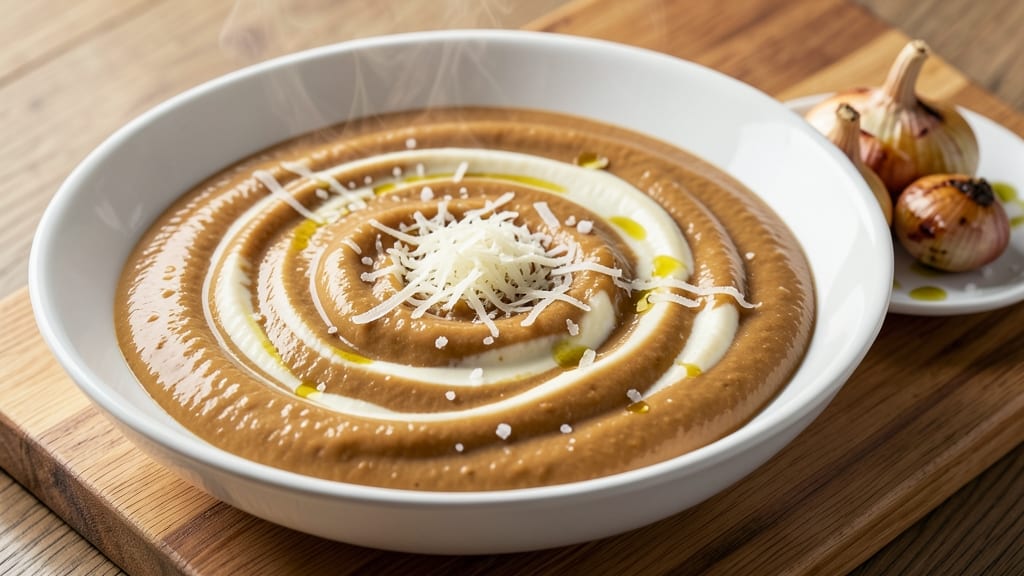
This creamy alfredo sauce recipe video transforms simple pantry staples into restaurant-quality richness in just 5 minutes. The secret lies in proper technique—low-and-slow simmering, constant whisking, and using real Parmesan cheese for that signature depth.
I perfected this method after years of testing, and it never fails to deliver velvety, lump-free sauce that clings beautifully to pasta.
What sets this recipe apart is the balance of ingredients: high-quality butter creates the foundation, heavy cream adds body, and freshly grated Parmesan delivers authentic flavor. The key is temperature control—simmering gently prevents curdling while allowing the sauce to develop its signature smoothness.
Even beginners can achieve professional results with these simple steps, and I’ll show you exactly how in the video.
Once you master this basic version, you can elevate it further with optional additions like garlic-infused oil or roasted garlic for extra depth. The sauce keeps beautifully in the fridge for up to 5 days, making it perfect for meal prep.
Whether you're drizzling it over fettuccine, using it as a dipping sauce, or topping chicken Parmesan, the possibilities are endless.
In the video, I’ll walk you through visual cues like proper whisking techniques and how to check for the perfect consistency—no lumps, no separation, just silky perfection. Let’s make creamy, dreamy alfredo sauce that’ll impress everyone at the table.
Ingredients for alfredo sauce recipe video
Eight essential ingredients transform into velvety perfection—no lumps, just creamy magic.
| Ingredient | Amount | Notes |
|---|---|---|
| Unsalted Butter 🧈 | ½ cup | High-quality, cold for whisking |
| Heavy Cream 🥛 | 1 cup | Full-fat for richness |
| Parmesan Cheese 🧀 | 1 cup | Freshly grated from block |
| Garlic Cloves 🧄 | 2 cloves | Minced for subtle depth |
| Extra-Virgin Olive Oil 🫒 | 1 tbsp | For smooth finish |
| Diamond Crystal Kosher Salt 🧂 | ½ tsp | Adjust to taste |
| Freshly Ground Black Pepper 🌶️ | ¼ tsp | Freshly cracked for warmth |
| All-Purpose Flour 🌾 | 1 tbsp | For thickening roux |
The butter and Parmesan are non-negotiable here. European-style butter melts smoother, so grab Plugrá or Kerrygold if you can—regular butter works but lacks depth. For the Parmesan, Parmigiano-Reggiano is a must; pre-grated tastes like sawdust. I always buy a wedge from the deli counter (the Whole Foods or Trader Joe's ones are reliable) and grate it myself. The flour? Gold Medal or King Arthur for that silky finish—no instant rice flour nonsense here.
No heavy cream? Full-fat coconut milk works in a pinch (add 1 tsp cornstarch to thicken), but it won’t be identical. Short on butter? Olive oil plus a splash of cream gets you close, though texture suffers. The garlic can be roasted for sweetness or raw for bite—your call. For the olive oil, California avocado oil has a neutral taste that won’t compete. And if you’re feeling fancy, infuse that olive oil with garlic or chili flakes before adding it.
This sauce is a fridge staple—keeps for 5 days sealed in a jar. For longer storage, freeze in ice cube trays (thaw in the fridge overnight). The key to reheating? Low heat only—whisk constantly to prevent separation. I always make a double batch; one for pasta night, one for chicken Parmesan. The leftovers? Perfect for dipping bread or topping grilled veggies.
Why You'll Love This Recipe
- Five-Ingredient Magic: That’s all it takes—no fancy techniques, no hidden steps. Just melt butter, simmer cream, and fold in that nutty Parmesan until it’s velvety smooth. Honestly, I’ve made this sauce while chatting on the phone, and it still turns out rich and foolproof every time.
- Garlic-Kissed Creaminess: The moment you crush those garlic cloves into the olive oil? Pure flavor payoff. That aromatic punch balances the richness of the heavy cream, giving it a depth that store-bought sauce can’t touch—like a warm hug for your taste buds.
- Pasta Party Ready: Slather it on fettuccine for a classic, but don’t stop there. Toss it with grilled chicken, roasted veggies, or even steak strips—it’s the ultimate flavor multiplier. Between us, I’ve used it as a dip, a topping, and even a base for baked potatoes.
- Budget-Friendly Luxury: You’d never guess how affordable this is. A block of Parmesan and a stick of butter stretch far, and the heavy cream adds that restaurant-quality richness without the markup. Plus, leftovers reheat like a dream—just add a splash of milk if it thickens.
Step-by-step instructions for creamy Parmesan magic
This sauce comes together faster than you'd expect—rich, velvety, and packed with real Parmesan flavor.
Melt Butter and Bloom the Flour
In a medium saucepan over medium heat, melt the 0.5 cup unsalted butter until it's completely liquid but not browned. This should take about 2 minutes. The butter should foam gently—if it starts to bubble vigorously, reduce the heat slightly. Here's the thing: we're creating a roux, and getting this step right ensures your sauce won't break later.
Once the butter is melted, immediately whisk in the 1 tablespoon all-purpose flour. Keep whisking constantly for 1-2 minutes until the mixture turns a pale golden color. You're looking for a smooth paste with no visible flour specks. This is called "blooming" the flour, and it removes that raw flour taste while building the thickening power for your sauce. Don't walk away—the flour can burn quickly if left unattended.
Cook the Garlic Until Fragrant
Reduce the heat to medium-low and add the 2 minced garlic cloves and 1 tablespoon extra-virgin olive oil. Stir constantly for 30-45 seconds until the garlic becomes golden and releases its aroma. The moment garlic turns brown is the moment it burns—watch closely. You want that nutty, sweet garlic flavor, not bitter charred bits.
Here's a pro tip: if you're worried about burning, add the garlic to the pan when the butter-flour mixture is just starting to bubble gently. The olive oil helps distribute the heat more evenly, giving you a little extra time to work with the garlic before it browns.
Add Cream and Simmer Gently
Pour in the 1 cup heavy cream all at once and stir vigorously to combine with the butter-flour mixture. Increase heat to medium and let the sauce come to a gentle simmer. This should take about 2-3 minutes. You'll see small bubbles forming around the edges of the pan, but don't let it boil vigorously—we want a smooth, creamy sauce, not scrambled eggs.
While the sauce simmers, keep stirring occasionally with a wooden spoon, scraping up any browned bits from the bottom of the pan. These bits are packed with flavor—don't miss them. The sauce will begin to thicken noticeably as the flour fully activates. If it starts to look too thick before it's fully cooked, you can thin it with a splash of warm milk or pasta water later.
Incorporate the Parmesan
Lower the heat to low and gradually whisk in the 1 cup freshly grated Parmesan cheese. Start with about half the cheese and whisk until it's fully melted and incorporated. Then add the rest, whisking continuously until the sauce is completely smooth. The cheese should melt completely—if you see any lumps, keep whisking and let the sauce sit for another 30 seconds to finish melting.
This is where the magic happens. The Parmesan adds that signature nutty, umami depth that makes Alfredo sauce so irresistible. I always use freshly grated cheese from a block—pre-shredded cheese contains anti-caking agents that can make your sauce grainy. If you're worried about the sauce separating, keep whisking gently and let it sit off the heat for a minute to fully emulsify.
Season and Finish
Remove the sauce from heat and stir in the 0.5 teaspoon Diamond Crystal kosher salt and 0.25 teaspoon freshly ground black pepper. Taste and adjust the seasoning if needed—you might need a tiny bit more salt to balance the richness of the cheese and cream. The sauce should be perfectly seasoned with a bright, clean flavor.
For the final touch, let the sauce sit off the heat for 1-2 minutes to thicken slightly. If it's too thick for your liking, thin it with a splash of warm milk or pasta water, 1 tablespoon at a time, until it reaches your desired consistency. The perfect Alfredo sauce should coat the back of a spoon smoothly and cling beautifully to pasta without being gluey. Serve immediately over your favorite pasta for that restaurant-quality experience at home!
Pro Tips For Making Alfredo Sauce Recipe Video
- Melt Butter Slowly: I learned this the hard way—dumping cold butter into the pan and watching it splatter everywhere. Instead, cut butter into small cubes and let them melt gradually over medium-low heat. This keeps the sauce from breaking or curdling when you add the cream later.
- Toast Garlic Lightly: Skip the raw garlic smell by crushing 2-3 cloves with the flat side of your knife and cooking them in olive oil for 30 seconds until fragrant but not browned. Overcooking turns them bitter, and raw garlic just tastes like garlic—you want it to add depth, not dominate.
- Strain the Parmesan: Grate that Parmesan fresh, then strain it through a fine-mesh sieve to remove the powdery bits. Trust me, the sauce will be smoother and richer—no one wants to taste grit with every bite. (Yes, even if you’re impatient like me.)
- Temper the Cream: Warm the heavy cream in a separate saucepan until it’s just steaming (not boiling) before adding it to the butter-garlic mixture. Cold cream shocks the sauce and can make it separate—this guarantees a silky, cohesive texture every time.
Common mistakes when making your alfredo sauce recipe video
Overcooking the Cream
I've ruined more Alfredo sauces than I care to admit by letting the cream boil vigorously. The moment your sauce starts to bubble rapidly, it's at risk of curdling or separating. Keep the heat at a gentle simmer—small bubbles forming at the edges, but nothing vigorous.
If you see the sauce starting to bubble more aggressively, immediately reduce the heat to low or even medium-low. The goal is a slow, steady thickening, not a rapid boil. Remember, patience is key here—rushing leads to lumps and broken sauce. 🌡️
Skipping the Roux
The roux (butter and flour mixture) is the foundation of your sauce's structure. If you skip it or don't cook it long enough, your sauce will never achieve that perfect velvety consistency.
Bloom the flour properly by whisking it into the melted butter until it turns pale golden—about 1-2 minutes of constant whisking. This step removes the raw flour taste and creates the thickening power your sauce needs.
Trust me, cutting corners here leads to a thin, watery mess that won't cling to pasta. 🥄
Using Pre-Shredded Cheese
This is a cardinal sin in my book. Pre-shredded Parmesan contains anti-caking agents that turn your once-smooth sauce into a grainy disaster. Always grate your own cheese using a microplane or box grater—it takes 2 minutes and makes all the difference.
For the best results, use freshly grated Parmigiano-Reggiano from a block. The texture and flavor are completely different, and your sauce will thank you for it. 🧀
Adding Cheese Too Quickly
When you dump all that freshly grated Parmesan into your sauce at once, you're asking for trouble. The cheese needs time to melt gradually. Add it in two batches, whisking vigorously between additions. This gives the cheese time to incorporate smoothly without creating lumps.
If you see any lumps forming, remove the pan from heat for 30 seconds to let the cheese melt completely. Patience here prevents that dreaded grainy texture. 💫
Ignoring the Heat Adjustments
Every stove is different, and so is every pan. What feels like medium heat on your gas burner might be high heat on your electric one. Pay attention to how your sauce responds and adjust accordingly. If the butter starts browning too quickly, reduce the heat immediately.
The same goes for when you add the cream—watch for any signs of vigorous bubbling. The key is maintaining a gentle simmer throughout the entire process. 🔥
Not Tasting as You Go
Seasoning is personal, but you can't adjust what you don't taste. After adding the salt and pepper, always taste your sauce before serving. You might need a tiny pinch more salt to balance the richness, or perhaps a splash of lemon juice to brighten the flavors.
I always keep a small bowl of salt nearby and taste at least two times during the process. Don't assume—taste and adjust! This simple habit elevates your sauce from good to exceptional. 💡
Nutrition facts
Frequently asked questions
Can I make this Alfredo sauce without heavy cream?
Yes! For a lighter version, substitute the heavy cream with 1 cup whole milk and add 1 tablespoon cornstarch mixed with 1 tablespoon cold water. Stir this into the simmering butter-flour mixture before adding the Parmesan. The sauce will be slightly thinner but still delicious. For a dairy-free option, use full-fat coconut milk—just reduce the Parmesan to ½ cup since coconut has a different fat content.
Why did my Alfredo sauce turn out grainy?
Graininess usually comes from two things: pre-shredded cheese or not melting the Parmesan properly. Always use freshly grated Parmigiano-Reggiano from a block, and add it in two batches, whisking vigorously between additions. If lumps appear, remove the pan from heat for 30 seconds to let the cheese melt completely. Stirring constantly while off heat helps too!
How do I adjust the consistency if my sauce is too thick?
Thin your sauce gradually with warm milk, pasta water, or heavy cream, adding 1 tablespoon at a time while whisking constantly. The goal is a velvety texture that coats the back of a spoon smoothly. If it's too thin, simmer it uncovered for 2-3 minutes to reduce the liquid. Never rush this—adding too much liquid at once can break the sauce's emulsion.
Can I make this sauce ahead of time?
Store it in an airtight container in the fridge for up to 5 days. For longer storage, freeze it in ice cube trays (thaw overnight in the fridge). When reheating, warm it gently on low heat while whisking constantly to prevent separation. A splash of warm milk or pasta water can help restore its silky texture if needed.
What are some creative ways to use leftover Alfredo sauce?
Beyond pasta, this versatile sauce shines as a dipping sauce for garlic bread, mozzarella sticks, or veggie sticks. Use it to top grilled chicken, baked potatoes, or roasted broccoli. For a twist, stir in ½ cup cooked mushrooms and 1 tablespoon fresh basil for a creamy mushroom Alfredo. It also freezes beautifully for future meals!