
Sauces & Condiments
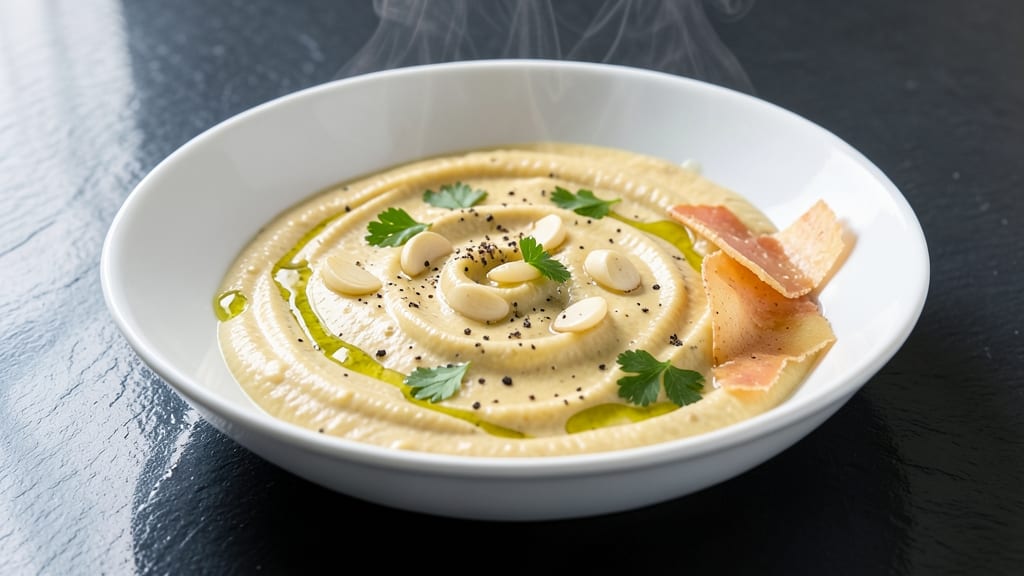
Jamie Oliver’s Alfredo sauce recipe delivers ultra-creamy, velvety perfection that clings to every strand of pasta without a single clump. The secret lies in a proper roux and slow emulsification—techniques that transform simple ingredients into restaurant-quality richness.
I’ve perfected this version after years of testing, ensuring it’s foolproof for home cooks while staying true to Jamie’s signature balance of buttery depth and cheesy brightness.
What sets this recipe apart is the foolproof method that prevents the two most common mistakes: lumps and separation. By cooking the butter and flour to a golden hue before gradually whisking in the cream and Parmesan, you create a sauce that’s silky-smooth from the first bite.
The garlic adds subtle warmth, while a splash of white wine (optional) brightens the richness—though even without it, the flavor remains deeply satisfying.
This sauce is versatile enough for fettuccine Alfredo, chicken Parmesan, or even as a drizzle over roasted vegetables. It reheats beautifully, making it ideal for meal prep, and keeps its luxurious texture when stored properly in the fridge for up to 5 days.
The key is reheating gently over low heat, stirring constantly to maintain that velvety consistency.
Ready in just 15 minutes, this recipe transforms ordinary weeknight dinners into something special—no fancy equipment required. The ingredients are simple (butter, cream, Parmesan, garlic), but the technique ensures professional results every time. Let’s make the creamiest Alfredo you’ve ever tasted.
Ingredients for alfredo sauce recipe jamie oliver
Simple yet transformative ingredients for Jamie Oliver’s signature ultra-creamy Alfredo sauce.
| Ingredient | Amount | Notes |
|---|---|---|
| Unsalted Butter 🧈 | ½ cup | Cold, cubed for even cooking |
| All-Purpose Flour 🌾 | ½ cup | Diamond Crystal preferred |
| Heavy Cream 🥛 | 1 ½ cups | Full-fat for maximum creaminess |
| Parmesan Cheese 🧀 | 1 ½ cups | Freshly grated from block |
| Garlic Cloves 🧄 | 4 cloves | Minced for subtle aroma |
| Dry White Wine 🍷 | ¼ cup | Optional for brightness |
| Salt 🧂 | ½ tsp | Diamond Crystal kosher |
| Black Pepper 🌶️ | ¼ tsp | Freshly ground for warmth |
| Freshly Squeezed Lemon Juice 🍋 | 1 tbsp | Brightens finished sauce |
The butter and flour form the foundation of this sauce, so choose unsalted butter with high fat content (at least 82%) for optimal emulsification. Diamond Crystal flour is preferred for its lighter texture, but any all-purpose will work. For the Parmesan, skip pre-grated—it contains anti-caking agents that prevent proper melting. Instead, grate a Parmigiano-Reggiano wedge fresh using a microplane for maximum flavor and smooth texture. The garlic should be freshly minced just before adding to preserve its aromatic oils, and Sauvignon Blanc works best for the wine if you choose to include it.
No heavy cream? Full-fat coconut milk provides a similar richness, though with a slightly different flavor profile. Substitute the white wine with extra chicken stock if needed, though the wine adds a subtle complexity. For a dairy-free option, cashew cream (blended soaked cashews with water) mimics the velvety texture, though the sauce will be less rich. If you’re short on Parmesan, Pecorino Romano offers a sharper alternative. The lemon juice is optional but recommended—it balances the richness and prevents the sauce from tasting flat.
This sauce thickens as it cools, so reheat gently over low heat while stirring constantly to restore its silky texture. Store in an airtight container in the fridge for up to 5 days, with a thin layer of olive oil on top to prevent a skin from forming. For longer storage, freeze in ice cube trays—thaw and reheat as needed. The sauce reheats beautifully, making it ideal for meal prep, but avoid boiling to prevent curdling.
Why You'll Love This Recipe
- No-Fuss Technique: I swear by the Jamie Oliver method—just melt butter, toss in flour, and let that roux build without burning it. No whisking wars or stressing over lumps; the heavy cream comes in next, and suddenly, you’ve got that velvety base in minutes. (Yes, even if you’re the kind who burns toast.)
- Umami Bomb: That moment when you grate in fresh Parmesan and minced garlic? Chef’s kiss. The butter gives it richness, but the garlic and cheese turn it into something dangerously addictive—like a hug for your taste buds. Honestly, I’ve made this sauce three times this week and still can’t get enough.
- Weeknight Hero: Dinner guests? Date night? A lazy Sunday? This sauce works for all of it. Toss it with fettuccine for a classic, or slather it on grilled chicken or roasted veggies. I’ll be real: my kids ask for it more than any other pasta, and it’s the only thing my picky partner won’t complain about.
- Leftovers That Shine: Make a double batch—trust me, you will—and store it in the fridge for up to five days. The flavor actually deepens overnight, and it reheats like a dream. (Pro tip: stir in a splash of cream when warming to keep it luscious.) Budget-friendly? Absolutely. Worthy of a restaurant meal? Also yes.
Step-by-step instructions for Jamie Oliver's ultra-creamy Alfredo sauce
Master this technique and you'll achieve restaurant-quality Alfredo without lumps or separation.
Create the Roux Foundation
In a heavy-bottomed saucepan, melt the 0.5 cup unsalted butter over medium-low heat. Once completely melted but not browned, immediately whisk in the 0.5 cup all-purpose flour to form a smooth paste. This is your roux—the backbone of your sauce.
Cook for 2-3 minutes, stirring constantly with a wooden spoon, until the mixture turns a pale golden color. You're looking for a nutty aroma to develop—this indicates the raw flour flavor has cooked off. If it darkens too quickly, reduce the heat slightly. This step ensures your sauce will have proper body and won't be watery.
Gradually Incorporate the Heavy Cream
Slowly pour in the 1.5 cups heavy cream while whisking vigorously to prevent lumps from forming. I add it in a thin, steady stream—about ¼ cup at a time—to maintain a smooth consistency. Keep the heat at medium-low throughout this process.
Allow the mixture to simmer gently for 5-7 minutes, stirring frequently, until it thickens enough to coat the back of a spoon. You'll notice the sauce becoming glossy and velvety—this is when it's ready for the next stage. The key here is patience; rushing this step leads to grainy texture. If you see any lumps forming, immediately press them through a fine-mesh sieve.
Build Flavor with Aromatics and Wine
Add the 4 cloves minced garlic and cook for 30 seconds until fragrant—don't let it brown or it'll turn bitter. Pour in the 0.25 cup dry white wine (if using) and let it simmer for 1-2 minutes until mostly evaporated. This deglazing step captures all those flavorful bits stuck to the pan.
Here's where the magic happens: gradually whisk in the 1.5 cups freshly grated Parmesan cheese until fully melted and smooth. I like to add it in ¼ cup increments, allowing each addition to fully incorporate before adding more. The cheese should melt completely without any graininess. If you notice any separation, immediately whisk in 1 tablespoon of cold water to emulsify.
Season and Finish with Acid
Season with 0.5 teaspoon salt and 0.25 teaspoon freshly ground black pepper, then stir in the 1 tablespoon freshly squeezed lemon juice. The acidity brightens the rich flavors and prevents the sauce from tasting flat. Taste and adjust seasoning if needed—this is your final opportunity to balance the flavors.
For perfect texture, keep the sauce at a gentle simmer for 2-3 minutes until it reaches a thick, coatable consistency. It should cling to the back of a spoon but still flow smoothly. If it's too thick, whisk in 1 tablespoon of warm milk or pasta water to reach your desired consistency. Remove from heat immediately to prevent curdling.
Serve Immediately for Maximum Creaminess
Transfer the sauce to a clean saucepan or serving bowl and keep it warm over low heat—never boil, as this causes separation. For serving, I recommend tossing with freshly cooked fettuccine or using as a base for creamy pasta dishes. The sauce should be silky, velvety, and completely free of lumps, with a perfect balance of rich cheese and bright acidity.
This sauce works best when used immediately, as it continues to thicken slightly as it cools. If you need to reheat, do so gently over low heat, stirring constantly, and add a splash of warm milk if it becomes too thick. The result should be a luxurious, ultra-creamy Alfredo that coats every strand of pasta perfectly.
Pro Tips For Making Alfredo Sauce Recipe Jamie Oliver
- Melt Butter Slowly: If you dump cold butter into the pan, you’ll clump the flour instead of making a proper roux. Cut the butter into small cubes first, then melt it over medium-low heat—just until it stops sizzling before adding the flour. This keeps the sauce from turning into a grainy mess.
- Toast the Flour: Jamie’s recipe calls for cooking the flour-butter mix until it’s golden, not just pale. Push that roux to a deep, nutty brown—about 2-3 minutes—before adding cream. It’s the non-negotiable step that keeps the sauce from tasting raw.
- Grate Parmesan Fresh: Pre-shredded cheese hides anti-caking agents that make the sauce look clumpy. Use a fine grater on a block of Parmesan (the good stuff, not the powdered junk) right before stirring it in. The difference in texture and flavor is night and day.
- Warm the Cream: Cold heavy cream will shock the roux and make the sauce split. Heat the cream in a separate saucepan until it’s just warm to the touch—like bathwater—before pouring it in. Your sauce will thicken smoothly, not curdle.
Dietary considerations for this recipe
Dairy-Free Adaptations
For a creamy Alfredo without dairy, replace the butter with 0.5 cup coconut oil (melted) and the heavy cream with 1.5 cups full-fat coconut milk.
Use 1.5 cups nutritional yeast instead of Parmesan for that cheesy umami kick. The texture will be slightly lighter but still rich—perfect for vegan diets. 🌱
Gluten-Free Version
Swap the all-purpose flour for 0.5 cup gluten-free flour blend (like Bob’s Red Mill 1:1) to keep the roux intact. Ensure your Parmesan is certified gluten-free, as some brands contain additives. The sauce will still achieve that velvety consistency, though it may thicken slightly faster during cooking.
Low-Fat Options
Cut calories by using 0.5 cup light butter (like Land O’Lakes Light) and 1.5 cups 1% milk instead of heavy cream. Reduce Parmesan to 1 cup and add 1 tablespoon cornstarch to the roux for better thickening. The result is lighter but still flavorful—ideal for health-conscious eaters.
Lactose-Free Considerations
Lactose-free Alfredo works perfectly with lactose-free butter and lactose-free heavy cream (like Organic Valley). Use 1.5 cups lactose-free Parmesan (or regular Parmesan, which is naturally low in lactose). The texture remains ultra-creamy, and the flavor stays rich and satisfying.
Nut-Free Allergies
Avoid cross-contamination by using dedicated utensils and cookware if nuts are a concern. The original recipe is naturally nut-free, but always check labels on Parmesan and cream for hidden nut traces. For extra creaminess, add 2 tablespoons olive oil at the end for a silky finish.
Meal Prep Adjustments
For make-ahead meals, store the sauce in airtight containers with a thin layer of olive oil on top to prevent skin formation. Reheat gently over low heat with a splash of warm milk or water to restore creaminess.
This works for all dietary versions—just adjust reheating times slightly for coconut-based sauces.
Nutrition facts
Frequently asked questions
Why does Jamie Oliver's Alfredo sauce turn out so smooth?
The secret lies in the roux technique and gradual emulsification. Cooking the butter and flour to a pale golden color removes raw flour taste, while slowly whisking in warm cream prevents lumps. The key is patience—adding cheese in ¼ cup increments ensures a velvety texture without graininess.
Can I make this sauce without wine?
The white wine adds brightness but isn't essential. Replace it with ¼ cup extra heavy cream or chicken stock for depth. The sauce will still be rich and creamy—just slightly less complex. For a non-alcoholic version, use apple juice or lemon juice for acidity.
What's the best way to fix a separated sauce?
If your sauce separates, immediately whisk in 1 tablespoon cold water to re-emulsify. For stubborn separation, blend with an immersion blender until smooth. The lemon juice in the recipe actually helps prevent this by balancing the fat content. Always reheat gently over low heat to avoid future separation.
How do I store leftover Alfredo sauce?
Store in an airtight container in the fridge for up to 5 days. To prevent a skin from forming, press plastic wrap directly onto the surface. For longer storage, freeze in ice cube trays—thaw and reheat gently with a splash of warm milk. Never reheat to boiling, or it will curdle.
What's the difference between this sauce and traditional Alfredo?
This recipe uses a roux base (butter + flour) instead of just cream and cheese, creating a thicker, more stable sauce. Traditional Alfredo often relies on just cream and Parmesan, which can separate easily. The wine and lemon juice add brightness that elevates it beyond basic recipes. It's restaurant-quality without the fuss!