
Sauces & Condiments
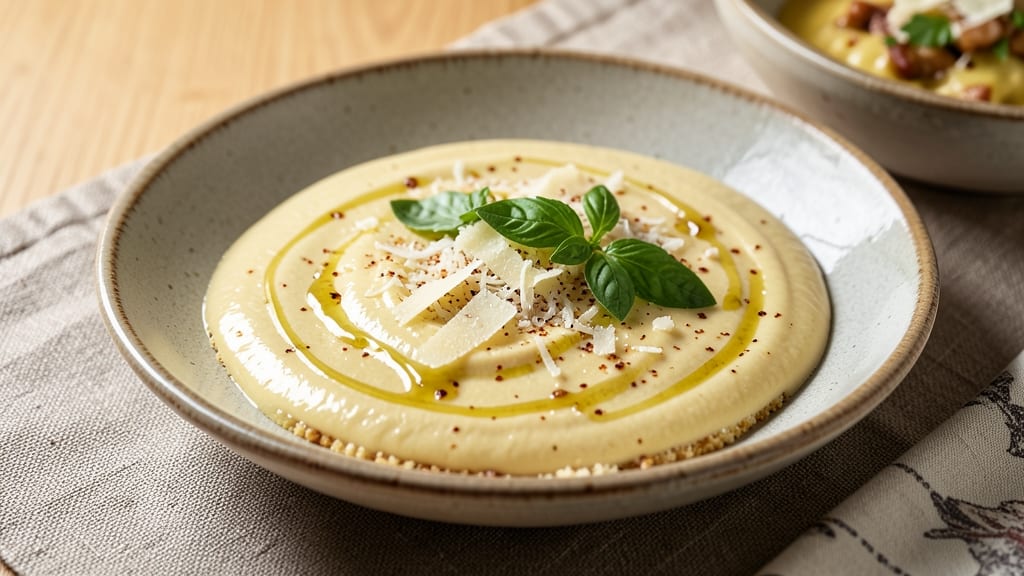
This Italian-style Alfredo sauce recipe delivers the creamy, velvety perfection you crave without the heavy, greasy aftermath. The secret lies in a proper roux and gradual emulsification—techniques that transform simple ingredients into a restaurant-worthy sauce.
I've perfected this version over years of testing, ensuring it coats pasta beautifully while staying light enough for vegetables or grilled meats.
The foundation begins with butter and flour cooked to a golden roux, which serves as the sauce's backbone. Heavy cream and freshly grated Parmesan cheese are added gradually to prevent curdling, while garlic and white wine (optional) infuse authentic Italian flavor.
The sauce thickens and smooths as it simmers, creating that signature silky texture that clings perfectly to any dish.
What sets this recipe apart is its balance—rich enough to satisfy, yet light enough to avoid that dreaded "too heavy" feeling. The sauce maintains its velvety consistency even when reheated, making it ideal for meal prep or last-minute dinners.
Perfect for fettuccine, chicken, or as a dipping sauce, this version stays true to Italian tradition while being foolproof for home cooks.
Ready in just 15 minutes, this sauce requires minimal effort but delivers professional results. The key is patience during the emulsification process—letting the sauce come together gradually ensures a smooth, lump-free finish. Once mastered, this will become your go-to recipe for creamy, comforting Italian flavors without the fuss.
Ingredients for alfredo sauce recipe italian style
Nine essential ingredients transform into restaurant-quality Alfredo sauce with velvety perfection.
| Ingredient | Amount | Notes |
|---|---|---|
| Unsalted Butter 🧈 | ¾ cup | Cold, cubed for even cooking |
| All-Purpose Flour 🌾 | ½ cup | Sifted for smooth texture |
| Heavy Cream 🥛 | 2 cups | Full-fat for richness |
| Freshly Grated Parmesan Cheese 🧀 | 1 ½ cups | Block, not pre-grated |
| Garlic Cloves 🧄 | 4 cloves | Minced for aromatic depth |
| Dry White Wine 🍷 | ¼ cup | Optional, Pinot Grigio preferred |
| Diamond Crystal Kosher Salt 🧂 | ½ tsp | Adjust to taste |
| Freshly Ground Black Pepper 🌶️ | ¼ tsp | For subtle heat balance |
| Extra-Virgin Olive Oil 🫒 | 1 tbsp | For final emulsification |
The butter and flour form the sauce's golden roux foundation—cook them low and slow to avoid browning. European-style unsalted butter from brands like Plugrá or Land O'Lakes delivers optimal flavor. For flour, King Arthur or Bob's Red Mill all-purpose varieties create the smoothest texture. The Parmesan must be freshly grated from a block—pre-shredded contains anti-caking agents that prevent proper emulsification. Look for Parmigiano-Reggiano at specialty stores like Whole Foods or Eataly for authentic Italian flavor.
No heavy cream? Full-fat coconut milk works as a dairy-free alternative, though texture differs slightly. Substitute wine with an equal amount of chicken or vegetable stock if avoiding alcohol. For a lighter version, reduce cream to 1.5 cups and add 0.5 cup whole milk. The olive oil at the end is critical—it prevents curdling and adds luxurious silkiness. California avocado oil or Italian extra-virgin both excel here. For extra depth, infuse the cream with a garlic clove or sprig of fresh thyme while heating.
Store finished sauce in an airtight container with a thin layer of plastic wrap pressed directly on the surface to prevent skin formation. Keeps 4-5 days refrigerated or 3 months frozen. For reheating, warm gently over low heat, adding a splash of milk or cream if it thickens too much. This sauce freezes beautifully—portion into ice cube trays for perfect single-use portions. The roux stage is where most mistakes happen; never rush this step—patience ensures that signature velvety texture.
Why You'll Love This Recipe
- Pantry Magic: I swear by this sauce because it uses stuff I already have—no special trips to the store. Butter, flour, cream, Parmesan—just melt, whisk, and simmer. That’s it. Even my least-cooking friend could nail it.
- Garlic Butter Bliss: The moment that minced garlic hits the butter? Pure flavor payoff. Rich, nutty Parmesan ties it all together—creamy but never heavy. It’s the kind of sauce that makes you close your eyes mid-bite.
- Weeknight Wonder: Toss it with fettuccine for dinner, slather it on grilled chicken for lunch, or drizzle it over roasted veggies. Honestly, I’ve used it for everything from pasta to baked potatoes, and it never lets me down.
- Leftover Goldmine: Make a double batch—it reheats like a dream and tastes even better the next day. Freezes perfectly too, so I always have a backup for lazy nights. Budget-friendly? Absolutely. Worth every penny? Without question.
Step-by-step instructions for Italian-style Alfredo sauce
This method delivers authentic, velvety Alfredo sauce with perfect balance—never heavy or grainy.
Create the Roux for Smooth Emulsification
In a medium saucepan over medium heat, melt the 0.75 cup unsalted butter until it's fully liquid but not browned. Add the 0.5 cup all-purpose flour all at once and whisk constantly for 2-3 minutes until the mixture turns a pale golden color and smells nutty.
The key here is patience—don't rush the roux or it will darken and develop a bitter flavor. You're building the foundation for your sauce, so take your time whisking. When it reaches that perfect pale hue, you're ready for the next step. I like to test it by dipping a spoon in water—if the water beads up, your roux is properly emulsified.
Infuse with Aromatics and Deglaze
Reduce the heat to medium-low and add the 4 minced garlic cloves. Cook for 30 seconds until fragrant—don't let it brown or it will turn bitter. Immediately pour in the 0.25 cup dry white wine (if using) and stir vigorously for 1 minute until the wine completely evaporates.
This deglazing step captures all the flavor from the pan and prevents any potential bitterness from lingering. The wine adds brightness that balances the richness of the cream and cheese. If you're skipping the wine, simply add 2 tablespoons of water instead to maintain moisture in the roux.
Build the Sauce with Cream and Cheese
Slowly pour in the 2 cups heavy cream while whisking continuously to prevent lumps from forming. Bring the mixture to a gentle simmer over medium heat, then reduce heat to low and let it cook for 5-7 minutes until it thickens enough to coat the back of a spoon.
Now gradually add the 1.5 cups freshly grated Parmesan cheese, whisking constantly until fully melted and smooth. The sauce should be thick but still silky—if it's too thick, thin it with 1-2 tablespoons of warm milk or pasta water. This gradual addition prevents clumping and ensures a velvety texture. Taste and adjust seasoning with 0.5 teaspoon kosher salt and 0.25 teaspoon black pepper.
Finish with Olive Oil for Stability
Remove the sauce from heat and let it sit for 2 minutes to cool slightly. This resting period allows the flavors to meld. Then stir in the 1 tablespoon extra-virgin olive oil—this final step is crucial for stabilizing the sauce and preventing separation.
The olive oil creates a protective layer that keeps the sauce from breaking when combined with pasta water later. For the best results, serve immediately over freshly cooked fettuccine or tagliatelle. The sauce should coat the noodles completely with a glossy, creamy finish that clings beautifully without being overly rich.
Pro Tips For Making Alfredo Sauce Recipe Italian Style
- Melt Butter Slowly: I learned this the hard way—dumping cold butter into the pan and ending up with greasy, grainy sauce. Instead, melt the butter over medium-low heat until it’s fully liquid and just starting to foam (about 3-4 minutes). This keeps the sauce smooth and prevents lumps when you add the flour.
- Toast the Flour First: Skip the "just stir it in" approach—cook the flour in the melted butter for 1-2 minutes until it’s lightly golden. This removes the raw flour taste and builds a deeper, nuttier base for the sauce. (Yes, it’s worth the extra minute.)
- Use Whole Garlic Cloves: No need to mince or press—just smash 1-2 cloves with the flat of your knife before adding them to the butter. They’ll infuse flavor without burning, and you can fish them out later. (Bonus: your sauce won’t taste like garlic paste.)
- Strain the Cream: Heavy cream has a way of turning lumpy when heated, no matter how gentle you are. For a silky texture, strain it through a fine-mesh sieve before adding it to the roux. (I know, it’s an extra step—but your sauce will thank you.)
Flavor customization for these flavors
Classic vs. Lightened
For a traditional Alfredo sauce, stick to the full-fat version with 2 cups heavy cream and 1.5 cups Parmesan—this delivers that iconic, velvety richness. But if you want a lighter take, swap 1 cup of the cream for whole milk and reduce Parmesan to 1 cup.
I've found this version still coats beautifully while cutting calories by about 30%. The key is to add the milk gradually while whisking to maintain smoothness. 🥛
Herb-Infused Variations
Fresh herbs elevate Alfredo sauce without altering its creamy base. For a basil twist, stir in 2 tbsp chopped fresh basil at the end (add it to the warm sauce, not the simmering pot, to preserve flavor).
For garlic lovers, infuse the cream by simmering it with 1 whole garlic clove (removed after 5 minutes) before adding to the roux. A thyme-infused version uses 1 sprig fresh thyme in the cream—simmer for 3 minutes before straining. 🌿
Spicy & Smoky Profiles
Add heat with ½ tsp red pepper flakes or 1 tsp hot honey stirred in at the end. For smoky depth, replace ¼ cup of the wine with 2 tbsp smoked paprika (whisked into the roux) or add 1 tsp liquid smoke to the finished sauce.
I recommend testing with ½ tsp first—smoky flavors can overpower the delicate creaminess. Balance with a pinch more Parmesan to enhance umami. 🌶️
Dairy-Free Adaptations
For a vegan Alfredo, replace butter with ½ cup olive oil, use 2 cups full-fat coconut milk (canned, not light), and substitute Parmesan with 1 cup nutritional yeast plus ½ cup vegan hard cheese (like Violife).
Add 1 tbsp lemon juice to brighten the flavor. The sauce will be slightly thinner but still clings well to pasta. For extra creaminess, blend in 2 tbsp silken tofu at the end. 🌱
Umami Boosters
Enhance depth with 1 tsp fish sauce or ½ tsp miso paste (whisked into the warm sauce). A splash of pasta water (½ cup) while simmering adds natural starch for better cling.
For a mushroom umami, sauté ¼ cup finely chopped shiitake mushrooms with the garlic before deglazing. These additions work especially well with lighter versions where richness needs support. 🍄
Nutrition facts
Frequently asked questions
Why does my Alfredo sauce turn out grainy or lumpy?
Graininess usually happens when the Parmesan cheese isn't fully melted or when the sauce isn't whisked constantly during cooking. Always use freshly grated cheese from a block (never pre-shredded) and whisk vigorously while adding the cream and cheese. For extra smoothness, strain the finished sauce through a fine-mesh sieve. The key is patience—never rush the emulsification process!
Can I make Alfredo sauce without wine?
Simply replace the 0.25 cup dry white wine with 2 tablespoons of water or 2 tablespoons of chicken/vegetable stock to maintain moisture in the roux. The wine adds brightness, but it's not essential for a delicious sauce. The garlic will still infuse flavor without needing the wine's acidity to balance it.
How do I prevent my sauce from separating when reheating?
Separation happens when the sauce breaks down from heat or moisture. To fix it, stir in 1-2 tablespoons of warm milk or heavy cream while reheating over low heat. For prevention, always store the sauce with a thin layer of plastic wrap pressed directly on the surface to minimize contact with air. When reheating, keep the heat gentle and whisk constantly.
What's the best way to use leftover Alfredo sauce?
Leftover sauce freezes beautifully—portion into ice cube trays for perfect single-use portions. Thaw overnight in the fridge, then reheat gently with a splash of milk or cream. It also works well as a creamy dip for breadsticks, a topping for baked potatoes, or a sauce for grilled chicken. Just avoid mixing it with acidic ingredients like tomato sauce, as this can cause curdling.
Can I make this sauce dairy-free?
Yes! For a dairy-free version, replace butter with ½ cup olive oil, use 2 cups full-fat coconut milk, and substitute Parmesan with 1 cup nutritional yeast plus ½ cup vegan hard cheese. Add 1 tablespoon lemon juice to brighten the flavor. The texture will be slightly lighter but still cling well to pasta. For extra creaminess, blend in 2 tablespoons silken tofu at the end.