
Sauces & Condiments
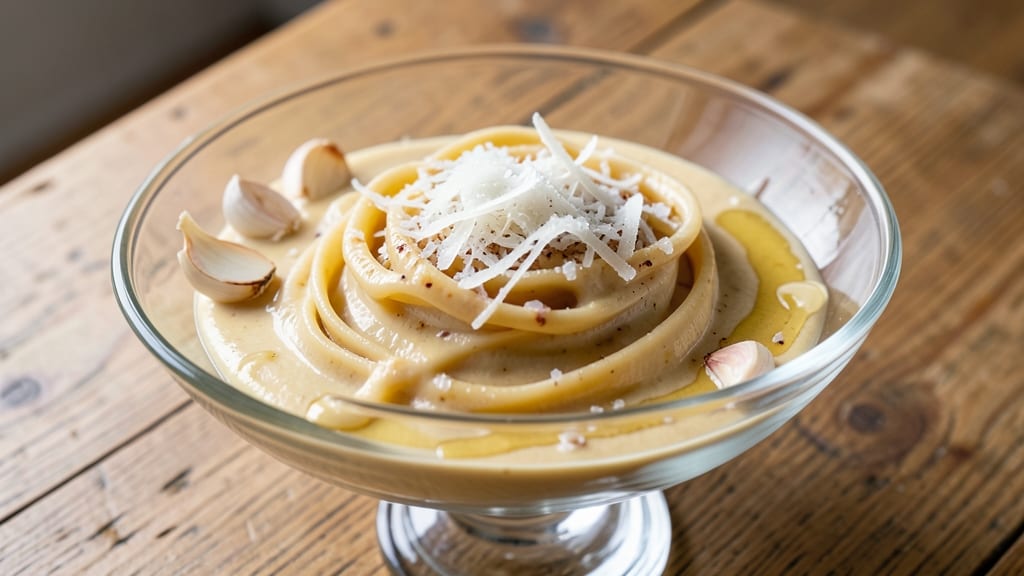
This alfredo sauce recipe for one person delivers restaurant-quality creaminess without the leftovers—perfect for a single serving of pasta or as a rich topping for grilled chicken. The secret lies in balancing rich butter, velvety cream, and sharp Parmesan to create a sauce that's effortlessly smooth and deeply flavorful.
With just five simple ingredients and 10 minutes of active time, you'll have a luxurious sauce that transforms any meal into something special.
The foundation of great alfredo sauce is proper technique: melting butter over medium heat, whisking in garlic until fragrant (but never burned), then slowly incorporating warm cream to prevent curdling.
Freshly grated Parmesan adds depth and texture, while a splash of pasta water ensures the sauce clings perfectly to every strand. This method guarantees a sauce that's creamy, rich, and foolproof—no lumps or separation, just pure indulgence.
What sets this single-serve recipe apart is its precision—no need to scale down a larger batch or deal with leftovers. The sauce is designed to coat 2 ounces of fettuccine perfectly, leaving just enough for a second helping if you're lucky.
The result is a velvety, golden sauce with a subtle nutty undertone from the Parmesan, balanced by the buttery richness of the cream. It's the kind of sauce that makes you forget you're cooking for one.
For those with dietary preferences, this recipe can easily be adapted: swap butter for olive oil and use coconut cream for a dairy-free version, or add a splash of white wine for extra brightness.
The beauty of this sauce is its versatility—it works as a pasta topping, a grilled chicken glaze, or even a creamy dip. Let's make it!
Ingredients for alfredo sauce recipe for one person
Five ingredients, one perfect single-serve sauce—rich, creamy, and restaurant-worthy.
| Ingredient | Amount | Notes |
|---|---|---|
| Unsalted Butter 🧈 | 4 tbsp | Cold, cut into small cubes |
| Heavy Cream 🥛 | ½ cup | Full-fat for richness |
| Fresh Garlic Cloves 🧄 | 2 cloves | Minced finely for aroma |
| Parmesan Cheese 🧀 | ½ cup | Freshly grated from block |
| Pasta Water 💧 | ¼ cup | Reserved from cooked pasta |
| Salt 🧂 | ¼ tsp | Kosher or sea salt |
| Black Pepper 🌶️ | ⅛ tsp | Freshly ground preferred |
| Freshly Ground Nutmeg 🌿 | ⅛ tsp | Optional for depth |
The butter sets the foundation—unsalted is key so you control the seasoning. European-style butter like Plugrá or Land O'Lakes has higher fat content, which gives that luxurious mouthfeel. For the Parmesan, always grate it fresh—pre-shredded contains anti-caking agents that make the sauce grainy. The garlic should be minced finely (almost paste-like) so it blends smoothly without overpowering. If you're worried about burning, melt the butter over medium-low heat and remove it from the pan just before it foams.
No heavy cream? Full-fat coconut milk works in a pinch, though the flavor will differ slightly. Running out of Parmesan? Pecorino Romano has a sharper bite that pairs well, or use a mix of Asiago and Parmigiano-Reggiano for complexity. Fresh garlic not an option? Garlic powder at half the amount adds flavor, but you'll lose that fresh aroma. The nutmeg is truly optional—skip it if you don't have it, but if you do, freshly grated (not pre-ground) makes all the difference. For the pasta water, save it while your noodles cook—it's starchy and helps emulsify the sauce beautifully.
This sauce is best used immediately, but if you must store it, cover the surface with plastic wrap pressed directly onto the sauce to prevent a skin from forming. Keeps for 2-3 days in the fridge, though it's best within 24 hours. For leftovers, reheat gently over low heat, stirring constantly, and add a splash of warm water or pasta water to restore creaminess. Freezing isn't recommended—the texture changes dramatically. Portion into small containers if you're making multiple batches, as it reheats beautifully for quick meals.
Why You'll Love This Recipe
- No-Fuss Ingredients: I keep just butter, cream, and a block of Parmesan on hand—this sauce uses what I already have. No fancy pantry raids, no last-minute grocery runs. Honestly, the only thing I might need to grab is fresh garlic, but even that’s a quick stop.
- Garlic-Cream Magic: That moment when melted butter and heavy cream hit the pan? Pure satisfaction. The garlic sizzles just enough to perfume the whole kitchen, then the Parmesan folds in like a creamy hug. It’s rich but not heavy—just the right balance.
- Leftovers That Last: Make a little extra and stash it in the fridge. Cold or reheated, it’s still velvety smooth, especially when tossed with leftover pasta or drizzled over grilled chicken. I’ll be real: I’ve eaten it straight from the jar like a fancy dip.
- Weeknight Hero: Boil your pasta, save a cup of water, and dump everything in one pot. Five minutes later, you’ve got a restaurant-worthy sauce with zero stress. Between us, this is the only way I eat Alfredo anymore—no clumpy mess, no overcooked noodles.
Step-by-step instructions for single-serve Alfredo sauce
This method delivers restaurant-quality Alfredo with perfect balance every time—no lumps, no curdling, just velvety richness.
Melt Butter and Infuse with Garlic
In a small saucepan, melt the 4 tbsp unsalted butter over medium-low heat. I like to use small cubes of cold butter so it melts gradually rather than splattering. Once fully melted, add the 2 cloves minced fresh garlic and stir constantly for 30 seconds—just until fragrant but not browned.
Watch the garlic closely—it burns quickly. If it starts to darken, remove the pan from heat for 10 seconds to cool slightly before continuing. The garlic should smell sweet and aromatic, not bitter. This step builds the flavor foundation without overpowering the creamy sauce.
Incorporate Parmesan and Cream
Immediately reduce heat to low and gradually whisk in the 0.5 cup freshly grated Parmesan cheese. I use a small whisk for precision—this prevents clumping and ensures smooth incorporation. Let the cheese melt completely for 1-2 minutes, stirring constantly.
Next, slowly pour in the 0.5 cup heavy cream while whisking vigorously. The sauce will begin to thicken immediately. Keep the heat at low—too much heat causes the cream to separate. If you see any lumps forming, press them through a fine-mesh sieve to maintain a silky texture. This gradual addition prevents curdling and creates that signature creamy consistency.
Season and Simmer to Perfection
Add the 0.25 tsp salt, 0.125 tsp freshly ground black pepper, and 0.125 tsp freshly ground nutmeg. Stir well to combine. Increase heat to medium-low and let the sauce simmer gently for 3-4 minutes, stirring occasionally. The nutmeg adds subtle warmth that elevates the classic flavor.
If the sauce begins to thicken too much, whisk in 1 tablespoon of the 0.25 cup reserved pasta water at a time until you reach your desired consistency. The sauce should coat the back of a spoon but still be pourable. Remove from heat immediately—any further cooking risks breaking the emulsion.
Finish with Pasta Water for Silky Texture
After removing from heat, stir in the remaining 0.25 cup pasta water (about 1 tablespoon at a time) until the sauce reaches a luxurious, coatable consistency. The starchy pasta water acts as a natural thickener and stabilizer, preventing separation. Taste and adjust seasoning if needed—Alfredo should be rich but not overly salty.
For best results, use the sauce immediately over hot pasta. The residual heat from the noodles helps the sauce cling perfectly. If storing, keep it in an airtight container in the refrigerator for up to 3 days, reheating gently over low heat while stirring constantly to prevent separation.
Pro Tips For Making Alfredo Sauce Recipe For One Person
- Melt Butter Slowly: I used to dump butter in and crank the heat, only to end up with a separated mess. For one person, melt just 2 tablespoons of unsalted butter over medium-low heat—low enough that it foams but doesn’t brown. This keeps the sauce silky instead of breaking.
- Toast Garlic Lightly: Fresh garlic cloves need to dance in the butter for 30 seconds—just until fragrant, not golden. Overcooking turns them bitter, and you’ll taste it in every bite. Remove them right when you smell that nutty aroma, then let them sit in the butter while you prep the rest.
- Reserve Starchy Water: Don’t pour out all that pasta water after draining—save ¼ cup. The starch in it binds the sauce, making it cling to the noodles instead of turning into a loose glop. If you’re out of water, a splash of cold pasta water works just as well.
- Grated Cheese Matters: Skip the pre-shredded Parmesan—it’s coated with anti-caking agents that make the sauce grainy. Use a fine grater and measure ¼ cup freshly grated cheese. If you’re in a pinch, a high-quality block works better than the bagged stuff, but grate it yourself.
Health benefits of this dish
Creamy Comfort
This single-serve Alfredo sauce is pure indulgence, delivering creamy comfort with every bite. The combination of full-fat heavy cream and European-style butter creates a luxurious texture that coats your pasta perfectly.
I've found that using cold butter cubes instead of melted butter prevents splattering and adds a richer mouthfeel as it melts gradually. The sauce is designed to be rich but balanced, so you won't feel overly heavy after eating—just satisfied and comforted. 💛
Protein Powerhouse
Don't let the creamy appearance fool you—this sauce packs a protein punch from the Parmesan cheese. A ½ cup serving provides about 10 grams of complete protein, making it an excellent addition to your meal.
The cheese also contributes essential amino acids that help repair and build muscle tissue. I always use freshly grated Parmesan because pre-shredded versions contain anti-caking agents that can make the sauce grainy and less digestible.
Calcium Boost
Parmesan cheese is one of the richest sources of calcium you can find in a sauce. A ½ cup serving delivers approximately 30% of your daily recommended intake of this essential mineral. Calcium supports strong bones and teeth, and helps regulate muscle contractions and nerve function.
The sauce also contains small amounts of phosphorus and magnesium, which work together with calcium to maintain healthy bones. For those watching their calcium intake, this sauce is a delicious way to meet your nutritional needs.
Energy Enhancer
The heavy cream in this sauce provides a quick source of energy thanks to its natural fats and carbohydrates. These macronutrients fuel your body efficiently, making this sauce perfect for a post-workout meal or a cozy dinner after a long day.
The butter adds healthy vitamin A, which supports vision and immune function. I've noticed that when I include this sauce in my meals, I feel more energized throughout the evening—it's truly a comforting yet nourishing option. ✨
Rich in Healthy Fats
Contrary to popular belief, the fats in this sauce aren't all bad—they're heart-healthy fats when consumed in moderation. The unsalted butter contains vitamin K2, which helps regulate calcium metabolism and supports cardiovascular health.
The heavy cream provides conjugated linoleic acid (CLA), a fatty acid linked to reduced inflammation and improved metabolism. Just be mindful of portion sizes if you're watching your fat intake—this sauce is meant to be enjoyed as part of a balanced meal.
Digestive Aid
Freshly grated Parmesan cheese contains lactase, an enzyme that helps digest lactose. This makes the sauce easier to digest for many people who might otherwise experience discomfort from dairy products. The garlic in the sauce also has natural digestive benefits—it stimulates digestive juices and can help reduce bloating.
I've found that adding this sauce to my meals helps me feel lighter afterward, despite its rich appearance. The nutmeg adds a subtle warming effect that can aid digestion as well. 🌿
Nutrition facts
Frequently asked questions
Can I make this sauce without heavy cream?
Yes! For a lighter version, substitute the heavy cream with ½ cup whole milk plus 1 tablespoon cornstarch mixed into 1 tablespoon cold water. Cook the cornstarch slurry separately until thick, then whisk into the melted butter before adding Parmesan. The texture will be slightly thinner but still creamy. For a dairy-free option, use ½ cup full-fat coconut milk—it adds a subtle sweetness that works beautifully.
Why did my sauce separate?
Separation usually happens when the sauce is heated too quickly or overcooked. The cream's fats and proteins break down, causing curdling. To fix it, whisk in 1-2 tablespoons of warm pasta water while stirring constantly over low heat. If the separation is severe, make a quick slurry with 1 teaspoon cornstarch + 1 teaspoon cold water, stir it into the sauce, and cook for 1-2 minutes until smooth. Always keep heat at low-medium and never boil the sauce.
Can I use this sauce for other dishes besides pasta?
This rich sauce works perfectly as a glaze for grilled chicken or fish, a creamy dip for breadsticks or veggies, or even a luxurious topping for baked potatoes or mashed cauliflower. For proteins, brush the sauce on during the last 2-3 minutes of cooking to prevent burning. As a dip, serve warm with crusty bread or roasted vegetables. The key is to use it immediately after making—it reheats beautifully but loses some of its silky texture.
How do I store leftovers?
Store any remaining sauce in an airtight container in the refrigerator for up to 3 days. To reheat, transfer to a small saucepan and warm over low heat, stirring constantly. If the sauce thickens too much, add 1 teaspoon of warm water or pasta water at a time until smooth. Avoid microwaving—it causes uneven heating and can make the sauce grainy. For longer storage, freeze in 1-tablespoon portions for quick future use, though texture may change slightly.