
Sauces & Condiments
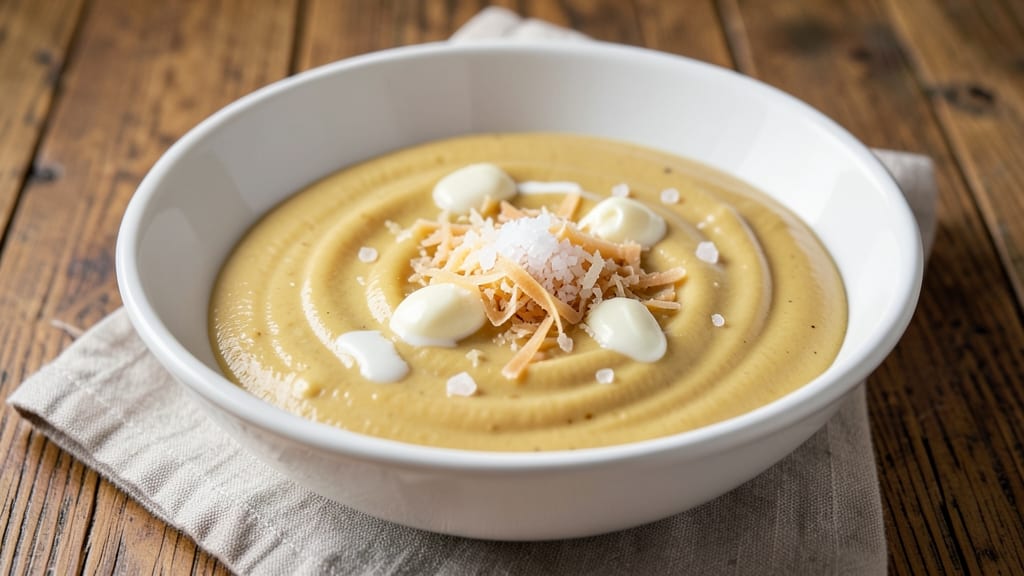
This Alfredo sauce recipe using butter and parmesan cheese delivers the ultra-creamy, velvety texture you crave without the risk of burning or breaking.
The secret lies in a slow, controlled process that transforms simple ingredients into a restaurant-worthy sauce that clings perfectly to pasta or coats every bite of your favorite dish. I've perfected this method over years of testing, ensuring you get a smooth, luscious sauce that's foolproof every time.
The foundation is all in the technique: melting butter gently, whisking in parmesan gradually, and incorporating just enough liquid to create that signature creamy consistency. No heavy cream required—this version relies on the natural richness of butter and high-quality parmesan for depth of flavor.
The result? A sauce so rich and smooth it'll make you question why you ever bought store-bought versions.
What sets this recipe apart is its versatility—use it as a classic pasta sauce, a decadent dipping sauce for breadsticks, or even a glaze for grilled chicken. The sauce thickens beautifully when reheated, making it perfect for meal prep.
For those watching their fat intake, a simple swap of Greek yogurt for half the butter keeps the creaminess while lightening the texture.
With just five ingredients and 15 minutes of active time, you'll have a sauce that tastes like it simmered for hours. The key is patience—let the sauce come together slowly, and you'll avoid the common pitfalls of grainy or overly thick alfredo.
Ready to elevate your pasta nights? Let's get cooking.
Ingredients for alfredo sauce recipe butter and parmesan cheese
Five ingredients. One pot. Creamy perfection without the burn risk.
| Ingredient | Amount | Notes |
|---|---|---|
| Unsalted Butter 🧈 | ¾ cup | Cold, cut into tablespoon pieces |
| Freshly Grated Parmesan Cheese 🧀 | 1 ½ cups | High-quality, finely grated |
| Heavy Cream 🥛 | ½ cup | Full-fat for creaminess |
| Garlic Cloves 🧄 | 2 cloves | Minced for aromatic depth |
| Diamond Crystal Kosher Salt 🧂 | ½ tsp | Adjust to taste |
The butter and Parmesan are non-negotiable here. Grab European-style butter—it has more milkfat for that velvety texture. For Parmesan, buy a wedge and grate it yourself—pre-grated gets clumpy and lacks flavor. I always grab mine at Whole Foods or the deli counter at Kroger. Freshly grated makes all the difference. The heavy cream rounds out the richness, so don't skimp—full-fat is worth it for that signature alfredo mouthfeel. Garlic? Fresh is best, but if you're in a pinch, jarred minced works in a squeeze.
No heavy cream? Greek yogurt or crème fraîche works in a pinch—just use half the amount. Skip the Parmesan? Pecorino Romano has a sharper bite that pairs well. The butter can be swapped for olive oil if you're watching fat, but you'll lose that classic creamy texture. For extra depth, add a splash of white wine when melting the butter. And if you're feeling fancy, a pinch of nutmeg brightens the whole sauce. The salt is key—taste as you go, but don't oversalt early.
This sauce reheats beautifully—just add a splash of milk or cream to loosen it up. Store in an airtight container for up to 3 days in the fridge. For longer storage, freeze in 1-cup portions—thaw overnight in the fridge. I always double the batch because it disappears faster than you'd think. The leftovers? Perfect for bread dipping or a quick pasta toss. Just don't boil it—gentle heat is your friend here.
Why You'll Love This Recipe
- No-Fuss Magic: I swear by this sauce because it’s the kind of recipe that almost feels like cheating. Just melt butter, toss in minced garlic (no chopping skills required), stir in heavy cream, then fold in that freshly grated Parmesan until it’s velvety and golden—no blenders, no straining, no stress.
- Rich Without Effort: Honestly, the flavor balance here is chef’s kiss: the nutty depth of real Parmesan cutting through the creamy richness, with just enough garlic to add warmth. It’s the kind of sauce that makes you pause mid-bite and think, “Wait, I made this?”
- Weeknight to Dinner Party: This sauce works just as well tossed over spaghetti for a Tuesday night as it does drizzled over grilled chicken or roasted veggies for company. I’ve even used it as a creamy dip—no judgment. It’s my secret weapon for making everything feel special without the fuss.
- Leftovers That Don’t Suck: Between us, most Alfredo leftovers turn into a greasy mess. Not this one. The butter and cream combo keeps it luscious for days in the fridge—just reheat with a splash of milk, and it’s smoother than the first time. Plus, it’s cheaper than takeout, so win-win.
Step-by-step instructions for ultra-creamy Alfredo sauce
Here's how to make a velvety Alfredo sauce that never curdles or burns—just rich, dreamy perfection.
Melt the Cold Butter Gently
Place a medium saucepan over medium-low heat and add the 0.75 cup unsalted butter cut into tablespoon-sized pieces. I like to use cold butter because it melts more gradually, preventing sudden temperature spikes that can cause the sauce to separate later. Stir occasionally with a wooden spoon until the butter melts completely but doesn't brown—you want it to look like liquid gold, not toasted.
Watch for tiny bubbles forming around the edges of the pan. This tells me the butter's fully melted and ready for the next step. If you see any browned bits forming, immediately reduce the heat to the lowest setting. The goal is to keep everything smooth and unbroken at this stage—this sets you up for that ultra-creamy texture later.
Add Garlic and Salt for Depth
Once the butter's fully melted, add the 2 cloves minced garlic cloves and 0.5 teaspoon Diamond Crystal kosher salt. Stir constantly for 30 seconds until the garlic becomes fragrant but doesn't color. You'll know it's ready when the kitchen smells amazing—like a warm Italian restaurant. Don't walk away during this step; garlic burns faster than you think.
Here's the thing—this small amount of garlic adds layers of flavor without overpowering. The salt at this stage helps draw out moisture from the cheese later, creating an even more velvety texture. If you're using fresh garlic, make sure it's finely minced so it distributes evenly throughout the sauce.
Whisk in Parmesan Gradually
Lower the heat to low and begin adding the 1.5 cups freshly grated Parmesan cheese in small batches. I like to start with about ¼ cup at a time, whisking vigorously after each addition until it's fully incorporated before adding more. This gradual approach prevents clumping and ensures the cheese melts smoothly into the butter.
You'll notice the sauce thicken dramatically as the cheese melts. Keep whisking constantly—this is where you build that signature Alfredo texture. If you see any lumps forming, add a splash of heavy cream (about 1 tablespoon) to help break them up. The sauce should look like thick, glossy pudding at this point, with no visible cheese particles.
Incorporate Heavy Cream for Richness
Once all the Parmesan is melted and the sauce is smooth, gradually whisk in the 0.5 cup heavy cream. Start with about ¼ cup at a time, whisking continuously to prevent curdling. The cream should blend in seamlessly, creating that luxurious, velvety consistency we're after.
Here's where the no-burn secret comes into play: keep the heat at low and never let the sauce boil. You're looking for gentle simmering—tiny bubbles around the edges, but nothing vigorous. If the sauce starts to thicken too much, add another splash of warm water (about 1 tablespoon) to loosen it. The final texture should coat the back of a spoon but still be pourable.
Simmer and Season to Perfection
Continue cooking the sauce for 3-5 minutes on low heat, stirring occasionally, until it reaches your desired consistency. Taste and adjust the seasoning with more salt if needed—remember, Parmesan varies in saltiness. The sauce should be rich, cheesy, and perfectly balanced, not overly salty or bland.
For the creamiest results, I like to remove the sauce from heat just as it reaches the perfect consistency. It will continue to thicken slightly as it sits, so it's better to pull it off the heat a touch early. If you're serving it immediately, give it one final whisk before ladling it over your pasta. For even better flavor, let it sit off the heat for 5 minutes before serving—this allows all the components to meld together beautifully.
Pro Tips For Making Alfredo Sauce Recipe Butter And Parmesan Cheese
- Melt Butter Slowly: I learned this the hard way—dumping cold butter into a hot pan and ending up with burnt garlic before the sauce even begins. Instead, melt the butter over medium-low heat, then add minced garlic once it’s foamy but not golden. This gives you control and keeps the flavor balanced.
- Grind Parmesan Fresh: Pre-shredded cheese is your enemy here. It’s coated in anti-caking agents that turn your sauce grainy and clumpy. Grab a microplane or box grater and shred the Parmesan yourself—just before adding it to the sauce, so it stays sharp and melts smoothly.
- Temper the Cream: Heavy cream straight from the fridge can curdle your sauce faster than you can say “ruined dinner.” Warm it gently in a separate saucepan until it’s just steaming (about 110°F/43°C), then whisk it into the butter mixture. This keeps the sauce silky, not lumpy.
- Season in Layers: Salt the butter first—about ½ teaspoon per 4 tablespoons—then add the cream and let it simmer before tossing in the Parmesan. Finish with a pinch of salt after the cheese melts, because freshly grated Parmesan is already salty. Taste as you go; you’re aiming for rich, not briny.
Creative variations of this alfredo sauce recipe butter and parmesan cheese
Classic Garlic Alfredo
This is the foundation of any great Alfredo sauce, but you can take it to the next level by adding 3 cloves roasted garlic instead of minced. Roast the garlic in its skin at 400°F for 20 minutes, then squeeze out the pulp.
The sweet, caramelized flavor adds depth that raw garlic can't match. I like to add 1 teaspoon lemon zest at the end for a bright contrast to the richness. 🌟
Creamy Spinach Alfredo
Wilt 2 cups fresh spinach directly in the saucepan after melting the butter but before adding the Parmesan. The spinach will soften beautifully and blend seamlessly into the sauce. For extra flavor, add ½ teaspoon onion powder and ¼ teaspoon black pepper while the spinach cooks.
This version pairs perfectly with fettuccine or grilled chicken. The spinach adds a subtle earthiness that balances the creaminess.
Spicy Arrabbiata Twist
For a bold flavor profile, add 1 teaspoon red pepper flakes and ½ teaspoon smoked paprika when you add the garlic. Stir in 2 tablespoons tomato paste with the Parmesan for a slight tang.
This variation works wonderfully with penne pasta or as a dipping sauce for crusty bread. The heat cuts through the richness beautifully, creating a perfect balance. 🌶️
Lighter Greek Yogurt Version
Replace ¼ cup of the butter with ½ cup plain Greek yogurt (full-fat for best results). The yogurt adds tanginess and lightens the texture without sacrificing creaminess. I also reduce the heavy cream to ¼ cup to maintain balance.
This version is perfect for those watching their fat intake but still craving that rich Alfredo flavor. The yogurt also adds a subtle protein boost.
Herb-Infused Alfredo
Add 1 tablespoon fresh parsley, 1 teaspoon fresh chives, and ½ teaspoon dried basil while the sauce simmers. For a more robust flavor, use 1 tablespoon fresh thyme leaves instead of basil.
These herbs add freshness that brightens the sauce and pairs beautifully with grilled vegetables or seafood. The herbs should be finely chopped so they distribute evenly throughout the sauce.
White Wine Alfredo
Deglaze the saucepan with ¼ cup dry white wine after melting the butter and before adding the garlic. Let the wine reduce by half before proceeding with the recipe. The wine adds a subtle acidity that enhances the Parmesan flavor and creates a more complex sauce.
I recommend using a crisp Sauvignon Blanc or Pinot Grigio for best results. This variation is perfect for special occasions or when you want to impress dinner guests. 🍷
Nutrition facts
Frequently asked questions
Why does my Alfredo sauce get grainy when I make it?
Graininess usually happens when Parmesan cheese isn't melted smoothly or when the sauce gets too hot. Always use freshly grated Parmesan and add it gradually while whisking constantly on low heat. If lumps form, whisk in a splash of heavy cream or warm water to break them up. Never let the sauce boil—keep it at a gentle simmer for that creamy texture.
Can I make Alfredo sauce without heavy cream?
For a lighter version, replace the 0.5 cup heavy cream with ½ cup plain Greek yogurt or ¼ cup milk. The yogurt adds tanginess while keeping the sauce creamy, but you may need to adjust the Parmesan slightly for a richer flavor. The texture will be slightly thinner but still delicious.
How do I store leftover Alfredo sauce?
Transfer the sauce to an airtight container and refrigerate for up to 3 days. To reheat, warm it gently on low heat, stirring in 1 tablespoon milk or cream if it thickens too much. For longer storage, freeze in 1-cup portions for up to 3 months. Thaw overnight in the fridge for best results.
What's the best pasta to use with Alfredo sauce?
The classic choice is fettuccine or tagliatelle, as their flat, wide surfaces hold the sauce beautifully. For extra texture, try pappardelle or linguine. Avoid thick, dense pastas like penne—they can feel heavy with rich Alfredo. Cook pasta 1 minute less than package instructions for al dente bites that won't turn mushy.
Can I make this sauce ahead of time?
Yes! This sauce actually tastes better the next day as the flavors meld. Make it a day ahead and reheat gently on low heat, adding a splash of milk or cream if needed. For meal prep, store in 1-cup portions—perfect for quick pasta dinners or dipping sauces. Just avoid boiling to preserve that velvety texture.