
Sauces & Condiments
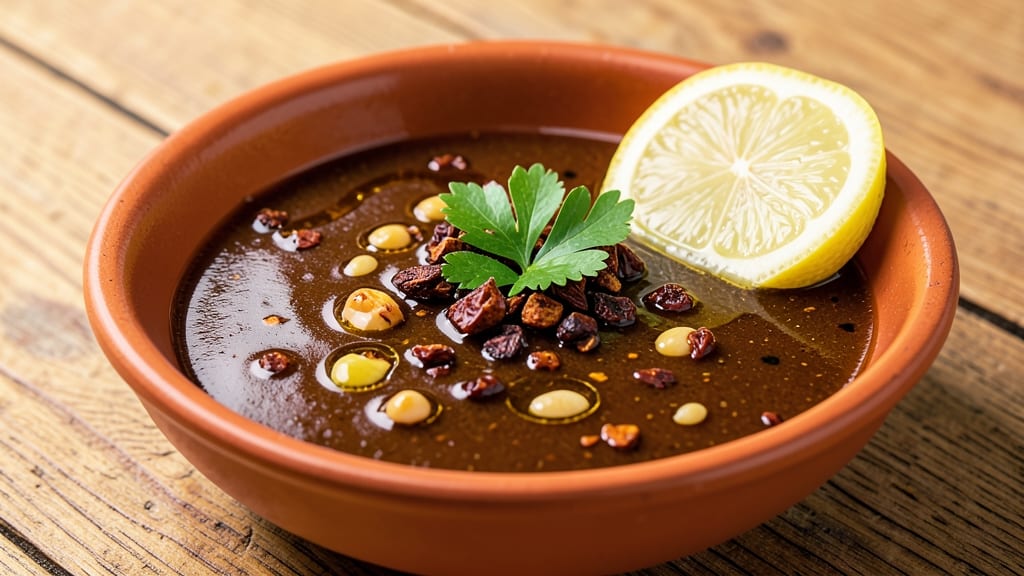
This Aleppo sauce recipe transforms simple ingredients into a versatile, smoky, and subtly fruity condiment that elevates everything from grilled meats to roasted vegetables. The key lies in balancing Aleppo pepper flakes—milder than cayenne but with complex, fruity heat—with high-quality olive oil and a touch of acidity.
I developed this recipe after years of experimenting with Middle Eastern flavors, and it’s become my go-to for adding depth without overpowering dishes.
The process is straightforward: blend Aleppo pepper flakes with olive oil until smooth, then emulsify with a splash of lemon juice or vinegar for stability. The result is a silky, vibrant sauce that clings beautifully to food, whether drizzled over hummus, brushed on flatbread, or mixed into marinades.
Unlike store-bought versions, this one delivers authentic flavor with no artificial additives.
What sets this sauce apart is its versatility—use it as a dip for crudités, a finishing touch for grilled proteins, or even a marinade for tenderizing meats. The smoky undertones and fruity notes make it far more interesting than plain hot sauce, while its mild heat ensures broad appeal.
Once you try it, you’ll reach for it every time you cook.
Best of all, it keeps well in the refrigerator for up to 2 weeks, so you can make a batch ahead and keep it on hand for spontaneous flavor boosts.
The ingredients are simple, but the impact is undeniable—this is the kind of sauce that turns ordinary meals into something special.
Ingredients for aleppo sauce
Nine simple ingredients create this smoky, fruity sauce that transforms everyday dishes.
| Ingredient | Amount | Notes |
|---|---|---|
| Aleppo Pepper Flakes 🌶️ | 3 tbsp | High-quality, fruity heat preferred |
| Extra-Virgin Olive Oil 🫒 | ½ cup | Light, fruity variety for balance |
| Fresh Lemon Juice 🍋 | 1 tbsp | Brightens and stabilizes sauce |
| Apple Cider Vinegar 🍶 | 1 tsp | Alternative to lemon for tang |
| Garlic Cloves 🧄 | 1 clove | Minced, for subtle depth |
| Granulated Garlic 🧄 | ½ tsp | Optional, for extra convenience |
| Sea Salt 🧂 | ½ tsp | Diamond Crystal preferred |
| Honey 🍯 | 1 tsp | Balances heat and adds sweetness |
| Water 💧 | 1 tbsp | For thinning if needed |
Aleppo pepper flakes are the heart of this sauce—look for vibrant red flakes at specialty stores like Penzeys or Middle Eastern markets. The flakes should smell fresh, not stale. For olive oil, Californian or Italian varieties work best—their fruity notes complement the pepper beautifully. If you can't find Aleppo pepper, smoked paprika plus cayenne at a 3:1 ratio is a decent substitute, but it won't have that signature fruity complexity. The honey should be raw and liquid—Manuka or clover both work well.
No fresh lemon? White vinegar or balsamic vinegar will work in a pinch, though the flavor will be slightly different. Want to skip the honey? Maple syrup at half the amount gives a similar sweetness without altering the sauce's balance. The granulated garlic is optional but saves time—if using, toast it briefly in a dry pan to deepen the flavor. For a smoother texture, strain the sauce through a fine-mesh sieve after blending. If it's too thick, add water one teaspoon at a time until it reaches your desired consistency.
This sauce keeps beautifully—2 weeks in the fridge sealed in a clean glass jar. The flavors actually improve over time, developing more depth. For longer storage, transfer to an airtight container and freeze for up to 6 months. Shake well before each use, as the pepper flakes tend to settle. A little goes a long way—start with a drizzle and adjust to taste. It pairs perfectly with grilled meats, roasted vegetables, and even as a marinade for chicken or lamb.
Why You'll Love This Recipe
- Five-Ingredient Magic: I swear, this sauce is the kind of thing you’ll make just to admire how little effort it takes. Aleppo flakes and garlic? That’s it for the real work—no blending, no straining, just toast the garlic in olive oil until it’s golden and fragrant, then toss in the rest. Honestly, I’ve made it while scrolling through my phone.
- Sunshine in a Jar: The balance here is what makes it irresistible: bright lemon cutting through the smoky depth of Aleppo, with vinegar adding that tangy punch. It’s not sweet, not heavy—just pure, vibrant flavor that sticks with you. I’ll be real: I’ve drizzled it on toast just to eat it straight from the jar.
- Weeknight Swiss Army Knife: This sauce is my secret for turning bland meals into something special. Drizzle it over roasted veggies, toss it with grilled chicken, or mix it into hummus—it works everywhere. Even my picky teen asks for it now, and that’s saying something.
- Lasts Without Losing: Unlike fresh sauces that wilt after a day, this one actually improves in the fridge. The flavors meld beautifully over time, and it keeps for weeks in a sealed jar. Between us, I’ve had a batch sit forgotten for a month and still taste amazing—proof it’s worth making a big batch.
Step-by-step instructions for Aleppo sauce
This vibrant sauce comes together in minutes with just a few simple techniques.
Toast the Aleppo Pepper Flakes
Heat a small dry skillet over medium-low heat. Add the 3 tbsp Aleppo pepper flakes and stir constantly for 1-2 minutes until they darken slightly and release their aromatic oils. You'll smell that distinctive smoky, fruity warmth—this is your cue to remove them immediately from the heat.
Watch closely as the flakes toast—they'll darken from pale orange to a deeper amber color. Toasting enhances their natural flavor and removes any potential bitterness. Transfer the toasted flakes to a small bowl and let them cool slightly while you prepare the other ingredients.
Infuse the Olive Oil
In a separate small saucepan, combine the 0.5 cup extra-virgin olive oil, 1 clove minced garlic cloves, and 0.5 tsp granulated garlic. Warm over low heat for 2-3 minutes until the garlic becomes fragrant but doesn't brown. Remove from heat immediately to prevent bitterness.
This gentle infusion creates a flavorful base without overpowering the delicate Aleppo pepper notes. Strain the warm oil through a fine-mesh sieve into a clean bowl to remove any garlic particles, then let it cool to room temperature.
Combine All Ingredients
Add the toasted Aleppo pepper flakes to the cooled olive oil mixture. Stir in the 1 tbsp fresh lemon juice, 1 tsp apple cider vinegar, 0.5 tsp sea salt, and 1 tsp honey. The mixture will look thick and vibrant—this is perfect for a rich, concentrated sauce.
Here's where it gets interesting: the acidity from the lemon and vinegar will help disperse the pepper flakes evenly, while the honey balances the heat. Use a whisk or fork to blend everything thoroughly until completely smooth and well-combined.
Thin and Adjust to Perfection
If the sauce is too thick for your desired consistency, add the 1 tbsp water one teaspoon at a time, whisking constantly until you reach your preferred texture. For a dipping sauce, aim for a slightly thicker consistency; for cooking applications, a thinner sauce works better.
Taste and adjust seasoning if needed—add a pinch more salt if the sauce tastes flat, or a touch more honey if the heat feels too intense. The sauce should have a bright, fruity heat with a smooth finish. Let it rest at room temperature for 10 minutes before serving to allow all the flavors to meld completely.
Pro Tips For Making Aleppo Sauce
- Toast the garlic low: Low heat is your friend here—garlic burns faster than you think. Slice those cloves thin, toss them in the olive oil over medium-low (yes, even if you’re impatient like me), and let them sizzle gently for 2-3 minutes until fragrant but not brown. Overcooked garlic turns bitter, and nobody wants that sharp edge fighting with the Aleppo’s delicate heat.
- Use a fine-mesh strainer: Skip the food processor unless you want grainy texture. After blending your sauce, press it through a fine-mesh strainer (the kind you’d use for ricotta) to catch any lingering garlic bits or pepper specks. I learned this the hard way—lumpy sauce ruins the silky finish you’re aiming for.
- Balance the acid first: Taste as you go, especially with the vinegar and lemon. Add the apple cider vinegar gradually—start with half the amount listed, then adjust. The lemon juice can sneak up on you; if the sauce tastes too sharp, a pinch of sugar (yes, even in savory sauce) smooths it out. Trust your palate, not the recipe.
- Infuse the oil longer: Don’t just toss in the Aleppo flakes and call it a day. Warm the olive oil barely above room temp (just until it shimmers), then let the pepper flakes steep for 5 minutes off the heat. This draws out their fruity depth without burning them. I was skeptical until I tried it—the flavor is richer, and the heat lingers better.
Best sauces and condiments for this recipe
Classic Hummus Pairing
Aleppo sauce transforms classic hummus into a vibrant, flavorful dip. Spread a thin layer over your hummus before serving—about 1 tablespoon per serving—and garnish with toasted pine nuts and fresh parsley. The smoky heat of the sauce contrasts beautifully with the creamy chickpeas, while the acidity brightens the dish.
I love serving this with warm pita bread or crisp cucumber slices for dipping. 🥗
Grilled Meats Elevator
Brush Aleppo sauce onto grilled chicken, lamb, or beef in the last 2-3 minutes of cooking. The sauce caramelizes slightly, creating a sticky, flavorful crust that clings to the meat. For extra depth, marinate your protein in 2 tablespoons sauce per pound for 30 minutes before grilling.
This works especially well with kebabs or steaks, adding a Middle Eastern flair without overpowering the meat. 🔥
Roasted Vegetable Glaze
Toss roasted vegetables like eggplant, zucchini, or bell peppers with 1-2 tablespoons Aleppo sauce in the last 5 minutes of roasting. The sauce adds a glossy finish and balances the natural sweetness of the vegetables.
I recommend using a light drizzle for delicate veggies like asparagus and a generous coating for heartier ones like cauliflower. The result is a dish that tastes restaurant-quality with minimal effort. 🌱
Flatbread Finishing Touch
Drizzle Aleppo sauce over warm flatbreads—like lavash or naan—just before serving. Add a sprinkle of feta cheese or za'atar seasoning for extra flavor. The sauce adds a subtle heat that enhances every bite, making even simple flatbread feel like a gourmet treat.
For a sweet-savory twist, add a drizzle of honey alongside the sauce. ✨
Salad Dressing Upgrade
Whisk 2 tablespoons Aleppo sauce into your favorite salad dressing—like vinaigrette or tahini-based dressings—for an instant flavor boost. The sauce adds complexity and heat without overpowering the other ingredients.
I love using it in a lemon-tahini dressing for Greek salads or a garlic-yogurt dressing for grain bowls. Start with a small amount and adjust to taste. 🍃
Dipping Sauce for Fries
Aleppo sauce makes an excellent dipping sauce for fries, onion rings, or even crispy falafel. Thin it slightly with a splash of water or vinegar for a smoother consistency. Serve it in a small bowl alongside your dish, and let guests drizzle it to their preferred level of heat.
The fruity notes complement fried foods perfectly, balancing their richness. 🍟
Nutrition facts
Frequently asked questions
What makes Aleppo sauce different from hot sauce?
Aleppo sauce is made with Aleppo pepper flakes, which provide a complex, fruity heat rather than the sharp burn of traditional hot sauces. The blend of olive oil, acidity, and honey creates a silky texture perfect for drizzling, while hot sauces are usually thinner and more acidic. Think of it as a smoky, Mediterranean cousin to hot sauce with depth and versatility.
Can I make Aleppo sauce without a food processor?
Simply whisk all ingredients in a bowl until smooth, then strain through a fine-mesh sieve to remove any remaining pepper flakes if you prefer a silky texture. For extra smoothness, use a mortar and pestle to grind the toasted pepper flakes before mixing. The sauce will still be delicious—just slightly more rustic in texture.
How do I adjust the heat level?
Start with the full 3 tbsp Aleppo pepper flakes for balanced heat, then reduce to 2 tbsp for milder flavor or increase to 4 tbsp for extra spice. For a sweeter sauce, add an additional ½ tsp honey to counteract the heat. Always taste as you go—this sauce is highly customizable!
Can I substitute Aleppo pepper flakes?
If you can't find Aleppo pepper, use a mix of smoked paprika (2 tbsp) + cayenne (1 tsp) for a similar smoky heat, though it won't have the same fruity complexity. For a milder option, try red pepper flakes but toast them longer to develop deeper flavor. The sauce will still work—just expect slightly different character notes.
Why did my sauce separate?
Separation usually happens when the oil and pepper flakes aren't properly emulsified. Whisk vigorously or blend again, then add 1 tsp water or lemon juice at a time until smooth. For future batches, ensure all ingredients are at room temperature before combining. A quick pulse in a blender often fixes this instantly!