
Sauces & Condiments
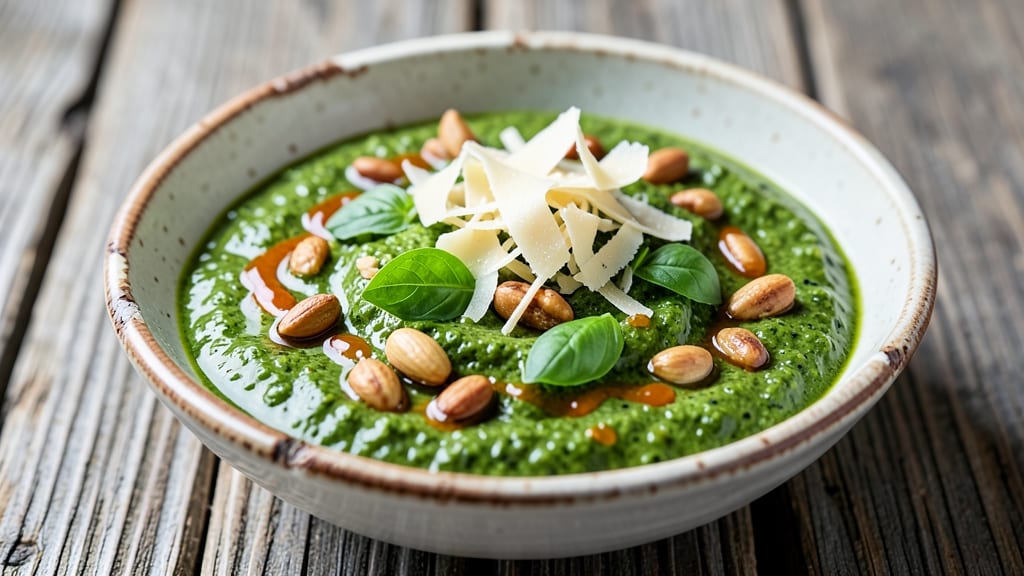
Aldi's store-brand ingredients make this homemade pesto sauce bold, fresh, and budget-friendly—no jar required. The secret lies in balancing fresh basil, garlic, and high-quality olive oil (even their affordable brands deliver) with toasted nuts for texture and aged cheese for depth.
This recipe transforms simple pantry staples into a versatile sauce that elevates pasta, sandwiches, and dips with restaurant-quality flavor.
The process is straightforward: pulse basil, nuts, garlic, and cheese in a food processor until smooth, then stream in olive oil to create a vibrant green sauce with rich, herby notes. Toasting the nuts first enhances their flavor, while using Parmesan or Pecorino adds that signature umami kick.
The result is a sauce that's fresher than store-bought but costs a fraction of the price—perfect for stretching your grocery budget without sacrificing taste.
What sets this pesto apart is its versatility—toss it with hot pasta for a quick meal, spread it on sandwiches for added depth, or serve it as a dip with crusty bread.
The sauce also stores beautifully in the fridge for up to a week or freezes for months, making it ideal for meal prep. Whether you're feeding a family or meal prepping for the week, this recipe delivers bold, fresh flavor without the hassle.
For an extra touch, finish with a squeeze of lemon juice before serving to brighten the flavors. The key to success? Don’t over-process the basil—just enough to blend smoothly while keeping those fresh, vibrant notes intact.
This is pesto that proves homemade can taste better than anything you’ll find in a jar.
Ingredients for aldi pesto sauce
Aldi's budget-friendly ingredients deliver restaurant-quality pesto—fresh, vibrant, and packed with bold basil flavor.
| Ingredient | Amount | Notes |
|---|---|---|
| Fresh Basil Leaves 🌿 | 2 ½ cups | Packed, stems removed, vibrant green |
| Aldi Store-Brand Pine Nuts 🥜 | ½ cup | Toasted until fragrant, unsalted |
| Garlic Cloves 🧄 | 4 cloves | Peeled, roughly chopped for bold flavor |
| Aldi Store-Brand Parmesan Cheese 🧀 | ¾ cup | Freshly grated from block, aged |
| Aldi Store-Brand Extra-Virgin Olive Oil 🫒 | ¾ cup | High-quality, fruity, cold-pressed |
| Lemon Juice 🍋 | 1 tbsp | Freshly squeezed, seedless |
| Diamond Crystal Kosher Salt 🧂 | ½ tsp | Fine grain, enhances flavor |
| Freshly Ground Black Pepper 🌶️ | ¼ tsp | Freshly cracked for maximum aroma |
Aldi’s store-brand cheese and olive oil are surprisingly high-quality—Parmesan should be aged at least 12 months for depth, and the olive oil should be labeled 'extra-virgin' for that fruity punch. Pine nuts are the priciest part, but Aldi’s bulk section often has the best price per ounce. Toast them in a dry pan for 2-3 minutes until fragrant—this step makes all the difference. For the basil, look for leaves that are bright green and crisp, not wilted or yellowing. If you’re on a tight budget, you can substitute half the basil with fresh parsley, though the flavor will be slightly milder.
No pine nuts? Walnuts or cashews work in a pinch—just toast them first for that nutty depth. Short on Parmesan? Pecorino Romano has a sharper bite, or use nutritional yeast for a vegan-friendly option. The olive oil can be swapped for avocado oil if you prefer a milder taste, though it won’t have the same fruity notes. If you’re making this ahead, skip the lemon juice until serving—it keeps the sauce vibrant longer. For a smoother texture, pulse the basil and nuts slightly longer, but don’t over-blend or you’ll lose that fresh, herby brightness.
This pesto keeps beautifully in the fridge for up to 1 week if stored in an airtight container with a thin layer of olive oil on top to preserve color. For longer storage, freeze in ice cube trays—just thaw and stir before using. The sauce thickens as it chills, so add a splash of water or olive oil if it becomes too stiff. Double the batch and freeze half for future meals—it’s perfect for quick pasta dinners or sandwich spreads. Always taste before serving and adjust salt or lemon as needed.
Why You'll Love This Recipe
- No Pulse Needed: I just toss the basil, pine nuts, garlic, and cheese into my food processor—no chopping, no stress. The Aldi olive oil does the work while I sip my coffee, and honestly? It’s done before I finish my first cup.
- Garlic-Basil Magic: That first bite? The fresh basil brightens everything, while the toasted pine nuts add crunch, and the garlic—oh, the garlic—gives it this depth that makes it taste like you slaved over it. (Between us, it’s foolproof.)
- Pasta Party Starter: Drizzle it over spaghetti for a weeknight win, but it’s also my go-to for bruschetta or a quick chicken salad. The Aldi Parmesan keeps it rich without breaking the bank, and it turns even simple meals into something that feels special.
- Lasts All Week: Make a big batch—it keeps for days in the fridge, and I swear, it gets better the next day. Perfect for tossing with leftover roasted veggies or stirring into soup when I’m too tired to cook. Plus, using Aldi’s store-brand ingredients cuts costs without sacrificing flavor.
Step-by-step instructions for Aldi pesto sauce
Here's how to make vibrant, restaurant-quality pesto using Aldi's budget-friendly ingredients.
Toast the Pine Nuts for Maximum Flavor
Heat a dry skillet over medium-low heat. Add the 0.5 cup Aldi Store-Brand Pine Nuts and toast them for 3-4 minutes, stirring constantly. You're looking for nuts that smell fragrant and turn a few shades darker—this releases their natural oils and deepens their flavor. Watch carefully; pine nuts burn quickly and develop a bitter taste. Transfer them immediately to a small bowl to cool while you prepare the remaining ingredients.
Don't skip this step—properly toasted nuts make the difference between good pesto and extraordinary pesto. The aroma should fill your kitchen, signaling they're ready. If you don't have a skillet, you can toast them in a dry toaster oven at 325°F for 5-6 minutes, shaking the pan occasionally.
Pulse Basil, Garlic, and Cheese in a Food Processor
Place the 2.5 cups Fresh Basil Leaves (stems removed), 4 cloves Garlic Cloves (peeled), and 0.75 cup Aldi Store-Brand Parmesan Cheese (freshly grated) into a food processor. Pulse in short bursts—about 8-10 seconds per pulse
I like to stop and scrape down the sides with a silicone spatula between pulses to ensure even blending. The mixture should look like a chunky, green salsa at this stage. If your food processor has a pulse button, use it instead of continuous blending to maintain texture. With the food processor running, slowly drizzle in the 0.75 cup Aldi Store-Brand Extra-Virgin Olive Oil through the feed tube. This gradual addition prevents the processor from overheating and ensures the oil emulsifies properly with the other ingredients. Process for another 30-45 seconds until the mixture becomes smooth but still retains some texture. The sauce should coat the back of a spoon but still hold its shape when drizzled. Here's the thing—you want a sauce that's thick enough to cling to pasta but thin enough to drizzle easily. If it's too thick, add 1 teaspoon of olive oil at a time until it reaches your desired consistency. If it's too thin, you can't fix it later—this is why gradual addition matters. Transfer the pesto to a medium bowl and stir in the 1 tbsp Lemon Juice, 0.5 tsp Diamond Crystal Kosher Salt, and 0.25 tsp Freshly Ground Black Pepper. The lemon brightens the flavors and balances the richness of the cheese and nuts. Taste immediately—the acidity should cut through the fat, creating a well-rounded flavor profile. Adjust the seasoning if needed, adding more salt or pepper as necessary. This is your quality control moment. The pesto should taste vibrant, herby, and well-balanced—not overpowering with any single ingredient. If it tastes flat, add a pinch more salt. If it's too acidic, you can stir in a tiny bit more olive oil to mellow the lemon. The texture should be smooth with just a hint of chunkiness from the basil and garlic. Transfer the pesto to an airtight container and press a piece of plastic wrap directly onto the surface to prevent oxidation. Store it in the refrigerator for up to 5 days or freeze it for up to 3 months. When ready to use, give it a good stir—it may thicken slightly when refrigerated, so you can thin it with a splash of olive oil or warm pasta water as needed. For best results, use your fresh pesto within 2-3 days when possible. The vibrant green color and bright flavors fade over time, but it will still taste delicious. If you're making extra, consider freezing half of it immediately to preserve peak freshness. This pesto makes about 1.5 cups, perfect for coating 1 pound of pasta or serving as a dip.Gradually Add Olive Oil for Perfect Consistency
Finish with Lemon, Salt, and Pepper
Store Properly for Maximum Freshness
Pro Tips For Making Aldi Pesto Sauce
- TOAST THE PINE NUTS LOW: I learned this the hard way—crank the heat to medium-low and watch those pine nuts like a hawk. They burn faster than you’d think, and once they’re dark, they taste bitter. A minute max, stirring constantly, until they’re just golden and fragrant.
- STACK THE BASIL DRY: Wet basil wilts into a sad pulp. Pat those leaves thoroughly with paper towels before chopping—even if they look dry at first. This keeps your pesto bright green and prevents a watery, slimy texture that ruins the whole dish.
- GRATE THE PARMESAN FINE: Skip the pre-grated stuff—it’s full of anti-caking agents that turn your pesto grainy. Use a microplane or fine grater and work in batches if needed. The goal? Tiny, powdery bits that blend smoothly, not clumpy chunks lurking in every bite.
- PULSE THE GARLIC SMALL: Whole garlic cloves? Nope. Pulse 2-3 cloves in your food processor before adding the rest—just until they’re tiny specks, not a paste. This way, the flavor distributes evenly without overpowering the basil’s brightness. (Yes, even if you’re impatient like me.)
Pro cooking tips for great aldi pesto sauce
Toast Nuts Properly
Toast your pine nuts (or walnuts) in a dry skillet over medium-low heat for 3-4 minutes, stirring constantly. They should smell fragrant and turn slightly darker—this releases their natural oils and deepens their flavor.
Over-toasting burns them quickly, creating a bitter taste. If you don’t have a skillet, use a toaster oven at 325°F for 5-6 minutes, shaking the pan occasionally. 🥜
Pulse Basil Correctly
Use short bursts—8-10 seconds per pulse—in your food processor to blend the basil, garlic, and cheese. Over-processing turns pesto into a smooth paste, losing its vibrant texture. Stop when the mixture looks like chunky green salsa with visible flecks.
Scrape down the sides between pulses for even blending. If your processor has a pulse button, use it instead of continuous blending. 🌿
Add Olive Oil Gradually
With the food processor running, slowly drizzle in the olive oil through the feed tube. This prevents overheating and ensures proper emulsification. Process for 30-45 seconds until smooth but still slightly textured.
The sauce should coat the back of a spoon but hold its shape when drizzled. If too thick, add 1 teaspoon of olive oil at a time. 🫒
Balance Flavors with Lemon
Finish with lemon juice to brighten the pesto and cut through the richness of the cheese and nuts. Taste immediately and adjust seasoning—add more salt if flat or a splash of olive oil if too acidic.
The lemon should enhance, not overpower, the herby notes. This is your quality control moment! 🍋
Store with Freshness in Mind
Press plastic wrap directly onto the pesto’s surface in an airtight container to prevent oxidation. Refrigerate for up to 5 days or freeze for 3 months. For best results, use within 2-3 days to preserve vibrant color and flavor.
Thicken slightly when chilled? Thin with olive oil or warm pasta water before serving. ❄️
Nutrition facts
Frequently asked questions
Can I substitute walnuts or cashews for pine nuts in this pesto?
Walnuts or cashews work perfectly—just toast them first for 3-4 minutes until fragrant. Walnuts add a slightly earthier flavor, while cashews offer a milder, creamier texture. For extra richness, toast 0.5 cup walnuts or 0.4 cup cashews (they're denser) to replace the pine nuts.
Why does my pesto turn brown or lose its vibrant green color?
Oxidation causes browning—always press plastic wrap directly onto the pesto’s surface in an airtight container. For extra freshness, store it submerged under olive oil. The green color fades over time, but the flavor stays delicious for up to 5 days in the fridge or 3 months frozen.
How much pesto should I make for 1 pound of pasta?
This recipe yields about 1.5 cups, perfect for coating 1 pound of pasta (like penne or spaghetti). For extra flavor, toss the cooked pasta with 1/3 cup pesto and reserve the rest for sandwiches or dips. The sauce thickens when chilled, so thin with olive oil or pasta water if needed.
Can I make this pesto without a food processor?
Yes! Use a mortar and pestle for a rustic texture. Finely chop the basil, garlic, and cheese by hand, then mix with toasted nuts. Gradually add olive oil while mashing—it’ll be chunkier but still delicious. For a smoother version, blend in a blender instead of a food processor.
What’s the best way to use leftover pesto?
Spread it on sandwiches, stir into soups, or mix with Greek yogurt for a creamy dip. For extra flavor, toss with roasted veggies or grilled chicken. Freeze extras in ice cube trays—just thaw and stir before using. Never reheat pesto with dairy (like cheese) to avoid curdling.