
Sauces & Condiments
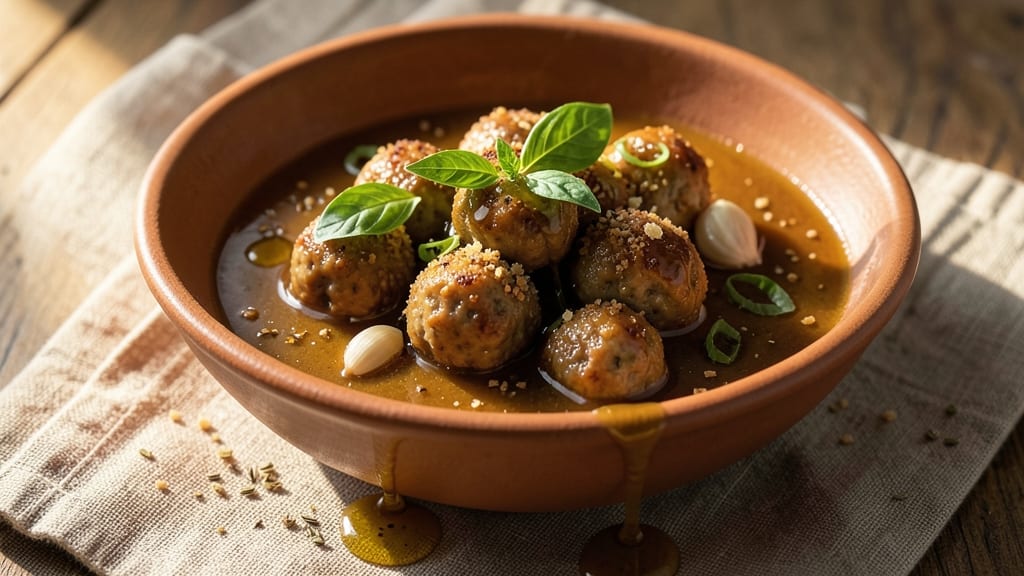
This albondigas sauce recipe transforms simple ingredients into a velvety tomato-basil masterpiece that elevates homemade meatballs to restaurant-quality. The secret lies in slow simmering—garlic, breadcrumbs, and fresh herbs meld into a rich, aromatic base that coats every bite.
I developed this version after years of testing, ensuring the sauce remains smooth without breaking, even when reheated.
What sets this sauce apart is its balance: bright tomato acidity, earthy garlic, and fragrant basil create depth without overpowering. The breadcrumbs thicken naturally, while a splash of vinegar at the end brightens the flavors.
Unlike many recipes, this version skips heavy cream for a lighter texture that still feels indulgent.
By the time you're done, you'll have a smooth, glossy sauce with just the right consistency—thick enough to cling to meatballs but still silky enough to coat the back of a spoon.
The aroma alone will have everyone asking what's for dinner, while the taste delivers that perfect harmony of Spanish comfort food.
Use it with classic albóndigas (meatballs), serve over pasta, or even drizzle it on grilled fish for a restaurant-worthy twist. The recipe scales easily, so double the batch for leftovers that taste even better the next day. Here's how to make it perfect every time.
Ingredients for albondigas sauce
Nine simple ingredients create a velvety sauce that elevates meatballs to restaurant-quality perfection.
| Ingredient | Amount | Notes |
|---|---|---|
| Extra-Virgin Olive Oil 🫒 | ½ cup | High quality, fruity variety |
| Garlic Cloves 🧄 | 4 cloves | Peeled and minced finely |
| Fresh Basil Leaves 🌿 | ½ cup | Packed, stems removed |
| Dried Oregano 🍃 | 1 tsp | Mexican oregano preferred |
| All-Purpose Flour 🌾 | ¼ cup | For thickening sauce |
| White Breadcrumbs 🍞 | ¼ cup | Dry, stale bread preferred |
| Canned San Marzano Tomatoes 🍅 | 2 cups | Crushed or finely chopped |
| Red Wine Vinegar 🍷 | 1 tbsp | For brightness |
| Salt 🧂 | 1 ½ tsp | Diamond Crystal preferred |
| Ground Black Pepper 🌶️ | ½ tsp | Freshly ground preferred |
The tomatoes are the foundation—San Marzano delivers the sweetest, most flavorful base. Trader Joe's and Whole Foods carry them canned, but if you must use regular crushed tomatoes, strain out excess seeds first. Fresh basil is non-negotiable for that bright, aromatic punch, though dried oregano at half the amount works in a pinch. For the breadcrumbs, stale bread is ideal—toss it in the toaster until crisp, then pulse in a food processor. The olive oil should be extra-virgin to prevent bitterness during simmering.
No red wine vinegar? White wine vinegar or apple cider vinegar both work, though they'll alter the flavor slightly. Short on basil? Substitute with 1 tbsp fresh parsley plus 1 tsp dried basil. Want extra richness? Add 1 tbsp tomato paste with the crushed tomatoes. The flour and breadcrumbs thicken the sauce naturally—if you prefer a smoother texture, whisk the flour into a cold liquid first to avoid lumps. For a deeper flavor, toast the breadcrumbs lightly in olive oil before adding them to the sauce.
This sauce tastes even better the next day as flavors meld. Store in an airtight container in the fridge for up to 5 days, or freeze for 3 months in portion-sized containers. Reheat gently on the stove, adding a splash of water or broth if it thickens too much. The sauce thickens as it cools, so it'll be perfect consistency when served. For leftovers, drizzle with a little extra olive oil before reheating to restore that glossy finish.
Why You'll Love This Recipe
- One-Pot Magic: Honestly, this sauce comes together in a single pan—no extra bowls, no mess. Just toss in the olive oil, garlic, and flour, let it bloom, then stir in the basil and oregano while the meatballs simmer. That’s it. Zero cleanup stress.
- Garlic-Basil Bomb: Between us, the fresh basil and crushed garlic cloves turn this into a flavor explosion. The oregano adds that earthy depth, while the olive oil keeps it rich without overpowering. It’s the kind of taste that makes you reach for seconds without thinking.
- Weeknight Workhorse: I make this for everything—over pasta, with grilled fish, even as a dip for crusty bread. The sauce thickens perfectly, so it’s ready when your albóndigas are done. No waiting, no fuss, just reliable comfort food.
- Budget-Friendly Luxury: Fresh basil might seem fancy, but a few leaves go a long way, and dried oregano stretches the flavor. Olive oil is cheap when you buy it in bulk, and the flour? Already in your pantry. It’s a restaurant-quality sauce for pennies.
Step-by-step instructions for albondigas sauce
This rich tomato-basil sauce builds flavor layer by layer—simple steps, professional results.
Sauté Garlic and Herbs in Olive Oil
Heat the 0.5 cup extra-virgin olive oil in a medium saucepan over medium-low heat. Add the 4 minced garlic cloves and cook for 1-2 minutes until they become fragrant but don't brown—this prevents bitterness. Stir in the 0.5 cup fresh basil leaves and 1 teaspoon dried oregano, cooking for another 30 seconds until the basil wilts slightly. The oil should shimmer gently, indicating it's ready for the next step.
I like to use Mexican oregano here—it adds a deeper, slightly citrusy flavor that pairs beautifully with the tomatoes. If your basil has tough stems, remove them before adding to avoid a gritty texture. The goal is to infuse the oil with aromatic compounds before building the sauce foundation.
Bloom the Flour and Breadcrumbs
Reduce heat to low and sprinkle in the 0.25 cup all-purpose flour, stirring constantly for 1 minute to cook out the raw flour taste. Immediately add the 0.25 cup white breadcrumbs and stir for another 30 seconds until lightly toasted. This creates a flavorful roux base that will thicken the sauce later.
Watch carefully—if the mixture darkens too quickly, reduce heat further. The breadcrumbs should develop a subtle nutty aroma. Using stale breadcrumbs ensures they'll toast properly without turning into paste. This step prevents the sauce from being too thin and gives it body.
Deglaze with Vinegar and Tomatoes
Pour in the 1 tablespoon red wine vinegar and stir vigorously for 30 seconds, scraping up any browned bits from the pan. This deglazing step captures all the flavor you've built so far. Add the 2 cups canned San Marzano tomatoes, breaking up any large chunks with a wooden spoon. Bring to a gentle simmer over medium heat and cook uncovered for 10 minutes, stirring occasionally.
The vinegar brightens the sauce and cuts through the richness of the oil. San Marzano tomatoes are sweeter and less acidic, which makes them ideal for this application. If your tomatoes are chunky, use a wooden spoon to mash them slightly against the pan's sides—this helps develop a smoother texture.
Season and Simmer to Perfection
Add the 1.5 teaspoons salt and 0.5 teaspoon ground black pepper, then reduce heat to low. Let the sauce simmer uncovered for 15-20 minutes, stirring occasionally, until it thickens to a consistency where it coats the back of a spoon. The sauce should be smooth with just a hint of chunkiness from the tomatoes.
Taste and adjust seasoning—you may need a pinch more salt or a splash of vinegar for brightness. The sauce should be rich but not overpowering, with the basil and oregano flavors shining through. If it thickens too much, whisk in 1-2 tablespoons water to reach your desired consistency. This simmering time allows all the flavors to meld beautifully.
Pro Tips For Making Albondigas Sauce
- Bloom the Oregano: Toss the dried oregano into the hot olive oil for 10 seconds before adding garlic—this wakes up the flavor and stops it from tasting like dust. I used to skip this and wondered why my sauce never had that warm, earthy depth.
- Cook Garlic Low: Once the garlic hits the pan, turn the heat down to medium-low and stir constantly—it burns faster than you think. Golden is good; brown means bitter. I learned this after one batch that tasted like a charred campfire.
- Toast the Flour: Let the flour cook in the oil for 30 seconds before adding liquid—it thickens better and adds a subtle nutty note. Sounds weird, but it works: the sauce won’t clump like glue.
- Reserve Some Basil: Chop half the basil finely for the sauce, but set aside the rest to fold in at the very end—this keeps the leaves bright and vibrant, not wilted into oblivion. (Yes, even if you’re impatient like me.)
Best sauces and condiments for this albondigas sauce
Classic Tomato-Basil
This is the foundational sauce for albóndigas, featuring San Marzano tomatoes and fresh basil for that authentic Spanish flavor. The red wine vinegar adds brightness, while Mexican oregano gives it depth.
I find this version works perfectly with both beef and pork meatballs, as the acidity helps cut through any richness. 🌿
For extra richness, add 1 tablespoon tomato paste when you introduce the tomatoes. This creates a deeper, more complex flavor without altering the sauce's natural balance. If you prefer a smoother texture, blend the sauce briefly with an immersion blender after simmering.
This keeps the sauce elegant while still capturing the tomatoes' natural body.
Creamy Parmesan Twist
For a restaurant-style upgrade, stir in ¼ cup grated Parmesan cheese and 2 tablespoons heavy cream during the final 5 minutes of simmering. The cream should be warmed separately to prevent curdling. This version pairs beautifully with baked albóndigas and feels luxurious without being overly heavy. 🧀
Use freshly grated Parmigiano-Reggiano for the best flavor. If you're short on time, Parmela cream cheese works in a pinch, though it lacks the same depth.
For a vegan option, substitute the cream with full-fat coconut milk and use nutritional yeast instead of Parmesan. The sauce will still be rich and satisfying.
Spicy Olive Tapenade
Add 2 tablespoons Kalamata olives and 1 teaspoon capers during the final 5 minutes of simmering for a briny, Mediterranean-inspired twist. For heat, stir in ½ teaspoon red pepper flakes or 1 chopped sun-dried tomato. This version works beautifully with grilled albóndigas or as a dipping sauce. 🫒
For extra texture, pulse the olives and capers in a food processor before adding them to the sauce. This creates a chunkier, more interesting mouthfeel. If you love olives, try adding 1 tablespoon chopped pitted Kalamata olives at the very end for a fresh, briny contrast.
The acidity from the olives balances the richness of the meatballs perfectly.
White Wine Reduction
Replace the tomatoes with 1 cup dry white wine (like Vermentino or Sauvignon Blanc) and reduce by half before adding the remaining ingredients. This creates a lighter, more elegant sauce that pairs beautifully with seafood albóndigas or chicken meatballs. 🍷
For depth, deglaze the pan with the wine after sautéing the garlic and herbs. Simmer until the wine reduces by half, then proceed with the rest of the recipe. If you prefer a creamier texture, stir in 2 tablespoons crème fraîche at the end.
This version is perfect for special occasions when you want a more refined flavor profile.
Herb-Infused Olive Oil
For a lighter, oil-based sauce, blend ½ cup extra-virgin olive oil with 2 tablespoons fresh basil, 1 tablespoon fresh parsley, 1 clove garlic, and a pinch of salt.
Drizzle over warm albóndigas or use as a finishing sauce. This version is ideal for summer meals when you want something fresh and bright. 🫒
Infuse the oil by gently heating it with the herbs for 5 minutes over low heat, then straining out the solids. For extra flavor, add 1 teaspoon lemon zest or ½ teaspoon red pepper flakes to the oil before blending.
This sauce works beautifully with grilled or baked meatballs and adds a vibrant, herby contrast to the dish.
Nutrition facts
Frequently asked questions
Can I make this sauce without fresh basil?
Yes, but the flavor will be less vibrant. Use 1 tablespoon dried basil plus 1 teaspoon dried oregano for a close substitute. For extra depth, add 1 teaspoon lemon zest or ½ teaspoon red pepper flakes to compensate for the missing freshness. The sauce will still taste good, just more earthy than herbaceous.
How do I fix a sauce that's too thick or too thin?
For a thin sauce, whisk in 1-2 tablespoons water or broth while simmering. For a thicker sauce, mix 1 teaspoon cornstarch with 2 tablespoons cold water, stir into the sauce, and simmer for 2-3 minutes until it reaches your desired consistency. Avoid adding flour directly to thicken—it can make the sauce grainy.
Can I make this sauce ahead of time?
This sauce tastes even better the next day as flavors meld. Store in an airtight container in the fridge for up to 5 days, or freeze for 3 months in portion-sized containers. Reheat gently on the stove, adding a splash of water if needed. The sauce thickens as it cools, so it'll be perfect consistency when served.
What's the best way to serve albondigas sauce?
This sauce is perfect with baked or pan-seared meatballs, but it also works over pasta, as a dipping sauce for crusty bread, or even drizzled over grilled fish. For extra presentation, garnish with fresh basil leaves or a sprinkle of grated Parmesan. The sauce's rich flavor makes it versatile for any Spanish-inspired meal.
Why does my sauce taste bitter?
Bitter flavor usually comes from overcooking the garlic or using low-quality olive oil. Always cook garlic until fragrant but not browned (1-2 minutes max), and use extra-virgin olive oil for the best flavor. If your sauce tastes bitter, balance it with a splash of red wine vinegar or a pinch of sugar to mellow the harshness.