
Sauces & Condiments
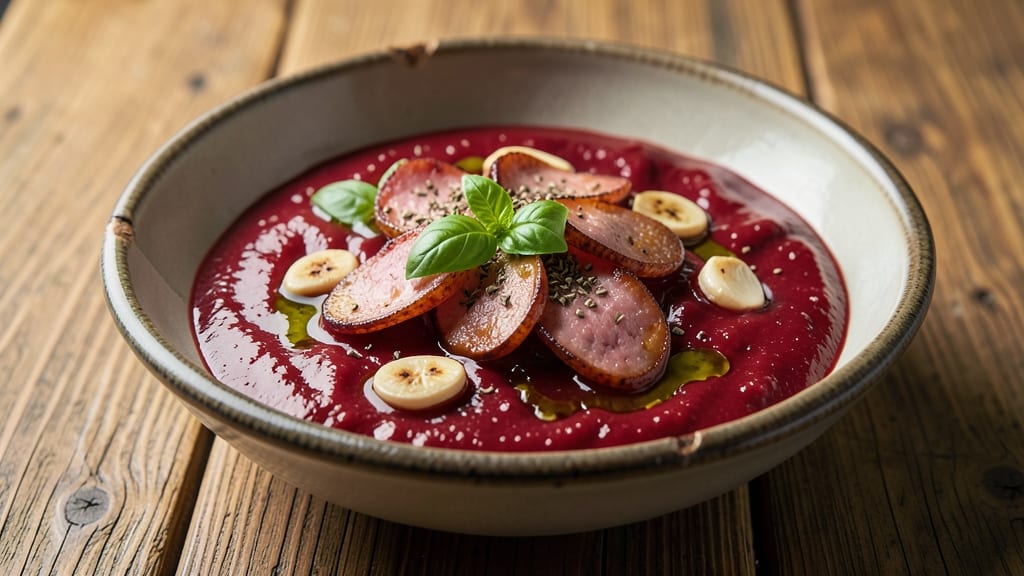
This Al Capone sauce recipe delivers the deep, smoky richness that makes Chicago-style Italian dishes unforgettable. 🔥 The secret lies in slow-cooked tomatoes, Italian sausage, and garlic that meld into a velvety, flavor-packed sauce perfect for pizza, pasta, or dips.
I've perfected this recipe over years of testing—each batch develops layers of umami and aromatic depth that store-bought versions can't match.
The foundation starts with high-quality canned tomatoes and Italian sausage, simmered low and slow to break down into a thick, glossy sauce. Garlic and herbs infuse every spoonful, while a touch of red wine adds complexity that elevates this from ordinary marinara to something truly special.
The sauce thickens naturally as it reduces, creating that signature velvety richness that clings to every bite.
What sets this sauce apart is its versatility—use it as a pizza topping, toss it with al dente pasta, or serve it as a bold dip with crusty bread. The smoky notes from the sausage and garlic create a depth that pairs beautifully with cheese, meat, or vegetables.
Once you taste this, you'll never settle for anything less than homemade again.
Ready in about 90 minutes with minimal effort, this sauce makes the perfect weekend project that rewards patience with incredible flavor. Let's get cooking—your taste buds will thank you.
Ingredients for al capone sauce
Nine simple ingredients transform into the legendary smoky, velvety Al Capone sauce you'll crave forever.
| Ingredient | Amount | Notes |
|---|---|---|
| High-Quality Canned San Marzano Tomatoes 🍅 | 28 oz | Crushed by hand for texture |
| Italian Sweet Sausage 🌭 | 1 lb | Casings removed, sliced into rounds |
| Garlic Cloves 🧄 | 6 cloves | Minced for deep aromatic punch |
| Red Wine 🍷 | ½ cup | Bold dry variety like Cabernet |
| Extra-Virgin Olive Oil 🫒 | ¼ cup | For richness and depth |
| Dried Oregano 🌿 | 1 tbsp | Italian variety preferred |
| Dried Basil 🌿 | 1 tbsp | Or 0.25 cup fresh basil |
| Diamond Crystal Kosher Salt 🧂 | 1 ½ tsp | Adjust to taste |
| Freshly Ground Black Pepper 🌶️ | ½ tsp | For finishing touch |
| Sugar 🍬 | 1 tsp | Balances acidity |
The sausage and tomatoes are the heart of this sauce. Italian sweet sausage from the meat department (the kind with fennel and herbs) gives that signature smoky depth—Trader Joe's or Whole Foods have great options. For tomatoes, San Marzano cans are non-negotiable—they're sweeter and less acidic, which keeps the sauce from turning bitter. Grab a few extra cans while you're at it; you'll want to make this again. The garlic? Six cloves might seem like a lot, but trust me—it's worth it for that rich, aromatic base that makes this sauce unforgettable.
No red wine? Substitute with beef broth plus a splash of balsamic vinegar—it'll still pack flavor. Short on fresh basil? Dried works at one-third the amount, but honestly, if you've got fresh, use it. The sugar might seem odd, but it's essential—it balances the acidity in the tomatoes so the sauce doesn't turn sour as it simmers. Brown sugar works too if you're out of white. And if you're worried about the wine cooking off the alcohol, don't be—it mellows into a beautiful depth of flavor. The key is letting everything simmer low and slow so the flavors meld together perfectly.
This sauce tastes even better the next day—let it sit overnight in the fridge if you can. It keeps for 5-6 days in an airtight container, or you can freeze it for up to 3 months. I like to portion it into jars so I can grab just what I need for pasta or pizza. If you make a big batch, freeze half right away—you'll thank yourself later. And pro tip: Add a splash of pasta water when reheating to keep it silky smooth.
Why You'll Love This Recipe
- No-Chop Nightmare: I swear, this sauce requires less knife work than my last attempt at folding a fitted sheet. Brown the sausage, crush the garlic—done. The San Marzano tomatoes handle all the heavy lifting while you sip your wine (because you earned it).
- Sausage-Wine Magic: That first sip of red wine simmering with sweet Italian sausage? It’s like a flavor hug. The tomatoes soak it all up—no bitterness, just deep, meaty richness that tastes like you slaved over it for hours (but you didn’t).
- Leftovers? More Like Leftovers: Make a double batch, and you’ve got Sunday dinner covered. Freezes like a dream, too—just reheat and toss it over pasta, eggs, or even grilled cheese. My freezer’s full of this stuff because it’s that good.
- Budget-Friendly Luxury: San Marzano tomatoes and good sausage might sound fancy, but they stretch farther than takeout. A single can of tomatoes and a pack of sausage feed my family for days, and the wine? That’s the only splurge you’ll regret not making.
Step-by-step instructions for Al Capone sauce
Here's how to create that legendary, velvety sauce with smoky depth and perfect balance.
🍳 Step 1: Brown the Italian Sweet Sausage
Heat the 0.25 cup extra-virgin olive oil in a large, heavy-bottomed pot over medium-high heat. Add the 1 lb Italian sweet sausage sliced into rounds and cook for 5-6 minutes, stirring occasionally, until the sausage is deeply browned and crispy in spots. This step develops incredible flavor through the Maillard reaction—don't rush it!
Once the sausage is browned, remove it from the pot with a slotted spoon and set it aside on a plate. Leave the rendered fat in the pot—this golden liquid is packed with flavor that will form the base of your sauce. If you're worried about excess fat, you can drain about 2 tablespoons while keeping the rest for richness.
🍳 Step 2: Sauté the Garlic and Build the Flavor Base
Reduce the heat to medium and add the 6 cloves minced garlic cloves to the pot with the rendered sausage fat. Cook for 30-45 seconds until the garlic is lightly golden and fragrant—never let it burn, or it'll turn bitter. Here's the thing—garlic burns fast, so keep an eye on it!
Next, pour in the 0.5 cup red wine and scrape up all those delicious browned bits from the bottom of the pot with a wooden spoon. This technique, called deglazing, captures all the flavor that would otherwise stick to your pot. Let the wine simmer for 2-3 minutes until it reduces by about half and the alcohol smell disappears.
🍳 Step 3: Add Tomatoes and Seasonings
Pour in the 28 oz high-quality canned San Marzano tomatoes (crushed by hand for that perfect texture) and add the 1 tbsp dried oregano, 1 tbsp dried basil, 1.5 tsp diamond crystal kosher salt, 0.5 tsp freshly ground black pepper, and 1 tsp sugar. Stir everything together until well combined.
Bring the mixture to a gentle simmer over medium-low heat. Here's where the magic happens: let it cook uncovered for 45-50 minutes, stirring occasionally. You're looking for a sauce that thickens naturally as the tomatoes break down and the flavors meld together. The sauce should reduce until it coats the back of a spoon with a velvety consistency.
⏰ Step 4: Finish and Incorporate the Sausage
After the sauce has thickened, return the browned sausage to the pot and stir gently to combine. Let everything simmer together for an additional 5-7 minutes to heat through and allow the sausage to absorb some of that incredible sauce.
Taste and adjust the seasoning if needed—you might want to add a pinch more salt or a crack of black pepper to taste. The sauce should be rich, slightly smoky, and perfectly balanced between sweet and tangy. If it's too thick, you can thin it with a splash of water or pasta water. Serve immediately over your favorite pasta or use it to elevate any Italian dish!
Pro Tips For Making Al Capone Sauce
- CRANK DOWN THE HEAT: After the wine boils off, drop the flame to lowest simmer—not medium, not low-medium, low. I learned this the hard way when my sauce turned grainy and lost its silkiness. The tomatoes need time to break down, not to scorch in a pan that’s still playing hot.
- SWEAT THE SAUSAGE FIRST: Slice the Italian sweet sausage into ¼-inch rounds and cook them in a dry pan over medium heat for 3-4 minutes before adding anything else. This renders the fat and starts the browning—no need to rush. The rendered fat becomes your sauce’s flavor base, so don’t skip this step (yes, even if you’re impatient like me).
- STIR THE TOMATOES: Once the San Marzano tomatoes hit the pan, give them a good stir with a wooden spoon for the first 2 minutes. This prevents them from sticking to the bottom and ensures even cooking. I used to ignore this, and my sauce would clump or burn in spots—now I treat it like a fussy guest who needs attention early.
- SALT THE SAUSAGE FAT: After you’ve browned the sausage and rendered the fat, sprinkle a pinch of salt directly into the pan while it’s still hot. This seasons the fat before it emulsifies into the sauce, giving it a deeper, more balanced flavor. I was skeptical until I tried it—now I can’t go back.
Creative variations of this dish
Spicy Chicago Twist
For a kick, add 1-2 tbsp Calabrian chili paste when you stir in the tomatoes—this Southern Italian heat plays beautifully with the smoky sausage. I like to balance it with ½ cup tomato paste for extra depth.
Start with 1 tbsp and adjust to taste; this version works amazing on deep-dish pizza or as a pasta sauce. 🌶️
White Wine Alternative
No red wine? Use ½ cup dry white wine like Pinot Grigio plus 1 tbsp balsamic vinegar for acidity. The white wine adds brightness while the balsamic keeps the sauce balanced. I've tested this swap and it works perfectly—just reduce the white wine by half first to concentrate the flavors.
Meat Variations
Swap the sausage for 8 oz ground Italian pork or 6 oz pancetta for a lighter option. If you want extra richness, add 4 oz finely chopped pancetta during the garlic sauté step.
For a vegetarian version, use 8 oz mushrooms (cremini or portobello) cooked until deeply browned before adding tomatoes.
Herb Customization
Boost the herbs with 2 sprigs fresh rosemary (remove after 10 minutes) or 1 tsp red pepper flakes for heat. I love adding ½ tsp fennel seeds (toasted in the oil) for a sausage-like aroma.
Fresh basil at the end brightens the sauce—just add ¼ cup chopped fresh basil during the final 5 minutes of simmering.
Sweet & Tangy Balance
For extra sweetness, add 1 tbsp tomato paste with the tomatoes or 1 tsp honey at the end. To deepen the tang, stir in 1 tbsp apple cider vinegar during the final 5 minutes. This adjustment works especially well if you're using less acidic tomatoes—it keeps the sauce vibrant.
Slow Cooker Adaptation
For hands-off cooking, brown the sausage and garlic as directed, then transfer everything to a 6-quart slow cooker. Cook on low for 6-8 hours or high for 3-4 hours, stirring once halfway. The slow cooker intensifies the flavors while keeping the sauce velvety. Perfect for busy weeknights—just
Nutrition facts
Frequently asked questions
Can I make this sauce without red wine?
Use ½ cup dry white wine plus 1 tbsp balsamic vinegar for acidity. The white wine adds brightness while the balsamic keeps the sauce balanced. For a non-alcoholic version, substitute with ½ cup beef broth and 1 tbsp apple cider vinegar—it still delivers great depth of flavor.
What's the best way to store leftover sauce?
Let the sauce cool completely, then transfer to an airtight container. It keeps in the fridge for 5-6 days—the flavors actually improve overnight! For longer storage, freeze portions in jars or freezer bags for up to 3 months. Thaw overnight in the fridge before reheating.
Why does my sauce turn bitter?
Bitter flavor usually comes from overcooking or using low-quality tomatoes. Always use San Marzano tomatoes and never let the sauce boil vigorously—keep it at a gentle simmer. If it tastes bitter, stir in ½ tsp sugar or 1 tbsp tomato paste to balance the acidity.
Can I use ground beef instead of sausage?
Yes! For a heartier version, substitute 1 lb ground beef (80/20 blend works best) for the sausage. Brown it well first to develop flavor, then proceed with the recipe. The beef adds richness but loses the sausage's smoky depth—consider adding ½ tsp fennel seeds toasted in the oil to mimic that.
How can I use this sauce beyond pasta?
This versatile sauce shines on deep-dish pizza, as a dip for garlic bread, or even as a marinade for chicken. Try it in stuffed peppers or as a topping for baked potatoes. For extra richness, reduce it further until it's almost jam-like consistency—perfect for drizzling over grilled meats.