
Sauces & Condiments
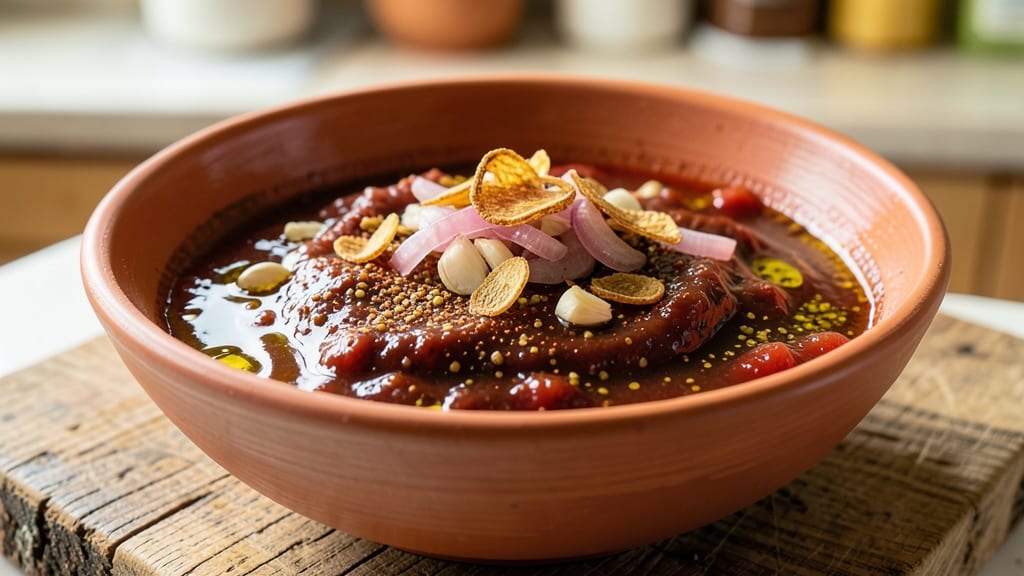
This African BBQ sauce recipe transforms grilling into a flavor adventure, blending smoky tomato depth with bold spices that tell a story of West African roots. 🌍 Years of perfecting this blend—where berbere spice meets caramelized tomato—created a sauce that works as marinade, glaze, or dip, turning simple proteins into showstoppers.
The key? Slow-simmered spices that develop complex layers without overpowering the natural sweetness of the meat.
What sets this sauce apart is its versatility—equally at home on grilled chicken, braised beef, or even plant-based proteins like jackfruit. The berbere spice brings heat and earthiness, while smoked paprika adds that signature smoky char.
I developed this during a late-night grilling session when I wanted something beyond traditional BBQ flavors, and it became an instant crowd-pleaser at every cookout. The sauce thickens beautifully when reduced, creating a glossy finish that caramelizes perfectly on the grill.
By the time you're done, you'll have a batch of rich, aromatic sauce that's ready to elevate any dish. It keeps well in the refrigerator for up to two weeks, making it perfect for meal prep or gifting to fellow grill enthusiasts.
The balance of sweet, smoky, and spicy flavors makes this sauce a game-changer for anyone looking to add depth to their grilling repertoire.
Pair it with grilled meats, use it as a marinade for hours, or serve it as a dip with crispy fries. The possibilities are endless, and the results are always impressive. Let's get cooking!
Ingredients for african bbq sauce
Nine bold ingredients for a sauce that transforms grilling into a West African adventure.
| Ingredient | Amount | Notes |
|---|---|---|
| Canned Tomato Sauce 🍅 | 1 cup | San Marzano preferred for sweetness |
| Berbere Spice 🌶️ | 2 tbsp | Store-bought or homemade blend |
| Smoked Paprika 🌶️ | 1 tbsp | High-quality for smoky depth |
| Garlic Cloves 🧄 | 4 cloves | Freshly minced for aroma |
| Yellow Onion 🧅 | ½ cup | Finely diced, medium preferred |
| Apple Cider Vinegar 🍎 | 2 tbsp | For tangy balance |
| Brown Sugar 🍚 | 2 tbsp | Light or dark preferred |
| Extra-Virgin Olive Oil 🫒 | ¼ cup | High-quality for richness |
| Ground Cumin 🌿 | 1 tsp | Toasted for deeper flavor |
| Salt 🧂 | 1 tsp | Kosher or sea salt |
Berbere spice is the heart of this sauce—look for it at African markets or specialty stores like Whole Foods or Penzeys. If you can't find it, mix 1 tsp each of cayenne, coriander, fenugreek, and cardamom. The tomato sauce should be San Marzano if possible—its natural sweetness makes all the difference. For the onion, I grab medium yellow ones from the grocery store and dice them myself—pre-chopped gets watery. The olive oil matters too; Trader Joe's or California avocado oil brands have the best flavor for grilling sauces.
No berbere spice? Mix cayenne, coriander, and smoked paprika at double the amount. Running low on apple cider vinegar? Balsamic vinegar works in a pinch. Want to make this vegan? Skip the honey entirely—maple syrup at half the amount gives similar sweetness. The brown sugar can be swapped for coconut sugar if you prefer, but regular brown sugar caramelizes beautifully when reduced. If you're short on time, pre-minced garlic from the jar works fine, though fresh is always better.
This sauce thickens as it reduces, so store it in a glass jar with a tight seal. Keeps for 2 weeks in the fridge, or 6 months frozen in ice cube trays. I always double the batch—one for grilling, one to freeze for later. The flavors actually improve after a few days as the spices meld. Perfect for meal prep or gifting to fellow grill enthusiasts who want something beyond basic BBQ sauce.
Why You'll Love This Recipe
- Pantry Magic: I swear, this sauce comes together with stuff I already have—no fancy shopping trips. The canned tomato sauce and onion simmer down while I chop garlic, and suddenly, berbere spice turns something ordinary into something unexpectedly bold.
- Smoky Depth in Minutes: That smoked paprika? It’s the secret weapon—deep, rich, and just a pinch makes everything taste like you slaved over it. The berbere adds this warm, slightly spicy complexity that lingers, and honestly? It’s the kind of flavor that makes people ask, “What’s in this?”
- Weeknight to Party Fix: Between us, this sauce works on everything—grilled chicken, roasted veggies, even as a dip. I’ve used it for lazy Tuesdays and thrown it on a platter for game day. The best part? It tastes intentional, even when it’s just me throwing something together.
- Leftovers That Don’t Suck: Make a big batch, store it, and thank me later. The flavors actually improve over time—no sad, watery leftovers here. And since it’s mostly pantry staples, it’s cheap enough to keep on hand for emergencies (or just because).
Step-by-step instructions for African BBQ sauce
Let's create this bold, smoky sauce that brings African flavors to your grill.
🍳 Step 1: Sauté the Aromatics
Heat the 0.25 cup extra-virgin olive oil in a medium saucepan over medium heat. Add the 0.5 cup finely diced yellow onion and cook for 3-4 minutes until softened and translucent. Here's the thing—don't let it brown or it'll add bitterness to your sauce.
Add the 4 cloves minced garlic cloves and cook for another 30 seconds until fragrant. You'll know it's ready when you can smell that sweet garlic aroma filling your kitchen. This step builds the flavor foundation, so take your time and don't rush it.
🔥 Step 2: Toast the Spices
Reduce heat to low and add the 2 tbsp berbere spice, 1 tbsp smoked paprika, and 1 tsp ground cumin. Stir constantly for 1-2 minutes until the spices are fragrant and the mixture stops sizzling. This toasting step unlocks the full depth of flavor in these spices.
I know it seems like a short time, but trust me—this is where the magic happens. You want the spices to warm through and release their aromas without burning. If it starts to darken too quickly, immediately reduce heat to lowest setting and keep stirring.
🥘 Step 3: Build the Sauce Base
Pour in the 1 cup canned tomato sauce and 2 tbsp apple cider vinegar. Stir well to combine with the spice mixture. Add the 2 tbsp brown sugar and 1 tsp salt, then bring everything to a gentle simmer over medium-low heat.
Let it simmer uncovered for 10-12 minutes until the sauce thickens slightly and reduces by about 25%. You're looking for a consistency that coats the back of a spoon but isn't gluey. Stir occasionally to prevent sticking—this sauce should be smooth and well-blended by the end.
⏰ Step 4: Finish and Adjust
Remove the sauce from heat and let it cool for 5 minutes. Taste and adjust seasoning if needed—you might want to add a pinch more salt or sugar to balance the flavors. Here's where it gets fun: blend the sauce until smooth using an immersion blender or transfer to a regular blender for a completely silky texture.
If you prefer texture, skip blending and simply mash any larger pieces with a wooden spoon. The sauce should be vibrant red with deep smoky undertones. Let it cool completely before storing—this allows all the flavors to meld together beautifully.
Pro Tips For Making African Bbq Sauce
- Sauté Onions Slowly: I used to rush this step and end up with bitter onions—don’t. Cook them over medium-low heat for 8-10 minutes until fully translucent and slightly caramelized. The extra patience lets their sweetness develop, which balances the heat from the berbere.
- Toast Berbere First: Skip the dry toast in the pan, and you’ll regret it. Heat the berbere in a dry skillet for 30 seconds until fragrant—this deepens its flavor and prevents a raw, dusty taste in the sauce. (Yes, even if you’re impatient like me.)
- Crush Garlic Properly: Minced garlic burns fast. Smash the cloves with the flat side of your knife first, then chop—this keeps them intact longer and prevents a bitter aftertaste. Add them after the onions are cooked, not before.
- Simmer, Don’t Boil: After adding tomato sauce, keep the heat at a gentle simmer (tiny bubbles, not a rolling boil) for 15-20 minutes. Boiling reduces the sauce too fast and makes it clingy instead of glossy. Stir occasionally to prevent sticking—this isn’t a set-it-and-forget-it dish.
Wine and beer pairings for these flavors
West African Lager
For a true African-inspired pairing, reach for a crisp West African lager like Guinness Draught or Nigerian Star Beer. The malt-forward sweetness and subtle roasted notes complement the sauce's smoky depth while cutting through the richness.
I always keep a cold one in my cooler during grilling sessions—it's the perfect palate cleanser between bites of saucy chicken or beef. The carbonation also helps refresh your taste buds after each spicy bite. 🍺
South African Reds
If you prefer wine, a medium-bodied South African red like Chenin Blanc or Pinotage works beautifully. The Chenin Blanc's citrus notes mirror the apple cider vinegar in the sauce, while Pinotage's earthy undertones echo the berbere spice.
I've found that chilling these wines slightly (about 50°F) enhances their refreshing qualities, making them ideal for warm grilling days. The acidity balances the sauce's sweetness perfectly. 🍷
Fruity Belgian Witbier
For a lighter option, try a Belgian witbier like Hoegaarden or Stella Artois Wit. The coriander and citrus notes in these beers create a delightful contrast with the sauce's smoky-sweet profile. The effervescence also helps cleanse your palate between bites of grilled meats.
I like to serve these chilled in tall glasses with a lemon wedge—it's a refreshing way to enjoy the sauce's complex flavors. 🍋
Non-Alcoholic Pairings
Don't overlook non-alcoholic options! A ginger beer like Barq's adds a zesty kick that complements the sauce's heat, while a sparkling hibiscus tea (common in West Africa) provides a tart, floral contrast. For something simpler, try a cucumber-mint infused water—the coolness and freshness balance the sauce's richness beautifully.
These options work perfectly for family gatherings or when you want to keep things alcohol-free. 💧
Local Brews to Explore
If you're feeling adventurous, seek out African craft beers like Ethiopian Tepa or Moroccan Mint Beer. These unique brews often feature local spices and herbs that pair wonderfully with the sauce.
I once discovered a Ghanaian palm wine at a specialty store that added an exotic twist—its tropical fruit notes elevated the entire meal. Check your local African markets or specialty liquor stores for these hidden gems. 🌍
Serving Temperature Tips
Serve all beverages slightly chilled (around 45-50°F) to enhance their refreshing qualities. For wine, I recommend using an ice bucket for quick chilling without diluting the flavors. For beers, store them in the refrigerator for at least 30 minutes before serving.
The cold temperature helps highlight the sauce's complex flavors while providing a cooling contrast. Pro tip: Use a thermometer to monitor temperatures—consistency makes all the difference! ❄️
Nutrition facts
Frequently asked questions
What makes this African BBQ sauce different from traditional American BBQ sauces?
This sauce stands out with its berbere spice blend—a fiery, aromatic mix of cayenne, coriander, and fenugreek that's central to Ethiopian and West African cooking. Unlike sweet, tangy American sauces, it balances smoky depth from smoked paprika with subtle sweetness from brown sugar and tomato, creating a more complex, earthy profile. The apple cider vinegar adds brightness that cuts through richness without overpowering the spices.
Can I use this sauce for marinating or just as a glaze?
Absolutely both! For marinating, let raw proteins (like chicken or beef) soak for 2-4 hours in the sauce for tender, flavor-packed meat. For glazing, brush on during the last 5-10 minutes of grilling to create a caramelized crust. Pro tip: Thin with 1 tbsp water if using as a glaze to prevent burning. The sauce works equally well on plant-based proteins like jackfruit or tofu.
How do I adjust the heat level if berbere spice is too spicy?
Start by reducing the berbere by ½ tbsp next time. For immediate adjustments, stir in 1 tsp honey or ½ tsp brown sugar to balance the heat with sweetness. If you prefer milder flavor, replace half the berbere with sweet paprika—it maintains smokiness without the kick. Always taste as you go, especially after simmering when flavors meld.
What's the best way to store leftover sauce?
Transfer to a clean glass jar with a tight seal and refrigerate for up to 2 weeks. For longer storage, freeze in ice cube trays—thaw overnight in the fridge before using. The sauce thickens when cold, so stir before reheating. Never freeze in metal containers, as they can react with acidic ingredients. Label with the date to track freshness!
Can I make this sauce without berbere spice?
Yes! Create a substitute by mixing 1 tsp each of cayenne, coriander, and smoked paprika plus ½ tsp each of fenugreek and cardamom. Toast these spices together for 1 minute before adding to the sauce. While not identical, this blend captures the warm, slightly bitter notes of berbere. For extra depth, add a pinch of ground ginger—it mimics berbere's complexity beautifully.