
Sauces & Condiments
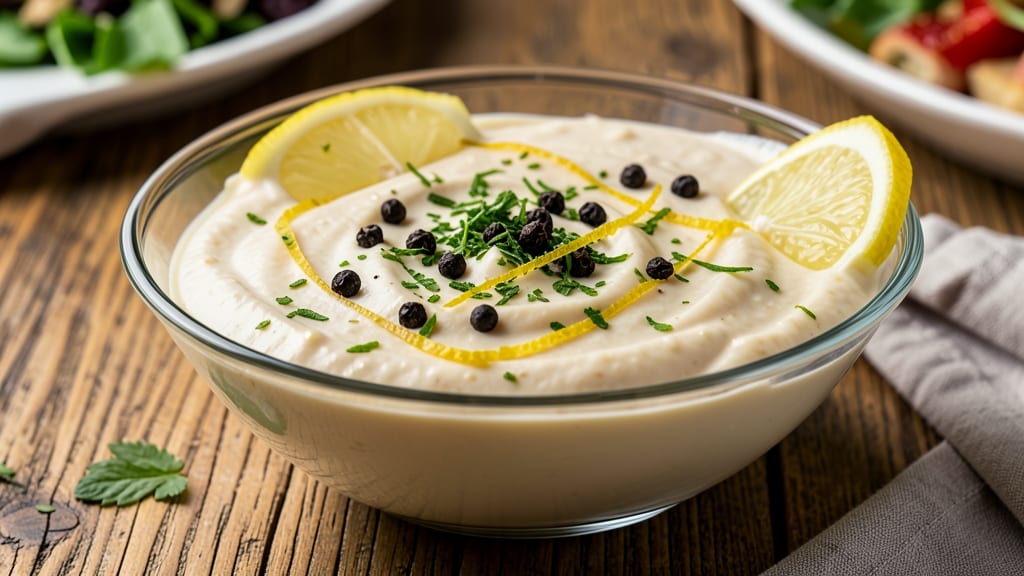
This Texas Roadhouse creamy horseradish sauce delivers the signature restaurant kick at home—rich, tangy, and perfectly balanced without overwhelming heat. The secret lies in blending sharp horseradish with velvety sour cream and mayo, creating a sauce that clings beautifully to burgers, steak, or crispy fries.
I’ve tested countless variations to perfect the texture: creamy enough to spread smoothly but with enough bite to stand up to bold flavors.
The foundation starts with fresh horseradish root, grated finely to avoid bitterness, then tempered with sour cream and mayo for that signature Texas Roadhouse creaminess. A touch of lemon juice brightens the mix, while a pinch of salt and sugar rounds out the flavors.
What makes this recipe foolproof is the blending technique—pulse it just enough to break up the horseradish while keeping the sauce silky smooth.
What you’ll end up with is a restaurant-quality sauce that’s ready in minutes but tastes like it simmered for hours. The horseradish’s signature heat mellows into a complex, spicy-sweet profile that enhances every bite.
It keeps well in the fridge for up to a week, making it perfect for meal prep or gifting to fellow sauce lovers.
Pair it with anything fried, grilled, or rich—think juicy burgers, smoky steaks, or even loaded fries. The sauce’s versatility means it’s always ready to elevate your next meal without the guilt of heavy ingredients. Let’s make this crowd-pleaser!
Ingredients for texas roadhouse creamy horseradish sauce
Seven ingredients transform into Texas Roadhouse's signature creamy horseradish sauce—bold yet balanced.
| Ingredient | Amount | Notes |
|---|---|---|
| Fresh Horseradish Root 🌿 | ½ cup | Finely grated for smooth texture |
| Mayonnaise 🥫 | ½ cup | High-quality, full-fat preferred |
| Sour Cream 🥛 | ½ cup | Full-fat for optimal creaminess |
| Lemon Juice 🍋 | 1 tbsp | Freshly squeezed for brightness |
| Granulated Sugar 🍚 | 1 tsp | Balances horseradish heat |
| Diamond Crystal Kosher Salt 🧂 | ½ tsp | Adjust to taste |
| Extra-Virgin Olive Oil 🫒 | 1 tbsp | For smoothness and richness |
Fresh horseradish root is non-negotiable for authentic flavor—store-bought prepared horseradish lacks depth. Look for firm, white roots at specialty markets or well-stocked grocery stores like Whole Foods or Kroger. The grated root should be finely minced (a food processor works best) to avoid bitterness. For mayo and sour cream, prioritize full-fat versions—Hellmann's Classic and Kroger brand deliver consistent results. If you prefer organic, Primal Kitchen options work beautifully but come at a premium. Store any extra grated horseradish in the fridge for up to 3 days in an airtight container with a splash of olive oil to preserve freshness.
No fresh horseradish? Prepared horseradish paste works in a pinch, but reduce to half the amount—it's far more potent. Swap mayo for Greek yogurt if you prefer tangier creaminess, though texture will be slightly lighter. For sugar, honey or maple syrup add subtle complexity, but stick to granulated for precise balance. The olive oil acts as an emulsifier—don't skip it, even if your mayo already contains some. If you're sensitive to acidity, reduce lemon juice to 0.5 tbsp, but fresh is always superior. For a restaurant-style touch, add 1/8 tsp smoked paprika to the finished sauce.
This sauce maintains peak freshness for 7 days in the fridge when stored in a sealed container. The texture thickens over time, so stir before each use. For longer storage, portion into ice cube trays and freeze—thaw overnight in the fridge. The sauce pairs beautifully with Texas Roadhouse's signature items: slather it on burgers, drizzle over steak, or use as a dip for crispy onion rings. Leftovers can be reheated gently in the microwave (30-second intervals) until warmed through, though it's best served at room temperature for optimal flavor balance.
Why You'll Love This Recipe
- Five-Ingredient Magic: The fresh horseradish root grated right into the mayo and sour cream? That’s all it takes—no fancy techniques, just a box grater and a bowl. I’ll be real: the first time I made this, I thought I’d overdone the horseradish, but the lemon juice and sugar balanced it perfectly. Now it’s my secret weapon for any meal.
- Tangy Heat Payoff: That sharp horseradish kick with the creamy base? It’s like a flavor explosion in your mouth. The sugar and lemon juice cut through the bite just enough to make it addictive—not overpowering, just right. Honestly, I’ve had people ask what brand of sauce I’m using, and I just smile while stirring up another batch.
- Game for Any Meal: Slather it on burgers, mix it into deviled eggs, or drizzle it over roasted potatoes—this sauce works everywhere. I keep a jar in the fridge for last-minute game day snacks or when friends drop by unannounced. (Yes, even on a Tuesday night.)
- Leftovers That Last: This sauce actually tastes better the next day—if there’s any left, which there usually isn’t. But if you’re prepping for a crowd, it’s budget-friendly and keeps for a week. My husband’s a skeptic, but he’ll finish whatever’s left in the jar without complaint. That’s the real test.
Step-by-step instructions for Texas Roadhouse-style creamy horseradish sauce
This method delivers the signature Texas Roadhouse balance—creamy texture with bold horseradish heat.
Grate the Horseradish Root Finely
Peel the 0.5 cup fresh horseradish root using a vegetable peeler, removing only the tough outer skin. Place it in a food processor fitted with the grater attachment. Pulse in short bursts, stopping to scrape down the sides as needed, until you achieve a smooth, paste-like consistency. Avoid over-processing—you want a fine, even texture that won't create graininess in the finished sauce.
Real talk: Fresh horseradish is potent, so work quickly to prevent the enzymes from releasing too much heat prematurely. If you don't have a food processor, use a microplane or the finest grater you own, but be prepared to work in small batches. The goal is a smooth, homogenous mixture that blends seamlessly with the other ingredients.
Combine Wet Ingredients
In a medium mixing bowl, whisk together the 0.5 cup mayonnaise, 0.5 cup sour cream, 1 tablespoon lemon juice, and 1 tablespoon extra-virgin olive oil. Use a wire whisk to ensure the mayonnaise and sour cream are fully incorporated and the mixture is smooth. This base creates the creamy foundation that balances the horseradish's sharpness.
I always let this mixture sit at room temperature for 5 minutes before adding the horseradish. This small pause prevents the cold ingredients from shocking the horseradish and making it release its heat too aggressively. The room-temperature blend also ensures the sauce emulsifies properly, giving you that signature velvety texture.
Fold in Horseradish Gradually
With the mixer on low speed, slowly add the grated horseradish root to the wet ingredients. Start with half of it and mix until fully combined, then add the remaining 0.5 cup. This gradual approach prevents the sauce from becoming too sharp too quickly. You're aiming for a smooth, consistent blend where you can no longer see distinct horseradish flecks.
Taste as you go—this is where you'll determine the heat level. If it's too intense for your palate, add a pinch more of the 0.5 teaspoon diamond crystal kosher salt or a splash of lemon juice to balance. The sauce should have a noticeable kick but remain approachable, not overwhelming. Remember, you can always add more horseradish later if needed.
Sweeten and Season to Perfection
Add the 1 teaspoon granulated sugar and remaining 0.5 teaspoon diamond crystal kosher salt to the sauce. Mix thoroughly until the sugar dissolves completely. The sugar acts as a counterbalance to the horseradish's heat, creating that signature Texas Roadhouse sweet-spicy harmony. Taste again and adjust the seasoning if necessary—sometimes a little more salt or sugar makes all the difference.
This is also the moment to check the consistency. If the sauce is too thick, add 1 teaspoon water at a time until it reaches a smooth, spreadable texture. If it's too thin, let it sit at room temperature for 10-15 minutes—the starches in the mayonnaise and sour cream will naturally thicken it. The final sauce should coat the back of a spoon smoothly without being gluey.
Chill and Serve
Transfer the sauce to an airtight container and refrigerate for at least 1 hour before serving. Chilling allows the flavors to meld completely and ensures the sauce reaches its optimal texture—creamy yet firm enough to pipe or spread neatly. I like to give it 2 hours for maximum flavor development, especially if I'm making it ahead for a gathering.
When ready to serve, give the sauce a final stir to redistribute any settled ingredients. This sauce pairs perfectly with steak, roasted red potatoes, or even as a dip for crispy fries. The key to serving it right is letting it come to room temperature for 10-15 minutes before using—this ensures the perfect balance of creaminess and heat with every bite.
Pro Tips For Making Texas Roadhouse Creamy Horseradish Sauce
- GRATE IT FINE: Fresh horseradish root is the star, but lumpy bits ruin the texture. Use a box grater or food processor and pulse until it’s almost paste-like—no chunks, no excuses. (Yes, even if you’re impatient like me, resist the urge to rush this.)
- MIX IN STAGES: Don’t dump everything at once—horseradish burns fast. Start with half the mayonnaise and sour cream, then add the grated horseradish slowly while tasting. If it’s too sharp, balance it with lemon juice or a pinch more sugar. (Your future self will thank you for not making a face-pinching disaster.)
- CHILL THE BLEND: This sauce tastes better after 30 minutes in the fridge. The flavors meld, and the heat mellows just enough to be enjoyable—not painful. Skip the waiting? Fine, but it’ll taste like a science experiment. (I learned this the hard way at a Super Bowl party.)
- SWAP FOR STABILITY: If your mayo separates later (thanks, sour cream), whisk in 1 tablespoon of plain yogurt or a dash of Dijon mustard. It thickens the sauce without overpowering the horseradish. (Does it look weird? Yes. Does it work? Every single time.)
Make-ahead tips for leftovers
Prep Ahead Strategy
Make this sauce 24 hours ahead for the best flavor development. The horseradish's heat mellows and blends seamlessly with the creamy base, creating that signature Texas Roadhouse depth. Store it in an airtight container in the fridge—this prevents the sauce from absorbing fridge odors and maintains its vibrant color.
I like to portion it into small jars (like 4-ounce mason jars) so it's ready to grab and go for game day or barbecues. 📅
Freezing for Later
For long-term storage, freeze the sauce in ice cube trays or silicone molds—this makes it easy to thaw just what you need. Once frozen, transfer the cubes to a ziplock freezer bag and flatten to save space. Thaw overnight in the fridge for optimal texture.
When reheating, microwave in 15-second bursts until warmed through, stirring between each interval to prevent overheating. The sauce may thicken slightly after freezing, so add 1 teaspoon water if needed. ❄️
Batch Prep Tips
Double the recipe for parties or meal prep—this sauce keeps well for 1 week refrigerated or 3 months frozen. Label containers with the date to track freshness. When prepping in bulk, divide the sauce into 2 portions before freezing: one for immediate use and one for long-term storage.
This way, you always have a fresh batch ready. I also recommend keeping a small jar in the pantry for last-minute guests—it’s a game-changer for burgers or steak night. 💡
Reviving Stored Sauce
If your sauce separates after refrigeration, don’t toss it! Stir in 1 teaspoon lemon juice or 1 tablespoon water and whisk vigorously to re-emulsify. For a smoother texture, blend briefly with an immersion blender. The sauce should return to its creamy consistency within 5 minutes.
If it’s too thick after thawing, thin with ½ teaspoon water at a time until it reaches the perfect spreadable consistency. This trick saves leftovers from going to waste. ✨
Serving Prep
Bring the sauce to room temperature before serving—this enhances its flavor and ensures a smooth texture. I like to transfer it to a small bowl or squeeze bottle for easy dispensing.
For a restaurant-style presentation, pipe rosettes onto steak or burgers using a pastry bag fitted with a star tip. Garnish with a sprinkle of freshly cracked black pepper or a pinch of smoked paprika for extra flair. The sauce tastes best when served slightly cool, not warm. 🌟
Nutrition facts
Frequently asked questions
Can I use prepared horseradish instead of fresh?
Yes, but reduce the amount by half—prepared horseradish is much stronger. Start with ¼ cup and adjust to taste. The texture may be slightly less smooth, but it still delivers that signature kick. For best results, blend the prepared horseradish with 1 teaspoon water before mixing to mimic fresh grated consistency.
How do I adjust the heat level?
For milder heat, reduce the horseradish to ¼ cup and add 1 extra teaspoon sugar to balance. For extra spice, increase to ⅔ cup horseradish and add a pinch of cayenne. Always taste as you go—the sauce should have a noticeable kick but remain approachable. Remember, you can't remove heat once it's added!
Why did my sauce separate?
This happens when the emulsifiers (mayo/sour cream) break down. Fix it by whisking in 1 teaspoon lemon juice or 1 tablespoon water until smooth. For a smoother texture, blend briefly with an immersion blender. To prevent separation, chill the sauce for 1 hour before serving—this helps stabilize the emulsion.
What's the best way to serve this sauce?
Transfer to a small bowl or squeeze bottle for easy serving. For restaurant-style presentation, pipe rosettes onto steak or burgers using a pastry bag with a star tip. Pair with juicy burgers, smoked meats, or crispy fries. The sauce works best at room temperature—let it sit for 10-15 minutes before serving for optimal flavor balance.
Can I make this dairy-free?
Swap the mayo and sour cream for ½ cup dairy-free mayo (like Vegenaise) and ½ cup full-fat coconut yogurt. The texture will be slightly lighter but still creamy. For extra richness, add 1 tablespoon olive oil to help bind the ingredients. The flavor profile remains bold and tangy, just without dairy.