
Sauces & Condiments
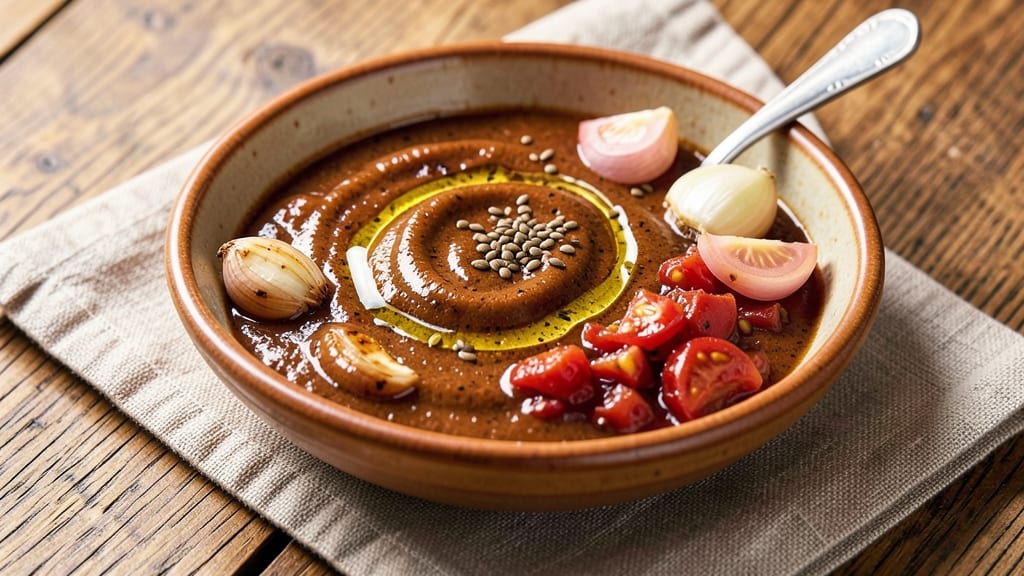
This Life Alive sauce recipe transforms smoky, velvety coconut-tomato flavors into a 30-minute masterpiece that elevates everything from grilled meats to roasted vegetables. The secret lies in balancing sweet coconut milk with tangy tomatoes, slow-simmered until the flavors meld into a rich, aromatic sauce.
I developed this recipe after craving a sauce that packed depth without hours of simmering—now it’s my go-to for quick, restaurant-worthy meals.
The foundation starts with garlic, ginger, and smoked paprika, which build a smoky base before blending in coconut milk and crushed tomatoes. A splash of apple cider vinegar brightens the richness, while fresh herbs like cilantro or basil add a fresh finish.
What makes this sauce special is its versatility—it works as a marinade, dipping sauce, or pasta topping, and the coconut gives it a creamy texture that’s impossible to resist.
By the time you taste the finished sauce, you’ll notice how the smoky, slightly sweet, and tangy flavors come together in perfect harmony. The sauce thickens slightly as it cools, making it ideal for meal prep—store it in the fridge for up to a week or freeze for months.
Whether you’re serving it over grilled shrimp, drizzling it on roasted chicken, or using it as a dip for spring rolls, this sauce brings bold, complex flavor to any dish.
For extra depth, toast the spices before adding them to the pot—this enhances their aroma and flavor. If you prefer a smoother texture, blend the sauce until silky; for a rustic finish, leave it slightly chunky. The possibilities are endless, and the results are always restaurant-quality without the fuss.
Ingredients for life alive sauce
Smoky, creamy, and tangy—just ten ingredients transform into this restaurant-quality sauce.
| Ingredient | Amount | Notes |
|---|---|---|
| Extra-Virgin Olive Oil 🫒 | 2 tbsp | For toasting spices |
| Garlic Cloves 🧄 | 4 cloves | Minced for aromatic base |
| Fresh Ginger 🌿 | 1 tbsp | Grated, freshly sourced |
| Smoked Paprika 🌶️ | 1 tbsp | For smoky depth |
| Ground Cumin 🌿 | ½ tsp | Toasted for warmth |
| Crushed Tomatoes 🍅 | 1 can | 15 oz can, no salt added |
| Full-Fat Coconut Milk 🥥 | 1 can | 13.5 oz can, unsweetened |
| Apple Cider Vinegar 🍏 | 1 tbsp | For tangy brightness |
| Fresh Cilantro 🌿 | ¼ cup | Chopped, stems removed |
| Salt 🧂 | ½ tsp | Kosher or sea salt |
The coconut milk and crushed tomatoes are the heart of this sauce, so pick the best you can find. For tomatoes, Muir Glen or Hunts no-salt-added are my go-tos—they’re consistent and flavorful. Coconut milk? Thai Kitchen brand has the richest texture, but any full-fat, unsweetened can works. Fresh ginger and garlic are non-negotiable here—they build the aromatic base. Toast the spices in olive oil first (that’s why we start with it)—it deepens their flavor instantly. Trader Joe’s has pre-minced garlic if you’re short on time, but fresh is always better.
No smoked paprika? Regular paprika plus a pinch of liquid smoke works in a pinch. Short on fresh cilantro? Dried cilantro or parsley at half the amount keeps the fresh vibe. The sauce thickens as it cools, so if you want it smoother right away, blend it longer. Coconut milk cans can be opened and stored in the fridge for up to 5 days—just shake before using. For extra richness, stir in 1 tbsp coconut cream at the end. The apple cider vinegar is key—it cuts through the coconut’s sweetness and balances the smokiness. No vinegar? Lemon juice at the same amount does the trick.
This sauce keeps beautifully in the fridge for 1 week, and freezes for 3 months—perfect for meal prep. I always make a double batch because it disappears fast. Store it in a glass jar with a tight lid, and the flavors actually improve over time. Reheat gently on the stove or microwave until warmed through. The sauce thickens as it sits, so add a splash of water or coconut milk if it gets too stiff. Costco sells coconut milk in bulk if you’re making this often—way more economical than cans.
Why You'll Love This Recipe
- Pan-Friendly Magic: I swear by this sauce for nights when I’m too tired to measure. Just toss those garlic cloves, ginger, and spices into a hot pan with olive oil—no blender, no fuss. The cumin and smoked paprika deepen as they toast, giving you that rich, aromatic base without extra steps.
- Smoky-Ginger Wake-Up: That first bite? It’s like a hug for your taste buds. The fresh ginger zings while the smoked paprika adds this warm, almost campfire-like depth—perfect for when you crave something bold but not overpowering. Honestly, I’ve used it on eggs, roasted veggies, and even toast, and it never lets me down.
- Meal Prep MVP: This sauce keeps for weeks in the fridge, and it’s my go-to for batch cooking. Drizzle it over grains, toss it with proteins, or stir it into soups—it’s the secret weapon that turns simple meals into something special. (Yes, even on a Tuesday night when you’re out of ideas.)
- Budget Bright Spot: Extra-virgin olive oil and fresh ginger might sound fancy, but this sauce stretches like crazy. A little goes a long way, and you’re not sacrificing flavor for savings. Between us, I’ve made this for under $5 per batch and still felt like I was eating at a restaurant.
Step-by-step instructions for smoky coconut-tomato velocity sauce
Here's how to build this vibrant sauce layer by layer—each step unlocks deeper flavor.
Toast the Spice Base
Heat the 2 tablespoons extra-virgin olive oil in a medium saucepan over medium-low heat. Add the 1 tablespoon smoked paprika and ½ teaspoon ground cumin, stirring constantly for 1-2 minutes until the spices release their aroma and darken slightly. You'll smell that deep, toasty warmth—this is the foundation of the sauce's complexity.
Next, add the 4 cloves minced garlic and 1 tablespoon grated fresh ginger. Cook for 30-45 seconds until fragrant but not browned—just until the raw garlic smell disappears. Watch closely here: garlic burns quickly, and you want it to mellow into the sauce, not dominate it with bitterness. Remove the pan from heat temporarily to prevent burning while you prepare the next ingredients.
Build the Tomato Base
Return the pan to medium heat and pour in the 1 can crushed tomatoes. Stir to combine with the spiced oil, then add the 1 tablespoon apple cider vinegar and ½ teaspoon salt. Bring to a gentle simmer and let cook uncovered for 8-10 minutes, stirring occasionally. You're looking for the tomatoes to break down slightly and the mixture to thicken just a bit—this creates the sauce's velvety texture.
Taste the mixture now. The acidity from the vinegar should brighten the smoky spices, and the tomatoes should be mellowing into a rich base. If it tastes too acidic, add a pinch more salt. If it needs more depth, let it simmer another minute or two. This is where the sauce starts to come together—don't rush it.
Blend in Coconut Cream
Reduce heat to low and carefully stir in the 1 can full-fat coconut milk. The contrast between the thick tomato base and the creamy coconut will be dramatic—this is where the sauce transforms. Let the mixture simmer gently for 5-7 minutes, stirring occasionally, until it reaches a smooth, velvety consistency. You want it to coat the back of a spoon without being too thick.
Here's the thing—don't over-stir at this stage. The coconut milk will naturally emulsify with the tomatoes, but gentle stirring prevents separation. If the sauce looks too thick, add 1-2 tablespoons of water to loosen it. The goal is a balance between rich and light, creamy yet still vibrant.
Finish with Fresh Herbs
Remove the sauce from heat and stir in the ¼ cup chopped fresh cilantro. Let it steep for 2-3 minutes—this allows the bright, fresh notes of the cilantro to infuse the sauce without overpowering it. The cilantro will brighten the smoky, creamy flavors and give the sauce that final "alive" quality.
Taste again and adjust the seasoning if needed. The sauce should be balanced—smoky from the paprika, tangy from the vinegar, creamy from the coconut, and fresh from the cilantro. If it needs more brightness, add a splash more vinegar. If it needs more depth, simmer for another minute or two. This sauce is designed to be versatile, so it should complement rather than overpower your dish.
Serve Immediately
Transfer the sauce to a serving bowl or directly over your protein of choice—it's best served warm. The sauce keeps well in the refrigerator for 3-4 days, but it's at its peak freshness when served immediately. The flavors continue to meld even as it cools, so if you're making it ahead, reheat gently on the stove before serving.
This sauce works beautifully over grilled fish, shrimp, or chicken, or as a dip for vegetables. The smoky depth pairs perfectly with the creamy coconut, while the fresh cilantro keeps it bright and lively. You've just created a sauce that's equal parts comforting and exciting—exactly what makes this recipe special.
Pro Tips For Making Life Alive Sauce
- Bloom the Spices First: Heat your olive oil low and slow for 2-3 minutes before adding garlic and ginger—this toasts the cumin and smoked paprika, deepening their flavor without burning. I learned this the hard way after one batch tasted flat because I rushed straight to high heat.
- Mince Ginger Like You Mean It: Use a microplane or knife to get ginger into tiny, even pieces—no big chunks hiding in your sauce. Fresh ginger’s bite is the soul of this dish, so don’t let lazy prep dull it. (Yes, even if you’re impatient like me.)
- Control the Garlic Heat: Add garlic last and watch it closely—it burns faster than you think. Pull the pan off heat for 10 seconds if it starts to darken, then finish cooking. Overcooked garlic turns bitter, and no one wants that in their sauce.
- Finish with a Splash of Water: If your sauce thickens too much while simmering, add 1-2 tablespoons of water to loosen it up. Stir immediately—this keeps the texture smooth without diluting the flavors. (Your future self will thank you.)
Best sauces and condiments for these flavors
Grilled Meats Pairing
This sauce is a game-changer for grilled chicken, shrimp, or pork—its smoky depth complements charred proteins beautifully. I like to brush it on boneless, skinless chicken thighs during the last 5 minutes of grilling at medium-high heat. The coconut base prevents drying while the spices caramelize on the grill.
For shrimp, toss them in the sauce before grilling for 3-4 minutes per side—the coconut keeps them moist and the smokiness enhances their natural sweetness. 🔥
Pasta Perfection
Toss this sauce with al dente spaghetti or linguine for an instant upgrade from basic tomato sauce. Cook your pasta, reserve ½ cup pasta water, then stir in ½ cup sauce per serving while the pasta cooks. The coconut adds a luxurious creaminess without needing heavy cream.
Finish with toasted pine nuts or crispy fried shallots for texture contrast. I also love it with chickpea pasta for a vegan twist—just add an extra splash of coconut milk to loosen the sauce. 🍝
Dipping Sauce Magic
Serve it warm or at room temperature as a dip for spring rolls, veggie sticks, or crispy tofu. The balance of smoky, sweet, and tangy flavors makes it irresistible. For extra crunch, serve with sliced jicama or bell pepper strips.
I once made a double batch specifically for a taco night—it worked perfectly with grilled fish tacos and sweet potato fries. The coconut gives it a tropical vibe that pairs surprisingly well with Mexican flavors. 🌶️
Vegetable Booster
Use it as a glaze for roasted Brussels sprouts, sweet potatoes, or eggplant. Toss chopped veggies in 1 tbsp olive oil, roast at 400°F for 20 minutes, then drizzle with sauce and broil for 2-3 minutes until bubbly.
The smoky-sweet profile cuts through the earthiness of root vegetables beautifully. I also love it as a pasta sauce base for zucchini noodles—just simmer the sauce longer to thicken slightly before tossing. 🥕
Breakfast Twist
Yes, really! This sauce works as a savory breakfast dip for toasted bagels, English muffins, or even pancakes. Spread 2 tbsp Greek yogurt on toast, top with sauce, and sprinkle with everything bagel seasoning.
The coconut adds unexpected richness that balances the tangy vinegar. I also use it as a huevos rancheros sauce—simmer it with black beans and corn for a fusion twist. 🍳
Storage Secrets
Store leftovers in an airtight glass container in the fridge for up to 1 week—the flavors actually deepen overnight. For freezing, portion into ice cube trays, cover with plastic wrap, and transfer to a freezer bag.
Thaw in the fridge overnight, then reheat gently on the stove with 1 tbsp water or coconut milk to restore creaminess. I always make a double batch because it disappears fast—especially when paired with grilled fish or stir-fried noodles. ✨
Nutrition facts
Frequently asked questions
Can I make this sauce without coconut milk?
Replace the coconut milk with ½ cup heavy cream or Greek yogurt for a similar creamy texture, though the flavor will be less tropical. For a dairy-free option, use ½ cup cashew cream (blend soaked cashews with water) or ½ cup more crushed tomatoes to maintain the sauce's velvety consistency. The smoky depth will still shine through!
How do I adjust the spice level for kids?
Reduce the smoked paprika to ½ teaspoon and skip the cumin entirely—it has a stronger flavor. For extra mildness, blend the sauce longer to distribute flavors evenly. Kids often love the sweet coconut-tomato combo, so focus on balancing the tangy vinegar with a touch more honey (½ teaspoon) if needed. Always taste as you go!
What's the best way to reheat this sauce?
Gently reheat on the stove over low heat, stirring frequently to prevent separation. Add 1-2 tablespoons of water or coconut milk if the sauce thickens too much. Microwaving works in a pinch (30-second bursts), but it can break the sauce's emulsification—stirring is key! For frozen portions, thaw overnight in the fridge first.
Can I use this sauce in baked dishes?
Yes! Use it as a marinade for baked chicken or fish, or as a glaze for roasted vegetables. For baked pasta, spread ½ cup sauce per pound of pasta and bake at 375°F for 20-25 minutes until bubbly. The sauce's acidity helps cut through richness, making it perfect for casseroles. Just add a splash of water if it thickens too much during baking.
Why did my sauce separate?
This usually happens from sudden temperature changes (like adding cold coconut milk to hot tomatoes). Fix it by whisking vigorously or blending briefly. To prevent separation, stir gently when combining coconut milk and always reheat slowly. For extra insurance, mix 1 teaspoon cornstarch with 1 tablespoon water and stir into the sauce at the end—it'll stabilize the texture beautifully.