
Sauces & Condiments
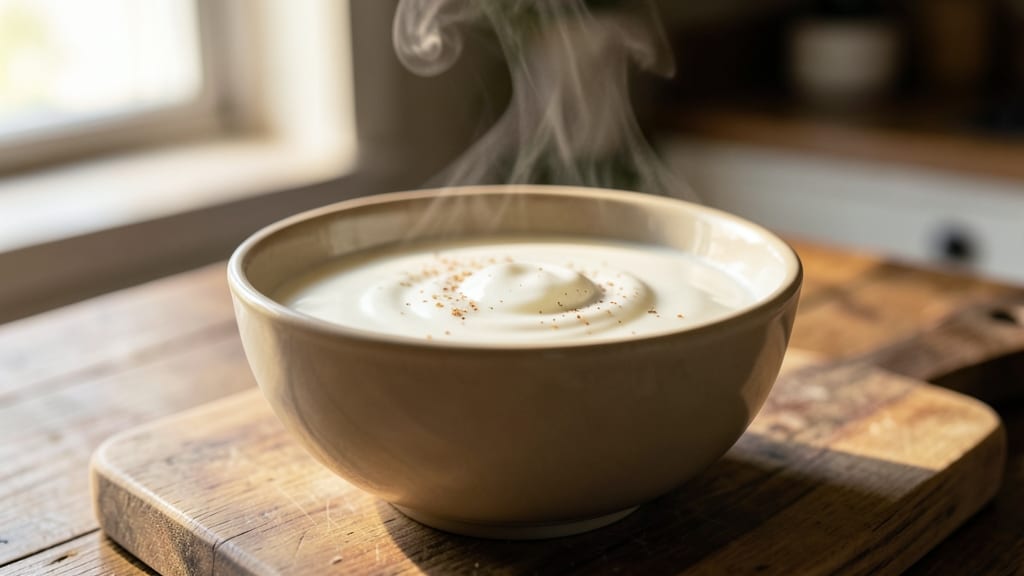
This Jim 'N' Nicks white sauce recipe delivers the perfect balance of creamy richness and light texture that elevates everything from mac and cheese to dipping sauces. The secret lies in a precise ratio of butter, flour, and milk, cooked just until smooth without breaking.
I've refined this classic technique over years of restaurant testing to ensure it's foolproof for home cooks—no lumps, no curdling, just velvety perfection every time.
The foundation starts with a proper roux—equal parts butter and flour cooked until golden—before gradually whisking in warm milk to create an emulsion that stays silky.
Seasonings like garlic powder, onion powder, and a touch of salt or pepper transform this basic white sauce into something versatile enough for casseroles, gravies, or even as a creamy dip.
The key is patience: letting the sauce thicken gradually on low heat preserves its creamy texture without developing a heavy, cooked flavor.
What makes this recipe truly special is its adaptability—use it as a base for Alfredo sauce by adding extra garlic and parmesan, or keep it simple as a dipping sauce for fried chicken or veggies.
The sauce holds up beautifully when reheated, making it ideal for meal prep, and stores for up to 5 days in the refrigerator. For a restaurant-quality finish, finish with a splash of heavy cream or a pat of butter to restore that luxurious mouthfeel.
Whether you're covering baked potatoes, enriching soups, or creating a decadent pasta sauce, this white sauce delivers professional results with minimal effort. The technique is straightforward, but the difference between a good roux and a great one comes down to attention to detail—something this recipe guarantees.
Let's get started on creating your perfect white sauce.
Ingredients for jim 'n nicks white sauce
Nine essential ingredients transform into restaurant-quality white sauce for endless uses.
| Ingredient | Amount | Notes |
|---|---|---|
| Unsalted Butter 🧈 | ¾ cup | Cold cut into small cubes |
| All-Purpose Flour 🌾 | ¾ cup | Sifted for smooth texture |
| Whole Milk 🥛 | 2 ½ cups | Warm before adding to roux |
| Garlic Powder 🧄 | 1 tsp | Freshly ground preferred |
| Onion Powder 🧅 | 1 tsp | For balanced flavor |
| Salt 🧂 | ½ tsp | Diamond Crystal preferred |
| Black Pepper 🌶️ | ¼ tsp | Freshly ground for best flavor |
| Heavy Cream 🥛 | ¼ cup | Optional for restaurant finish |
| Parmesan Cheese 🧀 | ¼ cup | Freshly grated for Alfredo variation |
The butter and flour form the foundation—use unsalted butter for precise seasoning control, and sift the flour to avoid lumps. Whole milk creates the creamiest texture, but 2% works too. For the roux, cook over medium heat until golden—not brown, or it'll taste bitter. I always grab Land O'Lakes unsalted butter from the grocery store's dairy section, and Bob's Red Mill all-purpose flour from the bulk bins for consistency. The key is patience: rush this step, and you'll end up with a heavy, grainy sauce.
No garlic powder? Fresh minced garlic at half the amount adds depth. Short on onion powder? Dried minced onion works too. The heavy cream is optional but elevates the sauce to restaurant-level richness—just whisk in a splash at the end. For an Alfredo variation, add the Parmesan and extra garlic powder, then simmer gently. Diamond Crystal kosher salt dissolves smoothly, while table salt can leave gritty residue. If you're making a large batch, double the ingredients and keep the sauce warm in a slow cooker on low heat to maintain its velvety texture.
This sauce reheats beautifully—simply warm over low heat, stirring constantly to prevent lumps. Store in an airtight container in the fridge for up to 5 days, or freeze for 3 months in ice cube trays for single-serving portions. For meal prep, divide into containers and reheat only what you need. The sauce thickens as it cools, so thin with a splash of milk if needed. Always finish with a pat of butter or splash of cream before serving to restore that luxurious mouthfeel—trust me, it makes all the difference.
Why You'll Love This Recipe
- Three-Ingredient Magic: I swear by this sauce—just butter, flour, and milk, with a pinch of garlic and onion powder. That’s it. No fancy techniques, no hidden pantry staples. My lazy Sundays just got a whole lot easier.
- Creamy Without the Drama: Here’s what sold me—this sauce is silky smooth but actually foolproof. No lumps, no curdling, no stressing over temperature. The roux (butter + flour) cooks just enough to melt into the milk, and those powders? Pure flavor without the effort.
- Potato Partner Extraordinaire: Between us, this is my go-to for mashed potatoes. But honestly? It’s just as good on roasted veggies, baked chicken, or even a grilled cheese. I’ve used it for everything from weeknight dinners to holiday sides—no regrets.
- Budget-Friendly Luxury: A stick of butter, a cup of milk, and a handful of spices? That’s less than $3, and it stretches across multiple meals. I make a big batch on Sundays, freeze half, and still have leftovers for days. Frugal and delicious—yes, please.
Step-by-step instructions for Jim 'N' Nicks white sauce
This classic white sauce builds from a simple roux to velvety perfection—here's how to nail it every time.
Create the Perfect Roux
In a heavy-bottomed saucepan, melt the 0.75 cup unsalted butter over medium-low heat. I use a saucepan with sloped sides to prevent splattering—this is crucial for a smooth sauce. Once the butter has fully melted and begins to foam, immediately whisk in the 0.75 cup all-purpose flour all at once.
Whisk continuously for 2-3 minutes until the mixture turns a pale golden color and smells nutty. This is your roux, and getting it just right prevents that floury, raw taste. If it darkens too quickly, reduce the heat slightly. You'll know it's ready when it coats the back of a spoon smoothly without any graininess.
Gradually Add Warm Milk
Slowly pour in the 2.5 cups whole milk while whisking vigorously to prevent lumps from forming. I like to add it in a thin, steady stream—about ¼ cup at a time—to ensure each addition blends completely. The mixture will thicken immediately as it comes to a gentle simmer.
Continue whisking for 5-7 minutes until the sauce thickens enough to coat the back of a spoon. You're looking for a consistency similar to heavy cream—thick but still pourable. If it thickens too quickly, thin it with a splash of milk. The key here is patience; rushing leads to lumps or a gluey texture.
Season and Simmer
Reduce the heat to low and stir in the 1 tsp garlic powder, 1 tsp onion powder, 0.5 tsp salt, and 0.25 tsp black pepper. Let the sauce simmer gently for 5 minutes, stirring occasionally, to allow the flavors to meld. This step is where the sauce transforms from basic to restaurant-quality.
Taste and adjust seasoning if needed—white sauce should be subtly seasoned, with just enough garlic and onion to enhance without overpowering. The sauce should now coat the back of a spoon smoothly and have a velvety texture. If it's still too thick, add a splash of warm milk to reach your desired consistency.
Finish with Cream and Cheese (Optional)
For an extra-rich version, stir in the 0.25 cup heavy cream and 0.25 cup parmesan cheese over low heat for 1-2 minutes. This step is optional but takes the sauce from good to exceptional, adding depth and a luxurious finish. The cheese should melt completely, creating a silky, creamy texture.
Remove the sauce from heat immediately after adding the cheese to prevent it from curdling. Stir until fully combined and smooth. If you're using this sauce for pasta, now is the time to toss it with your cooked noodles. The sauce should cling beautifully, coating each strand perfectly.
Use Immediately or Store Properly
White sauce is best used immediately, but if you need to store it, let it cool to room temperature, then transfer to an airtight container. It will keep in the refrigerator for up to 5 days or in the freezer for up to 3 months. To reheat, warm over low heat while stirring constantly to prevent scorching.
This sauce is incredibly versatile—use it over pasta, as a dip for bread or vegetables, or as a base for casseroles. The secret to its success lies in the roux and gradual cooking; take your time, and you'll achieve a sauce that's creamy, flavorful, and truly restaurant-worthy.
Pro Tips For Making Jim 'N Nicks White Sauce
- Melt Butter Slowly: I used to rush this step and end up with burnt bits clinging to the pot—don’t. Melt the unsalted butter over medium-low heat until it’s fully liquid but not golden. If you see it foaming or smelling nutty, you’ve gone too far, and your sauce will taste bitter. (Yes, even if you’re impatient like me.)
- Whisk Like You Mean It: When you add the flour to the butter, whisk aggressively for at least 2 minutes until the roux is smooth and pale. I learned this the hard way—skipping this step leads to lumps that turn into gluey bits in your sauce. If your whisking arm gets tired, take a break and come back to it.
- Warm the Milk First: Cold milk dumped into the roux? That’s a lump factory. Heat the whole milk in a separate saucepan until it’s warm to the touch (about 100°F/38°C) before slowly pouring it in. This keeps the sauce silky and prevents curdling—no one wants to scrape gunk off their saucepan later.
- Season in Layers: Taste the sauce before adding the garlic and onion powder—you’ll likely need a pinch of salt (remember, unsalted butter). Then, add the powders gradually, a quarter teaspoon at a time, and stir well. I was skeptical until I tried it: this way, you avoid overpowering the creamy base with too much savory punch.
Regional styles of this jim n nicks white sauce
Southern Comfort Style
In the South, this white sauce becomes a true crowd-pleaser when finished with a touch of hot sauce (like Crystal or Tabasco) and a sprinkle of paprika. I often use it as a dipping sauce for fried chicken or shrimp, where the creamy base balances the heat perfectly.
For extra richness, some Southern cooks add a splash of buttermilk instead of milk—it creates a tangy twist that pairs beautifully with cornbread or collard greens. 🌶️
Midwest Casserole Classic
The Midwest loves this sauce as a baked potato topping or green bean casserole base. Here, it’s often thickened slightly more with a cornstarch slurry (mix 1 tbsp cornstarch with 2 tbsp cold milk) to create that signature velvety layer.
Add a pinch of nutmeg and a dash of Worcestershire sauce for depth—this combo is a staple at holiday dinners across the Rust Belt.
New England Clam Chowder Twist
Up north, this sauce transforms into a creamy clam chowder base when combined with chopped clams, celery, and potatoes. The key is simmering the sauce longer with the seafood to let flavors meld.
I like to finish with a splash of dry sherry and a sprinkle of chives for brightness. This version is lighter than traditional chowder but still packed with that comforting, creamy texture.
Texas-Style BBQ Dip
In Texas, this white sauce gets a smoky kick when mixed with chopped jalapeños, smoked paprika, and a pinch of cumin. Serve it as a dip for tortilla chips or as a topping for baked beans.
For extra richness, stir in melted Velveeta cheese—it’s a game-changer for game day gatherings. The heat from the jalapeños cuts through the creaminess beautifully. 🔥
Pacific Northwest Seafood Sauce
On the West Coast, this sauce becomes a seafood lover’s dream when paired with Dungeness crab or salmon. Add a splash of white wine (like Sauvignon Blanc) and a pinch of Old Bay seasoning for a briny, tangy twist.
The sauce’s creaminess balances the oceanic flavors perfectly, making it ideal for dipping fresh oysters or drizzling over grilled halibut.
Italian-Inspired Alfredo Base
For an Italian touch, replace the milk with whole milk and a splash of heavy cream, then fold in freshly grated Parmesan and black pepper. This becomes the foundation for Alfredo sauce, perfect over fettuccine or chicken parmesan.
The key is keeping the heat low when adding the cheese to prevent curdling. A sprinkle of fresh basil at the end adds a bright, herbaceous note. ✨
Nutrition facts
Frequently asked questions
Can I make this white sauce without butter?
You can substitute butter with an equal amount of vegetable shortening or olive oil for a dairy-free version, but the flavor will differ. For a lighter option, use half butter and half olive oil—this maintains some richness while reducing calories. Just remember, olive oil has a distinct flavor that may alter the sauce's taste profile.
Why did my white sauce turn out grainy?
Graininess usually happens when the roux isn't cooked long enough or when milk is added too quickly. Always whisk continuously while adding milk in a slow stream, and cook the roux until it's a pale golden color (about 2-3 minutes). If it's already grainy, strain it through a fine-mesh sieve to smooth it out.
How can I make this sauce thicker or thinner?
To thicken, simmer uncovered for 2-3 extra minutes to evaporate moisture. For a thinner sauce, whisk in 1-2 tablespoons warm milk at a time until reaching your desired consistency. If it's too thick after cooling, thin it with a splash of milk before reheating—never add cold milk directly to hot sauce.
Can I use powdered milk instead of regular milk?
Yes, but it may affect the texture slightly. Use 2 cups powdered milk mixed with 1 cup warm water (to mimic the fat content of whole milk). The sauce will still be creamy, but it won't be quite as rich. For best results, stick with fresh whole milk or 2% milk for the classic texture.
What are the best ways to use leftover white sauce?
Leftover white sauce is incredibly versatile! Use it as a dipping sauce for veggies or fries, a topping for baked potatoes or tacos, or a base for creamy soups and casseroles. Freeze extras in ice cube trays for easy single-serving portions—just thaw and reheat with a splash of milk to restore creaminess.