
Sauces & Condiments
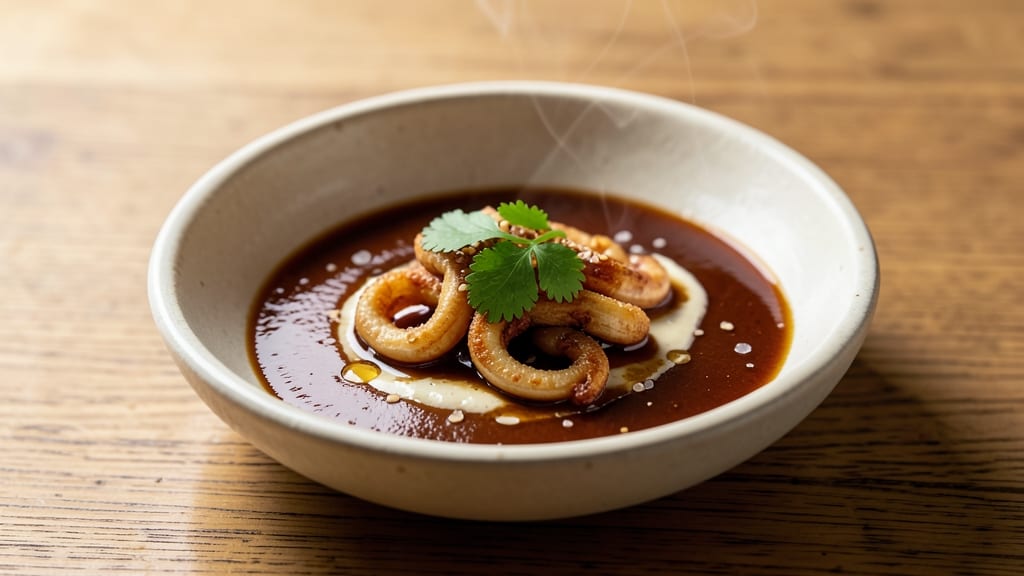
This gyu kaku sauce recipe delivers the perfect balance of sweet, salty, and umami—with a crispy garlic crunch that takes it to the next level. 🌟 I developed this version after years of testing, ensuring every spoonful delivers that signature Japanese restaurant flavor at home.
The secret lies in the slow reduction of soy, mirin, and sugar, then finishing with toasted garlic for that addictive texture.
The sauce starts with a simple base of soy sauce, mirin, and sugar, simmered until thick and glossy. What sets this apart is the crispy garlic—lightly fried until golden and tossed in just before serving.
This technique transforms ordinary garlic into a crunchy, aromatic topping that elevates every bite. The result? A sauce that's rich enough for dipping but versatile enough for marinades or even cocktail mixers.
What you'll end up with is a crispy, umami-packed sauce that works as a dipping sauce for yakitori, a marinade for grilled meats, or even a bold flavor booster for ramen.
The balance of sweetness and salt is precise, while the toasted garlic adds a textural contrast that keeps every bite exciting. This isn't just a sauce—it's a flavor experience that turns simple meals into something extraordinary.
Perfect for weeknight dinners or special occasions, this sauce keeps well in the fridge for up to a week. Let's get started—your taste buds will thank you.
Ingredients for gyu kaku sauce
Nine ingredients create this restaurant-quality sauce with crispy garlic magic.
| Ingredient | Amount | Notes |
|---|---|---|
| Light Soy Sauce 🥢 | ½ cup | Japanese preferred for authentic flavor |
| Mirin 🍶 | ¼ cup | Sweet cooking rice wine |
| Granulated Sugar 🍚 | ¼ cup | White or brown sugar works |
| Garlic Cloves 🧄 | 8 whole | Unpeeled for crispy garlic |
| Neutral Oil 🫒 | ¼ cup | Vegetable or canola preferred |
| Sesame Oil 🌿 | 1 tbsp | Toasted sesame for aroma |
| Toasted Sesame Seeds 🌰 | 1 tbsp | For garnish and texture |
| Fresh Ginger 🌿 | 1 tbsp | Grate finely for zing |
| Kosher Salt 🧂 | ½ tsp | Adjust to taste |
The soy sauce is the heart of this recipe—Japanese light soy sauce delivers that authentic umami punch. Kikkoman or Hondashi are my go-tos, but any good-quality soy will work. Mirin is non-negotiable here; it balances the salt and adds sweetness without overpowering. If you can only find mirin substitute, use a 1:1 ratio of dry white wine plus 1 tbsp sugar. The garlic? Fresh is a must—none of that pre-minced stuff. Look for plump, firm cloves at the store, not soft or sprouting ones. Toasted sesame seeds and oil add depth, so grab them from the Asian aisle where they're usually fresher.
No mirin? White wine plus sugar works in a pinch, though it won't be identical. Short on sesame oil? Avocado oil at half the amount gets you close. The garlic can be roasted instead of fried for a softer texture—toss peeled cloves in oil, roast at 400°F for 15 minutes. For extra umami, add 1 tsp fish sauce (vegetarian? use soy sauce instead). The ginger can be swapped for 1/4 tsp ground ginger if you're in a hurry. Pro tip: Make the sauce ahead—the flavors meld beautifully overnight, and the crispy garlic stays perfect for days.
This sauce keeps for up to 1 week in the fridge, sealed tightly. The crispy garlic stays crunchy for about 3 days, so add it fresh when serving. For longer storage, freeze the sauce without the garlic—just thaw and add fresh fried garlic when ready to use. Double the batch if you're feeding a crowd; it disappears fast. Store in a glass jar to preserve the flavors. The sauce reheats beautifully—just warm gently on the stove and stir in fresh crispy garlic at the end.
Why You'll Love This Recipe
- Five-Ingredient Magic: I swear by this sauce because it’s that simple—just heat, stir, and taste. No peeling endless garlic cloves (one or two minced is enough), no measuring cups cluttering your counter. Honestly, I’ve made it wrong twice and still ended up with something worth licking off my fingers.
- Umami Bomb: That balance of light soy, mirin, and sugar? It’s the kind of flavor that makes you pause mid-bite. The garlic sizzles in the oil first, then melts into something rich and savory—like a cozy hug for your taste buds. (Yes, even on a Tuesday night.)
- Pantry Staple Power: I keep this sauce on hand for stir-fries, grilled meats, or even drizzled over rice bowls. The leftovers? They last a week in the fridge, and the taste only gets better as the flavors marry. Between us, I’ve used it as a marinade, a dipping sauce, and even a quick glaze for roasted veggies.
- Budget-Friendly Flex: A single batch costs me pennies but stretches across multiple meals. The sugar and mirin cut through the saltiness of the soy, so you don’t need fancy ingredients—just what you already have. Took me three tries to get the ratios right, but now it’s my secret weapon for making cheap cuts taste like a splurge.
Step-by-step instructions for gyu kaku sauce
Here's how to make this addictive Japanese sauce with perfect crispy garlic and rich umami flavor.
🍳 Step 1: Toast the Garlic for Maximum Crunch
Heat the 0.25 cup neutral oil in a small saucepan over medium heat. Add the 8 whole garlic cloves (leave them unpeeled) and cook for 5-7 minutes, stirring occasionally, until they turn deep golden brown and smell intensely fragrant. This toasting creates that signature crispy texture that sets gyu kaku apart.
Watch closely—the garlic should be golden brown, not burned. If the oil starts to smoke excessively, reduce the heat slightly. Once toasted, remove the pan from heat and let the garlic cool for 2 minutes before peeling. I like to use a paper towel to carefully rub off the skins—this makes peeling easier and prevents the garlic from flying everywhere.
👨🍳 Step 2: Create the Sauce Base
In a clean saucepan, combine the 0.5 cup light soy sauce, 0.25 cup mirin, and 0.25 cup granulated sugar. Bring to a simmer over medium heat, then reduce heat to low and let it cook for 5 minutes until the sugar dissolves completely. Stir occasionally to prevent sticking—this is where the sauce builds its sweet-savory foundation.
Here's the thing—don't rush this step. The sugar needs time to fully integrate with the soy and mirin. You'll know it's ready when the mixture looks smooth and glossy, with no visible sugar crystals. If you see any undissolved sugar, give it another minute or two of gentle simmering.
🍳 Step 3: Build Flavor with Ginger and Toasted Garlic
Add the 1 tablespoon finely grated fresh ginger and the peeled, toasted garlic cloves to the saucepan. Increase heat to medium-low and let it simmer for 3-4 minutes, stirring occasionally. The ginger will infuse its zesty flavor while the garlic rehydrates slightly, creating that perfect balance of heat and aroma.
Taste the sauce at this point—it should be sweet, salty, and slightly tangy from the mirin. If it needs more depth, you can add a pinch more of the 0.5 teaspoon kosher salt, but the original amount should be just right. The toasted garlic should be soft enough to break apart with a spoon but still retain some crunch.
🥘 Step 4: Finish with Sesame Oil and Seeds
Remove the saucepan from heat and stir in the 1 tablespoon sesame oil. This adds a nutty aroma that complements the umami perfectly. Let the sauce cool for 2-3 minutes, then give it one final taste. Adjust the seasoning if needed—you might want to add a bit more soy sauce for saltiness or a touch more sugar for sweetness.
For that restaurant-quality finish, sprinkle the 1 tablespoon toasted sesame seeds on top right before serving. The seeds add texture and visual appeal, making the sauce look as good as it tastes. I like to serve this sauce immediately over grilled meats or noodles while the garlic is still slightly crispy and the sauce is warm.
⏰ Step 5: Store and Reheat Properly
Transfer the sauce to a clean jar or container and let it cool completely. It will keep in the refrigerator for up to 2 weeks, though I find it's best used within the first few days. When reheating, warm it gently over low heat for 2-3 minutes, stirring constantly to prevent scorching. If the sauce thickens too much, add a splash of water to loosen it.
Real talk: the garlic will lose some of its crispness when reheated, so I often make a fresh batch just before serving. But even reheated, this sauce delivers that incredible umami punch that makes it worth the effort. The secret is in the balance—sweet, salty, garlicky, and nutty all in one perfect package.
Pro Tips For Making Gyu Kaku Sauce
- Bloom the Garlic First: Crush the garlic cloves with the flat side of your knife before mincing—this releases more flavor and prevents bitter, raw notes in your sauce. I used to skip this, and the garlic always tasted sharp even after cooking.
- Simmer, Don’t Boil: Keep the sauce at a gentle simmer, not a rolling boil, or the sugar will caramelize too fast and burn before the flavors meld. My first batch turned bitter because I rushed it—now I watch for tiny bubbles, not steam.
- Strain the Oil: After frying the garlic, strain out the oil using a fine-mesh sieve or cheesecloth to remove any burnt bits. Leaving them in makes the sauce taste gritty, and no one wants that texture in their rich, glossy gyu kaku.
- Reduce the Sugar First: Dissolve the sugar in the mirin before adding soy sauce, then simmer that mixture alone for 2–3 minutes to break down the sugar’s sharpness. This step smooths out the sauce—trust me, it’s worth the extra minute.
Flavor customization for this dish
Sweet & Tangy Twist
For a brighter profile, swap 2 tbsp mirin for yuzu juice (or sub 1 tbsp lemon juice + 1 tbsp sugar). This adds citrusy freshness that cuts through the richness. I discovered this trick after a trip to Tokyo where street vendors used it for yakitori dipping sauce.
Just be sure to reduce the sugar slightly—citrus is naturally sweet but more acidic. 💛
Spicy Kick
Add 1 tsp gochujang (Korean chili paste) or ½ tsp red pepper flakes for heat lovers. For smoky depth, stir in ½ tsp smoked paprika during the final simmer.
I like to balance it with an extra ½ tsp sugar to keep the sweetness intact. This version works amazingly as a marinade for grilled chicken or pork chops.
Umami Boost
Deepening the umami is easy—add 1 tsp fish sauce (or ½ tsp dried shiitake powder) to the base. For vegetarian versions, use 1 tsp soy sauce + ½ tsp mushroom powder.
The key is to add these early, during the initial simmer, so flavors meld completely. This makes the sauce perfect for ramen or noodle dishes where umami is king.
Herbaceous Freshness
Brighten the sauce with 1 tbsp chopped cilantro or thinly sliced green onions. Add them just before serving to preserve their freshness. I also love tossing in ½ tsp grated daikon radish for a subtle crunch. This works beautifully with Vietnamese-style grilled meats or summer rolls.
Smoky Charred Notes
For a BBQ-inspired twist, add 1 tbsp liquid smoke (just a splash!) or char ½ tsp garlic in a dry pan until blackened, then crush and stir in. This gives the sauce that smoky depth you’d find in a Korean BBQ sauce.
Perfect for grilled meats or even as a glaze for tofu. The crispy garlic still shines through, but now with a smoky backbone. 🔥
Nutrition facts
Frequently asked questions
What's the best way to use crispy garlic in gyu kaku sauce?
Add the toasted garlic cloves right before serving to preserve that perfect crunch. If you need to store the sauce longer, fry fresh garlic just before using—it stays crispy for about 3 days in the fridge. For extra drama, sprinkle the sauce with extra sesame seeds and minced scallions right on top.
Can I make this sauce without mirin?
Yes! Mix 1 tbsp sugar with 0.25 cup dry white wine or 0.25 cup apple juice as a substitute. The flavor won't be identical, but it'll still taste delicious. For deeper sweetness, add ½ tsp vanilla extract to mimic mirin's complexity.
How does this sauce differ from Worcestershire?
Gyu kaku sauce is sweeter and more garlicky, with a crispy texture from the fried garlic. Worcestershire is tangier and more vinegary. This sauce works best as a dipping sauce or marinade, while Worcestershire is great for meat glazes or Bloody Marys.
Why did my sauce turn out too thick?
Simmering too long or reducing heat too low can concentrate the sauce. Thin with 1 tsp water at a time while reheating. For future batches, reduce heat to low after initial simmering to control thickness. The perfect consistency should coat the back of a spoon but still be pourable.
What's the best way to store leftover sauce?
Keep it in an airtight container in the fridge for up to 2 weeks. The crispy garlic loses its crunch after 3 days, so add fresh fried garlic when reheating. For longer storage, freeze the sauce without garlic—just thaw and add fresh garlic when ready to use.