
Sauces & Condiments
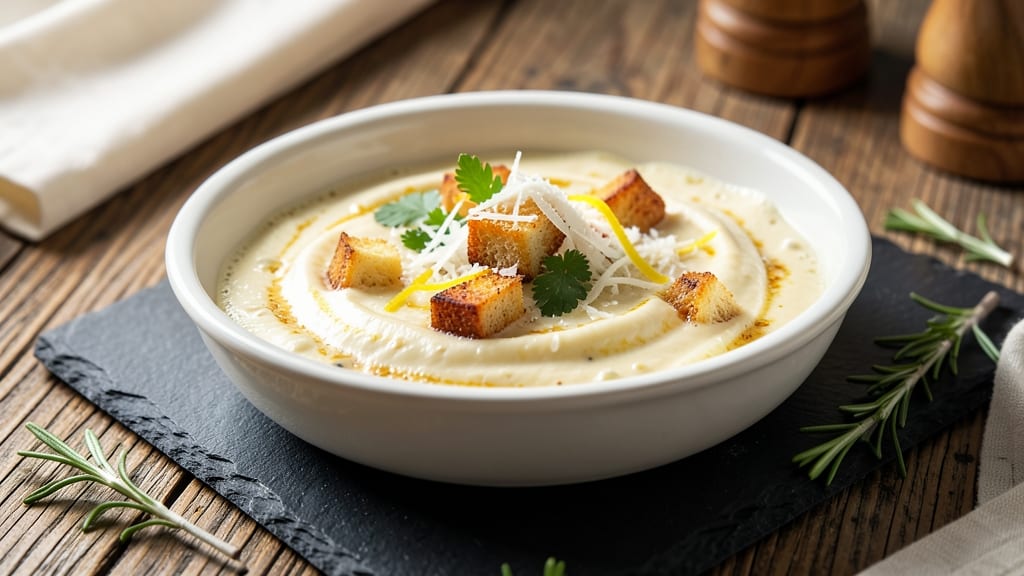
This escargot cream sauce recipe delivers the buttery, garlic-parsmean richness that turns simple escargot into a gourmet masterpiece. The secret lies in a slow-cooked garlic butter base that creates a velvety texture while preserving those delicate garlic notes.
I developed this sauce after years of experimenting with restaurant-style preparations—it’s the kind of sauce that makes escargot feel like a special occasion, even on weeknights.
What sets this sauce apart is the balance of creamy richness and bright garlic flavor without overpowering the delicate escargot. You’ll start with a simple butter and garlic foundation, then build depth with cream and a touch of lemon juice for brightness.
The sauce thickens beautifully when reheated, making it perfect for drizzling over escargot or pairing with crusty bread.
The result is a luxe sauce that clings to every bite—silky, aromatic, and just tangy enough to complement the escargot’s natural flavor. It reheats effortlessly, so you can make it ahead and store it in the fridge for up to 5 days.
A splash of white wine in the final step adds an elegant touch that elevates this sauce from good to restaurant-worthy.
This sauce isn’t just for escargot—it’s a versatile condiment that works beautifully with grilled meats, seafood, or even as a dip for crusty bread. The key is patience: letting the garlic infuse the butter thoroughly before adding cream ensures a flavorful, cohesive sauce every time.
Ingredients for escargot cream sauce
Eight ingredients transform into a velvety, aromatic sauce that makes escargot unforgettable.
| Ingredient | Amount | Notes |
|---|---|---|
| Unsalted Butter 🧈 | ¾ cup | Cold, cut into small cubes |
| Garlic Cloves 🧄 | 8 cloves | Fresh, thinly sliced |
| Heavy Cream 🥛 | 1 ½ cups | Full-fat for richness |
| Fresh Lemon Juice 🍋 | 1 tbsp | Brightens the sauce |
| Parmesan Cheese 🧀 | ½ cup | Freshly grated, fine |
| Dry White Wine 🍷 | ¼ cup | Sauvignon Blanc preferred |
| Diamond Crystal Kosher Salt 🧂 | ½ tsp | Adjust to taste |
| Freshly Ground Black Pepper 🌶️ | ¼ tsp | For depth |
The butter and garlic are the heart of this sauce—don’t rush the slow cook. European-style butter like Plugrá or Land O’Lakes Cultured adds depth, but any good unsalted butter works. For garlic, fresh is non-negotiable—jarred minced garlic lacks the delicate sweetness. Slice it thinly so it infuses without burning. If you’re feeling fancy, Whole Foods or Trader Joe’s carry pre-sliced garlic that saves time. The Parmesan? Grate it yourself—pre-shredded clumps ruin the sauce’s silky texture.
No white wine? Dry vermouth or chicken broth works in a pinch, but the alcohol helps balance richness. Short on butter? Olive oil in the same amount, though it’ll be slightly lighter. The heavy cream is crucial—half-and-half cuts corners but works if you’re in a bind. For a tangier sauce, add an extra splash of lemon juice. The sauce thickens as it cools, so if it’s too thin, simmer uncovered for 2-3 minutes. Pro tip: Strain through a fine-mesh sieve before serving to ensure silky perfection.
This sauce keeps beautifully—5 days in the fridge sealed in an airtight container. For longer storage, freeze in 1-tablespoon portions (perfect for drizzling). Reheat gently over low heat, stirring often, until just warmed through. The sauce thickens further as it reheats, so add a splash of cream if needed. Leftovers? Drizzle over grilled asparagus or seafood—it’s that versatile.
Why You'll Love This Recipe
- Five-Ingredient Magic: I swear, this sauce is that good—just butter, garlic, cream, lemon, and Parmesan. No fancy techniques, no hidden shortcuts, just pure, rich flavor with minimal effort. The lemon brightens everything up while the Parmesan adds that salty crunch.
- Weeknight Hug in a Pan: Between us, this is my go-to when I’m too tired to think. Simmer the garlic in butter until it’s golden but not burnt—that’s the secret—then add the cream and let it thicken. By the time you’ve chopped some veggies or tossed pasta, the sauce is ready. Honestly, it’s the kind of dish that makes you feel like you’ve earned dinner.
- Leftovers That Don’t Suck: I make a double batch on Sundays because this sauce stays good. Reheat it gently with a splash of milk or water, and it’s just as luscious as the first time. Slather it on grilled chicken, drizzle over roasted potatoes, or even toss with eggs—it’s the ultimate flavor multiplier.
- Date Night or Lazy Night: Here’s what sold me—this sauce works for everything. Fancy dinner? Pair it with seared scallops. Too exhausted to cook? Dump it over store-bought gnocchi. The heavy cream and garlic make it feel indulgent, but the lemon keeps it light. Even my picky boyfriend doesn’t complain. (Yes, even on a Tuesday night.)
Step-by-step instructions for escargot cream sauce
This velvety sauce comes together faster than you'd expect—rich, aromatic, and perfect for snails or any protein.
Melt the Butter and Sauté Garlic
In a medium saucepan, melt the 0.75 cup unsalted butter over medium-low heat. I like to use small cubes of cold butter so it melts gradually without burning. Once fully melted and foaming subsides, add the 8 cloves thinly sliced garlic cloves.
Cook the garlic for 3-4 minutes until it turns a pale golden color and becomes fragrant. This is where the sauce builds its aromatic foundation—don't let it brown or it'll turn bitter. I stir constantly to ensure even cooking and prevent any pieces from sticking to the pan.
Deglaze with White Wine
Pour in the 0.25 cup dry white wine and immediately scrape up any browned bits from the bottom of the pan with a wooden spoon. This deglazing step captures all the garlic flavor that would otherwise stick to the pan. Let the wine simmer for 2-3 minutes until it reduces by about half.
Here's the thing—if you skip this step, you're missing out on concentrated flavor. The wine not only adds depth but also helps dissolve any remaining butter solids, creating a smoother sauce. You'll know it's ready when the liquid reduces to about 2 tablespoons remaining.
Incorporate Cream and Season
Reduce the heat to low and gradually whisk in the 1.5 cups heavy cream. I add it slowly at first to prevent the sauce from curdling. Stir constantly for 3-4 minutes until the mixture thickens slightly and begins to coat the back of a spoon.
Add the 0.5 tsp diamond crystal kosher salt and 0.25 tsp freshly ground black pepper, then stir to combine. The sauce should be smooth at this point, with a luxurious, velvety texture. If it's too thick, you can add 1-2 tablespoons of water to adjust the consistency.
Finish with Parmesan and Lemon
Remove the sauce from heat and stir in the 0.5 cup freshly grated parmesan cheese until fully melted and smooth. Then add the 1 tbsp fresh lemon juice and give it one final stir. The lemon brightens the richness of the cream and butter, balancing the sauce beautifully.
Taste and adjust seasoning if needed—sometimes you need a bit more salt or pepper to complement the richness. The sauce should be creamy, flavorful, and ready to pair with your escargot or any other dish you're preparing. For best results, serve it immediately while still warm.
Pro Tips For Making Escargot Cream Sauce
- Melt Butter Slowly: Don’t rush the garlic—low heat prevents burning, and you’ll get that nutty aroma without bitter flavors. I’ve learned this the hard way: once you see the butter foaming, it’s too late.
- Use Cold Heavy Cream: Dump warm cream into the pan and you’ll end up with scrambled eggs. Start with cold cream, then simmer gently—this keeps the sauce silky and prevents curdling.
- Zest Lemon First: Squeeze the juice in last, but zest the lemon before you even touch the butter. The citrus oils add brightness early, and you won’t lose that punch when the sauce reduces.
- Grate Parmesan Fresh: Pre-grated cheese has anti-caking agents that make your sauce grainy. Shave it yourself with a microplane—it dissolves smoother and tastes richer. (Yes, even if you’re impatient like me.)
Essential equipment for this recipe
Saucepan Essentials
Start with a medium saucepan that has a heavy-bottom base—I recommend All-Clad Stainless Steel or Calphalon for even heat distribution. The saucepan should have sloped sides to prevent spattering when adding wine. A 3-quart capacity works perfectly for this recipe, giving you enough room to whisk without overflowing. 🔥
Whisk for Smoothness
A balloon whisk is my go-to tool for this sauce because it incorporates air while blending ingredients seamlessly. I use a OXO Good Grips whisk for its sturdy build and comfortable handle.
If you don’t have a whisk, a rubber spatula works in a pinch, but you’ll need to stir more vigorously to prevent lumps in the cream.
Fine-Mesh Strainer
For a silky finish, strain the sauce through a fine-mesh sieve like the Heston Blumenthal brand to remove any garlic bits or Parmesan clumps. This step is especially important if you’re serving the sauce immediately—it ensures a velvety texture that feels restaurant-quality.
A cheesecloth-lined strainer works too, but it requires more effort to press out all the liquid.
Wooden Spoon
Use a wooden spoon (I prefer Oxo Good Grips again) for deglazing and stirring—it won’t scratch your saucepan and helps scrape up flavorful browned bits. Avoid metal spoons when scraping, as they can introduce unwanted iron flavors.
The wooden spoon also prevents the sauce from sticking to the bottom during the wine reduction stage.
Tasting Spoon
A small, shallow tasting spoon (like the Westrock brand) lets you sample the sauce without transferring large amounts. I taste as I go—first after the garlic, then after adding cream, and finally before serving.
This helps me adjust seasoning precisely. A regular spoon works, but a dedicated tasting spoon keeps your sauce clean and avoids cross-contamination.
Storage Containers
For leftovers, transfer the sauce to airtight glass containers—I love Le Parfait or Pyrex for their durability. They’re microwave-safe and stackable, making fridge storage efficient. If freezing, use silicone molds or ice cube trays for portion control.
Label containers with the date to track freshness—this sauce keeps its best quality for 5 days refrigerated or 3 months frozen. ❄️
Nutrition facts
Frequently asked questions
Can I make this sauce without white wine?
If you don't have white wine, substitute with 0.25 cup dry vermouth or chicken broth for depth. For a non-alcoholic version, use apple cider vinegar (1 tbsp) mixed with 0.25 cup water. The key is maintaining the same acidity level to balance the richness. The sauce will still taste delicious—just slightly different in character.
How do I prevent the sauce from curdling when adding cream?
Curdling happens when cream is added too quickly to hot liquid. Always reduce heat to low before adding cream, and whisk it in gradually while stirring constantly. If you notice any separation, immediately remove from heat and whisk vigorously. For extra insurance, temper the cream first by mixing 1 tablespoon of the hot butter mixture into the cream before combining fully. This gentle transition prevents curdling every time.
Can I use this sauce for dishes other than escargot?
This versatile sauce works beautifully with grilled seafood, roasted chicken, or even as a rich dip for crusty bread. It pairs especially well with asparagus, shrimp scampi, or steak. The creamy garlic-parmesan flavor complements proteins and vegetables alike. For a different application, try drizzling it over mashed potatoes or using it as a base for pasta sauces.
Why does my sauce taste too buttery?
The richness comes from the butter, but the wine and lemon juice balance it. If your sauce tastes too heavy, add 1-2 tablespoons lemon juice or white wine vinegar to brighten the flavor. You can also reduce the butter slightly (0.5 cup instead of 0.75 cup) in future batches. The sauce should have a harmonious blend of buttery, garlicky, and slightly tangy notes—like a luxurious dip rather than a heavy coating.
How do I reheat leftovers without making the sauce grainy?
Reheat the sauce gently over low heat in a saucepan, stirring frequently with a whisk or spatula. If it thickens too much, add 1-2 tablespoons heavy cream or water to restore its smooth texture. For microwave reheating, use 30-second intervals on medium power, stirring well between each interval. Never boil the sauce—this can cause separation. The sauce should warm through evenly while maintaining its velvety consistency.