
Sauces & Condiments
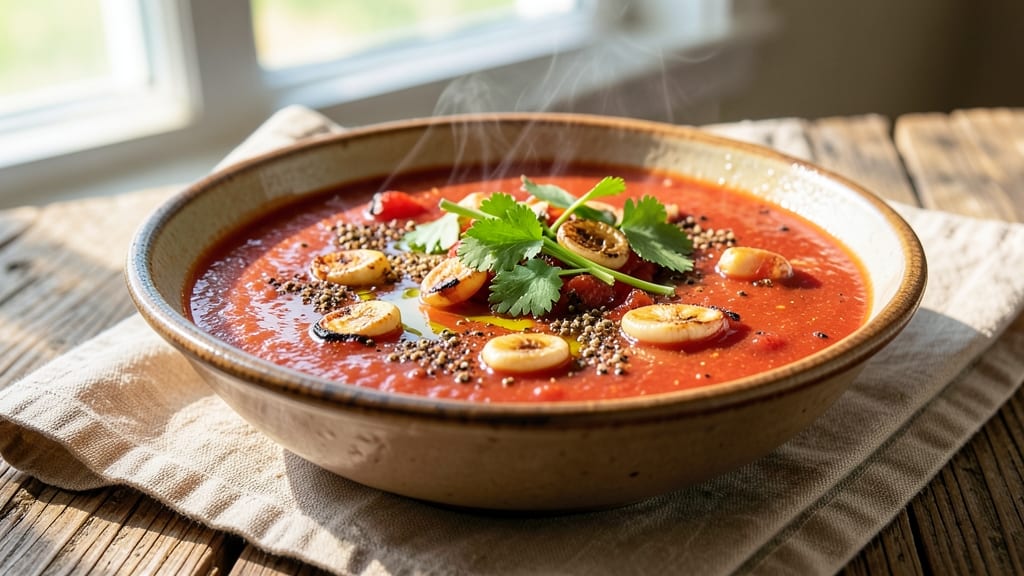
This enchilada sauce recipe with fresh tomatoes transforms simple ingredients into a rich, smoky base that elevates every dish. Roasting tomatoes unlocks their natural sweetness while charring adds depth—no canned sauces needed.
The blend of cumin, garlic, and chili powder creates that signature Mexican warmth, perfect for enchiladas, tacos, or dips.
The beauty of this sauce lies in its versatility and ease. In just 20 minutes, you’ll have a smooth, flavorful sauce that deepens as it sits—ideal for meal prep.
The roasting step caramelizes the tomatoes while building smoky notes, and simmering with spices ensures every spoonful delivers balanced heat and earthiness.
What sets this apart is the fresh tomato foundation—no artificial ingredients or aftertaste. The sauce thickens naturally as it cooks, creating a velvety texture that clings to tortillas or coats proteins beautifully. Store it for up to a week, or freeze for months of quick, restaurant-quality flavor.
Use it as a dip, a marinade, or the star of your enchiladas. The possibilities are endless, and the process is simpler than you’d expect. Let’s make sauce that tastes homemade—no shortcuts needed.
Ingredients for enchilada sauce recipe fresh tomatoes
Fresh tomatoes and smoky spices create this velvety enchilada sauce foundation in minutes.
| Ingredient | Amount | Notes |
|---|---|---|
| Fresh Roma Tomatoes 🍅 | 2 lb | Heirloom or vine-ripened preferred |
| Extra-Virgin Olive Oil 🫒 | ½ cup | High-quality, peppery variety |
| Garlic Cloves 🧄 | 6 cloves | Peeled, roughly chopped |
| Ground Cumin 🌿 | 2 tbsp | Toasted for deeper flavor |
| Chili Powder 🌶️ | 1 ½ tbsp | Medium heat preferred |
| Smoked Paprika 🌶️ | 1 tbsp | For authentic smokiness |
| Dried Oregano 🍃 | 1 tsp | Mexican oregano if available |
| Salt 🧂 | 1 ½ tsp | Diamond Crystal preferred |
| Black Peppercorns 🌶️ | ½ tsp | Freshly cracked preferred |
| Fresh Cilantro 🌿 | ¼ cup | Stems removed, chopped |
The tomatoes are the heart of this sauce—Roma tomatoes concentrate flavor best, but any ripe variety works. Whole Foods or local farmers markets often carry heirloom tomatoes with superior depth. For maximum flavor, roast them whole until charred in spots, then peel if desired. The olive oil should be high-quality; California extra-virgin brands like Corto or Lucini elevate the sauce's richness. Garlic cloves should be fresh—older garlic loses its punch, and this sauce demands bold flavor. Toast your spices in a dry pan for 30 seconds before adding to deepen their aromatic profiles.
No Roma tomatoes? San Marzano canned tomatoes work in a pinch, but fresh always wins. Substitute adobo sauce for smoked paprika if you prefer more intensity. The cilantro adds brightness—skip it if you dislike its flavor, but the sauce will lack freshness without it. For extra smokiness, add a dash of liquid smoke or swap half the paprika for chipotle powder. The sauce thickens naturally as it simmers; if you prefer it thinner, add 1-2 tbsp water or broth at the end. For a vegetarian version, ensure all spices are certified—some brands contain trace meat products.
This sauce keeps beautifully—1 week refrigerated or 3 months frozen. Store in airtight containers, leaving room for expansion. The flavor deepens over time, making it perfect for meal prep. Freeze in ice cube trays for single-use portions. To reheat, warm gently on the stove, adding a splash of water if it thickens too much. The sauce pairs perfectly with corn tortillas for enchiladas or as a dip for totopos. Double the batch—it disappears fast.
Why You'll Love This Recipe
- Here’s what sold me: that first spoonful of simmered sauce, where the garlic and cumin melt into the tomatoes like a warm hug. The olive oil adds this silky richness, while the chili powder gives it just enough kick to wake up your taste buds—no canned aftertaste, just pure, bright flavor.
- No Chopping Chaos: I’ll admit, I used to dread chopping tomatoes for sauce—messy, uneven, always a few seeds left behind. But Roma tomatoes? They’re the lazy chef’s dream: just halve them, squeeze out the pulp, and you’re done. The seeds stay put, and the sauce thickens beautifully without extra fuss.
- Garlicky Magic: Here’s what sold me: that first spoonful of simmered sauce, where the garlic and cumin melt into the tomatoes like a warm hug. The olive oil adds this silky richness, while the chili powder gives it just enough kick to wake up your taste buds—no canned aftertaste, just pure, bright flavor.
- Weeknight Hero: Between us, this sauce is my secret weapon for busy nights. Toss it with eggs for breakfast burritos, slather it on grilled chicken, or even drizzle it over avocado toast when I’m craving something cozy. It’s the one sauce that works for breakfast, lunch, or dinner without apology.
Step-by-step instructions for enchilada sauce with fresh tomatoes
Transform ripe tomatoes into rich, smoky enchilada sauce in under 20 minutes—no canned shortcuts needed.
Roast Tomatoes for Deep Flavor
Preheat your oven to 450°F and line a baking sheet with parchment paper. Cut the 2 lb fresh Roma tomatoes in half lengthwise, removing the cores. Place them cut-side down on the prepared sheet, leaving space between each half. Drizzle evenly with 0.25 cup of the extra-virgin olive oil—about 1 tablespoon per tomato half. Roast for 15-20 minutes until the edges darken and the tomatoes collapse slightly, releasing their juices.
The high heat caramelizes the natural sugars in the tomatoes, creating a concentrated, sweet-savory base. You'll know they're ready when the skin turns deep golden brown and fragrant—this is where the authentic depth begins. For extra smokiness, you could also char them directly over a gas flame for 2-3 minutes per side, but oven-roasting ensures even cooking.
Toast Spices for Complex Aroma
While the tomatoes roast, heat a large skillet over medium-low heat. Add the 6 cloves peeled garlic cloves and toast for 1-2 minutes until they turn golden and fragrant—this prevents them from burning later. Remove the garlic and set aside. In the same skillet, add the 0.5 cup extra-virgin olive oil and toast the 2 tbsp ground cumin, 1.5 tbsp chili powder, and 1 tbsp smoked paprika for 1-2 minutes, stirring constantly. The spices should smell warm, earthy, and slightly smoky—this dry-toasting deepens their flavor.
Be patient here. If the spices darken too quickly, reduce the heat immediately. The goal is to awaken their essential oils without burning them. Once toasted, remove the skillet from heat and let the spices cool slightly—this prevents them from releasing bitterness into the sauce.
Blend Roasted Tomatoes and Spices
Transfer the roasted tomatoes to a blender or food processor. Add the toasted garlic, spice mixture, 1.5 tsp salt, and 0.5 tsp freshly cracked black peppercorns. Blend until completely smooth, scraping down the sides as needed. The sauce should be thick and velvety, with no visible chunks. If it's too thick, add 2-4 tablespoons of water to reach a pourable consistency. Taste and adjust seasoning—this is your chance to balance the flavors before cooking.
The blender should be at least 50% full for optimal blending. If using a high-powered blender, pulse briefly first to break up the tomatoes before blending continuously. The sauce should coat the back of a spoon with a smooth, glossy finish—this indicates proper emulsification. For extra richness, you could also add 1 tablespoon of tomato paste at this stage, but it's not required.
Simmer for Smoky Depth
Pour the blended sauce into a medium saucepan and bring to a gentle simmer over medium heat. Stir in the 1 tsp dried oregano and reduce the heat to low. Let it simmer uncovered for 8-10 minutes, stirring occasionally. The sauce should thicken slightly and develop a rich, aromatic steam. Skim off any foam that rises to the surface—this ensures a clean, velvety texture.
This simmering step is where the sauce transforms. The low heat allows the flavors to meld while reducing excess moisture, creating a concentrated, restaurant-quality sauce. You'll notice the aroma intensify—smoky, earthy, with a touch of sweetness. If the sauce thickens too much, whisk in 1 tablespoon of water at a time until it reaches a pourable but coatable consistency. The final sauce should be smooth, glossy, and deeply flavorful—ready to envelop enchiladas or drizzle over tacos.
Finish with Fresh Cilantro
Remove the sauce from heat and stir in the 0.25 cup chopped fresh cilantro. This final step brightens the sauce with a fresh, herbaceous note that cuts through the richness. Taste again and adjust seasoning if needed—enchilada sauce should be balanced, with layers of smokiness, earthiness, and brightness. Let the sauce rest for 5 minutes before using, which allows the flavors to fully integrate.
The cilantro should be finely chopped—this ensures even distribution and prevents large stems from making the sauce gritty. For a smoother texture, you could strain the sauce through a fine-mesh sieve after adding the cilantro, but the slight texture adds authenticity. Serve immediately over enchiladas, or store in an airtight container in the refrigerator for up to 5 days, reheating gently before serving.
Pro Tips For Making Enchilada Sauce Recipe Fresh Tomatoes
- Char the Tomatoes First: I learned this the hard way—skipping the char ruins the depth. Sear the halved tomatoes cut-side down in a dry skillet over medium-high heat until blackened in spots (about 3-4 minutes per side). The smoky bitterness is what transforms this from good to real enchilada sauce.
- Roast the Garlic: Peeling garlic cloves is a pain, so I roast them whole first. Toss 4-5 unpeeled cloves in olive oil with the tomatoes, then roast at 400°F (200°C) for 15 minutes until soft. Squeeze them out of their skins afterward—no mess, and the flavor is sweeter, richer.
- Toast the Spices Dry: Don’t just toss cumin and chili powder into the pan with wet ingredients. Heat them in a dry skillet over low heat for 30 seconds until fragrant—this blooms their flavors and prevents a raw, bitter taste. (Yes, even if you’re impatient like me.)
- Simmer Low and Slow: After blending, return the sauce to the pot and simmer uncovered at a gentle bubble for at least 15 minutes. Skim off any foam that rises—this keeps the sauce silky, not gluey. (Your future self will thank you for skipping the rush.)
Troubleshooting your enchilada sauce recipe fresh tomatoes
Tomatoes Too Watery
If your sauce ends up too thin, it’s likely because the tomatoes released too much liquid during roasting. To fix this, simmer the blended sauce uncovered for an extra 5-10 minutes on low heat—this reduces excess moisture naturally.
For immediate thickening, mix 1 tablespoon cornstarch with 2 tablespoons cold water, stir into the sauce, and simmer for 2-3 minutes.
Prevent this by using slightly underripe tomatoes—they release less juice. Also, pat the roasted tomatoes dry with a paper towel before blending to absorb excess moisture. 💧
Sauce Too Thick
If your sauce is stubbornly thick, don’t panic! Thin it gradually by whisking in 1 tablespoon water or broth at a time until it reaches a pourable consistency.
For enchiladas, you want a sauce that coats but doesn’t pool—aim for a texture like heavy cream. If the sauce separates, whisk vigorously to re-emulsify it.
To prevent over-thickening, avoid over-simmering. Remove the sauce from heat as soon as it coats the back of a spoon. Store-bought enchilada sauce often contains thickeners like flour or cornstarch—this recipe relies on natural reduction, so patience is key. 🍲
Blender Not Smooth
If your sauce has visible chunks, it’s likely because the tomatoes weren’t blended long enough or the blender wasn’t powerful enough. Pulse the sauce in 30-second bursts while scraping down the sides until completely smooth. For stubborn chunks, strain the sauce through a fine-mesh sieve before simmering.
Prevent this by using a high-powered blender like the Ninja BN601 or Vitamix. If you’re using a basic blender, add 2-3 tablespoons water before blending to help emulsify the sauce. Roast the tomatoes until very soft—they should collapse easily when pressed. 🔄
Spice Balance Off
If your sauce tastes too spicy or lacks depth, adjust the flavors by adding ½ teaspoon sugar to balance heat or another ½ teaspoon smoked paprika for more complexity. Taste as you go—enchilada sauce should have layers of smokiness, earthiness, and a hint of sweetness.
To prevent imbalance, toast your spices until fragrant but not burnt. Use a mix of medium-heat chili powder and smoked paprika for a well-rounded flavor. If the sauce tastes flat, simmer it uncovered for an extra 5 minutes to concentrate the flavors. 🌶️
Sauce Separates
If your sauce splits into oil and water-like layers, it’s likely because the spices or oil weren’t properly emulsified. Whisk vigorously to recombine, then simmer for 2-3 minutes on low heat. For a smoother texture, blend the sauce again after simmering.
Prevent separation by ensuring the sauce simmers gently—never boil it. If using extra olive oil, add it gradually while whisking. For extra insurance, stir in 1 teaspoon cornstarch or a splash of water before simmering to help bind the ingredients. 🥄
Nutrition facts
Frequently asked questions
Can I use any tomato variety for this enchilada sauce?
Roma tomatoes are ideal because they’re meaty and concentrated, but any ripe tomato works in a pinch. Avoid overly watery varieties like beefsteak—they’ll dilute your sauce. For best results, choose tomatoes with balanced sweetness and acidity.
How do I adjust the heat level in this sauce?
Start with medium-heat chili powder, then tweak to taste: reduce heat by swapping ½ teaspoon for ½ teaspoon smoked paprika or mild adobo. For extra kick, add ¼ teaspoon cayenne or a pinch of chipotle powder. Always taste as you go—enchilada sauce should balance smokiness with approachable heat.
Can I make this sauce in a slow cooker?
Yes! Roast the tomatoes as directed, then blend with spices and transfer to the slow cooker on low for 2-3 hours. Stir occasionally to prevent scorching. The slow cooker enhances the smoky depth naturally. For thicker sauce, simmer uncovered the last 30 minutes to reduce.
What’s the best way to store leftovers?
Let the sauce cool completely, then store in an airtight container in the fridge for up to 5 days. For longer storage, freeze in ice cube trays (thaw quickly in a saucepan) or 1-cup portions in freezer bags for up to 3 months. Reheat gently on low heat, stirring occasionally.
Why does my sauce taste flat after reheating?
Flat flavor usually means the spices weren’t toasted enough or the sauce didn’t simmer long enough. Next time, toast spices until fragrant (not burnt) and simmer uncovered for 10-12 minutes to concentrate flavors. If reheating, add a splash of water and simmer briefly to revive depth.