
Sauces & Condiments
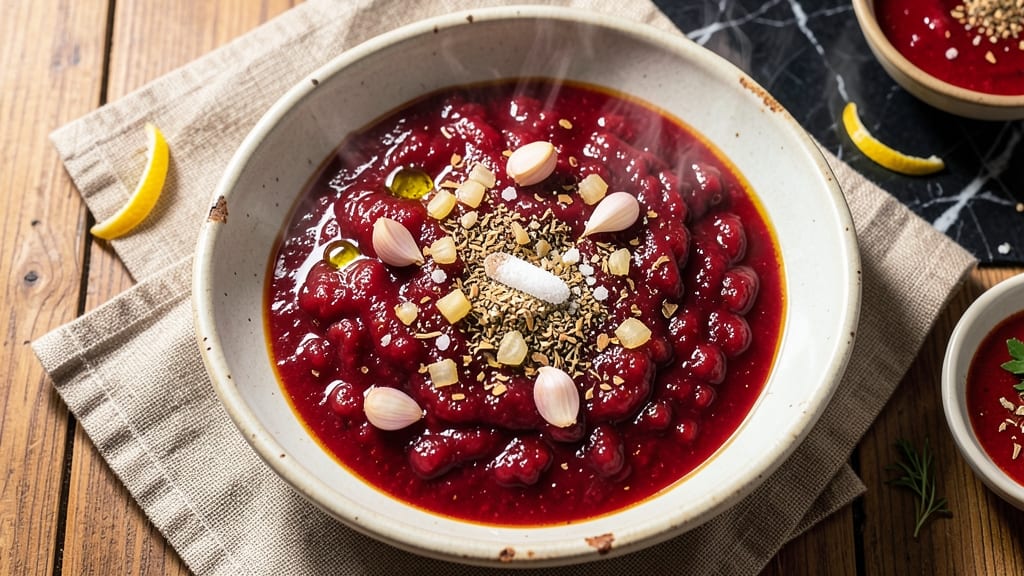
This Boston pizza sauce recipe delivers the signature balance of sweetness and tang that makes New England-style pizza legendary. The secret lies in blending ripe tomatoes with just enough sugar to enhance natural sweetness without overpowering the bright acidity.
Unlike heavy marinara, this sauce stays light yet rich, perfect for crisp pie crusts.
The foundation is simple: crushed tomatoes, garlic, onions, and a touch of sugar to create that signature Boston sweetness. Simmering low and slow develops deep flavor while keeping the texture smooth and clingy.
Fresh basil and oregano add aromatic depth, ensuring every bite of your pizza carries that classic New England taste.
What sets this sauce apart is its versatility—use it for pizza, dipping, or as a base for pasta. The sauce thickens naturally as it cooks, creating that perfect consistency that clings beautifully to crusts.
Whether you're making a classic Boston-style pie or experimenting with new toppings, this recipe delivers consistent, restaurant-quality results.
Store leftovers in the fridge for up to 5 days or freeze for months, making it ideal for meal prep. For extra richness, stir in a splash of heavy cream before serving.
The balance of sweet, tangy, and herby flavors ensures your pizza will taste like it came straight from a Boston pizzeria.
Ingredients for boston pizza sauce
Crushed tomatoes, garlic, and onions form the sweet-tangy heart of Boston pizza sauce.
| Ingredient | Amount | Notes |
|---|---|---|
| Crushed Tomatoes 🍅 | 2 cups | San Marzano preferred for sweetness |
| Yellow Onion 🧅 | 1 medium | OR 0.5 cup finely chopped |
| Garlic Cloves 🧄 | 4 cloves | Freshly minced for best flavor |
| Granulated Sugar 🍚 | 1 tbsp | Enhances natural sweetness |
| Dried Oregano 🌿 | 1 tsp | Crumbled between fingers |
| Salt 🧂 | 1 tsp | Kosher or sea salt preferred |
| Black Pepper 🌶️ | ¼ tsp | Freshly ground for warmth |
| Fresh Basil Leaves 🌿 | ¼ cup | Packed, stems removed |
| Extra-Virgin Olive Oil 🫒 | 1 tbsp | For richness and balance |
| Red Wine Vinegar 🍷 | 1 tbsp | Adds tangy brightness |
The tomatoes are everything here. San Marzano is ideal for that natural sweetness, but any good crushed tomatoes work—just taste and adjust sugar. Whole Foods or Trader Joe's carry the best brands, but the canned section at your regular grocery store usually has decent options too. For the onion, I like to use one medium yellow onion (about 0.5 cup chopped), but if you're prepping ahead, chop all your veggies first—they'll keep in the fridge for 5 days before wilting. Fresh basil is non-negotiable for that classic New England flavor, but if you're out, dried oregano at half the amount will get you close.
No San Marzano? Any crushed tomatoes will work—just add an extra 0.5 tbsp sugar to compensate. Short on basil? Dried oregano plus a pinch of red pepper flakes mimics that herby depth. The vinegar is key for that signature tang—apple cider vinegar works too if you're out of red wine vinegar. Want to make this ahead? The sauce actually improves overnight as flavors meld. I always double the batch and freeze half for future pizzas. For extra richness, stir in 1 tbsp heavy cream before serving, but keep it simple for classic Boston style.
This sauce keeps beautifully—fridge for 5 days or freeze for up to 3 months. I store it in small jars (about 1 cup each) so it's perfect for one pizza. When reheating, add a splash of water if it thickens too much. The perfect Boston sauce should be smooth, slightly sweet, and cling to your crust like a dream. Trust me on this—it's worth the extra 10 minutes of simmering for that restaurant-quality texture.
Why You'll Love This Recipe
- Five-Ingredient Magic: I swear by this—just tomatoes, onion, garlic, a pinch of sugar, and oregano. That’s it. No fancy gadgets, no stress, just a pot and 20 minutes of my time.
- Sweet-Savory Balance: The sugar isn’t just for sweetness—it cuts through the acidity of the tomatoes, making every bite rich and smooth. That garlic? It lingers just enough to make you crave another slice.
- Pantry Staple Power: I keep this sauce on hand for everything—pizza, pasta, even as a marinade for chicken. Honestly, I’ve used it in ways I never expected, and it never lets me down.
- Budget-Friendly Luxury: A 28-ounce can of crushed tomatoes costs less than a fancy jar of sauce, and it stretches to feed my family twice. Plus, the leftovers? They taste just as good reheated as they do fresh.
Step-by-step instructions for Boston pizza sauce
Here's how to make the classic Boston sauce that brings out the best in your pie crusts.
Sauté the Aromatics Until Fragrant
Heat the 1 tablespoon extra-virgin olive oil in a medium saucepan over medium heat. Add the 1 medium yellow onion, chopped into small pieces, and cook for 5-6 minutes until softened and translucent. This gentle cooking prevents the onions from turning bitter.
Next, add the 4 cloves garlic cloves, freshly minced, and cook for another 30 seconds until the garlic releases its aroma but doesn't brown. Watch closely—garlic burns quickly, and you want it to add flavor, not bitterness. The onions and garlic form the flavor foundation for the entire sauce.
Build the Sauce Base with Tomatoes and Seasonings
Pour in the 2 cups crushed tomatoes and stir to combine with the onions and garlic. Add the 1 tablespoon granulated sugar, 1 teaspoon salt, and 1 teaspoon dried oregano, crumbled between your fingers. Bring the mixture to a gentle simmer over medium-low heat—you want it to bubble softly, not boil vigorously.
Let it simmer uncovered for 10-12 minutes, stirring occasionally. This allows the flavors to meld and the sauce to thicken slightly. You'll notice the tomatoes break down and release their natural sweetness, which the sugar enhances. The oregano will infuse its earthy notes into the sauce.
Finish with Vinegar and Basil for Brightness
After the initial simmer, stir in the 1 tablespoon red wine vinegar and 0.25 teaspoon black pepper. The vinegar adds a bright, tangy contrast that balances the sweetness of the tomatoes. Let the sauce simmer for another 5 minutes to let the vinegar integrate fully.
Remove the sauce from heat and stir in the 0.25 cup fresh basil leaves, packed and stems removed. The basil adds a fresh, herbal brightness that's essential for authentic Boston sauce. Let the sauce sit off the heat for 5 minutes to allow the flavors to fully meld. The sauce should be smooth, slightly thickened, and vibrant in color.
Adjust Consistency and Serve
Taste the sauce and adjust the seasoning if needed. You might need a pinch more salt or a splash of vinegar to reach the perfect balance of sweet, tangy, and savory flavors. For a smoother texture, you can blend the sauce using an immersion blender or transfer it to a blender and pulse briefly.
This sauce is perfect for spreading on pie crusts, topping calzones, or pairing with any Italian dish. The balance of sweetness, acidity, and herbs makes it versatile yet classic. Store any leftovers in an airtight container in the refrigerator for up to 5 days or freeze for up to 3 months.
Pro Tips For Making Boston Pizza Sauce
- Sweat the Onion First: I learned this the hard way—skipping the sweat step means your sauce will taste raw and bitter. Dice the onion small, cook it in a dry pan over medium heat for 8-10 minutes until it’s translucent and just starting to caramelize. That deep, mellow flavor is the foundation of real Boston sauce.
- Crush Garlic, Don’t Mince: Whole cloves burn fast, minced garlic disappears too quickly. Smash 3-4 cloves with the flat side of your knife first, then add them to the pan with the onions. They’ll infuse flavor without turning bitter—no need to watch them like a hawk.
- Balance the Sugar Early: Taste the sauce after 15 minutes, then add sugar gradually. Start with 1 tablespoon, let it simmer, and adjust—too much upfront makes it cloying. You want sweetness to complement, not overpower, the tomatoes.
- Simmer Low and Long: After adding crushed tomatoes and oregano, drop the heat to a bare simmer. Let it cook uncovered for 45-60 minutes—this isn’t the time to rush. The sauce thickens and deepens as it reduces, and skipping this step leaves it thin and one-dimensional.
Wine and beer pairings for boston pizza sauce
Red Wine Pairings
Boston pizza sauce’s bright acidity and subtle sweetness pair beautifully with Italian red wines that complement its herbal notes. A Chianti Classico from Tuscany—like Castello di Volpaia Chianti Classico—works perfectly, with its cherry and earthy undertones mirroring the sauce’s depth.
The wine’s acidity cuts through the richness of cheese-topped pizzas, while its tannins stand up to the sauce’s slight sweetness. 🍷
Crisp White Options
For a lighter pairing, try a dry Vermentino from Sardinia, such as Cantina Mesu e Merzu Vermentino. Its citrusy brightness and mineral finish echo the sauce’s tangy, herby profile, making it ideal for thin-crust pizzas or antipasto platters. Avoid oaky whites—they’ll clash with the sauce’s delicate balance.
Beer Pairings
For beer lovers, a crisp Italian lager like Peroni or Moretti cleanses the palate without overpowering the sauce. The subtle malt sweetness enhances the sauce’s natural sugars, while the effervescence refreshes between bites.
If you prefer hoppier options, a Belgian witbier (like Hoegaarden) adds a peppery contrast that elevates the dish.
Non-Alcoholic Choices
Skip the alcohol? A sparkling blood orange soda (like San Pellegrino Aranciata) mimics the sauce’s sweet-tart balance with a fizzy lift. For a herbal touch, infuse sparkling water with muddled basil and lemon slices—it’s refreshing and highlights the sauce’s freshness. 💛
Pro Tip: Temperature Matters
Serve wine or beer slightly chilled (around 50-55°F) to balance the sauce’s warmth. Cold drinks mute flavors, while room-temperature options let the sauce’s complexity shine. I always chill my wine for 10 minutes before pairing—it makes a noticeable difference in harmony.
Nutrition facts
Frequently asked questions
Why does Boston pizza sauce have sugar in it?
The 1 tablespoon sugar enhances the natural sweetness of the tomatoes without overpowering the bright acidity. This signature balance creates that iconic Boston-style flavor—slightly sweet with a tangy kick. It's what makes this sauce different from heavy marinara.
Can I make this sauce without fresh basil?
Yes! If you're out of fresh basil, use ½ teaspoon dried basil (or ½ teaspoon dried oregano with a pinch of red pepper flakes) for depth. For best results, though, fresh basil adds that authentic herbal brightness that's hard to replicate.
How do I adjust the thickness of the sauce?
If the sauce is too thin, simmer uncovered for 5-10 more minutes to reduce it. For a smoother texture, blend briefly with an immersion blender. If it's too thick, stir in 1-2 tablespoons water or broth while reheating. The perfect consistency should cling to crusts but not be gluey.
What's the best way to store leftover sauce?
Store in an airtight container in the fridge for up to 5 days or freeze in small portions for 3 months. To reheat, warm gently on the stove with a splash of water if needed. The flavors actually improve overnight as they meld!
Can I use this sauce for dishes other than pizza?
This versatile sauce works perfectly for calzones, pasta, bruschetta, or as a dipping sauce for mozzarella sticks. The balance of sweet and tangy makes it great for any Italian-inspired dish where you want that classic Boston flavor profile.