
Sauces & Condiments
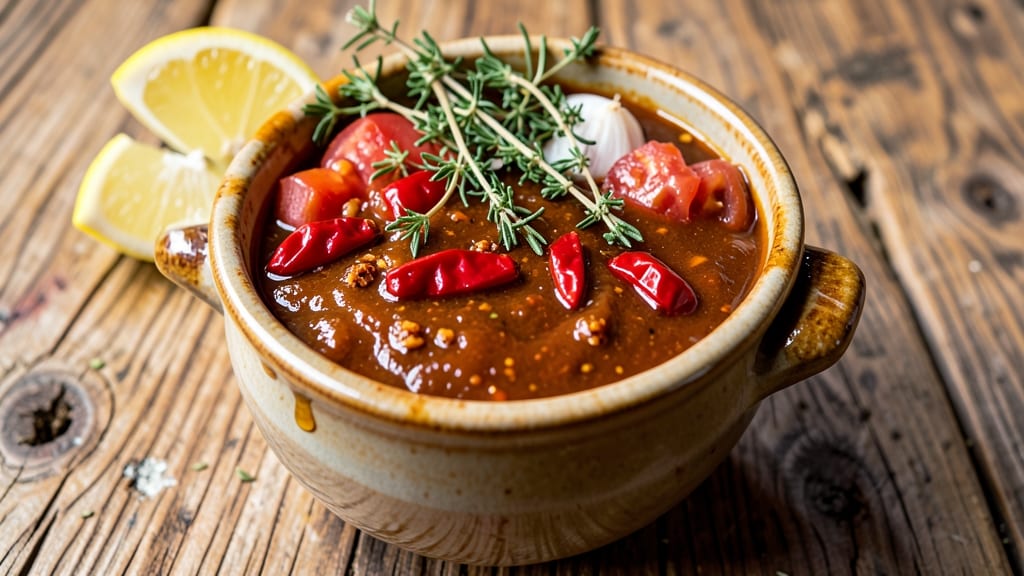
This Barbados hot sauce recipe delivers the island’s signature fiery punch—bright, tangy, and packed with the bold flavors of Scotch bonnet peppers, garlic, and thyme. The key lies in balancing heat with sweetness from tomatoes and citrus, creating a sauce that’s as versatile as it is addictive.
What sets this apart is the slow fermentation process, which deepens the flavors and mellows the raw pepper intensity for a complex, restaurant-quality finish.
The process is straightforward but requires patience: fresh peppers, garlic, and herbs steep in vinegar for at least a week, allowing the flavors to meld into a vibrant, aromatic liquid. Adjust the pepper-to-vinegar ratio to control heat levels—whether you want a subtle kick or full-on fire.
This method preserves the sauce’s freshness for months, making it perfect for gifting or stocking your pantry.
Once fermented, the sauce transforms into a glossy, golden-red condiment with layers of smoky garlic, earthy thyme, and a lingering heat that builds with each drop. It’s ideal for drizzling over grilled meats, seafood, or even mixing into marinades.
The acidity cuts through richness, while the sweetness balances the burn, creating a sauce that’s as dynamic as it is delicious.
For those who prefer a quicker version, a simplified stovetop method still delivers bold flavor—just skip the fermentation and simmer the ingredients for 15 minutes. Store properly in a sterilized jar, and you’ll have a condiment that brings the Caribbean’s fiery spirit to any dish. Ready to make it?
Ingredients for barbados hot sauce
Fiery peppers meet bright vinegar and citrus for this bold Caribbean condiment.
| Ingredient | Amount | Notes |
|---|---|---|
| Scotch Bonnet Peppers 🌶️ | 4 whole | Seeds removed for milder heat |
| Fresh Garlic Cloves 🧄 | 6 cloves | Peeled and smashed for infusion |
| Fresh Thyme Sprigs 🌿 | ¼ cup | Stems removed for flavor |
| White Vinegar 💧 | 1 ½ cups | White or apple cider vinegar |
| Medium Tomatoes 🍅 | 2 whole | Ripe, skin removed for smooth sauce |
| Lemon Juice 🍋 | ¼ cup | Freshly squeezed for brightness |
| Granulated Sugar 🍚 | ½ cup | Balances heat with sweetness |
| Salt 🧂 | 1 ½ tsp | Kosher or sea salt preferred |
| Allspice Berries 🌶️ | 1 tsp | Crushed for aromatic depth |
| Black Peppercorns 🌶️ | ½ tsp | Crushed for subtle heat |
Scotch bonnet peppers are non-negotiable here—they deliver that signature Barbados heat. Find them at Latin markets or specialty grocery stores like Whole Foods or Sprouts, where they're often sold fresh. If you can't locate them, habanero peppers are the closest substitute, but reduce the amount by half to avoid overpowering heat. For the tomatoes, San Marzano if you're fancy, but regular beefsteak tomatoes work fine. The key is ripeness—squishy but not mushy. Thyme is easy to find, but look for fresh sprigs over dried; the flavor is more vibrant. Allspice berries can be tricky to find whole, but ground allspice works in a pinch at half the amount.
No Scotch bonnet? Habanero or red jalapeño will work, but adjust the quantity—start with half and taste as you go. Vinegar choice matters: white vinegar gives a cleaner taste, while apple cider adds subtle sweetness. Balsamic vinegar is a fun twist for depth. The sugar isn't just for sweetness—it helps balance the acidity and heat. If you're avoiding sugar, agave nectar or honey (for non-vegan versions) can substitute at a 1:1 ratio. For the stovetop method, skip the fermentation and simmer all ingredients for 15 minutes instead. The tomatoes should break down into a smooth paste—blend if needed for a silky texture. If your sauce is too thin, reduce it on the stove; too thick? Thin with a splash of vinegar or water.
Fermented sauce keeps for 6-12 months in a sterilized jar in a cool, dark place—like your pantry. The stovetop version lasts about 3 months in the fridge. For gifting, use dark glass bottles to protect from light. Label with the date and heat level (mild, medium, hot) so recipients know what to expect. If you're making a big batch, double the recipe and use a food mill or fine-mesh sieve to strain out seeds and skins for a smoother sauce. Always taste before bottling—adjust sweetness or heat as needed. The flavors deepen over time, so don't be afraid to let it sit a few extra days before using.
Why You'll Love This Recipe
- No Chopping Needed: I swear, this sauce comes together with just a quick char—no dicing, no peeling, no fuss. Toss whole garlic cloves and tomatoes into a hot pan, let them blister, then blend with the vinegar and thyme. That’s it. Honestly, the messiest part is washing the Scotch bonnet seeds.
- Taste Like a Vacation: Between us, this isn’t just spicy—it’s complex. The charred tomatoes give it a smoky depth, the Scotch bonnet brings that fruity heat, and the thyme? It’s like a little island breeze in every drop. I’ll be real: I’ve drizzled it on eggs, grilled chicken, and even plain toast just to taste it again.
- Pantry-to-Party Ready: Make a big batch on Sunday, and you’ve got sauce for game days, BBQs, or even as a wake-up call for breakfast burritos. It keeps for months in the fridge, so no last-minute grocery runs. My daughter’s friends always ask for the “spicy stuff”—now I just hand them the jar.
- Cheaper Than Takeout: A single Scotch bonnet and a bunch of tomatoes cost less than one delivery order. This sauce stretches forever, and you’ll use it on everything from fried fish to roasted veggies. Between us, I’ve saved enough on takeout to buy a whole new pepper plant. Plus, the leftovers? They’re the reason I don’t stress about cooking.
Step-by-step instructions for Barbados hot sauce
Here's how to craft this vibrant, fiery condiment with balanced heat and sweetness.
Prepare the Base Ingredients
Start by removing the seeds from the 4 whole Scotch Bonnet Peppers—this reduces the intensity while keeping the signature heat. Cut them into quarters and set aside. Peel the 2 whole Medium Tomatoes and crush them with your hands or a potato masher until smooth. This creates a natural base for the sauce.
In a separate bowl, combine the 6 cloves Fresh Garlic Cloves and 1 tsp Allspice Berries. Use the flat side of a knife to crush the garlic and gently press the allspice berries to release their aromatic oils. Remove stems from the 0.25 cup Fresh Thyme Sprigs and chop them finely. These ingredients will form the flavor foundation of your sauce.
Simmer the Aromatics and Vinegar
In a medium saucepan, combine the crushed tomatoes, crushed garlic, allspice, thyme, 1.5 cups White Vinegar, 0.25 cup Lemon Juice, and 0.5 cup Granulated Sugar. Bring the mixture to a boil over medium-high heat, then reduce to a gentle simmer. Let it cook for 10-12 minutes until the tomatoes break down and the flavors meld together.
You'll notice the mixture darken slightly and develop a rich, tangy aroma. This is where the vinegar's acidity begins to balance the sweetness of the sugar and the heat from the peppers. Keep an eye on the pot—you want the sauce to thicken but not reduce too much, as we'll add the peppers next.
Incorporate the Scotch Bonnet Peppers
Carefully add the quartered Scotch Bonnet Peppers to the simmering mixture. Stir gently to distribute them evenly, but avoid over-mashing them—you want their heat to infuse gradually. Return the heat to medium and let the sauce simmer for another 15-20 minutes. The peppers will soften and release their fiery essence into the sauce.
During this time, taste the sauce occasionally. You're aiming for a balance where the heat is noticeable but not overwhelming. If the sauce thickens too much, add 1-2 tablespoons of water to maintain the right consistency. The peppers should be tender enough to mash slightly with a spoon, but still retain some texture.
Season and Finish the Sauce
Remove the sauce from heat and let it cool slightly. Using an immersion blender or regular blender, purée the mixture until smooth. This step ensures a consistent texture and evenly distributed heat. Once blended, return the sauce to the saucepan and add the 1.5 tsp Salt and 0.5 tsp Black Peppercorns. Stir well to combine.
Let the sauce cool completely before transferring it to a clean glass jar. The flavors will continue to develop as it sits, deepening the complexity. For best results, let it rest for at least 24 hours before using—this allows the heat and acidity to fully integrate. Your Barbados hot sauce is now ready to elevate any dish with its bold, fruity heat.
Pro Tips For Making Barbados Hot Sauce
- REMOVE PEPPERS WHOLE: I learned this the hard way—cutting Scotch Bonnets open first releases too much capsaicin early, turning your sauce bitter before it even simmers. Drop them whole into the pot, then peel and seed after everything else is cooked. The heat builds gradually, and you’ll get that clean, bright fire instead of a mouthful of regret.
- BLANCH TOMATOES FIRST: Skip the raw tomato chunks—they’ll turn your sauce into a watery, seedy mess. Blanch them in boiling water for 30 seconds, then shock in ice water to stop cooking. The skins slip off easily, and you’re left with a smoother, more concentrated base. (Yes, even if you’re impatient like me.)
- LOW AND SLOW ONLY: Cranking the heat to boil this sauce is a fast track to vinegar sharpness and garlic bitterness. Keep it at a gentle simmer—tiny bubbles, maybe 160°F (70°C)—for at least 45 minutes. Patience here makes the difference between a hot sauce and a vinegary afterthought.
- SALT THE VINEGAR: My grandmother swore by this, and she was right: Dissolve 1 teaspoon of salt into the white vinegar before mixing it in. It rounds out the acidity and lets the Scotch Bonnet’s heat shine without tasting like a punch to the throat. (Your future self will thank you.)
Health benefits of this barbados hot sauce
Digestive Aid
Scotch bonnet peppers contain capsaicin, a compound that stimulates digestion by increasing stomach acid production. This helps break down food more efficiently, reducing bloating and indigestion.
The vinegar base also aids digestion by promoting gut motility, making this sauce a great post-meal companion for heavy dishes like fried fish or jerk chicken. 🌶️
Immune Support
Garlic and thyme are both powerhouse immune boosters—garlic contains allicin, which fights infections, while thyme provides thymol, an antioxidant with antimicrobial properties. The citrus in lemon juice adds vitamin C, further strengthening your immune system. Together, these ingredients create a flavorful defense against seasonal colds.
Antioxidant Powerhouse
Tomatoes contribute lycopene, a potent antioxidant that protects cells from oxidative damage, while allspice berries provide eugenol, a compound with anti-inflammatory benefits. The black peppercorns add piperine, which enhances nutrient absorption—meaning your body gets more from every bite.
This makes the sauce not just delicious, but also a nutrient multiplier.
Blood Sugar Regulation
The vinegar in this recipe has been shown to improve insulin sensitivity, helping stabilize blood sugar levels after meals. The sugar balances heat without spiking glucose—it’s the natural sweetness from tomatoes and citrus that keeps things in check.
This makes it a smart choice for those monitoring blood sugar while still enjoying bold flavors.
Pain Relief Properties
Capsaicin in Scotch bonnet peppers acts as a natural pain reliever by depleting substance P, a neurotransmitter that sends pain signals. Topical applications (or even eating the sauce) can help soothe muscle soreness or joint discomfort.
I’ve used it after intense workouts—it’s like a fiery rub for your taste buds and your body. 💪
Heart Health Benefits
The garlic and vinegar combo helps lower LDL cholesterol and blood pressure, while the antioxidants in tomatoes and thyme support cardiovascular health. The low sodium (thanks to controlled salt use) makes it a heart-smart choice compared to store-bought hot sauces packed with preservatives.
It’s a small but mighty way to keep your heart happy while adding heat to meals.
Nutrition facts
Frequently asked questions about Barbados hot sauce
Can I substitute Scotch bonnet peppers if I can't find them?
Yes! Use habanero peppers as a direct substitute, but reduce the quantity by half to avoid overwhelming heat. For milder heat, jalapeño or serrano peppers work too—start with 1-2 peppers and adjust to taste. Remember, removing seeds reduces spiciness even further.
How do I control the heat level in my sauce?
Adjust the pepper-to-vinegar ratio: more peppers = hotter sauce, more vinegar = milder heat. For a mild version, use 2 peppers and 2 cups vinegar. For extra heat, try 5 peppers with 1 cup vinegar. Always taste before bottling!
What's the difference between fermented and stovetop methods?
Fermented sauce develops deeper, more complex flavors over 1-2 weeks and lasts 6-12 months. The stovetop version is ready in 30 minutes but only keeps 3 months. Fermentation mellows the raw pepper heat, while stovetop sauce retains a brighter, more immediate kick.
Can I make this sauce without sugar?
Replace the sugar with agave nectar or honey (for non-vegan versions) at a 1:1 ratio. Or use fruit puree like mango or pineapple for natural sweetness. The sugar balances heat—just taste as you go to adjust flavor. The sauce will be slightly less stable but still delicious!
How should I store homemade hot sauce?
Store in a sterilized glass jar with an airtight seal. Fermented sauce keeps 6-12 months in a cool, dark pantry. Stovetop sauce lasts 3 months in the fridge. For gifting, use amber or dark glass bottles to protect from light. Always label with the date and heat level!