
Sauces & Condiments
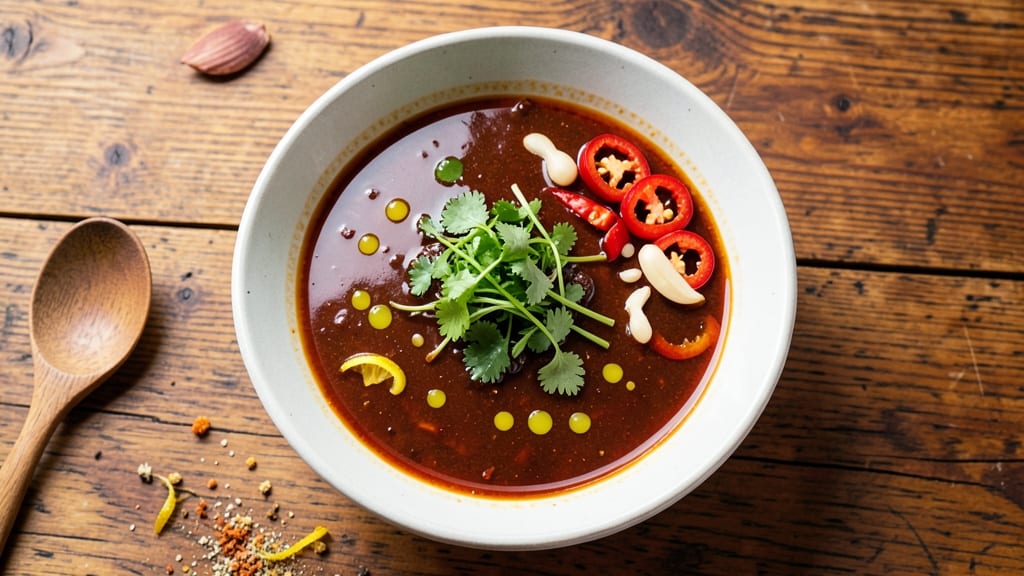
This banh cuon sauce recipe captures the essence of Vietnamese dining with its perfect balance of tangy, sweet, and spicy flavors that elevate every bite of steamed rice rolls. The classic nuoc cham transforms simple ingredients like fish sauce, sugar, and vinegar into a vibrant, addictive dipping sauce that's as essential to banh cuon as the rolls themselves.
The secret lies in the harmony of components: bright lime juice cuts through the richness of the rolls, while fish sauce and sugar create a deep umami-sweet foundation. A touch of chili adds just enough heat to keep the flavors dynamic, ensuring each dip delivers a burst of complexity.
This sauce isn't just a condiment—it's the soul of the meal, turning ordinary rice rolls into a restaurant-worthy experience.
What makes this recipe truly special is its versatility. It works equally well with fresh banh cuon, spring rolls, or even grilled meats, making it a staple for any Vietnamese-inspired feast.
The preparation is straightforward, but the flavor development happens in the final resting—letting the sauce sit for 10 minutes allows the ingredients to meld into something greater than the sum of its parts.
Perfect for serving alongside your homemade banh cuon or as a dipping sauce for takeout, this recipe delivers authentic Vietnamese flavors without requiring specialized ingredients. Once you taste the balance of sweet, sour, and spicy in each dip, you'll understand why this sauce is a must-have for any Vietnamese meal.
Ingredients for banh cuon sauce
Eight simple ingredients transform into nuoc cham's iconic tangy-sweet balance.
| Ingredient | Amount | Notes |
|---|---|---|
| Fish Sauce 🐟 | ½ cup | Red Boat preferred for authenticity |
| White Vinegar 🍶 | ¼ cup | Rice vinegar works too |
| Lime Juice 🍋 | ¼ cup | Freshly squeezed preferred |
| Granulated Sugar 🍚 | ¼ cup | White or brown sugar |
| Water 💧 | ½ cup | Room temperature preferred |
| Fresh Chili Peppers 🌶️ | 2 whole | Bird's eye or Thai chili |
| Garlic Cloves 🧄 | 3 cloves | Peeled and minced |
| Salt 🧂 | 1 tsp | Kosher or sea salt |
| Fresh Cilantro 🌿 | ¼ cup | Chopped, for garnish |
Fish sauce is the heart of this sauce—Red Boat delivers the most authentic umami punch, but any quality brand works. Look for bottles with minimal oxidation (dark glass helps). The lime juice should be freshly squeezed; bottled juice lacks brightness. If you can't find bird's eye chilies, Thai bird's eye or serrano peppers work well, but adjust the quantity based on heat preference. Garlic should be peeled and minced finely for a smooth texture. For the sugar, white granulated is traditional, but brown sugar adds subtle depth if you prefer a caramel note.
No fish sauce? Soy sauce at half the amount gets you close, though the flavor won't be identical. Substitute rice vinegar for white vinegar if you have it—it's milder and more traditional. Fresh lime juice is ideal, but bottled lime juice in a squeeze bottle works in a pinch (just add a pinch of sugar to compensate for sweetness). For heat, red pepper flakes at one-third the amount of fresh chilies will work, though texture will differ. If you're missing cilantro, fresh mint or Thai basil add a lovely contrast. The water should be room temperature to help dissolve the sugar evenly without clumping.
This sauce keeps beautifully—5-7 days in the fridge once mixed, though flavors deepen after resting for 10 minutes. Store it in an airtight container with the lid slightly loose to allow aromas to develop. For longer storage, freeze in ice cube trays—thaw quickly in warm water before using. The sauce thickens slightly when chilled, so stir before serving. Garnish with fresh cilantro right before dipping to keep it vibrant. This sauce is worth making ahead—it tastes even better the next day as flavors meld.
Why You'll Love This Recipe
- Pantry Magic: I swear by this sauce—just five ingredients, no fancy tools. The fish sauce and vinegar balance like magic, while the sugar and lime cut through the richness. Honestly, I keep a jar of it in the fridge because it’s that foolproof.
- Umami Bomb: That first drop of fish sauce into warm water? Instant flavor explosion. The tangy vinegar and bright lime juice make it sing, and the sugar rounds it out—like a Vietnamese wake-up call for your taste buds. (Yes, even on a Tuesday night.)
- Weeknight Hero: This sauce doubles as a quick dipping sauce for spring rolls or a punch for noodles. I’ve used it for lunchboxes, potlucks, and lazy takeout nights. Honestly, it’s my go-to when I don’t want to think too hard.
- Budget Stretch: A little goes a long way—this recipe costs pennies but tastes like a restaurant. The leftovers keep for weeks, and I’ve even used it to jazz up store-bought rice paper rolls. Between us, it’s my secret weapon for stretching meals without sacrificing flavor.
Step-by-step instructions for nuoc cham sauce
Master this essential Vietnamese dipping sauce with precise balance and technique.
Prepare the Chili and Garlic Base
Finely mince the 2 whole fresh chili peppers and 3 cloves garlic cloves using a sharp knife. I prefer a rocking motion for even mincing—this ensures the chili distributes evenly throughout the sauce without clumping. Set aside in a small bowl.
Real talk: if your chili is particularly spicy, you might want to remove the seeds first. The heat should complement, not overpower, the tangy-sweet balance of the sauce. Keep this mixture separate until we're ready to combine it with the other ingredients.
Combine Wet Ingredients
In a medium bowl, whisk together the 0.5 cup fish sauce, 0.25 cup white vinegar, and 0.25 cup lime juice until fully incorporated. This mixture should smell vibrant and tangy—you're building the acidic foundation of the sauce. Add the 0.25 cup granulated sugar and whisk until completely dissolved.
The sugar should dissolve completely within 30 seconds of whisking. If you notice any graininess, add a splash of the 0.5 cup water and whisk again. This step is crucial for achieving that perfect balance of sweet and sour that defines authentic nuoc cham.
Build the Sauce and Adjust Balance
Add the minced chili and garlic to the wet mixture and stir well to combine. Then, gradually add the 0.5 cup water while continuing to stir. Taste the sauce and adjust the balance—this is where your palate comes into play. If it needs more sweetness, add a pinch more sugar. If it's too sharp, add a bit more fish sauce.
I usually find this initial mixture needs about 1 teaspoon more sugar to achieve that signature sweet-tangy harmony. The sauce should coat your spoon with a glossy sheen and have a vibrant reddish color from the chili. Let it sit for 10 minutes to allow the flavors to meld together.
Garnish and Serve
After the 10-minute resting period, stir in the 0.25 cup chopped fresh cilantro. This final garnish adds freshness and visual appeal to the sauce. The cilantro should be finely chopped—large pieces can make the sauce look unbalanced when served.
Transfer the sauce to a serving bowl or small pitcher. Serve immediately alongside banh cuon or any Vietnamese spring rolls. The sauce should be at room temperature, allowing all the flavors to shine together in perfect harmony. Each bite of your spring rolls should be accompanied by this bright, tangy-sweet sauce that cuts through the richness of the rice paper wrappers.
Pro Tips For Making Banh Cuon Sauce
- Balance the Bases First: Taste your fish sauce before adding anything else—some brands are saltier or funkier than others. Adjust with a splash of water or a pinch of sugar right away, or you’ll end up chasing flavor instead of balancing it later.
- Use Warm Vinegar: Cold vinegar hits like a punch; warm it slightly (just dip the bottle in hot water for 30 seconds) so it blends smoother with the sugar and fish sauce. I learned this the hard way—my first batch had a weird, sharp separation that took forever to fix.
- Skip the Boil: Simmer, don’t boil. A rolling boil kills the bright, fresh notes in lime juice and fish sauce, leaving you with flat, cooked-down flavor. Keep it at a gentle bubble—just enough to dissolve the sugar without turning the sauce murky.
- Add Sugar Last: Stir the sugar into the hot liquid after the vinegar and fish sauce have mellowed together. This prevents graininess and lets the sugar caramelize just enough to round out the acidity—no need to wait for it to fully dissolve. (Yes, even if you’re impatient like me.)
Serving suggestions for banh cuon sauce
Dipping Ritual
Vietnamese dining is all about the sauce experience—dip each bite of banh cuon twice for maximum flavor impact. The first dip coats the roll, while the second lets you savor the sauce's complexity.
I like to use a small ceramic dipping bowl (about 4-inch diameter) so guests can easily reach in without spilling. Serve the sauce in a separate bowl from the rolls to maintain its fresh aroma and temperature. 🍶
Garnish Like a Pro
Fresh cilantro isn't just decoration—it's a flavor bridge between the sauce and your dish. Chop it finely (about ¼-inch pieces) and sprinkle it over the sauce right before serving. For extra flair, add thinly sliced Thai basil or mint leaves—both complement the chili's heat beautifully.
I also like to add a few crushed ice cubes (about 2-3 cubes) to keep the sauce cool and refreshing during hot meals.
Pairing with Meals
This sauce isn't just for banh cuon—it elevates spring rolls, grilled pork skewers, or even fresh summer rolls. For a full Vietnamese spread, pair it with nem cua be (crab spring rolls) or bo luc lac (grilled lemongrass pork).
The sauce's tangy-sweet balance cuts through rich, fried foods perfectly. If serving with seafood, add a splash of fish sauce (about 1 tsp extra) to enhance umami notes. 🌿
Temperature Matters
Serve the sauce at room temperature—it develops its best flavor when not chilled. If your kitchen is warm, place the sauce bowl in a larger bowl of ice water for 10 minutes before serving to keep it cool without diluting it.
Never refrigerate the sauce before serving, as cold temperatures mute its vibrant flavors. The ideal serving temperature is about 65-70°F, letting all components shine.
Customizing for Spice
Adjust heat levels based on your preference. For mild heat, remove chili seeds before mincing and use only 1 chili pepper. For extra spice, add ½ tsp of red pepper flakes after the sauce rests.
If you love heat, try Thai bird's eye chilies—they pack serious punch without overpowering the sauce's balance. Always taste as you go; the sauce should make your mouth water, not burn! 🌶️
Make-Ahead Magic
This sauce tastes even better the next day as flavors meld together. Prepare it 24 hours ahead and store in an airtight glass container in the fridge. Stir well before serving to redistribute the cilantro and chili. For parties, divide the sauce into small jars (like 4-ounce mason jars) so guests can grab individual servings. The sauce keeps for up to 5 days this way, making it perfect for meal prep.
Nutrition facts
Frequently asked questions
Can I make this sauce without fish sauce?
Yes, but the flavor will differ slightly. Replace the 0.5 cup fish sauce with 0.25 cup soy sauce plus 1 tablespoon extra sugar to compensate for the missing umami depth. For a more authentic taste, try vegetarian fish sauce alternatives available in Asian markets. The sauce will still taste good but won't have that signature Vietnamese complexity.
How do I adjust the sauce for less spice?
For milder heat, remove the seeds from the chilies before mincing or reduce to 1 chili pepper instead of 2. If you've already made the sauce and it's too spicy, stir in 1 teaspoon more sugar or add 1 tablespoon lime juice to balance the heat. The sugar helps mellow the spice while keeping the sauce's signature tangy-sweet profile.
What's the best way to store leftover sauce?
Store in an airtight glass container in the fridge for up to 5 days. The flavors actually improve overnight as the ingredients meld together. For longer storage, freeze in ice cube trays—thaw quickly in warm water before serving. Always stir well before using, as the cilantro will settle to the bottom. The sauce thickens slightly when chilled, so add a splash of water if needed.
Can I use bottled lime juice instead of fresh?
Bottled lime juice works in a pinch, but fresh is ideal for maximum brightness. If using bottled, add ½ teaspoon extra sugar to compensate for the reduced acidity. For best results, use a high-quality bottled lime juice (like ReaLime) that's been freshly squeezed. The fresh juice's vibrant flavor is worth the extra effort for authentic taste.
What other dishes pair well with this sauce?
This versatile sauce works beautifully with Vietnamese spring rolls, grilled pork skewers, or even fresh summer rolls. It's also perfect for dipping nem cua be (crab spring rolls) or bo luc lac (grilled lemongrass pork). The tangy-sweet balance cuts through fried foods exceptionally well. For seafood lovers, try it with grilled shrimp or squid—the sauce's acidity enhances the natural sweetness of the seafood.