
Sauces & Condiments
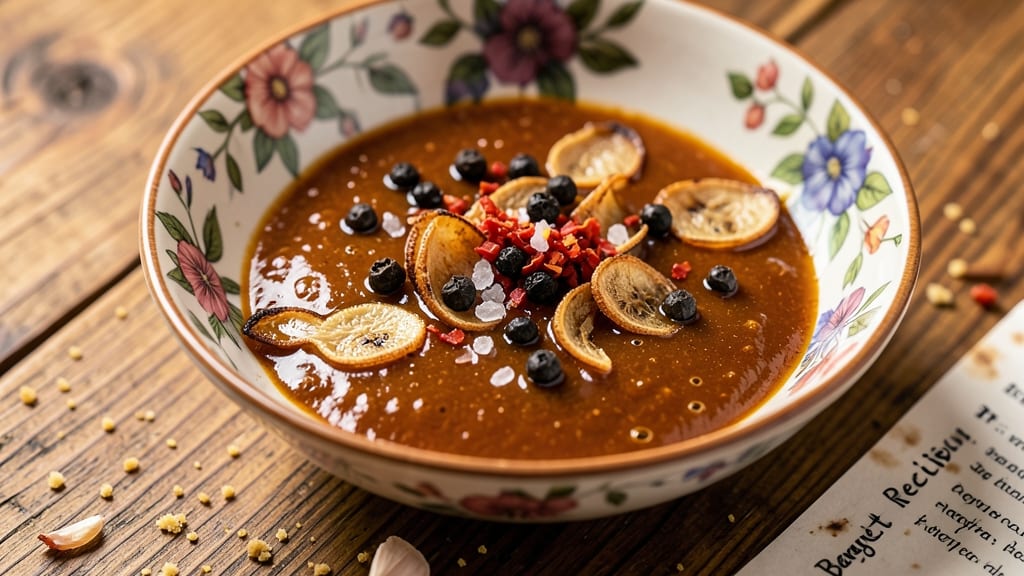
This bagnet sauce recipe delivers the perfect balance of smoky, sweet, and tangy flavors that elevate pulled pork to new heights. 🔥 The secret lies in the harmonious blend of vinegar, garlic, and a touch of heat—creating a sauce that’s both traditional and adaptable to modern tastes.
What makes this sauce truly special is its ability to transform simple ingredients into a complex, restaurant-quality glaze that clings to every bite of tender pork.
The foundation of this sauce starts with a base of apple cider vinegar and soy sauce, which build the tangy and umami backbone. Adding garlic, pepper, and a hint of sweetness from brown sugar creates a depth of flavor that’s both bold and balanced.
The sauce is designed to be versatile, working as a glaze for bagnet, a dip for spring rolls, or even a marinade for grilled meats. Its simplicity makes it foolproof, while its depth ensures it stands out.
By the time you drizzle this sauce over your pulled pork, you’ll experience a symphony of flavors—smoky from the vinegar, sweet from the sugar, and a subtle kick from the pepper.
The sauce is best made fresh, but it keeps well in the refrigerator for up to a week, allowing you to enjoy its rich taste whenever you crave it. Whether you’re serving it at a family gathering or a casual dinner, this sauce will be the star of the show.
For those looking to experiment, you can adjust the sweetness or heat to suit your preference, but the core ingredients remain the key to authenticity. Pair it with steamed rice or crispy spring rolls for a meal that’s both comforting and exciting. Let’s get started on creating this perfect glaze!
Ingredients for bagnet sauce
Nine simple ingredients transform into this restaurant-worthy bagnet sauce—smoky, sweet, and packed with flavor.
| Ingredient | Amount | Notes |
|---|---|---|
| Apple Cider Vinegar 🍏 | ½ cup | Raw and unfiltered preferred |
| Soy Sauce 🍜 | ½ cup | Light or dark variety |
| Brown Sugar 🍚 | ¼ cup | Packed firmly for sweetness |
| Garlic Cloves 🧄 | 6 cloves | Minced finely for depth |
| Black Peppercorns 🌶️ | 1 tsp | Freshly cracked for heat |
| Red Pepper Flakes 🔥 | 1 tsp | Adjust for desired heat |
| Ground Cinnamon 🌿 | ½ tsp | For subtle warmth |
| Extra-Virgin Olive Oil 🫒 | 2 tbsp | High quality for richness |
| Honey 🍯 | 1 tbsp | Wildflower preferred |
| Salt 🧂 | 1 ½ tsp | Kosher or sea salt |
The apple cider vinegar is your secret weapon here—Bragg or Mott's are my go-tos, but any raw and unfiltered will do. Look for bottles that say 'unpasteurized' on the label for that authentic tang. Soy sauce? Kikkoman is reliable, but Lee Kum Kee adds a deeper umami punch. The brown sugar should be packed firmly—Domino or Muscovado work beautifully. Fresh garlic cloves are non-negotiable; pre-minced garlic loses its punch fast. If you're feeling fancy, toast the peppercorns in a dry pan for 30 seconds before grinding—worth the extra minute for that extra depth of flavor.
No apple cider vinegar? White vinegar or balsamic vinegar works in a pinch, but you'll lose some of that signature smokiness. Soy sauce shortage? Coconut aminos is the closest substitute, though it's slightly sweeter. Running low on honey? Maple syrup at a 1:1 ratio keeps things balanced. The olive oil matters—California Olive Ranch or Bertolli are my pantry staples. Want more heat? Double the red pepper flakes. Need less sweetness? Reduce the brown sugar to 2 tablespoons. This sauce is your playground—adjust to your taste, but keep the core ingredients intact for that authentic bagnet flavor.
This sauce gets better with time—let it sit for at least 30 minutes before using so the flavors meld. Store it in an airtight jar in the fridge for up to 1 week. The flavors actually deepen overnight, so it's perfect for making ahead. Freeze in ice cube trays for single-use portions—thaw overnight in the fridge. Once you've drizzled this over your pulled pork, you'll be hooked. Trust me, the leftovers taste even better the next day.
Why You'll Love This Recipe
- Five-Ingredient Magic: I swear by this—just vinegar, soy, sugar, garlic, and peppercorns. No fancy gadgets, no stress. The sauce simmers down to a glossy, tangy-sweet perfection while you handle the rest of dinner.
- Garlic-Sugar Bomb: That caramelized brown sugar and crushed peppercorns? It’s like a little flavor explosion. The vinegar cuts through the richness, but the garlic lingers—deep, warm, and impossible to resist. Honestly, I’ve drizzled it on eggs, fries, even grilled chicken.
- Weeknight Workhorse: Make a double batch on Sunday, and you’ve got sauce for tacos, stir-fries, or dipping fries all week. It keeps for ages in the fridge, and the taste only gets better as the flavors meld. (Yes, even on a Tuesday night.)
- Budget Game-Changer: Soy sauce and vinegar are pantry staples, and brown sugar stretches a long way. This sauce costs pennies per serving but tastes like you slaved over it. My daughter picks out the garlic cloves, but still asks for seconds—proof it works.
Step-by-step instructions for smoky sweet glaze perfection
This bagnet sauce delivers that perfect balance of sweet, smoky, and tangy flavors—let's make it together!
🍳 Step 1: Bloom the Spices in Olive Oil
Heat the 2 tablespoons extra-virgin olive oil in a medium saucepan over medium-low heat. Add the 6 cloves minced garlic, 1 teaspoon freshly cracked black peppercorns, and 1 teaspoon red pepper flakes. Cook for 2-3 minutes until the garlic turns golden and fragrant—don't let it brown or it'll turn bitter.
Here's the thing—this step builds the sauce's depth. The spices should sizzle gently, releasing their aromatic oils. If you smell garlic burning, immediately reduce the heat. Once fragrant, add the 0.5 teaspoon ground cinnamon and stir for 30 seconds to warm through. This subtle spice blend gives the sauce its signature warmth without overpowering the sweetness.
🥘 Step 2: Combine Wet Ingredients for the Base
Pour in the 0.5 cup apple cider vinegar and 0.5 cup soy sauce, scraping up any browned bits from the bottom of the pan. These bits are pure flavor—don't miss them! Bring the mixture to a gentle simmer over medium heat for 5 minutes, allowing the vinegar to cook off slightly and the flavors to meld.
Watch for bubbles forming around the edges—that's your signal the liquid is heating properly. If it reduces too quickly, you can add 1-2 tablespoons water to keep it moving. This step creates the tangy foundation that balances the sweetness later. I like to taste it now—it should be sharp and savory, with a hint of garlic heat.
🔥 Step 3: Sweeten and Simmer to Thickness
Add the 0.25 cup packed brown sugar and 1 tablespoon honey, stirring until completely dissolved. Increase heat to medium-high and let the sauce bubble vigorously for 8-10 minutes, stirring occasionally. You're looking for it to thicken enough to coat the back of a spoon—this is where the magic happens.
Real talk: This is the moment that matters. The sugar should caramelize slightly, giving the sauce its signature glossy sheen. If it starts to stick, add 1 tablespoon water to loosen it. The sauce should reduce by about half—when it coats a spoon and leaves a slight trail, it's ready. Taste and adjust seasoning with the 1.5 teaspoons salt if needed.
⏰ Step 4: Strain and Rest for Maximum Flavor
Remove the sauce from heat and strain through a fine-mesh sieve into a bowl, pressing on the solids to extract every bit of flavor. Discard the solids—we want a smooth, velvety sauce. Let it cool at room temperature for 10 minutes before using. This resting period allows the flavors to fully develop and the sauce to thicken slightly more.
Here's why this works: The spices and garlic steep in the warm sauce, infusing it with maximum depth. If you use it immediately, the flavors might still be separating. For pulled pork, this sauce is best when applied hot—just reheat gently over low heat, stirring occasionally, until warmed through. The result? A sticky, smoky-sweet glaze that clings perfectly to tender pork.
Pro Tips For Making Bagnet Sauce
- CRUSH THE GARLIC: After burning three batches, I finally figured out—smash those cloves with the flat side of your knife first. This releases more flavor without the bitterness, and you won’t waste time peeling them afterward. (Yes, even if you’re impatient like me.)
- SIMMER LOW AND SLOW: I used to rush this sauce, thinking a quick boil would deepen the flavor. Wrong. Keep it at a gentle simmer—just small bubbles breaking the surface—so the vinegar and sugar meld instead of turning harsh. Fifteen minutes at this pace changes everything.
- STRAIN THE PEPPERCORNS: Whole peppercorns add texture, but they’re a pain to fish out later. Toss them in a fine-mesh strainer after simmering, then press the sauce through with a spoon. No more crunchy surprises in your sauce, and it stays smooth for dipping or drizzling.
- USE RAW SOY SAUCE: Cooked soy sauce loses depth, and that’s the last thing you want in bagnet sauce. Grab a bottle of raw (or light) soy sauce—it’s cheaper, stronger, and won’t overpower the apple cider’s tang. Start with half the recipe calls for, then adjust to taste.
Common mistakes when making great bagnet sauce
Overcooking the Vinegar
Don’t let that apple cider vinegar boil vigorously—it’ll turn harsh and lose its delicate smokiness. Keep the heat at medium-low during the simmering phase. I’ve seen people walk away for just a minute, and suddenly their sauce tastes like vinegar punch.
The goal is a gentle simmer, not a rolling boil. 🔥
Skipping the Resting Time
Rushing to use the sauce right after cooking? Big mistake. Let it rest for at least 10 minutes—this lets the flavors meld and the sauce thicken naturally.
I once drizzled it over bagnet immediately, and it was still separating. Patience here makes all the difference for that perfect glossy finish.
Using Low-Quality Vinegar
Not all vinegars are created equal. Avoid white vinegar—it lacks the depth of apple cider. I recommend Bragg or Mott’s raw and unfiltered varieties. The pasteurized kind just won’t give you that authentic tang. Trust me, your taste buds will notice the difference.
Ignoring the Browned Bits
Those little browned bits stuck to the pan? Don’t scrape them out—they’re packed with flavor! Use a wooden spoon to scrape them up when adding the vinegar and soy sauce. I’ve seen people miss this step, and the sauce ends up tasting flat. Those bits are the secret to depth.
Over-Salting the Sauce
Taste as you go! The soy sauce already adds saltiness, so resist the urge to add extra 1.5 tsp salt unless needed. I’ve ruined a batch by doubling the salt—now the sauce is overwhelming. Start with the recipe’s amount and adjust only if necessary.
Using Pre-Minced Garlic
Freshly minced garlic is non-negotiable here. Pre-minced garlic loses its punch and can make your sauce taste dull. Take the extra 2 minutes to mince it yourself—your sauce will thank you. The aromatic oils in fresh garlic are what give this sauce its soul. 🧄
Nutrition facts
Frequently asked questions
Can I make this sauce without vinegar?
While vinegar is essential for that signature tang, you can substitute with 1/4 cup lemon juice plus 1/4 cup water for a brighter flavor. However, you'll lose some of the smoky depth. For authenticity, stick with apple cider vinegar—it's the heart of this sauce.
How long does homemade bagnet sauce keep?
Store it in an airtight container in the fridge for up to 1 week. The flavors actually improve overnight! For longer storage, freeze in ice cube trays for single-use portions—thaw overnight in the fridge. Never refreeze after thawing.
Can I use this sauce for dishes other than bagnet?
This versatile sauce works beautifully as a glaze for grilled chicken, a dipping sauce for spring rolls, or even a marinade for tofu. The sweet-spicy balance makes it perfect for Asian-inspired dishes beyond just pork.
Why did my sauce turn out too sweet?
This happens when the vinegar doesn't cook off enough. Next time, simmer the wet ingredients for 7-8 minutes before adding sugar to concentrate the tang. Also try reducing the brown sugar to 2 tablespoons if you prefer less sweetness.
What's the best way to reheat leftover sauce?
Gently warm in a small saucepan over low heat for 3-5 minutes, stirring constantly. Never microwave—it can make the sauce grainy. For best results, reheat only what you need to maintain that perfect consistency.