
Sauces & Condiments
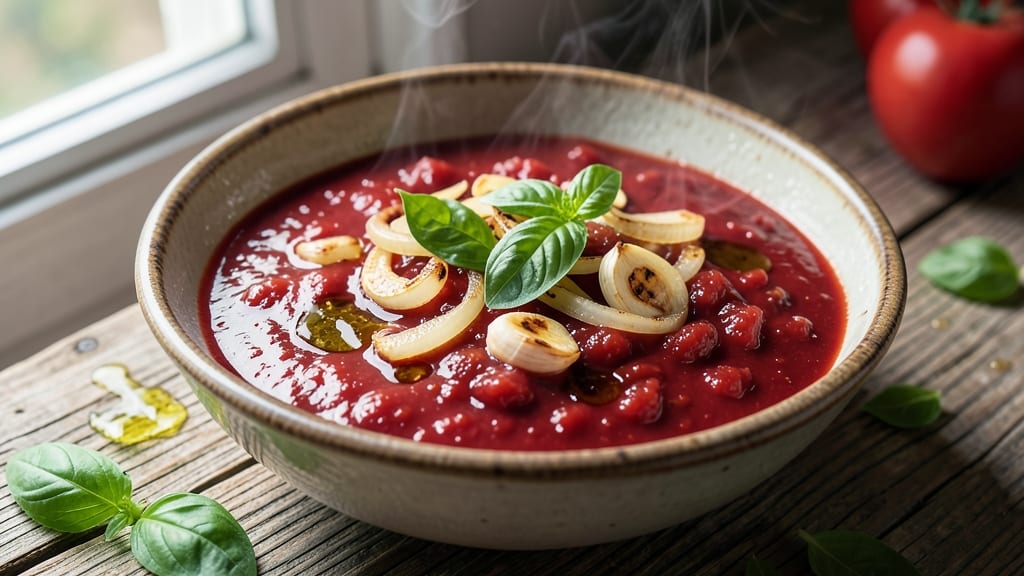
This award-winning marinara sauce recipe transforms simple ingredients into a rich, slow-simmered sauce with layers of umami and bright herb notes. The secret lies in caramelizing onions and garlic before adding crushed tomatoes, creating depth that store-bought versions can't match.
Every spoonful delivers that perfect balance of acidity, sweetness, and savory complexity that makes it restaurant-quality at home.
What sets this sauce apart is the 30-minute slow simmer that develops flavors without reducing too much liquid, ensuring a velvety texture with just enough body to cling to pasta or crusts.
Fresh basil and a touch of red wine vinegar add brightness, while a sprinkle of Parmesan at the end elevates it to gourmet status. The process is straightforward but requires patience—no shortcuts here for true depth of flavor.
Perfect for drizzling over spaghetti, topping homemade pizza, or serving as a dipping sauce for crusty bread, this marinara keeps beautifully in the fridge for up to a week or freezes for months without losing its vibrant taste.
The rich, aromatic profile makes it ideal for any Italian-inspired dish where you want that authentic, professional touch.
Whether you're a home cook looking to impress or a sauce enthusiast seeking the perfect balance, this recipe delivers the umami bomb of flavors that earned its award-winning reputation. Let's get started on creating your signature sauce.
Ingredients for award winning marinara sauce
Eleven ingredients, one umami-packed sauce that'll make jarred versions cry.
| Ingredient | Amount | Notes |
|---|---|---|
| Extra-Virgin Olive Oil 🫒 | ½ cup | High-quality, fruity variety preferred |
| Yellow Onion 🧅 | 1 whole | Medium-sized, thinly sliced |
| Garlic Cloves 🧄 | 6 cloves | Peeled, thinly sliced |
| San Marzano Crushed Tomatoes 🍅 | 28 oz | High-quality canned tomatoes |
| Red Wine Vinegar 🍷 | 1 tbsp | For brightness and acidity |
| Fresh Basil Leaves 🌿 | ½ cup | Packed, finely chopped |
| Dried Oregano 🍃 | 1 tsp | Mexican oregano preferred |
| Granulated Garlic 🧄 | ½ tsp | For extra depth |
| Diamond Crystal Kosher Salt 🧂 | 1 ½ tsp | Adjust to taste |
| Freshly Ground Black Pepper 🌶️ | ½ tsp | Freshly cracked |
| Parmesan Cheese 🧀 | ¼ cup | Freshly grated, for finishing |
The San Marzano tomatoes are non-negotiable here—they're the secret weapon behind that award-winning depth. Grab a can from Whole Foods or Trader Joe's; their crushed variety is perfect. If you can't find them, Mueller or Cento brands are solid backups. For the olive oil, California avocado oil or Italian extra-virgin adds that fruity richness. The onions and garlic? Slow-cooked until golden—this is where the magic happens. I always double-check my garlic for sprouts; no one wants a bitter bite ruining the sauce.
No fresh basil? Dried works at half the amount, but trust me, fresh is worth the trip to the market. The red wine vinegar can be swapped for white wine vinegar or lemon juice if you're out, but the acidity level changes slightly. For that umami bomb mentioned in the intro, consider adding a dash of fish sauce or soy sauce if you're feeling experimental. The Parmesan at the end? Skip it for a vegan version—just omit it entirely. And if you're worried about the sauce being too acidic, add a pinch of sugar to balance it out.
This sauce tastes even better the next day as flavors meld, so make a double batch if you're planning to use it over multiple meals. Store in an airtight container in the fridge for up to 7 days, or freeze for up to 3 months in portion-sized containers. I like to freeze it in ice cube trays for easy single-use portions—just pop one into your pasta water when you're ready to cook. The Parmesan? Keep it in a resealable bag in the freezer to preserve its freshness.
Why You'll Love This Recipe
- Here’s what sold me: a single can of San Marzanos and a bottle of vinegar stretch to so many meals. I’ve fed six people for under $10 with this sauce—pasta, pizza, even stuffed peppers. And the olive oil? Just a splash. That’s the kind of math my wallet loves.
- No-Chop Nightmare: I swear by this sauce because it’s the only one where I don’t have to dice onions like a madman—just one whole thing, sliced thick, and it softens into sweet oblivion. The garlic? Minced in 30 seconds with a knife while I sip my wine and pretend I’m not procrastinating dinner.
- Wine Vinegar Twist: Honestly, the red wine vinegar is what makes this sauce dangerously good—it cuts through the sweetness of the San Marzanos and adds this bright, tangy punch. It’s the kind of flavor that makes you pause mid-bite, like, “Wait, is this from a jar?” Nope. It’s homemade, and it’s better.
- Pasta Party Starter: Between us, this sauce is my secret weapon for game days, potlucks, or when my college-aged nephew “forgets” to bring food. It freezes like a dream, so I make a double batch—one for tonight’s spaghetti, one for next month’s lazy Sunday. No one ever turns down a jar of this in their freezer.
Step-by-step instructions for award-winning marinara sauce
This sauce transforms simple ingredients into a velvety, umami-rich masterpiece with layers of flavor.
Sauté Aromatics in Olive Oil Until Translucent
Heat the 0.5 cup extra-virgin olive oil in a heavy-bottomed pot over medium-low heat. Add the 1 whole yellow onion, sliced into thin half-moons, and cook for 8-10 minutes until completely translucent and just beginning to soften. This slow cook time ensures the onions melt into the sauce without becoming sweet or caramelized.
Here's the thing—don't rush this step. You'll see the onions release their moisture and collapse slightly as they cook down. This is where the sauce builds its aromatic foundation. Once they're translucent, push them to one side of the pot and add the 6 cloves garlic cloves, sliced thinly. Cook for 1-2 minutes until fragrant but not browned—garlic burns quickly, and you want flavor, not bitterness.
Build Flavor with Tomatoes and Vinegar
Pour in the 28 oz San Marzano crushed tomatoes and stir to combine with the onions and garlic. The acidity from the tomatoes will help break down the onions further, deepening their flavor. Add the 1 tbsp red wine vinegar and bring the mixture to a gentle simmer over medium heat. This vinegar brightens the sauce and cuts through the richness of the tomatoes.
Let it simmer uncovered for 15 minutes, stirring occasionally. You'll notice the sauce thicken slightly as the tomatoes release their juices and the liquid reduces. This is where the magic happens—the tomatoes develop a deeper, more complex flavor as they cook down. Real talk: resist the urge to stir constantly. Letting it simmer undisturbed prevents the sauce from breaking and keeps the texture smooth.
Season and Simmer for Umami Depth
Add the 1.5 tsp diamond crystal kosher salt, 0.5 tsp freshly ground black pepper, 1 tsp dried oregano, and 0.5 tsp granulated garlic. Stir well to distribute the seasonings evenly. Here's where it gets fun—reduce the heat to low and let the sauce simmer gently for 30-40 minutes. This slow cook time allows the flavors to meld and develop that rich, umami-packed depth that makes this sauce award-worthy.
I press the back of a wooden spoon against the side of the pot every few minutes to check the consistency. You're looking for a sauce that coats the spoon but isn't gluey. If it thickens too much, add a splash of water or pasta water to loosen it. The sauce should be velvety, not pasty. This is the moment that matters: patience pays off with a sauce that's far more complex than store-bought.
Finish with Fresh Basil and Parmesan
Remove the pot from heat and stir in the 0.5 cup fresh basil leaves, finely chopped. The basil adds a vibrant, fresh finish that cuts through the richness of the tomatoes. Let the basil infuse for 5 minutes off the heat—this ensures its bright flavor permeates the sauce without wilting completely.
Finally, stir in the 0.25 cup freshly grated parmesan cheese. This isn't just for flavor—it adds a luxurious creaminess and balances the acidity. Taste and adjust the seasoning with more salt or pepper if needed. The sauce should be vibrant, balanced, and bursting with layers of flavor. Serve warm over pasta, with crusty bread, or as a dipping sauce for your favorite Italian dishes.
Pro Tips For Making Award Winning Marinara Sauce
- Sweat the Onion: Cut the onion into ½-inch chunks—smaller than you’d think—and cook them in the olive oil over medium-low heat until they’re translucent but not browned. I used to rush this, and the sauce would always taste raw; patience here means deeper flavor later.
- Crush Garlic Lightly: Smash the garlic cloves with the flat side of your knife before adding them—just enough to bruise, not mince. This releases flavor without turning bitter, and it melts into the sauce instead of sitting as chunks. (Yes, even if you’re impatient like me.)
- Simmer, Don’t Boil: Once the tomatoes are in, reduce heat to the lowest setting that keeps a gentle bubble—no rolling boil. I learned this the hard way after scorching three batches; low and slow is how you get that silky, restaurant-quality texture.
- Vinegar Last: Add the red wine vinegar only at the very end, just before tasting. It brightens the sauce without overpowering, and skipping this step is why so many homemade marinaras taste flat. (Your future self will notice.)
Wine and beer pairings for this recipe
Italian White Wines
For this award-winning marinara, I always reach for a crisp Vermentino from Sardinia—its bright citrus notes and mineral finish cut through the sauce's richness beautifully. A glass of Pinot Grigio from Alto Adige also works wonders, with its delicate apple and pear flavors complementing the tomato's acidity.
Avoid heavy whites like Chardonnay, which would overpower the sauce's delicate herb notes. 🍷
Light Red Options
A Chianti Classico or Valpolicella brings an earthy, fruity contrast that enhances the sauce's umami depth. Look for a Sangiovese-based red with moderate tannins—something like Castello di Volpaia—that won't clash with the basil's freshness. Serve slightly chilled to let the wine's acidity mirror the sauce's brightness.
Beer Pairings
For beer lovers, a Peroni or Moretti Italian lager cleanses the palate between bites of pasta. The crisp, slightly bitter finish balances the sauce's richness without competing. Craft beer fans should try a Belgian witbier like Hoegaarden—its coriander and citrus notes create a delightful contrast.
Avoid heavy stouts or IPAs that would overpower the dish.
Non-Alcoholic Choices
For a refreshing non-alcoholic option, serve San Pellegrino Aranciata—the blood orange flavor pairs surprisingly well with the basil's brightness. A sparkling mineral water with a squeeze of lemon also works beautifully, especially on hot days. The effervescence helps reset your palate between bites of rich, flavorful pasta. ✨
Wine Service Tips
Let your wine breathe for 10-15 minutes before serving to open up its aromas. For reds, decant for 30 minutes if possible—this softens tannins and enhances fruit notes.
I always serve white wines slightly chilled (45-50°F) and reds at 60-65°F to highlight their natural acidity and balance the sauce's depth. Use stemless glasses for casual meals or elegant Riedel Vinum glasses for special occasions.
Nutrition facts
Frequently asked questions
Why does this marinara taste better after sitting overnight?
The flavors deepen as the acidity from the tomatoes and vinegar mellows, while the herbs infuse more thoroughly. The slow simmer creates a more cohesive texture, and the Parmesan melts slightly into the sauce, creating that restaurant-quality richness.
Can I make this sauce without fresh basil?
Yes! Use ½ teaspoon dried basil instead, but add it with the other herbs at the beginning rather than at the end. For extra depth, a pinch of red pepper flakes can mimic basil's brightness. The flavor won't be identical, but it'll still be delicious.
How do I adjust the thickness for different uses?
For pasta, keep it at medium consistency (should coat the back of a spoon). For pizza, reduce it longer until it's syrupy but not dry. To thin, add pasta water or water—never milk or cream. For dipping, reduce it until it's glossy but still pourable.
What's the secret to preventing a bitter taste?
Never let the garlic brown—it should be fragrant but pale. Also, avoid over-simmering the tomatoes (stick to 45 minutes total). If you taste bitterness, balance it with a splash of lemon juice or extra red wine vinegar. The slow cook time and proper acidity levels are key to preventing that harsh flavor.
Can I make this sauce in a slow cooker?
Sauté the onions and garlic first, then transfer everything to the slow cooker on low for 6-8 hours. The texture will be slightly thinner, so reduce it on the stove afterward if needed. The slow cooker method actually enhances the umami even more through extended cooking time.