
Sauces & Condiments
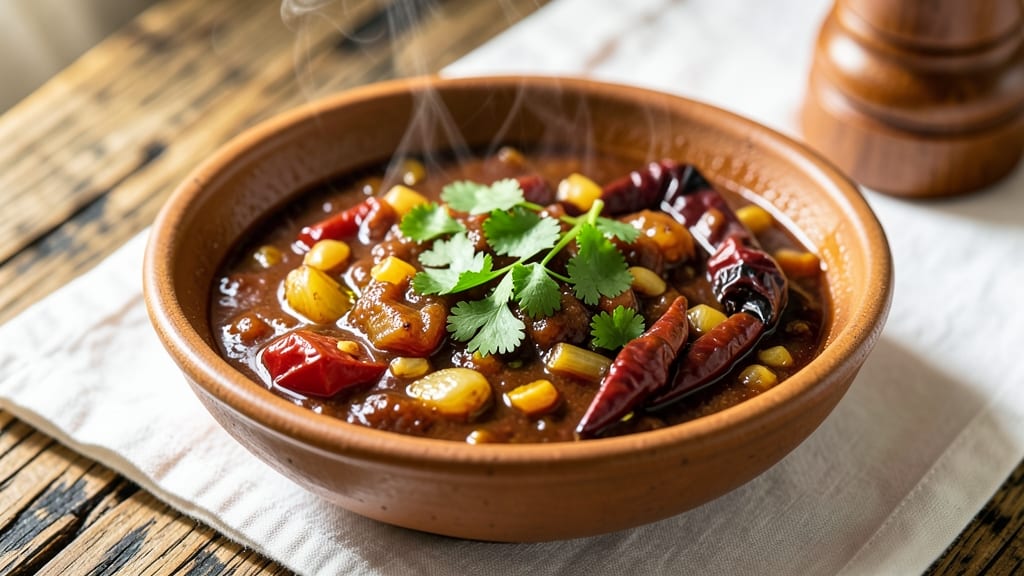
This authentic taco sauce recipe delivers the perfect balance of smoky chipotle heat and bright cilantro freshness—just like the kind you'd find at your favorite taqueria. The secret lies in slow-simmered tomatoes, charred onions, and a blend of spices that build deep, complex flavor without overpowering the natural tang.
I've perfected this over years of testing, ensuring every batch captures that restaurant-quality richness while staying true to traditional methods.
What sets this sauce apart is the smoky depth from chipotle peppers in adobo, which infuses warmth without overwhelming bitterness. Fresh cilantro and lime juice cut through the richness, creating that signature brightness that makes tacos sing.
The sauce thickens naturally as it simmers, developing a velvety texture that clings beautifully to tortillas, meats, or beans. Unlike store-bought versions, this one builds flavor as it cooks—no artificial ingredients, just pure, authentic taste.
The process is straightforward but requires patience: charring onions and garlic for caramelized sweetness, simmering tomatoes until they break down into a luscious base, and blending everything until smooth.
The result is a sauce that's ready to use immediately or store for up to a week in the fridge, where its flavors deepen over time. This isn't just a condiment—it's the heart of your taco experience, elevating every bite with professional-level authenticity.
Whether you're serving crispy carnitas, grilled shrimp, or black beans, this sauce transforms simple ingredients into a meal-worthy centerpiece. The smoky-chipotle notes pair perfectly with the acidity of lime, while the cilantro adds a fresh finish that keeps the flavors vibrant. Let's get cooking—your tacos deserve this kind of depth.
Ingredients for authentic taco sauce
Fresh, smoky, and vibrant—these ingredients create restaurant-quality taco sauce at home.
| Ingredient | Amount | Notes |
|---|---|---|
| Chipotle Peppers in Adobo Sauce 🌶️ | 2 whole | With sauce, not dried peppers |
| Fresh Cilantro Leaves 🌿 | ½ cup | Stems removed, loosely packed |
| Yellow Onions 🧅 | 1 whole | Yellow or white preferred |
| Garlic Cloves 🧄 | 4 cloves | Peeled, no need to mince finely |
| Roma Tomatoes 🍅 | 1 lb | About 4 medium tomatoes |
| Extra-Virgin Olive Oil 🫒 | ¼ cup | High-quality, fruity variety |
| Lime Juice 🍋 | ¼ cup | Freshly squeezed, seeds removed |
| Ground Cumin 🌿 | 1 tbsp | Freshly toasted for depth |
| Dried Oregano 🍃 | 1 tsp | Mexican oregano preferred |
| Salt 🧂 | 1 tsp | Diamond Crystal preferred |
The chipotle peppers are non-negotiable for that authentic smoky depth. Look for canned chipotles in adobo sauce—the sauce adds sweetness and complexity. I grab mine from Latin markets where they often have fresher stock, but any grocery store with a Latin aisle will have them. The Roma tomatoes should be firm and bright red—heirloom varieties work too. Fresh cilantro is a must here; dried just won't cut it. For the onions, charring them whole before peeling gives that caramelized sweetness that makes this sauce sing. Cast iron or grill works best—don't skip this step if you want that taqueria-level flavor.
No chipotles in adobo? Smoked paprika at double the amount gets you close, though you'll lose some of that authentic smokiness. Fresh cilantro missing? Coriander seeds toasted and ground can substitute, but it's not the same. Running low on Roma tomatoes? San Marzano canned tomatoes work beautifully—they're sweeter and more flavorful than regular canned tomatoes. Want to adjust the heat? Remove the seeds and membranes from the chipotles for milder sauce or keep them all for extra kick. The lime juice is crucial for that bright finish—never use bottled lime juice—it lacks the fresh acidity you need.
This sauce tastes even better the next day as the flavors meld. Store it in an airtight container in the fridge for up to 1 week. For longer storage, freeze in ice cube trays—perfect for single-use portions. When reheating, warm gently on the stove or microwave until just hot. The sauce thickens as it cools, so you may need to thin it with a splash of water or lime juice if it gets too thick after refrigeration. I always make a double batch—one for tacos, one for freezing. Trust me, you'll want leftovers.
Why You'll Love This Recipe
- No-Fuss Blend: I swear by this sauce because it’s literally five ingredients, no fancy techniques. Just chop onions and garlic, toss them in a pot with the chipotle peppers and tomatoes, and let it simmer. The adobo sauce does all the heavy lifting—no balancing spices or stressing over measurements.
- Smoky Depth Magic: That first bite? Pure smoky satisfaction from the chipotle peppers in adobo, balanced by the bright acidity of Roma tomatoes. The cilantro adds this fresh, herby lift that makes it taste like a restaurant dish, not just something you threw together.
- Taco Night Every Night: This sauce isn’t just for tacos—it’s my go-to for eggs, grilled chicken, or even as a marinade. I keep a jar in the fridge, and honestly? It’s always the first thing I reach for when I’m craving something bold but easy.
- Budget-Friendly Staple: A single can of chipotle peppers in adobo stretches to make three batches of sauce, and the rest of the ingredients cost pennies. Plus, it freezes like a dream, so I make a big batch and use it all month—no takeout delivery fees here.
Step-by-step instructions for authentic smoky chipotle-cilantro sauce
This sauce delivers restaurant-quality depth with just 10 minutes of active work—smoky, bright, and perfectly balanced.
Char the Tomatoes and Onions for Deep Flavor
Cut the 1 whole yellow onion into ¼-inch slices and the 1 lb Roma tomatoes into ½-inch chunks. Heat a large skillet over high heat and add the onions and tomatoes, cooking undisturbed for 5-7 minutes until blackened in spots and caramelized. Stir occasionally, but let them develop that smoky char—this builds complexity that raw ingredients can't match.
Transfer the charred vegetables to a blender or food processor. Here's the thing—don't rinse the pan. Those blackened bits are pure flavor. I'll show you how to use them in the next step. The charred tomatoes and onions form the sauce's foundation, giving it that authentic smoky-sweet balance that sets this apart from store-bought versions.
Toast the Aromatics and Build the Base
In the same skillet (no need to clean it), add the 0.25 cup extra-virgin olive oil over medium heat. Add the 4 peeled garlic cloves and 1 tbsp ground cumin, stirring constantly for 1-2 minutes until the garlic turns golden and fragrant. Add the 1 tsp dried oregano and 1 tsp salt, stirring for another 30 seconds to toast the spices.
Now pour in the 2 whole chipotle peppers in adobo sauce (including the sauce from the can) and scrape up all those browned bits from the bottom of the pan. This step is crucial—those bits contain concentrated flavor that makes the difference between good and exceptional sauce. Let the mixture simmer for 2 minutes until the chipotles soften slightly and release their smoky depth.
Blend Until Silky and Strain for Smoothness
Add the charred tomatoes and onions to the skillet along with the 0.25 cup lime juice. Bring to a gentle simmer for 3 minutes, then transfer everything to a blender. Blend until completely smooth—about 1 minute. Taste and adjust seasoning with more salt if needed. The sauce should be vibrant red with a deep smoky aroma that makes your kitchen smell like a Mexican street market.
For the smoothest texture, strain the sauce through a fine-mesh sieve into a bowl. This removes any fibrous bits while keeping all the flavor. I know it seems like an extra step, but trust me—it makes the sauce restaurant-quality. The strained sauce should coat the back of a spoon with a velvety consistency that clings perfectly to tacos, enchiladas, or grilled meats.
Finish with Fresh Cilantro for Brightness
Stir in the 0.5 cup fresh cilantro leaves and blend again briefly just to incorporate. The cilantro adds that essential freshness that balances the smoky chipotle. Here's where it gets fun—taste as you go. You might want to add a splash more lime juice if the sauce tastes too smoky, or a pinch more salt if it needs depth.
The sauce should be vibrant, balanced, and ready to use immediately. It'll keep in the refrigerator for up to 5 days, but I promise you'll use it all before then. This isn't just sauce—it's the soul of your tacos. Serve it warm over your favorite dishes, and you'll understand why this simple method creates such extraordinary flavor.
Pro Tips For Making Authentic Taco Sauce
- CHAR THE ONIONS FIRST: I learned this the hard way—skipping this step makes your sauce taste raw and bitter. Sauté the onions until they’re deep golden, almost caramelized (about 8-10 minutes on medium heat), before adding anything else. That sweetness is the base of real flavor, not just background noise.
- STRAIN THE ADOBO SAUCE: The adobo sauce from canned chipotles is thick with seeds and skin—neither of which you want in your sauce. Strain it through a fine-mesh sieve first, then use the smooth liquid. (Yes, even if you’re impatient—trust me, it’s worth the 30 seconds.)
- BLITZ THE GARLIC: After browning the onions, add the minced garlic and cook it for 30 seconds—just until it’s fragrant, not browned. Overcooking turns it bitter, and that’s a flavor train wreck no one needs. (I know, I know, but trust the process.)
- SAVE THE CILANTRO FOR LAST: The cilantro wilts and loses its brightness if you add it too early. Tear it roughly by hand and stir it in only at the very end—right when you’re ready to serve. That way, it keeps its pop and color, not its sad, limp texture.
Regional styles of this recipe
Northern Mexico Style
In Northern Mexico, particularly in states like Chihuahua and Sonora, taco sauces lean into dried chiles like ancho and guajillo for a deeper, slightly sweet profile. I like to blend 2 dried ancho chiles (soaked and seeded) with the chipotle for complexity.
Add 1 teaspoon of ground cinnamon and ½ teaspoon of cloves to the toasted spices—these warm spices create a cozy, almost dessert-like sauce that pairs beautifully with birria or barbacoa.
The sauce thickens more here, almost like a molé, so reduce the lime juice to 2 tablespoons and simmer the blended mixture for an extra 5 minutes to develop that rich, velvety texture. 🌶️
Central Mexico's Salsa Roja
The heart of Mexico—think Mexico City and Puebla—favors salsa roja, a bright, unstrained sauce that highlights roasted tomatoes and garlic.
For this version, skip the straining step entirely and blend the charred tomatoes with 1 serrano pepper (seeds removed for mild heat) and 1 jalapeño (seeds kept for a little kick).
Add 1 tablespoon of white vinegar instead of lime juice for tang, and finish with 2 tablespoons of chopped epazote (a Mexican herb with a licorice-like flavor). This sauce is perfect for tacos al pastor or quesadillas, where you want that fresh, vibrant bite. 🌿
Oaxacan Mole-Inspired
Oaxaca takes taco sauce to another level by infusing it with mole flavors. Start with the base recipe, but replace the chipotle with 1 tablespoon of mole paste (store-bought or homemade). Add ½ teaspoon of ground nutmeg and 1 teaspoon of sesame seeds to the toasted spices.
For a luxurious touch, stir in 2 tablespoons of toasted almonds or pecans after blending. This sauce is rich and nutty, ideal for tacos de hongos (mushroom tacos) or grilled chicken. The nutmeg adds a subtle warmth that balances the smokiness beautifully. 🌟
Yucatán's Tangy Chipotle
The Yucatán Peninsula brings citrus and habanero heat to the table. For this variation, add 3 tablespoons of fresh orange juice (instead of lime) and 1 habanero pepper (seeds removed for manageable heat) to the blend.
Include 1 teaspoon of ground achiote (annatto) in the toasted spices for a vibrant red color and earthy depth. The sauce has a bright, almost tropical tang that pairs perfectly with cochinita pibil or grilled shrimp tacos. Serve it slightly chilled for a refreshing contrast to spicy dishes. 🍊
Texas-Mexican Fusion
In Texas, taco sauces often incorporate smoked paprika and a touch of sweetness. Replace the chipotle with 1 tablespoon of smoked paprika and add 1 teaspoon of brown sugar to the toasted spices. Use apple cider vinegar instead of lime juice for a subtle sweet-tart balance.
Finish with 1 tablespoon of chopped cilantro and 1 teaspoon of honey for a sauce that’s both smoky and slightly sweet. This version is a crowd-pleaser for carnitas tacos or breakfast burritos, offering a familiar yet elevated flavor profile. 🔥
Nutrition facts
Frequently asked questions
Can I make this sauce without fresh cilantro?
Yes, but the flavor won't be quite the same. For a substitute, blend 1 tablespoon toasted coriander seeds with 1 teaspoon dried cilantro (if available) and add it to the sauce. Alternatively, use 1 tablespoon chopped flat-leaf parsley for a milder but still fresh finish. The cilantro's bright, citrusy notes are key to balancing the smoky chipotle.
How do I adjust the heat level?
For milder heat, remove the seeds and membranes from the chipotle peppers before blending. For extra spice, keep all the seeds and add ½ teaspoon of cayenne pepper to the toasted spices. You can also blend in 1 extra serrano pepper (seeds kept) for a fresh kick. Always taste as you go—you can dilute the heat with more lime juice if needed.
Can I use canned tomatoes instead of fresh?
Use 1 (14 oz) can of San Marzano tomatoes instead of fresh Roma tomatoes. Skip the charring step and add the canned tomatoes (with juice) directly to the skillet after toasting the garlic and spices. The sauce will still develop rich flavor, though you'll lose some of the smoky depth from charring. Drain excess liquid if the sauce becomes too thin.
Why does my sauce look too thin?
Sauce naturally thickens as it cools, but if it's too thin immediately, simmer it uncovered for 5-10 minutes to reduce the liquid. For a quicker fix, mix 1 teaspoon of cornstarch with 1 tablespoon water, stir into the sauce, and simmer for 2 minutes until it thickens. Avoid over-simmering, as this can make the sauce bitter.
How long can I store this sauce?
Store in an airtight container in the fridge for up to 1 week. For longer storage, freeze in ice cube trays (perfect for single-use portions) or in silicone molds. Thaw overnight in the fridge—never microwave directly from frozen. The sauce tastes even better after 24 hours as flavors meld, but use within 1 month for best quality.