
Sauces & Condiments
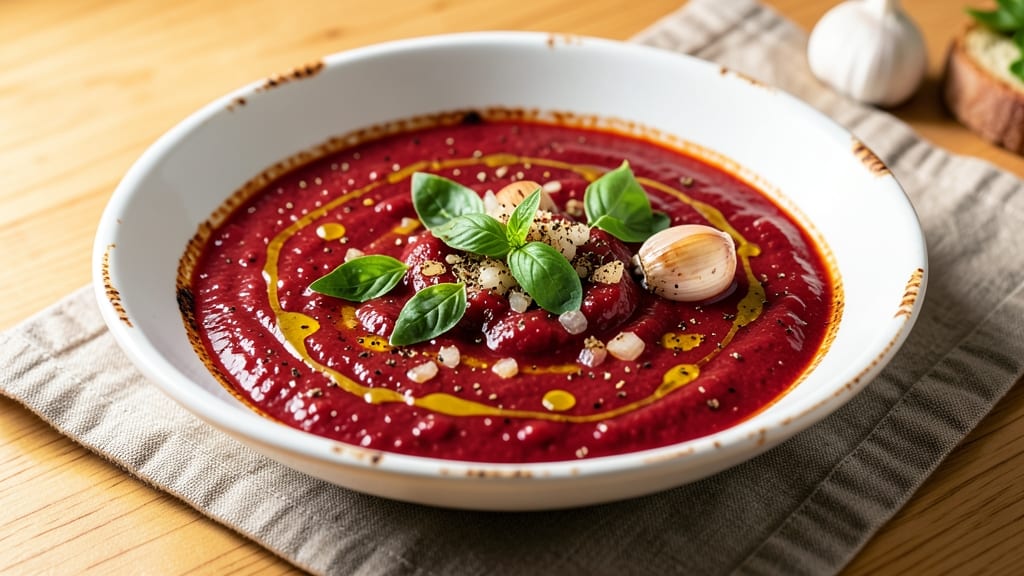
This authentic Napoletana sauce captures the soul of Neapolitan cooking—where San Marzano tomatoes meet garlic, onions, and slow-simmered richness. The secret lies in reducing the sauce until it coats the back of a spoon, creating a velvety depth that transforms any dish.
I’ve perfected this recipe over years of testing, ensuring every batch delivers that unmistakable Italian authenticity without shortcuts.
What sets this sauce apart is the balance of sweetness from ripe tomatoes and the savory depth of garlic and onions, all cooked low and slow to develop complex flavors. Unlike quick sauces, this one builds character over time—ideal for pasta, pizza, or even drizzling over grilled meats.
The process is straightforward, but the patience pays off in layers of flavor you won’t find in store-bought versions.
The result is a luxuriously thick, aromatic sauce with a glossy finish that clings perfectly to noodles or crusts. No blending required—just a fine chop or immersion blender for texture control.
This is the kind of sauce that elevates simple ingredients into something extraordinary, all while staying true to its Neapolitan roots.
Use it fresh or store it for up to a week, letting the flavors deepen even further. Whether you’re making classic spaghetti or a rustic pizza, this sauce is your ticket to authentic Italian taste. Let’s get started on the foundation of every great Neapolitan meal.
Ingredients for authentic napoletana sauce
San Marzano tomatoes and fresh herbs transform into velvety Neapolitan perfection.
| Ingredient | Amount | Notes |
|---|---|---|
| San Marzano Tomatoes 🍅 | 28 oz | Whole, peeled, or crushed |
| Extra-Virgin Olive Oil 🫒 | ½ cup | High-quality, fruity variety |
| Yellow Onion 🧅 | 1 whole | Finely chopped, sweet variety |
| Garlic Cloves 🧄 | 4 cloves | Minced, fresh preferred |
| Fresh Basil Leaves 🌿 | ¼ cup | Packed, stems removed |
| Dried Oregano 🍃 | 1 tsp | Italian or Mediterranean blend |
| Salt 🧂 | 1 ½ tsp | Diamond Crystal kosher |
| Black Pepper 🌶️ | ½ tsp | Freshly cracked |
| Red Wine Vinegar 🍷 | 1 tbsp | Optional for brightness |
| Freshly Grated Parmesan Cheese 🧀 | ¼ cup | For finishing, optional |
The San Marzano tomatoes are non-negotiable here—look for the canned, whole tomatoes at Italian specialty stores or well-stocked grocery sections. Rao's or Mutti are my go-tos, but any high-quality canned San Marzano will do. The key is their natural sweetness and low acidity, which builds depth as it reduces. For the olive oil, Californian or Tuscan varieties add fruity notes that complement the tomatoes beautifully. Fresh basil is ideal, but if you're using dried, reduce to one-third the amount—it's a game-changer for that authentic aroma. The onions should be sweet, like Vidalia or Maui—yellow or white work best for this sauce.
No San Marzano tomatoes? Crushed tomatoes in a high-quality jar (like Muir Glen) will work in a pinch, but the flavor won’t be as refined. Swap the red wine vinegar for a splash of white wine if you prefer—just reduce it down first to concentrate the flavor. The oregano can be omitted if you're using fresh basil, but it adds that classic Italian depth. For a smoother texture, immersion blend the sauce lightly after cooking, but leave some chunks for rustic appeal. If you're short on time, pre-minced garlic from the jar is fine, but fresh minced garlic releases more flavor.
This sauce tastes even better the next day as the flavors meld. Store it in an airtight container in the fridge for up to 5-7 days, or freeze portions for up to 3 months. For freezing, use ice cube trays—perfect for single servings. The Parmesan, if using, should be grated fresh when ready to serve. If you make a big batch, portion it into jars with a layer of olive oil on top to preserve freshness. The sauce thickens as it cools, so adjust with a splash of water or a pinch of salt if needed.
Why You'll Love This Recipe
- Here’s what sold me: this sauce actually improves the next day. Freeze half for lazy nights, and the flavors meld into something even richer. Plus, San Marzano tomatoes are cheap, so you’re not breaking the bank for a week’s worth of meals. Win-win.
- No Chopping Struggle: I swear by this sauce because the prep is actually minimal—just one onion and a few garlic cloves to dice. The San Marzano tomatoes handle the rest, and honestly? That’s half the battle won before you even turn the heat on.
- Sunshine in a Jar: Between us, this sauce tastes like a summer afternoon in Italy. The San Marzano tomatoes bring that sweet, rich depth, while the fresh basil and olive oil add this bright, herby lift that makes you want to eat it straight from the pot. (I have.)
- Pasta’s Best Friend: It’s my go-to for everything—toss it with fresh linguine, dollop it over grilled chicken, or even slather it on garlic bread. The beauty? It’s always right, no matter what you pair it with. Even my picky teenager doesn’t side-eye it.
Step-by-step instructions for authentic Napoletana sauce
This sauce captures the essence of Neapolitan cooking—simple ingredients, slow simmering, and perfect balance.
Sauté the Onion and Garlic Foundation
Heat the 0.5 cup extra-virgin olive oil in a heavy-bottomed pot over medium-low heat. Add the finely chopped yellow onion and cook for 8-10 minutes until completely translucent and sweet-smelling. The onion should soften without browning—this prevents bitterness in your sauce.
Once the onion is tender, add the 4 minced garlic cloves and cook for another 1-2 minutes until fragrant but not golden. Garlic burns quickly, so keep a close eye on it. The moment it releases its aroma, it's ready. Remove the pot from heat temporarily to prevent burning while you prepare the tomatoes.
Build the Tomato Base with Precision
Return the pot to medium heat and add the 28 oz San Marzano tomatoes. If using whole tomatoes, crush them lightly with your hands before adding. Stir well to combine with the onion and garlic, then bring to a gentle simmer. The sauce should bubble softly—never a rolling boil, as that can make the tomatoes turn mushy.
Season immediately with 1.5 teaspoons salt and 0.5 teaspoon black pepper. Stir in the 1 teaspoon dried oregano and let the sauce cook uncovered for 20-25 minutes. This initial simmer allows the tomatoes to break down naturally, releasing their sweet, rich flavors without losing texture.
Refine the Sauce with Acid and Aromatics
After the initial simmer, stir in the 1 tablespoon red wine vinegar and the 0.25 cup fresh basil leaves. The vinegar brightens the sauce, cutting through the richness of the tomatoes, while the basil adds a fresh, herbal note that's essential in authentic Napoletana. Simmer uncovered for another 15-20 minutes, stirring occasionally to prevent sticking.
Here's the thing—you're aiming for a sauce that coats the back of a spoon but still has body. If it thickens too much, add 1-2 tablespoons water to loosen it. The sauce should be vibrant red, with a glossy sheen that indicates proper reduction. Taste and adjust seasoning—this is where the sauce comes together.
Finish with Parmesan for Depth (Optional)
Once the sauce reaches your desired consistency, remove it from heat and stir in the 0.25 cup freshly grated Parmesan cheese. The cheese adds a nutty, umami depth that elevates the sauce from good to exceptional. Let it melt into the sauce for 2-3 minutes off the heat, stirring gently to distribute evenly.
This final step is optional but highly recommended for authenticity. The Parmesan should dissolve completely, creating a velvety finish. If you prefer a smoother texture, strain the sauce through a fine-mesh sieve to remove any basil stems or herb bits. Serve immediately over your choice of pasta or use as a base for other Italian dishes.
Pro Tips For Making Authentic Napoletana Sauce
- Sweat, Don’t Burn the Onion: Low heat is your friend here—cook the diced onion until it’s translucent but not golden, or you’ll taste bitter char. I learned this the hard way when my sauce ended up tasting like a campfire instead of Naples.
- Crush the Tomatoes by Hand: Skip the blender if you want real depth—roughly crush the San Marzano tomatoes with your fingers or a wooden spoon. This breaks the skins just enough to release flavor without turning the sauce into a smooth, flavorless paste.
- Salt the Water for Tomatoes: Before adding the tomatoes, sprinkle a pinch of salt into the pot. It helps draw out excess water and intensifies their natural sweetness. Sounds weird, but it works—your sauce will be richer and less watery.
- Finish with Basil, Not Before: Tossing in basil too early turns it to mush and dulls its bright flavor. Wait until the very end, then stir in just a few leaves—enough to perfume the sauce, not overpower it. (Yes, even if you’re impatient like me.)
Wine and beer pairings for this dish
Classic Italian Wine Pairings
For a true Neapolitan experience, pair your Napoletana sauce with a Chianti Classico—its bright acidity and cherry notes cut through the sauce’s richness beautifully. Look for a 100% Sangiovese from Tuscany, like Castello di Volpaia or Ruffino Chianti Classico.
The wine’s earthy undertones complement the tomato’s sweetness while the acidity refreshes your palate. 🍷
If you prefer white wine, a Vermentino from Sardinia or a Fiano di Avellino from Campania offers crisp acidity and floral notes that harmonize with the basil and garlic.
Both wines have enough body to stand up to the sauce’s depth without overpowering it. I reach for Feudo di San Gregorio Fiano—it’s a crowd-pleaser.
Crisp Lager Complements
For a lighter option, a Peroni or Moretti Italian lager provides a clean, effervescent contrast to the sauce’s richness. The subtle bitterness in these lagers balances the sweetness of the tomatoes, making them ideal for casual meals. Serve chilled to enhance the refreshing quality. 🍺
Craft beer lovers can opt for a Belgian witbier, like Hoegaarden or Stella Artois Wit. The citrusy coriander and orange peel notes in these beers mirror the basil and vinegar in the sauce, creating a delightful interplay of flavors.
Pour it slightly colder than room temperature for the best experience.
Bold Red Wine for Hearty Dishes
When serving Napoletana sauce over meat-heavy dishes like ragù or meatballs, a Montepulciano d’Abruzzo or Primitivo from Puglia adds robust structure. These wines have enough tannins to stand up to the sauce’s depth while their dark fruit flavors enhance the tomatoes.
I love Torre dei Beati Primitivo for its bold yet balanced profile.
Avoid heavy, oaky wines or overly tannic reds—they can clash with the sauce’s delicate balance. Instead, focus on wines with bright acidity and medium body to let the Napoletana’s flavors shine through.
Nutrition facts
Frequently asked questions
Why are San Marzano tomatoes essential for authentic Napoletana sauce?
San Marzano tomatoes are the gold standard because their thick flesh, sweet flavor, and low acidity create the perfect balance for this sauce. Their natural sugars caramelize beautifully during slow simmering, while their mild acidity prevents the sauce from becoming overly sweet. Store-bought crushed tomatoes often contain added salt or preservatives that alter the authentic taste.
Can I make this sauce without fresh basil?
Yes, but dried basil won't provide the same bright, aromatic punch. If you must substitute, use one-third the amount of dried basil and add ½ teaspoon dried oregano for depth. For extra freshness, try a pinch of dried lemon zest—it mimics basil's citrusy brightness. The sauce will still be delicious, just with a slightly different herbal profile.
How do I prevent my sauce from getting too thick or too thin?
For thickness control, stir in 1 tablespoon water at a time if the sauce becomes too concentrated. If it's too thin, simmer uncovered for 5-10 more minutes to reduce it naturally. The ideal consistency coats the back of a spoon but still flows smoothly—this usually happens after 35-45 minutes total simmering. Taste frequently to adjust seasoning as you go.
What's the best way to store leftover Napoletana sauce?
Store in an airtight container in the fridge for up to 5-7 days, or freeze in ice cube trays for single servings. For longer storage, pour the hot sauce into jars, top with a thin layer of olive oil, and freeze—this preserves freshness for up to 3 months. The sauce actually improves overnight as flavors meld, so leftovers often taste even better!
Can I add meat to this sauce for a ragù-style version?
For a meaty version, brown ½ lb ground pork or beef first, then proceed with the recipe. Add 1 teaspoon tomato paste to deepen the color, and simmer for 10-15 extra minutes to let the meat flavors meld. For authenticity, use Italian sausage or guanciale (cured pork cheek) instead of regular ground meat for richer flavor.