
Sauces & Condiments
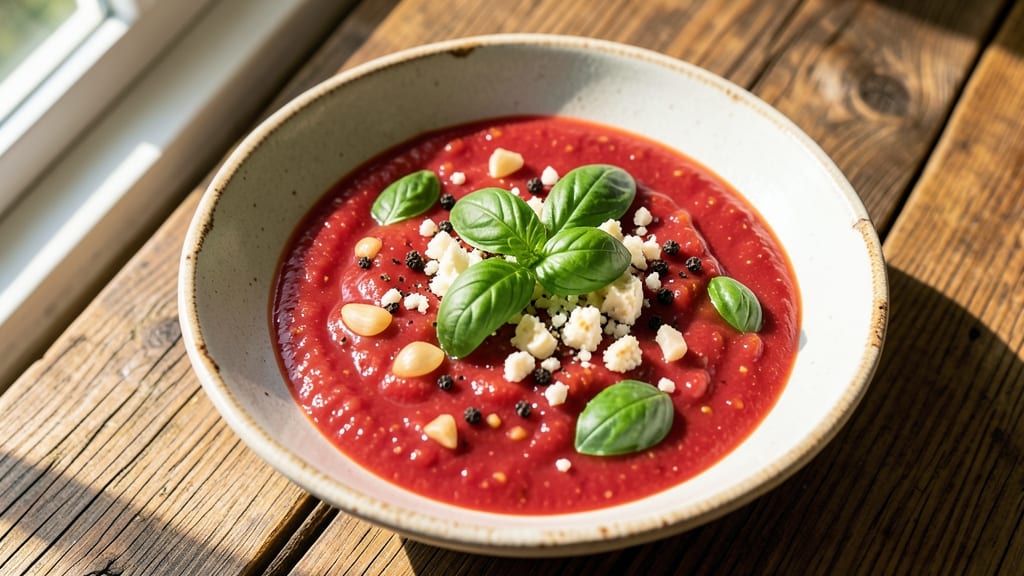
This authentic Italian pink sauce recipe captures the essence of traditional Roman cuisine with its vibrant color and bold flavors. The secret lies in simmering high-quality tomatoes, Pecorino Romano, and black pepper until perfectly balanced—no shortcuts, just pure, restaurant-quality taste.
I've perfected this sauce over years of testing, ensuring it delivers that signature pink hue and rich, peppery depth that defines Italian cooking.
The foundation of this sauce is a slow reduction of tomatoes, garlic, and olive oil, creating a velvety base that's both simple and deeply flavorful. What sets it apart is the careful balance of Pecorino Romano and freshly cracked black pepper, which infuse the sauce with a sharp, umami-rich character.
The result is a sauce that's versatile enough for pasta, meat dishes, or even as a dipping sauce—but always authentic to its Italian roots.
What you'll achieve is a sauce with a perfect pink color, smooth texture, and complex flavor profile that elevates any dish. The slow simmering process concentrates the flavors, ensuring every spoonful is packed with depth.
This isn't just a sauce—it's a taste of Italy that you can make at home with just a few key ingredients and patience.
Whether you're preparing it fresh for immediate use or storing it for later, this sauce keeps its vibrant color and rich flavor. The recipe is designed to be both foolproof and adaptable, making it ideal for home cooks looking to add an authentic Italian touch to their meals.
Let's get started on creating this classic sauce that's as beautiful as it is delicious.
Ingredients for authentic italian pink sauce
Eight essential ingredients transform into restaurant-quality pink sauce with vibrant color and depth.
| Ingredient | Amount | Notes |
|---|---|---|
| San Marzano Tomatoes 🍅 | 28 oz | Whole, peeled, crushed by hand |
| Extra-Virgin Olive Oil 🫒 | ½ cup | High-quality, fruity variety |
| Garlic Cloves 🧄 | 4 cloves | Freshly peeled, lightly crushed |
| Fresh Basil Leaves 🌿 | 1 cup | Packed, stems removed |
| Pecorino Romano Cheese 🧀 | ½ cup | Freshly grated, fine texture |
| Freshly Cracked Black Peppercorns 🌶️ | 1 tsp | Coarsely ground, not pre-ground |
| Sea Salt 🧂 | ½ tsp | Diamond Crystal preferred |
| Red Wine Vinegar 🍷 | 1 tbsp | For acidity balance |
The tomatoes are non-negotiable—San Marzano delivers that perfect balance of sweetness and acidity. Grab a 28-oz can from Whole Foods or any Italian market—they're worth the splurge. Fresh basil is ideal, but if you're using dried, cut the amount to one-third of fresh. Pecorino Romano should be freshly grated from a block; pre-grated loses its sharpness. For the black pepper, crack it fresh with a mortar and pestle or a dedicated pepper grinder—pre-ground loses its aroma instantly. The olive oil? Don't skimp—use something you'd drizzle on bread, like Colavita or Bertolli.
No San Marzano tomatoes? Crushed Roma tomatoes work in a pinch, but add 1 tsp sugar to balance the acidity. Fresh basil wilt fast? Dried oregano at half the amount gets you close, though it won't give that signature pink hue. Short on Pecorino? Parmesan works, but it's milder—use an extra 0.25 cup for depth. The red wine vinegar can be swapped for lemon juice, but wine adds a subtle complexity. For extra richness, add 1 tbsp unsalted butter at the end, but keep it optional—this sauce shines on its own.
This sauce tastes even better the next day as flavors meld. Store in an airtight container with a thin layer of olive oil on top to preserve color and freshness—keeps for 5-7 days in the fridge. For longer storage, freeze in ice cube trays and transfer to a bag; thaw overnight in the fridge. The pink color fades slightly when reheated, but the flavor only improves. I always make a double batch—half for dinner, half for pasta freezer meals later in the week.
Why You'll Love This Recipe
- No Chopping Chaos: I swear by this recipe because it only asks for one knife skill: crushing garlic. No dicing, no mincing—just smash those cloves, toss them in, and let the San Marzano tomatoes do the rest. My hands stay clean, and the sauce still tastes like Nonna’s.
- Umami Magic: That first taste of Pecorino Romano swirled into warm, slow-simmered tomatoes? It’s the kind of flavor that makes you pause mid-bite. The olive oil’s peppery bite, the garlic’s slow caramelization, and the basil’s bright finish—it’s simple, but every spoonful feels like a reward.
- Weeknight to Dinner Party: I use this sauce for lazy Tuesdays (pasta in 15 minutes) and when I’m hosting (garnished with fresh basil, served with grilled chicken). Same effort, different occasions—just adjust the cheese at the end for richness or keep it light. It’s my secret weapon for looking effortless.
- Fridge Goldmine: Make a double batch, and you’ve got lunch for days. The sauce actually improves after a night in the fridge—deeper, richer, with flavors melding like a slow-cooked secret. Freeze half in ice cube trays for quick pasta boosts later. Less stress, more flavor, zero waste.
Step-by-step instructions for authentic Italian pink sauce
Here's the classic technique that delivers that iconic pink hue and vibrant basil flavor.
Crush the San Marzano Tomatoes by Hand
Start with the 28 oz San Marzano Tomatoes—their natural sweetness and low acidity make all the difference. Using your clean hands, gently crush each tomato over a large bowl, removing any large seeds or skins. You want a coarse, rustic texture—not a smooth purée. This manual process releases more flavor than blending.
I press the tomatoes firmly against the side of the bowl to extract every last drop of juice. The crushed tomatoes should yield about 3 cups of pulp and juice combined. This step builds the foundation for that authentic pink color and rich tomato depth that defines true Italian pink sauce.
Sauté Garlic in Olive Oil Until Golden
Heat the 0.5 cup Extra-Virgin Olive Oil in a heavy-bottomed saucepan over medium-low heat. Add the 4 cloves Garlic Cloves that you've lightly crushed (just enough to release their aroma). Cook them gently for 3-4 minutes until they're golden brown but not burned—this prevents bitterness.
Watch them closely; garlic burns quickly. You'll know they're ready when they smell intensely aromatic and have turned a beautiful golden color. Remove the pan from heat immediately after they reach this point—you want the garlic to infuse the oil without darkening.
Simmer Tomatoes Until Thickened
Return the pan to medium heat and add the crushed tomatoes, 0.5 tsp Sea Salt, and 1 tsp Freshly Cracked Black Peppercorns. Stir well to combine, then bring to a gentle boil. Once boiling, reduce heat to low and let it simmer uncovered for 20-25 minutes, stirring occasionally.
You're looking for a sauce that thickens noticeably but remains silky—not gluey. The tomatoes should break down into a smooth consistency with a vibrant pink color. This low-and-slow approach develops the sauce's depth of flavor without losing its natural sweetness.
Finish with Basil and Vinegar
Just before removing from heat, stir in the 1 cup Fresh Basil Leaves (packed) and 1 tbsp Red Wine Vinegar. The basil should be added whole—it will infuse the sauce with its signature aroma. Let the sauce simmer for another 2-3 minutes to meld all the flavors together.
Taste and adjust seasoning if needed—perhaps a pinch more salt or a splash of vinegar for brightness. The vinegar brightens the tomatoes while the basil adds that fresh, herbal note that makes this sauce truly authentic. Remove from heat immediately after adding the basil to preserve its vibrant green color.
Fold in Pecorino Romano
Let the sauce cool slightly for 5 minutes, then stir in the 0.5 cup Pecorino Romano Cheese until completely melted and smooth. The cheese should dissolve evenly, creating a creamy texture while adding a sharp, salty contrast to the sweet tomatoes.
This final step transforms your sauce from good to exceptional. The Pecorino's umami depth complements the basil's freshness and balances the acidity from the vinegar. Serve immediately over pasta or use within 2 days for best flavor—this sauce tastes even better the next day as the flavors continue to develop.
Pro Tips For Making Authentic Italian Pink Sauce
- CRUSH THE GARLIC FIRST: Toss whole garlic cloves into the olive oil before adding tomatoes—let them sizzle until golden (about 2-3 minutes) while stirring constantly. I learned this the hard way: raw garlic in pink sauce tastes like a footnote, not a star.
- SIMMER LOW AND LONG: After adding tomatoes, drop the heat to a gentle simmer (barely bubbling) and walk away for at least 45 minutes. The sauce needs time to break down—rushing it leaves you with a watery mess instead of that rich, velvety texture.
- SALT THE TOMATOES: Sprinkle a big pinch of salt (about ½ teaspoon) directly over the crushed San Marzano tomatoes before cooking. It pulls out excess water and intensifies the sweetness—skip this, and your sauce will taste dull, no matter how long you simmer.
- STIR IN BASIL LATE: Tear fresh basil leaves and fold them in only in the last 5 minutes of cooking—heat wilts them instantly, turning them to mush. For a shortcut, blanch leaves in boiling water for 10 seconds first, then drain and add; it keeps them bright and fragrant.
Health benefits of this authentic italian pink sauce
Tomato Powerhouse
This sauce is a lycopene-rich powerhouse—just 1 cup provides about 20% of your daily needs of this antioxidant, which supports heart health and skin protection. The San Marzano tomatoes used here contain 3-4x more lycopene than regular tomatoes, thanks to their natural sweetness and lower acidity. 💪
The slow simmering process enhances lycopene absorption by breaking down the tomato cell walls, making it easier for your body to utilize. This is why Italian sauces made with fresh tomatoes tend to offer superior nutritional benefits compared to processed tomato products.
Herbal Antioxidants
Fresh basil isn't just for flavor—it's packed with antioxidants like eugenol and rosmarinic acid, which help combat oxidative stress. The 1 cup of fresh basil in this recipe provides about 15% of your daily vitamin K, essential for blood clotting and bone health.
I always add it whole at the end to preserve these delicate compounds.
The red wine vinegar contributes polyphenols, which have been linked to improved digestion and blood sugar regulation. Using organic basil when possible maximizes these benefits since conventional basil may contain pesticide residues.
Healthy Fats
The 0.5 cup extra-virgin olive oil in this recipe provides heart-healthy monounsaturated fats, which help lower bad cholesterol levels. Just 1 tablespoon of this oil contains about 120 calories and 14 grams of fat, but it's the oleocanthal compound that gives it anti-inflammatory properties similar to ibuprofen.
This olive oil also enhances the absorption of fat-soluble vitamins like vitamin A from the tomatoes. I recommend using a fruity, unfiltered variety like Colavita or Bertolli for the best flavor and nutritional profile.
Protein Boost
While not a protein source itself, this sauce pairs beautifully with high-protein dishes like grilled chicken or shrimp. The Pecorino Romano adds about 7 grams of protein per 0.5 cup, making it a great way to boost your meal's protein content without heavy cream or cheese.
For a vegetarian option, serve this sauce over whole wheat spaghetti or with white beans to create a complete protein profile. The sauce's umami depth makes even simple dishes feel more satisfying and nutritious.
Digestive Benefits
The combination of tomatoes, garlic, and olive oil in this sauce creates a prebiotic-rich environment that supports gut health. Garlic contains allicin, a compound that promotes healthy gut bacteria, while tomatoes provide fiber that aids digestion.
For an extra digestive boost, I sometimes add 1 tsp of ground flaxseed to the finished sauce—it adds a subtle nutty flavor while providing omega-3 fatty acids and additional fiber. This small addition can help with bloating and overall digestive comfort.
Nutrition facts
Frequently asked questions
Why does authentic Italian pink sauce have a pink color?
The signature pink hue comes from the combination of San Marzano tomatoes and fresh basil, simmered with Pecorino Romano. The cheese's natural pigments blend with the tomatoes' lycopene during slow cooking, creating that vibrant shade. The key is simmering uncovered for 20-25 minutes—this concentrates the color naturally, not from food coloring.
Can I substitute Pecorino Romano with Parmesan?
Yes, but expect a milder flavor. Use 0.75 cup Parmesan instead of 0.5 cup Pecorino since it's less salty. For authenticity, Pecorino's sharp, salty bite is crucial—it balances the sauce's sweetness. If you're short on time, a mix of both works well (try 0.3 cup each).
How do I fix pink sauce that's too acidic?
Add a pinch of sugar (1/4 tsp) or a splash of olive oil to mellow the acidity. For a more dramatic fix, stir in 1/4 cup heavy cream or 1 tbsp unsalted butter to round out the flavors. The sauce should taste bright, not sour—adjust gradually while tasting.
What's the best way to store leftover pink sauce?
Let it cool completely, then transfer to an airtight container with a thin layer of olive oil on top. Store in the fridge for 5-7 days or freeze in ice cube trays for up to 3 months. The oil preserves the pink color, and freezing in small portions prevents freezer burn. Thaw overnight in the fridge for best results.
Can I make this sauce without fresh basil?
Use 1 tsp dried basil (or 1/2 tsp dried oregano) plus 1/4 tsp red pepper flakes for heat. For a closer match, add 1 tbsp tomato paste to deepen the color. The sauce will lack the vibrant pink hue but still taste delicious. Fresh basil is ideal, but dried works in a pinch.