
Sauces & Condiments
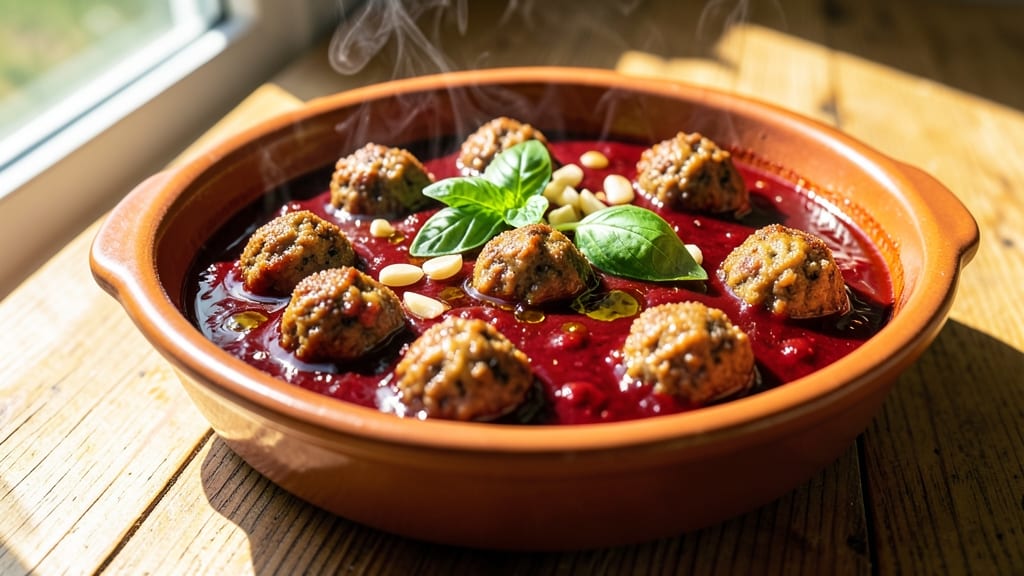
This authentic Italian meatball sauce recipe delivers the rich, herbed depth that makes Sunday dinners unforgettable. The secret lies in slow-simmered San Marzano tomatoes, garlic, and fresh basil that develop complex flavors over time—no shortcuts, just tradition.
What sets this apart is the balance of acidity and sweetness, achieved through careful cooking techniques that Italian nonnas swear by.
Professional results come from simple ingredients: high-quality canned tomatoes, aromatic herbs, and a touch of red wine for depth. The sauce builds flavor gradually as it simmers, allowing the natural sweetness of the tomatoes to shine while the herbs infuse their essence.
This isn't just a sauce—it's the foundation of Italian comfort food, elevated through patience and attention to detail.
By the time you're done, you'll have a velvety, aromatic sauce with just the right balance of tang and sweetness—perfect for pairing with homemade meatballs or crusty bread. The slow cooking process transforms simple ingredients into something extraordinary, with layers of flavor that develop with each passing minute.
This is the kind of sauce that turns ordinary meals into something special.
Store it in the refrigerator for up to five days or freeze for longer preservation, ensuring you always have restaurant-quality flavor at your fingertips. The beauty of this recipe is its versatility—use it as a base for pasta, a topping for grilled meats, or even a dip for fresh bread.
Here's everything you need to make it authentically Italian.
Ingredients for authentic italian meatball sauce
Simple ingredients, slow simmer, big Italian flavor—this sauce is all about tradition.
| Ingredient | Amount | Notes |
|---|---|---|
| San Marzano Tomato Cans 🍅 | 2 cans | Whole, crushed or diced |
| Garlic Cloves 🧄 | 6 cloves | Freshly minced, vibrant color |
| Fresh Basil Leaves 🌿 | ½ cup | Packed, stems removed |
| Dry Red Wine 🍷 | ½ cup | Bold, like Chianti or Sangiovese |
| Extra-Virgin Olive Oil 🫒 | ¼ cup | High-quality, fruity |
| Tomato Paste 🍅 | 2 tbsp | Smooth, no sugar added |
| Onion 🧅 | 1 whole | Yellow or red, finely chopped |
| Fresh Parsley 🌿 | ¼ cup | Chopped, for finishing |
| Salt 🧂 | 1 ½ tsp | Diamond Crystal or sea salt |
| Ground Black Pepper 🌶️ | ½ tsp | Freshly cracked |
The tomatoes are non-negotiable—San Marzano is the gold standard, but whole peeled tomatoes from a can work too. I grab mine at Whole Foods or Trader Joe's because they keep the quality high. Fresh basil is ideal, but dried oregano at half the amount works in a pinch. The garlic should smell vibrant, not bitter. If it does, toss it. Red wine adds depth—any bold, dry red works here, but Chianti or Sangiovese are classic choices. The olive oil matters too—use something fruity, not that cheap cooking oil.
No red wine? Beef broth with a splash of balsamic gets you close. Fresh herbs are best, but dried oregano or basil at one-third the amount works. Short on tomato paste? Crush a few extra tomatoes instead. The onion can be swapped for shallots or leeks if you've got them. If your tomatoes are watery, drain and rinse them before using. And trust me, don't skip the wine—it's what makes this sauce sing.
This sauce tastes even better the next day as flavors meld. Keeps 5 days in the fridge, 6 months frozen. I like to freeze it in 1-cup portions for easy use. If it thickens too much, just add a splash of water or broth. The parsley at the end is worth it—it brightens up the whole thing. Double the batch if you can—you'll want leftovers.
Why You'll Love This Recipe
- I’ll be real: my old meatball sauce recipe was a flop until I swapped in San Marzano tomatoes. Now? It’s my go-to for busy nights—simmer while you chop veggies, answer emails, or pretend to fold laundry. And the basil? Freshly torn at the end ties it all together like a bow.
- No-Sweat Simplicity: I swear by this sauce because it’s the kind of recipe that lets you not stress. Three cloves of garlic, a splash of wine, and those San Marzano tomatoes do all the heavy lifting—no blenders, no fancy techniques, just a pot and 20 minutes of your time.
- Wine-Infused Depth: That red wine isn’t just for show—it cuts through the acidity of the tomatoes and leaves this sauce with a rich, almost velvety finish. Honestly, it’s the kind of flavor that makes you pause mid-bite, like a little Italian secret in every spoonful.
- Leftovers That Shine: Between us, this sauce tastes better the next day. I make a big batch on Sundays (because why not?), and by Wednesday, it’s even more concentrated—perfect for tossing with pasta, spooning over polenta, or sneaking into grilled cheese. Zero waste, all flavor.
Step-by-step instructions for authentic Italian meatball sauce
Here's how to build that classic Italian flavor—slow-simmered, herb-rich, and full of depth.
Build the Flavor Base with Onion and Tomato Paste
Heat the 0.25 cup extra-virgin olive oil in a large Dutch oven over medium heat. Add the finely chopped whole onion and cook for 5-6 minutes, stirring occasionally, until softened and translucent. The onions should caramelize slightly at the edges—that golden color means you're on the right track.
Next, stir in the 2 tablespoons tomato paste and cook for another 2 minutes until it darkens slightly. This step develops the sauce's rich, concentrated flavor. Don't skip it—this is where the authentic Italian depth starts. You'll see the paste transform from pale orange to a deeper, almost mahogany hue as it cooks down.
Deglaze with Red Wine and Add Garlic
Pour in the 0.5 cup dry red wine and scrape up any browned bits from the bottom of the pot with a wooden spoon. These bits, called fond, are packed with flavor. Let the wine simmer for 3-4 minutes until it reduces by about half, leaving behind a rich, concentrated liquid. You'll notice the aroma intensify—this is the moment the sauce starts coming together.
Add the 6 cloves freshly minced garlic and cook for 30 seconds until fragrant. Garlic burns quickly, so keep an eye on it. The sauce should smell like a warm Italian kitchen—bright, herby, and slightly sweet. If you catch a whiff of burning, remove the pot from heat for a moment to let it cool slightly before continuing.
Add Tomatoes and Seasonings
Pour in the 2 cans San Marzano tomato cans, crushing any large chunks with your hands as you go. Stir in the 1.5 teaspoons salt and 0.5 teaspoon ground black pepper. The sauce will look thick and vibrant, almost like a rustic tomato stew. Bring everything to a gentle simmer over medium-low heat, then reduce the heat to maintain a steady, barely-there bubble.
Let the sauce cook uncovered for 20-25 minutes, stirring occasionally. You're looking for the sauce to thicken slightly and develop a glossy sheen. The acidity from the tomatoes will mellow out, and the flavors will meld together. This is where patience pays off—rushing this step will leave you with a flat, one-dimensional sauce.
Finish with Fresh Herbs and Simmer
Stir in the 0.5 cup packed fresh basil leaves and 0.25 cup chopped fresh parsley. The herbs will brighten the sauce and add that classic Italian freshness. Let the sauce simmer uncovered for another 10-15 minutes until it reaches your desired consistency. If it's too thick, add a splash of water or pasta water to loosen it. You want a sauce that coats the back of a spoon but still has body.
The sauce is ready when it smells rich and aromatic, with layers of tomato, garlic, and herbs. Taste and adjust the seasoning if needed—this is your chance to make it perfect. Serve immediately with meatballs, pasta, or crusty bread. The longer you let it sit, the deeper the flavors will become, so if you're making it ahead, reheat gently over low heat before serving.
Pro Tips For Making Authentic Italian Meatball Sauce
- SIMMER LOW AND LONG: Start with a rolling boil to blister the garlic—this unlocks its flavor—but once the wine and tomatoes hit, drop the heat to a gentle simmer (barely any bubbles). I used to rush this, and the sauce would turn mealy; patience here makes it silky.
- CRUSH GARLIC LIKE IT’S 1950: Peel and smash those cloves with the flat side of your knife before adding oil. No mincer? A mortar and pestle works, but even just crushing them with your palm does the trick—this releases more aroma than chopped or sliced.
- DEGLAZE THE PAN: After browning the meatballs (if you are), don’t skip the wine splash—let it sizzle and reduce by half before adding tomatoes. This step builds depth; I learned this after tasting a sauce that tasted flat because I just dumped everything in.
- SAVE THE BASIL: Tear the leaves roughly and add them last, right when you plate—this keeps their bright green color and freshness. If you toss them in too early, they’ll turn to mush, and the sauce loses that restaurant-quality pop. (Yes, even if you’re impatient like me.)
Health benefits of this dish
Lycopene-Rich Tomato Power
This sauce is packed with lycopene, a powerful antioxidant found in tomatoes that gives them their red color. Cooking actually increases lycopene absorption—your body absorbs about 35% more from cooked tomatoes than raw.
A 1-cup serving provides roughly 20% of your daily lycopene needs, supporting heart and skin health. 💛
Herb-Driven Antioxidants
Fresh basil and parsley aren't just for flavor—they're antioxidant powerhouses too. Basil contains eugenol and ocimene, compounds that fight inflammation, while parsley provides apigenin, which may help reduce stress. The combination creates a flavor profile that's as beneficial as it is delicious.
Heart-Healthy Olive Oil
The 0.25 cup extra-virgin olive oil used in this sauce provides monounsaturated fats that support cardiovascular health. These fats help lower bad cholesterol (LDL) while maintaining good cholesterol (HDL). Plus, the oil's polyphenols act as natural antioxidants, protecting your cells from oxidative damage.
Red Wine Benefits
The 0.5 cup dry red wine in this recipe contains resveratrol, a compound linked to heart health and longevity. While the amount used is modest, it contributes to the sauce's depth while providing these benefits.
Just be mindful of alcohol content if you're avoiding it entirely—you can substitute with beef broth without losing much flavor.
Low-Calorie Comfort
Despite its rich flavor, this sauce is surprisingly light. A 1-cup serving contains about 120 calories and 5 grams of fat, making it a guilt-free way to add depth to meals. The tomatoes provide fiber and vitamins, while the herbs contribute virtually no calories but maximum flavor impact.
Digestive Benefits
The tomato-based sauce contains soluble fiber that supports digestive health by promoting regularity and feeding beneficial gut bacteria. The slow-cooked nature of this sauce also makes its nutrients more bioavailable, meaning your body absorbs more of the good stuff.
Plus, the garlic in the sauce has natural antimicrobial properties that support gut health. 🌱
Nutrition facts
Frequently asked questions
Can I make this sauce without red wine?
The red wine adds depth, but you can substitute it with 0.5 cup beef broth or even 0.5 cup water plus 1 teaspoon balsamic vinegar for similar acidity. The sauce will still taste rich and flavorful—just slightly less complex.
How do I know when the sauce is ready?
The sauce is done when it's thickened slightly, smells deeply aromatic, and coats the back of a spoon. Look for a glossy sheen and reduced liquid—about 35-40 minutes total simmering time. Taste it too: the acidity should mellow, and flavors should meld beautifully.
What's the difference between this sauce and marinara?
This is a richer, more complex sauce than traditional marinara. While marinara uses just tomatoes, garlic, and basil, this version includes red wine, tomato paste, and slow simmering for deeper flavor. Think of it as a cross between marinara and ragù—perfect for meatballs or hearty pasta dishes.
Can I use dried herbs instead of fresh?
Yes, but use one-third the amount of dried herbs (e.g., 1/8 teaspoon dried basil instead of 0.5 cup fresh). Dried herbs lose moisture during processing, so they're more concentrated. For best results, toast the dried herbs in the oil for 30 seconds before adding other ingredients to wake up their flavors.
Why does my sauce taste too acidic?
If the sauce tastes too sharp, it likely needs more time to mellow. Simmer uncovered for another 10-15 minutes to let the acidity reduce naturally. You can also balance it with a pinch of sugar or a splash of heavy cream at the end. Avoid adding salt—it'll make the acidity more noticeable.