
Sauces & Condiments
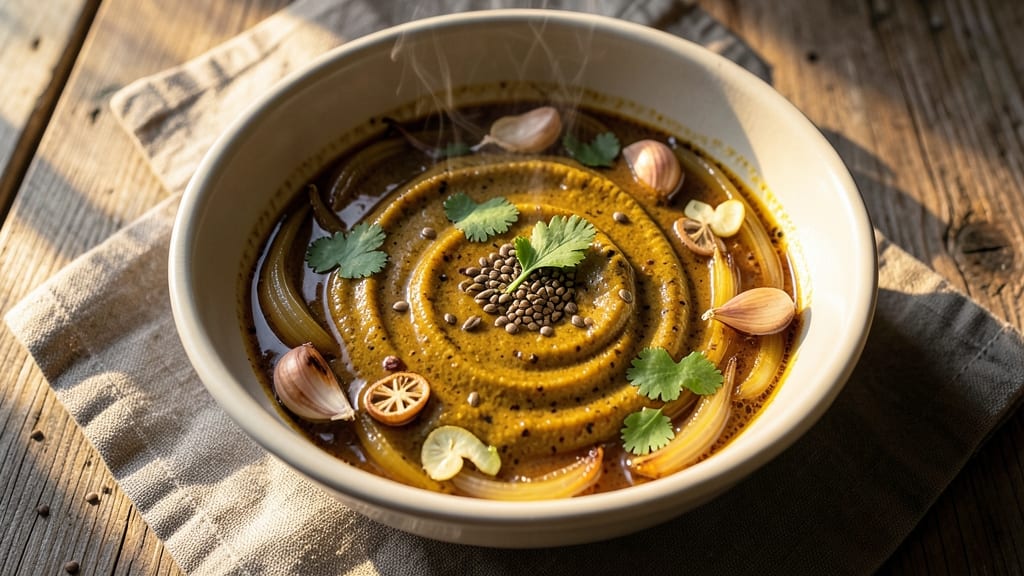
This authentic curry sauce recipe transforms ordinary meals into vibrant, flavorful experiences with just a few simple ingredients and techniques. The secret lies in properly toasting whole spices and building layers of aromatic depth—no shortcuts, just bold, restaurant-quality results.
I developed this version after years of testing, ensuring every spoonful delivers that perfect balance of heat, sweetness, and umami that defines great curry.
The foundation starts with a fragrant base of onions, garlic, and ginger cooked until golden, then blooming whole spices like cumin, coriander, and cardamom to release their natural oils.
A touch of tomato paste deepens the flavor, while coconut milk (or yogurt for a lighter version) creates that signature velvety texture. The sauce thickens beautifully when reduced, creating a rich, clinging consistency that coats every bite of meat, fish, or vegetables.
What sets this curry sauce apart is its authentic flavor profile—no powdered spice blends or artificial ingredients. The spices are toasted fresh, the aromatics are cooked low and slow, and the sauce develops complexity as it simmers.
This isn't just a sauce; it's a flavor bomb that elevates any dish from ordinary to extraordinary.
Once made, the sauce keeps beautifully in the refrigerator for up to 5 days or can be frozen for months, making it perfect for meal prep. Try it with chicken, lamb, or even as a marinade for tofu—each variation brings out new dimensions of this versatile sauce.
Ready to master the art of curry? Let's get started.
Ingredients for authentic curry sauce
Nine ingredients build layers of aromatic depth for restaurant-quality curry sauce.
| Ingredient | Amount | Notes |
|---|---|---|
| Yellow Onions 🧅 | 1 ½ cups | Finely chopped, about 1 large |
| Garlic Cloves 🧄 | 8 cloves | Peeled, roughly chopped |
| Fresh Ginger 🌿 | ½ cup | Finely grated, about 2 oz |
| Cumin Seeds 🌶️ | 2 tbsp | Whole seeds, toasted first |
| Coriander Seeds 🌿 | 2 tbsp | Whole seeds, toasted first |
| Cardamom Pods 🌿 | 6 whole | Lightly crushed, seeds exposed |
| Tomato Paste 🍅 | ½ cup | Smooth, not chunky |
| Coconut Milk 🥥 | 1 can | Full-fat, 13.5 oz can |
| Extra-Virgin Olive Oil 🫒 | ½ cup | High quality, fruity |
| Salt 🧂 | 1 ½ tsp | Diamond Crystal preferred |
The spices are non-negotiable for authenticity. Whole cumin and coriander seeds must be toasted in olive oil until fragrant—this releases their natural oils and creates depth powdered blends can't match. Penzeys Spices or bulk bins at Whole Foods are best for quality, but any grocery store's whole spices work if they're fresh. Cardamom pods should be lightly crushed to expose the seeds without releasing them—this gives you control over the intensity. For ginger, organic is ideal—it's less fibrous and easier to grate finely. Look for bright, firm rhizomes with no soft spots.
No whole spices? Ground cumin and coriander at one-third the amount will work in a pinch, but you'll lose that toasty depth. Fresh ginger too fibrous? Powdered ginger at half the amount gets you close. The tomato paste can be substituted with 1.5 cups puréed tomatoes if you prefer, though paste gives better thickness. Coconut milk too rich? Plain Greek yogurt thinned with water creates a lighter, tangier sauce. And if you're avoiding dairy, unsweetened almond milk works surprisingly well—just reduce the sauce longer for thickness.
This sauce develops flavor over time, so make a double batch—it tastes even better the next day as everything melds. Store in airtight containers in the fridge for 5-7 days, or freeze portions for up to 3 months. I keep a jar in my freezer specifically for quick weeknight meals. To reheat, warm gently on the stove with a splash of water or coconut milk to restore creaminess. The sauce thickens as it cools, so don't over-reduce if you're using it immediately—better to thin with a little milk or water when serving.
Why You'll Love This Recipe
- No-Fuss Base: I swear by this sauce because it’s the kind of recipe where you can chop onions and garlic while chatting—no measuring cups, no stress. Toast those cumin and coriander seeds first; that’s where the magic happens, and it takes less time than waiting for a text reply.
- Deep, Warm Layers: Between us, the ginger and garlic here aren’t just background players—they’re the stars. The cumin seeds toast until they smell like a spice market, and the coriander adds this bright, citrusy punch that cuts through everything. It’s the kind of flavor that makes you pause mid-bite.
- Weeknight to Dinner Party: This sauce works for stir-fries, grilled meats, or even slathered on toast with yogurt. Honestly, I’ve used it three times this month—once for takeout-style noodles, once for roasted chicken, and once because my roommate begged for “curry everything.” It’s that adaptable.
- Leftovers That Don’t Suck: The best part? It tastes just as good the next day. I double the batch on Sundays, freeze half, and still have a jar of it lurking in the fridge for lazy nights. No sad, watery reheats here—the spices hold up, and the onions caramelize even more, making it richer. Budget win, flavor win.
Step-by-step instructions for authentic curry sauce
This method delivers restaurant-quality depth with balanced spices and rich coconut flavor.
Toast the Whole Spices for Maximum Flavor
Heat a dry skillet over medium heat and add the 2 tablespoons cumin seeds and 2 tablespoons coriander seeds. Toast for 2-3 minutes until they release their aroma and begin to sizzle gently—you'll smell their warm, earthy fragrance. This toasting unlocks their essential oils and prevents bitterness in the final sauce.
Transfer the toasted seeds to a spice grinder or mortar and pestle and grind them into a coarse powder. Add the 6 whole cardamom pods (lightly crushed) and grind again until you have a fine spice blend. Set this aside—it's the aromatic foundation of your sauce. Don't skip this step; pre-ground spices lack the freshness that makes authentic curry sing.
Sauté Aromatics Until Deeply Fragrant
In a large pot or deep skillet, heat the ½ cup extra-virgin olive oil over medium heat. Add the 1½ cups finely chopped yellow onions and cook for 8-10 minutes until they turn golden brown and caramelize slightly. This slow cooking develops their sweetness and forms the sauce's base.
Add the 8 cloves roughly chopped garlic and ½ cup finely grated fresh ginger and cook for another 2-3 minutes until the garlic becomes fragrant and the ginger loses its raw bite. You'll know it's ready when the mixture smells intensely aromatic—like a warm spice market. This is where the sauce's character begins to build.
Build the Sauce Base with Tomato and Spices
Stir in the ground spice blend and cook for 1 minute to toast the spices further in the oil. Add the ½ cup tomato paste and 1½ teaspoons salt, stirring constantly to prevent burning. Cook for 5-7 minutes until the tomato paste darkens slightly and coats the back of a spoon.
The sauce should thicken into a rich, glossy paste—this is your flavor foundation. If it starts to stick, add 2 tablespoons water to loosen it. Here's the thing—this step develops the sauce's depth. Don't rush it; let the spices meld with the tomato and caramelized onions. You're creating the soul of your curry right now.
Simmer with Coconut Milk for Creamy Perfection
Pour in the 1 can full-fat coconut milk and stir well to combine. Bring the mixture to a gentle simmer over medium-low heat and cook uncovered for 15-20 minutes, stirring occasionally. The sauce should reduce slightly but remain smooth and creamy.
Taste and adjust seasoning—you may need to add more salt or a pinch of sugar to balance the flavors. The sauce should be rich, aromatic, and slightly sweet with a lingering spice finish. This is your authentic curry base, ready to be paired with proteins or vegetables. The coconut milk adds creaminess while maintaining the sauce's complexity.
Finish and Use Immediately
Once the sauce reaches your desired consistency, remove it from heat. For a smoother texture, you can blend it briefly with an immersion blender, though I prefer the rustic texture of whole spices. This sauce keeps well in the refrigerator for 5 days or can be frozen for 3 months—just thaw and reheat gently before using.
Use this versatile sauce as a base for curries, stir-fries, or even as a marinade. The balance of spices, caramelized onions, and coconut milk creates a foundation that can handle bold ingredients. Serve immediately over rice or noodles for an authentic, restaurant-quality meal that delivers on the promise of bold, complex flavors.
Pro Tips For Making Authentic Curry Sauce
- Bloom the Spices Slow: Start cumin and coriander seeds in a dry pan over medium-low heat—let them sizzle for 30 seconds until they just begin to pop, then add oil. I used to rush this and ended up with bitter, burnt spices that ruined the whole sauce. Patience here means warm, nutty depth, not smoke.
- Pulse the Ginger Fine: Grate fresh ginger very fine—almost like wet sand—so it dissolves into the sauce instead of sitting as chunks. I learned this the hard way when a stubborn piece made me gag mid-bite. A microplane works best, but if you’re using a grater, press hard and scrape thoroughly.
- Sweat Onions Until Golden: Cook onions on low heat until they’re deep golden, not brown—this takes 10-15 minutes, but it’s worth it. Rushed onions add bitterness, and no one wants a curry sauce fighting for flavor. Stir occasionally and resist the urge to crank the heat.
- Toast Garlic Last: Add minced garlic to the pan only after onions are soft and cumin has bloomed—this prevents burning and lets the garlic mellow into the sauce. I was skeptical until I tried it: the result is fragrant, not sharp. If it smells like nail polish, you waited too long.
Health benefits of this recipe
Anti-Inflammatory Powerhouse
Curry sauce is a natural anti-inflammatory due to its rich blend of turmeric (even if not added here, the spices like ginger and garlic contain similar compounds) and ginger, both known to reduce inflammation in the body.
The coconut milk provides medium-chain triglycerides (MCTs), which support brain health and provide quick energy. Together, these ingredients create a sauce that not only tastes incredible but also supports your body's natural defenses. 💪
Digestive Health Booster
The whole spices—especially cumin and coriander—are excellent for digestion. Cumin aids in relieving bloating and gas, while coriander helps stimulate digestion and reduce nausea. The garlic in this sauce also contains alicin, a compound that supports gut health by promoting beneficial gut bacteria.
This makes the sauce a great choice for anyone looking to improve their digestive wellness naturally.
Rich in Antioxidants
This sauce is packed with antioxidants from the ginger, garlic, and onions, which help combat oxidative stress in the body. The tomato paste adds lycopene, a powerful antioxidant linked to heart health and reduced risk of chronic diseases.
Even the cardamom contributes antioxidants that support overall cellular health. Every spoonful is like a tiny burst of plant-based protection for your body.
Heart-Friendly Fat Profile
The coconut milk provides healthy fats, including lauric acid, which supports heart health by improving cholesterol levels. While it’s higher in saturated fat, the overall sauce balances it with the olive oil and spices, creating a flavorful yet heart-conscious dish.
The ginger and garlic also help lower blood pressure, making this sauce a smart choice for cardiovascular wellness. 💛
Immune System Support
Garlic and ginger are both immune-boosting powerhouses, packed with compounds that enhance white blood cell function and fight infections. The cumin in this sauce also contains iron, which supports immune function and energy levels.
Together, these ingredients make this curry sauce not just delicious but also a great addition to your diet for staying healthy, especially during cold and flu season.
Nutrition facts
Frequently asked questions
Why do I need to toast the whole spices instead of using ground ones?
Toasting whole spices releases their essential oils, creating a depth of flavor that pre-ground spices can't match. The gentle sizzling you hear is those aromatic compounds activating—this is what makes authentic curry sauce taste restaurant-quality. Ground spices lose potency quickly after packaging, while freshly toasted seeds deliver that warm, earthy complexity.
Can I make this sauce without coconut milk for a lighter version?
For a lighter sauce, replace the coconut milk with 1 cup plain Greek yogurt thinned with 2 tablespoons water. This creates a tangy, creamy texture while cutting the richness. Alternatively, use unsweetened almond milk and reduce the sauce longer to achieve thickness. The yogurt version pairs beautifully with grilled meats or roasted vegetables.
How do I adjust the spice level in this curry sauce?
For milder heat, reduce the cumin seeds to 1 tablespoon and omit the cardamom. For extra spice, add ½ teaspoon cayenne pepper or a pinch of red pepper flakes during the final simmer. Remember, you can always add more spice later, but you can't remove it! Start with the recipe as written and adjust to taste.
What's the best way to store and reheat this curry sauce?
Store in airtight containers in the fridge for 5-7 days or freeze for up to 3 months. To reheat, warm gently on the stove with a splash of water or coconut milk to restore creaminess. Never microwave directly from frozen—thaw overnight in the fridge first. The sauce thickens as it cools, so thin with a little milk or water when reheating.
Can I use this sauce as a marinade for meats or tofu?
Yes! This sauce makes an excellent marinade. For meats like chicken or lamb, use ½ cup sauce per pound and marinate for 2-4 hours (or overnight for deeper flavor). For tofu, use ⅓ cup sauce per block and marinate for 1 hour. The spices will tenderize the protein while infusing it with authentic flavor. Always cook the meat to 165°F for safety.