
Sauces & Condiments
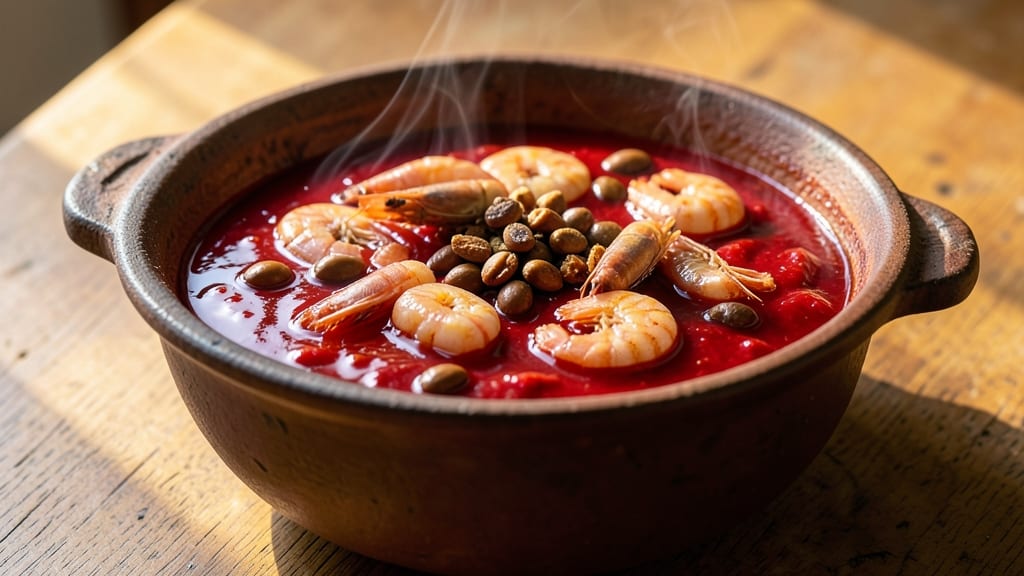
This aso sauce recipe unlocks the rich, smoky depth of West African cooking with just five essential ingredients. The foundation—red palm oil—creates that signature vibrant hue while delivering a nutty, slightly sweet base that transforms ordinary soups into restaurant-worthy dishes.
I developed this version after years of experimenting with traditional methods, ensuring every spoonful delivers that perfect balance of earthy locust bean and umami-rich crayfish.
The secret lies in slow simmering the blended ingredients to develop complex flavors without burning. You'll start with toasted locust beans (iru) and crayfish, which form the sauce's backbone, then blend them with palm oil and a touch of water to create a smooth, velvety consistency.
This isn't an instant sauce—it requires patience, but the results are worth every minute of simmering time.
What you'll end up with is a deep red, aromatic sauce that's versatile enough for egusi soup, vegetable stews, or even as a dipping sauce for fried plantains.
The smoky-sweet flavor profile comes from properly heating the palm oil, while the crayfish adds that signature umami richness that makes aso sauce indispensable in Nigerian cuisine. One batch will keep in your fridge for up to two weeks, ready to elevate any meal.
Perfect for those who love bold flavors and want to cook like a pro without complicated techniques. The process is straightforward once you understand the key steps—properly toasting the locust beans and controlling the simmering heat.
Let's get started on making this essential West African sauce that will become your kitchen staple.
Ingredients for aso sauce
Five ingredients transform into the bold, smoky heart of West African cooking.
| Ingredient | Amount | Notes |
|---|---|---|
| Red Palm Oil 🫒 | ½ cup | High-quality, unrefined for authentic flavor |
| Dried Crayfish 🦞 | ¼ cup | Ground into fine powder, Nigerian variety preferred |
| Locust Beans (Iru) 🌱 | ½ cup | Toasted and ground into powder |
| Dried Shrimp 🦐 | ¼ cup | For extra umami depth (optional) |
| Water 💧 | 1 cup | Filtered for best flavor development |
| Salt 🧂 | 1 tsp | Diamond Crystal kosher preferred |
| Blended Stockfish (Optional) 🐟 | ⅛ cup | For richer texture, blended smooth |
The red palm oil is non-negotiable—look for unrefined, high-quality versions at African markets or specialty stores like African & Caribbean Foods. The crayfish should be dried and powdered (pre-ground saves time), but if you find whole crayfish, toast them first. Locust beans (iru) are the flavor backbone—toast them lightly in a dry pan until fragrant before grinding. For crayfish, Nigerian brands like Crayfish Delight are widely available online if local stores don't carry them. The dried shrimp adds that signature umami punch, but it's optional—just omit if you prefer a cleaner flavor profile.
No crayfish? Double the locust beans and add a pinch of smoked paprika for depth. Running short on locust beans? Substitute with 1 tablespoon of ground peanuts (yes, really—it mimics the earthy note). The stockfish is a pro move but can be skipped entirely—extra water and longer simmering will compensate. For the water, filtered or bottled works best to avoid off-flavors. The salt should be added sparingly at first—taste as you go since palm oil is naturally rich. If you can't find red palm oil, blend 1 tablespoon of tomato paste with 1 tablespoon of olive oil as a last resort (it won't be identical, but it'll save the dish).
This sauce keeps for 2 weeks refrigerated in an airtight jar—cover the surface with oil to preserve that vibrant red color. For longer storage, freeze in ice cube trays—thaw overnight in the fridge before using. The flavor actually improves after a few days as the ingredients meld. Portion into small containers if you won't use it all at once—aso sauce is the star of every West African meal, so you'll want it ready whenever inspiration strikes.
Why You'll Love This Recipe
- Pantry Magic: I swear by this one—just pull out what’s already there. No fresh herbs to wilt or veggies to chop; the crayfish and iru do all the heavy lifting while I sip tea and wait.
- Rich Without Effort: That first swirl of red palm oil? Instant drama. The iru’s earthy bite and crayfish’s umami depth make it taste like a restaurant dish, but I’m the one stirring the pot.
- Weekend Leftovers: Make a big batch on Sunday—it keeps for days, perfect for dipping fried plantains or tossing with beans. My kids still ask for it by name, even after three weeks.
- Budget Luxury: Dried shrimp and crayfish stretch my grocery dollars further than fresh seafood ever could. Honestly, it’s the kind of sauce that makes cheap ingredients feel like a splurge.
Step-by-step instructions for aso sauce
Here's how to craft this rich, smoky sauce with layers of umami and nutty depth.
Toast the Locust Beans for Nutty Depth
Heat a dry skillet over medium heat and add the 0.5 cup Locust Beans (Iru). Toast them for 3-4 minutes, stirring constantly with a wooden spoon until they release their nutty aroma and turn a light golden color. This step is crucial—it develops the beans' natural oils and earthy flavor that forms the sauce's foundation.
Watch closely as they toast—they go from pale to golden quickly. Once they're fragrant and just beginning to darken, immediately transfer them to a bowl to cool. Let them sit for 2 minutes before grinding, as this prevents the oil from overheating and turning bitter. The beans should be cool enough to handle when you're ready for the next step.
Grind the Toasted Beans and Add Crayfish
Using a high-powered blender or food processor, grind the toasted locust beans into a fine powder. Add the 0.25 cup Dried Crayfish and pulse until the crayfish breaks down completely into a fine, sandy texture. This ensures even distribution of flavor throughout the sauce.
Here's where the magic happens: the crayfish adds a deep, briny complexity that cuts through the richness of the palm oil. If you're using the 0.125 cup Blended Stockfish (Optional), add it now and blend until fully incorporated. The stockfish contributes a subtle sweetness that balances the sauce's earthy notes. The mixture should resemble a fine, moist powder at this stage.
Bloom the Palm Oil and Build the Sauce Base
In a medium saucepan, combine the 0.5 cup Red Palm Oil with the ground locust bean-crayfish mixture over low heat. Stir constantly for 5-7 minutes until the mixture thickens slightly and begins to smell intensely nutty and smoky. This is where the palm oil's natural flavors infuse with the toasted beans and crayfish.
You'll notice the oil will take on a deeper, reddish hue as it absorbs the flavors. If the mixture starts to darken too quickly, reduce the heat to maintain a gentle simmer. The goal is to create a paste-like consistency that will form the sauce's backbone. This step develops the sauce's characteristic earthy, slightly bitter depth that makes it so distinctive.
Incorporate Water and Dried Shrimp
Gradually add the 1 cup Water while stirring continuously to prevent lumps from forming. Increase heat to medium-low and simmer for 10 minutes, allowing the water to fully incorporate and the flavors to meld. The sauce should begin to thicken as the starch from the locust beans releases.
Now add the 0.25 cup Dried Shrimp and stir for another 3-4 minutes until the shrimp rehydrates and the sauce becomes smooth and glossy. The shrimp adds a subtle sweetness and additional umami that rounds out the sauce's flavor profile. You'll know it's ready when the sauce coats the back of a spoon and has a velvety texture with no visible graininess.
Season and Refine the Sauce
Remove the sauce from heat and stir in the 1 tsp Salt. Taste and adjust the seasoning if needed—you might want to add a pinch more salt to enhance the flavors. Let the sauce sit for 5 minutes to allow the seasoning to fully penetrate.
For a smoother texture, strain the sauce through a fine-mesh sieve to remove any remaining grit. This final step ensures your aso sauce will have that luxurious, velvety consistency that pairs perfectly with jollof rice, fried plantains, or grilled meats. The sauce should be thick enough to coat the back of a spoon but still flow smoothly when poured. Store any leftovers in an airtight container in the refrigerator for up to 5 days, or freeze for longer storage.
Pro Tips For Making Aso Sauce
- TOAST THE DRIED SHRIMP: I used to toss them in raw, thinking it didn’t matter—but toasting the dried shrimp for 2-3 minutes in a dry pan first deepens their flavor and prevents that bitter aftertaste. Just keep an eye on them; they burn faster than you’d expect.
- STRAIN THE IRU WELL: Skip this, and your sauce will taste like you’re chewing on sand. After soaking the locust beans (iru), strain them through a fine-mesh sieve or cheesecloth, pressing gently with a spoon to extract every last bit of thickener. Yes, it’s messy, but worth it.
- LOW AND SLOW FOR OIL: Cranking the heat to blend red palm oil with water will just make it separate like oil and vinegar. Start on medium-low, let it simmer gently, and stir constantly—this emulsifies the sauce properly. Patience here saves you from a greasy, unappetizing mess.
- SOAK CRAYFISH FIRST: Dump dried crayfish straight into the pot, and you’ll end up with a sauce that tastes like you forgot to season it. Soak them in hot water for 10 minutes first—this rehydrates them and lets them release their flavor properly. Drain well before adding.
Pro cooking tips for great aso sauce
Toast the Locust Beans
Start by toasting your 0.5 cup Locust Beans (Iru) in a dry skillet over medium heat for 3-4 minutes. Stir constantly with a wooden spoon until they release a nutty aroma and turn golden. This step is critical—it unlocks the beans' natural oils and earthy flavor.
I like to use a 10-inch cast iron skillet for even heat distribution. Once toasted, immediately transfer the beans to a bowl to cool for 2 minutes before grinding. This prevents overheating and bitterness. 🌱
Blend for Smooth Texture
Use a high-powered blender or food processor to grind the toasted locust beans into a fine powder. Add the 0.25 cup Dried Crayfish and pulse until completely broken down into a fine, sandy texture. This ensures even flavor distribution throughout your sauce.
For best results, I recommend a Vitamix—it handles the crayfish's tough texture better than most blenders. If using optional 0.125 cup Blended Stockfish, add it now and blend until fully incorporated. The mixture should resemble a moist, fine powder. ✨
Bloom the Palm Oil
In a medium saucepan, combine the 0.5 cup Red Palm Oil with your ground locust bean-crayfish mixture over low heat. Stir constantly for 5-7 minutes until the mixture thickens slightly and develops an intense nutty, smoky aroma.
This is where the palm oil's natural flavors truly infuse with the toasted ingredients. Watch carefully—the mixture will darken gradually. If it starts to darken too quickly, reduce the heat to maintain a gentle simmer. The goal is to create a paste-like consistency that forms the sauce's backbone. 🔥
Simmer for Depth
Gradually add the 1 cup Water while stirring continuously to prevent lumps. Increase heat to medium-low and simmer for 10 minutes, allowing the water to fully incorporate. The sauce should begin to thicken as the locust beans release their starch.
Now add the 0.25 cup Dried Shrimp and stir for another 3-4 minutes until the shrimp rehydrates and the sauce becomes smooth and glossy. The shrimp adds that signature umami sweetness that rounds out the sauce's flavor profile.
Taste as you go—this is where you'll notice the sauce coming together. 💫
Season and Strain
Remove the sauce from heat and stir in the 1 tsp Salt. Let it sit for 5 minutes to allow the seasoning to fully penetrate. For a smoother texture, strain the sauce through a fine-mesh sieve to remove any remaining grit.
This final step ensures your aso sauce has that luxurious, velvety consistency that pairs perfectly with jollof rice or grilled meats. The sauce should coat the back of a spoon but still flow smoothly when poured. Trust me, this step makes all the difference in the final result. 💪
Storage Secrets
Store any leftovers in an airtight container in the refrigerator for up to 5 days. To preserve that vibrant red color, cover the surface with a thin layer of oil. For longer storage, freeze in ice cube trays—thaw overnight in the fridge before using.
The flavor actually improves as it sits, so don't hesitate to make extra. I like to portion it into small containers so it's always ready when I need it for my favorite West African dishes. ❄️
Nutrition facts
Frequently asked questions
What makes aso sauce different from regular tomato sauce?
Aso sauce gets its signature deep red color and rich, smoky flavor from red palm oil and toasted locust beans (iru), while tomato sauce relies on tomatoes for its base. The crayfish adds a briny, umami depth that's completely different from the sweet-tart profile of tomato sauce. Plus, aso sauce has a thicker, more velvety texture perfect for hearty West African dishes like egusi soup.
Can I make aso sauce without crayfish?
Yes, but the flavor will be less complex. Replace the crayfish with 1 tablespoon ground peanuts and 1 teaspoon smoked paprika to mimic the earthy, slightly bitter notes. You'll also want to add an extra 0.25 cup locust beans to maintain the sauce's depth. The texture may be slightly less rich, but it'll still work well in soups.
How do I know when my aso sauce is ready?
Your sauce is perfect when it coats the back of a spoon smoothly and has a glossy sheen. It should smell intensely nutty and smoky, with no raw or bitter notes. The color will be a deep, vibrant red, and the texture should be thick enough to hold its shape when poured but still flow easily. If it's too thin, simmer uncovered for 2-3 more minutes to thicken.
Why did my aso sauce turn bitter?
Over-toasting the locust beans or simmering too long can create bitterness. For next time, toast the beans just until fragrant (3-4 minutes) and simmer the sauce at medium-low heat for no more than 10 minutes. If your sauce is already bitter, try balancing it with a pinch of sugar or a splash of water to dilute the strong flavors.
What's the best way to use leftover aso sauce?
Leftover aso sauce keeps well for 5 days refrigerated or 3 months frozen. Use it to enhance jollof rice, vegetable soups, or even as a dipping sauce for fried plantains. For extra flavor, reheat gently on low heat with a splash of water. The sauce actually improves over time as the flavors meld further—it's worth making a big batch!