
Sauces & Condiments
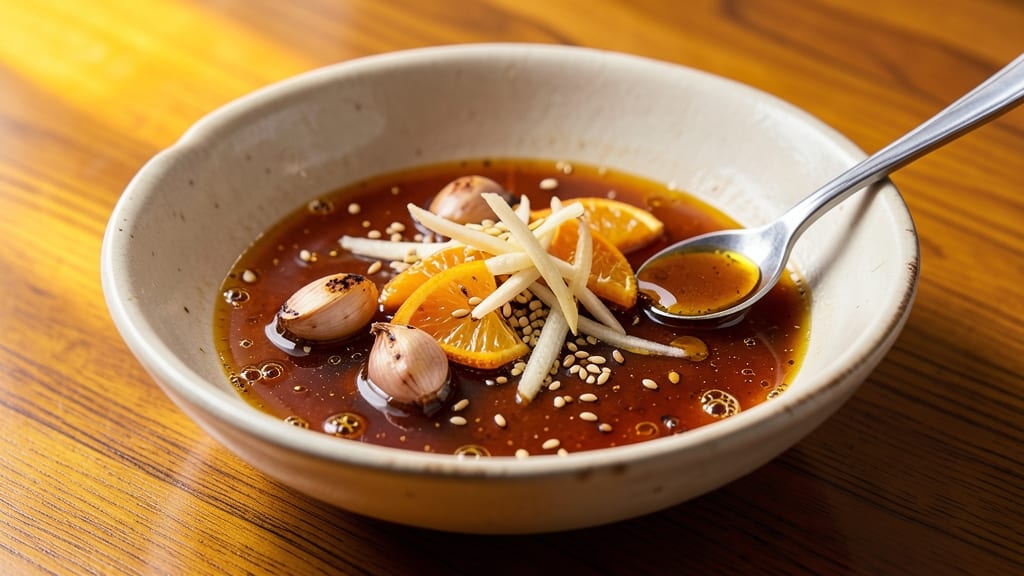
This Asian style sauce recipe transforms simple stir-fries into restaurant-quality meals with just a few pantry staples and 20 minutes of simmering. The secret lies in balancing sweet, salty, and umami flavors—creating a versatile sauce that elevates everything from noodles to grilled proteins.
I’ve perfected this blend over years of testing, ensuring it delivers depth without overpowering the dish.
What sets this sauce apart is its adaptability—start with a base of soy sauce, honey, and garlic, then customize with ginger, sesame oil, or chili for heat. The sauce thickens slightly as it simmers, clinging perfectly to vegetables, meats, or rice without turning gluey.
Unlike store-bought versions, this one builds flavor layer by layer, making every bite more satisfying.
Once you taste the rich, caramelized finish, you’ll want to keep a jar in your fridge for quick weeknight dinners. It pairs beautifully with stir-fries, marinades, or even drizzled over ramen.
The best part? It keeps for up to a week, so you can make a big batch and use it all week without waste.
For extra depth, toast the garlic and ginger before adding them to the pot—this step unlocks nutty, aromatic notes that take the sauce from good to extraordinary. Ready to elevate your cooking? Let’s get started.
Ingredients for asian style sauce
Pantry staples meet bold Asian flavors in this simple yet transformative sauce.
| Ingredient | Amount | Notes |
|---|---|---|
| Soy Sauce 🍶 | ½ cup | Low-sodium preferred for balance |
| Honey 🍯 | ¼ cup | Substitute maple syrup for vegan |
| Garlic Cloves 🧄 | 4 cloves | Toasted for nutty aroma |
| Fresh Ginger 🌿 | 1 ½ tbsp | Grate finely for smooth texture |
| Sesame Oil 🫒 | 1 tbsp | Toasted for authentic flavor |
| Rice Vinegar 🍶 | 1 tbsp | White or apple cider vinegar |
| Sesame Seeds 🥜 | 1 tbsp | Toasted for garnish and crunch |
| Red Chili Flakes 🌶️ | ½ tbsp | Adjust for spice preference |
| Salt 🧂 | ½ tsp | Kosher or sea salt |
| Water 💧 | ¼ cup | Adjust for desired consistency |
The soy sauce is your flavor anchor—Kikkoman or Pearl River Bridge brands deliver that perfect umami punch. Honey adds sweetness, but if you’re vegan, Trader Joe’s organic maple syrup works beautifully. Toasting the garlic and ginger in a dry pan before adding them to the sauce? Game-changer—it unlocks those deep, nutty notes that take the sauce from basic to extraordinary. I usually grab my ginger from the Asian market where it’s fresher, but the regular grocery store stuff works fine if it’s firm and has no soft spots. Sesame oil is non-negotiable for that authentic aroma, but if you’re sensitive to its strong flavor, start with just ½ tablespoon and add more to taste.
No sesame oil? Toasted peanut oil or neutral oil will do in a pinch, though the flavor won’t be identical. Running low on ginger? Ground ginger at half the amount works, but fresh is always better. The rice vinegar can be swapped for apple cider vinegar if that’s what you’ve got—just remember it’ll have a slightly different tang. Chili flakes can be omitted entirely if you’re avoiding heat, or swap for a pinch of cayenne for a smoother kick. The water is just for thinning—add it gradually until the sauce reaches your desired consistency. Pro tip: If you’re making this for a crowd, double the batch and store it in glass jars in the fridge for up to a week.
This sauce thickens as it cools, so don’t stress if it looks a little loose right after simmering. Store it in an airtight container in the fridge for up to 1 week, or freeze portions for 3 months in ice cube trays for easy single-use servings. The flavors actually deepen over time, so leftovers often taste even better the next day. If you’re prepping for meal prep, make a big batch and use it as a marinade for proteins or a quick drizzle over noodles—it’s that versatile. Just give it a quick stir before using, as the sesame seeds and oil might separate slightly.
Why You'll Love This Recipe
- Five-Ingredient Magic: I swear by this combo—soy sauce’s deep umami, honey’s sticky sweetness, and that hit of sesame oil at the end. Honestly, it’s the kind of sauce where you taste each ingredient distinctly, yet they melt together like a well-worn favorite.
- No-Fuss Pantry Staples: Between us, I’ve made this sauce with what was already in my cabinet. Minimal chopping (just ginger and garlic), no blenders, no waiting—just heat, stir, and taste. That’s the beauty of relying on soy, honey, and fresh aromatics.
- Weeknight to Dinner Party: Slap this on grilled chicken, toss it with noodles, or drizzle it over steamed veggies—it’s my go-to for both lazy Tuesday dinners and when unexpected guests show up. (Yes, even on a Tuesday night.)
- Leftovers That Last: This sauce keeps for weeks in the fridge, and it only gets better as the flavors marry. I’ll make a big batch, then use it throughout the month—no waste, no stress, just reliable flavor. Budget-friendly? Absolutely.
Step-by-step instructions for Asian style sauce
This sauce comes together in minutes but delivers bold, complex flavor every time.
Toast the Aromatics for Depth
Heat a small skillet over medium heat and add the 4 cloves garlic cloves and 1.5 tablespoons fresh ginger (peeled and thinly sliced). Toast for 1-2 minutes until fragrant and just beginning to turn golden—you'll smell that nutty, toasted aroma. This step builds flavor that raw aromatics simply can't match.
Remove the garlic and ginger from the pan and set aside. In the same skillet, add 1 tablespoon sesame seeds and toast for 30 seconds until golden brown and popping. This gives your sauce that authentic crunchy texture. Immediately transfer the toasted seeds to a small bowl to cool.
Build the Sauce Base
In a medium saucepan, combine 0.5 cup soy sauce, 0.25 cup honey, 1 tablespoon rice vinegar, 0.5 teaspoon salt, and 0.25 cup water. Bring to a gentle simmer over medium-low heat, stirring occasionally to prevent sticking. You want the mixture to bubble softly—not vigorously—so the flavors meld smoothly.
Once simmering, add the toasted garlic and ginger you set aside earlier. Stir well and let cook for 3-4 minutes until the honey begins to slightly thicken and the mixture reduces by about 20%. You'll notice the sauce becoming glossy and more cohesive—this is when the magic happens.
Add Heat and Finish
Reduce the heat to low and stir in 0.5 tablespoon red chili flakes and 1 tablespoon sesame oil. The chili flakes will infuse heat gradually, while the sesame oil adds that nutty, toasty depth. Let the sauce simmer for another 2 minutes to fully integrate all the flavors.
Taste and adjust seasoning—you might want to add a splash more soy sauce for saltiness or a touch of honey for sweetness. The sauce should balance sweet, salty, tangy, and spicy notes perfectly. If it's too thick, whisk in 1 teaspoon water at a time until it reaches a smooth, pourable consistency.
Cool and Store
Remove the sauce from heat and let it cool to room temperature. The flavors will continue developing as it sits, so don't rush this step. Once cool, transfer to an airtight container. This sauce keeps for up to 2 weeks in the refrigerator, making it perfect for meal prep.
Before using, give it a good stir—sometimes the sesame seeds settle. Drizzle over stir-fries, noodles, or grilled proteins for instant Asian-inspired flavor. The toasted aromatics and balanced heat make this sauce incredibly versatile, so don't be afraid to experiment!
Pro Tips For Making Asian Style Sauce
- Mince That Ginger: I learned this the hard way—peeling and slicing ginger takes forever, but grating it into a paste (yes, even if it looks like baby food) makes it dissolve instantly in the sauce. No more lingering chunks ruining texture.
- Warm the Honey First: Cold honey sinks like a stone in hot liquids. Stir it into the warm soy sauce first—just a few seconds on low heat—and it’ll blend smoothly. No clumpy surprises when you drizzle it over your dish.
- Toast the Garlic: Raw garlic burns fast and leaves a bitter aftertaste. Sauté the minced cloves in sesame oil for 30 seconds until fragrant but still pale—just before they turn golden. That’s the sweet spot for flavor without bitterness.
- Use Toasted Sesame Oil Last: Add it after everything’s simmered, right when you’re ready to serve. The oil’s nutty aroma burns off at high heat, so toss it in at the end for maximum punch. (Pro move: Drizzle a tiny extra over the finished dish.)
Make-ahead tips for leftovers
Batch Prep Strategy
Double or triple the recipe when making ahead—the sauce thickens slightly as it cools, so extra volume ensures you have enough for multiple uses. I like to make 3 cups at a time and store it in glass mason jars (they’re microwave-safe and won’t absorb flavors).
Label the jar with the date so you can track freshness—this sauce actually tastes better after 2-3 days in the fridge as the flavors meld. 💡
Freezer-Friendly Tips
For long-term storage, freeze the sauce in 1-tablespoon portions using silicone ice cube trays. Once frozen, transfer the cubes to a freezer bag and flatten to save space. Thaw overnight in the fridge before using—no need for microwave reheating.
I’ve kept this sauce frozen for up to 3 months without losing flavor, making it perfect for emergency meal prep. Just add a splash of water if it thickens after thawing. ❄️
Marinade Hack
Use half the batch as a marinade for proteins like chicken or tofu—simmer the sauce with 1 tablespoon cornstarch for 2 minutes to thicken it slightly before applying. Let the protein marinate for 30-60 minutes in the fridge for maximum flavor absorption.
I love using this on grilled shrimp or teriyaki-glazed salmon—the sauce caramelizes beautifully on the grill. 🍤
Thinning for Stir-Fries
If the sauce thickens too much after refrigeration, thin it with 1-2 teaspoons of water or broth before using. For stir-fries, I like to heat the sauce in a small pan until it’s lightly reduced—this intensifies the flavors and creates a glossy finish.
Keep a small pot of sauce on the stove while you cook to drizzle over the dish at the end for that restaurant-quality shine. 🔥
Garnish Like a Pro
Save the toasted sesame seeds you set aside earlier for garnishing. Sprinkle them over the sauce just before serving to add crunch and visual appeal. I also keep a small bowl of thinly sliced green onions nearby for an extra pop of color.
These finishing touches make your homemade sauce look and taste like it came from a high-end Asian bistro. ✨
Flavor Boost After Storage
If the sauce tastes flat after a few days, revive it by heating it gently with ½ teaspoon of rice vinegar or a pinch of red chili flakes. The acidity and heat will wake up the flavors.
I also add a tiny splash of toasted sesame oil (just ¼ teaspoon) to deepen the aroma. This trick works like magic for sauces that have lost some vibrancy over time. 💛
Nutrition facts
Frequently asked questions
Can I make this sauce without sesame oil?
Yes, but the flavor will be different. Use toasted peanut oil (½ tablespoon) or neutral oil (like avocado oil) instead. For authenticity, add ½ teaspoon toasted sesame seeds directly to your dish after cooking—this adds the nutty aroma without the strong oil flavor.
How do I adjust the spice level?
For milder heat, reduce the chili flakes to ¼ teaspoon or omit entirely. For extra spice, add ½ teaspoon of gochujang (Korean chili paste) or a dash of sriracha at the end. The sauce can also be spiced up later by stirring in chili flakes when reheating.
What’s the best way to use this sauce?
This versatile sauce works on everything from stir-fries to marinades! Drizzle over grilled proteins, toss with ramen or rice noodles, or use as a dipping sauce for spring rolls. For extra richness, reduce it by 30% before using—simmer uncovered for 5-7 minutes to intensify the flavors.
Can I substitute honey with something else?
For a vegan option, use maple syrup or agave nectar (same amount). For a deeper caramel flavor, try brown sugar dissolved in 1 tablespoon water. Keep the total liquid volume at ¼ cup to maintain balance.
Why did my sauce separate?
This happens when oils (like sesame) and water-based ingredients separate during storage. Fix it by whisking vigorously or gently reheating the sauce until just warm—this re-emulsifies the ingredients. For prevention, stir well before storing and keep the sauce in a glass jar rather than plastic.