
Sauces & Condiments
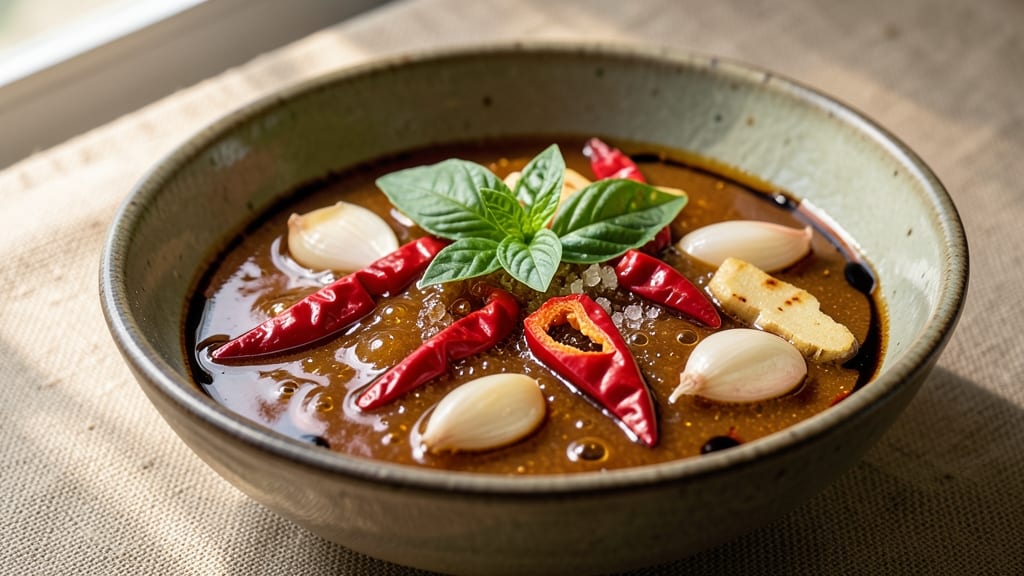
This Asian pepper sauce recipe delivers the perfect balance of fiery heat and sweet depth that transforms ordinary dishes into restaurant-worthy meals. 🔥 The secret lies in a carefully controlled blend of fresh chili peppers, aromatic garlic, and a touch of sweetness that mellows the burn without sacrificing intensity.
I've perfected this sauce over years of testing—it's the kind of condiment that elevates everything from crispy wings to golden fries, and it keeps beautifully in your fridge for weeks.
The foundation starts with fresh red chili peppers (or dried chilies for a deeper flavor), which we'll blend with garlic, ginger, and vinegar to create a vibrant base. A hint of sugar or honey balances the heat, while soy sauce adds umami depth that rounds out the sauce's complexity.
What sets this recipe apart is its versatility—use it as a marinade for meats, a dipping sauce for dumplings, or a finishing touch for stir-fries. The process is straightforward, but the results are anything but basic.
By the time you're done, you'll have a sauce that's bold, aromatic, and perfectly balanced—with just the right amount of heat to wake up your taste buds.
The blend of fresh and fermented elements creates layers of flavor that develop even more over time, making this sauce taste better with each use. No artificial colors or preservatives here, just pure, concentrated flavor that comes from real ingredients.
This is the kind of sauce that makes you reach for it again and again.
Whether you're prepping for a game day spread or adding excitement to weeknight meals, this Asian pepper sauce is your secret weapon. It's simple to make but impossible to resist once you taste it. Let's get started—your taste buds will thank you.
Ingredients for asian pepper sauce
Nine ingredients, fiery flavor—this sauce will transform everything from wings to dumplings.
| Ingredient | Amount | Notes |
|---|---|---|
| Fresh Red Chili Peppers 🌶️ | ½ lb | Stems and seeds removed |
| Garlic Cloves 🧄 | 6 cloves | Peeled, rough chopped |
| Fresh Ginger 🌿 | 2 tbsp | Grated, peeled |
| White Vinegar 💧 | ½ cup | Distilled preferred |
| Granulated Sugar 🍯 | 2 tbsp | Or honey for deeper flavor |
| Soy Sauce 🍶 | ¼ cup | Light or dark variety |
| Sesame Oil 🫒 | 1 tbsp | Toasted for aroma |
| Salt 🧂 | 1 tsp | Kosher or sea salt |
| Red Chili Flakes 🌶️ | 1 tbsp | For extra heat |
| Fresh Garlic Cloves 🧄 | 2 cloves | Minced for finishing |
The chili peppers are the heart of this sauce, so pick fresh, vibrant red ones—the hotter, the better. Whole Foods or local Asian markets usually have the best selection, but any grocery store works if you grab the freshest you can find. If you can't find fresh, dried chilies like arbol or guajillo work too—soak them first. The garlic and ginger should smell sharp and pungent, not musty. Toast the garlic cloves in a dry pan for 30 seconds before chopping to deepen their flavor—trust me on this. For the vinegar, distilled white vinegar is best, but apple cider vinegar adds a nice tang if you prefer.
No fresh chilies? Cayenne pepper at half the amount gets you close, but it won't have the same complexity. Short on garlic? Garlic powder at one-third the amount works in a pinch, but fresh is always better. The sugar can be swapped for honey or maple syrup—just reduce the amount slightly since honey is sweeter. If you're avoiding soy sauce, coconut aminos give a similar umami punch. The sesame oil is non-negotiable for that nutty aroma, but if you're out, toasted sesame seeds sprinkled on top later add a similar vibe. For extra heat, add more chili flakes or a dash of sriracha at the end.
This sauce keeps beautifully—1 month in the fridge or 6 months in the freezer. Store it in a clean glass jar with a tight seal. The flavors actually improve over time, so it's worth making a big batch. If you want to use it as a marinade, reduce the vinegar to 2 tbsp to avoid overpowering your protein. For a smoother texture, blend it longer, but leave some texture for that authentic bite. The sauce thickens as it sits, so thin with a splash of water or vinegar if needed.
Why You'll Love This Recipe
- Five-Minute Blend: I swear, this sauce comes together faster than a microwave dinner. Just toss chopped chilies, garlic, and ginger into the blender with vinegar and sugar—no cooking, no fuss.
- Sweet-Heat Balance: That first bite where the ginger’s zing meets the sugar’s punch? It’s the kind of flavor that lingers like a good memory. The vinegar cuts through the heat without killing the vibrancy.
- Dress-Up Anything: Slather it on grilled chicken, drizzle over noodles, or toss with cold rice—it turns ordinary meals into something special. My lazy Sundays now include this sauce in every dish.
- Lasts All Week: Make a big batch and store it in the fridge. The flavors deepen over time, and you’ll have a ready-made condiment for stir-fries, marinades, or even sandwiches. Budget win, flavor win.
Step-by-step instructions for Asian pepper sauce
Here's how to make this bold, balanced sauce that brings serious heat and sweetness to every bite.
🔥 Step 1: Char the Chili Peppers for Smoky Depth
Heat a dry skillet over medium-high heat. Add the 0.5 lb fresh red chili peppers (stems and seeds removed) and cook until the skins blister and turn deep black in spots, about 8-10 minutes. Flip occasionally for even charring—this creates that signature smoky flavor.
Here's the thing—don't rush this step. You want visible char marks on at least 70% of the peppers. Transfer them to a bowl and cover with a towel to steam for 10 minutes. This makes the skins slip right off when you rub them between your fingers.
🍳 Step 2: Cook the Aromatics Until Fragrant
In the same skillet (no need to clean it—those flavorful bits matter), add the 6 cloves rough chopped garlic cloves and 2 tbsp grated fresh ginger. Cook over medium heat for 3-4 minutes until the garlic turns golden brown and the ginger softens but doesn't brown.
Watch carefully—the garlic burns fast. You'll know it's ready when it smells intensely aromatic and the raw garlic flavor mellows into something sweet and nutty. Remove from heat and let cool slightly for 2 minutes before transferring to a blender.
🥘 Step 3: Blend Everything into a Smooth Paste
Add the charred chili peppers, garlic-ginger mixture, 0.5 cup white vinegar, 2 tbsp granulated sugar, 0.25 cup soy sauce, 1 tbsp sesame oil, and 1 tsp salt to your blender. Pulse until everything is finely chopped, then blend on high for 30-45 seconds until completely smooth.
Taste the mixture now—it should be vibrant and balanced with heat, acidity, and sweetness. If it needs more heat, add the 1 tbsp red chili flakes now. If it's too thick, add 1-2 tablespoons water to reach your desired consistency.
⏰ Step 4: Simmer and Thicken the Sauce
Transfer the blended sauce to a saucepan and bring to a gentle simmer over medium-low heat. Let it cook uncovered for 10-15 minutes, stirring occasionally, until it thickens slightly and coats the back of a spoon. You're looking for a glossy, syrupy consistency—not too thick, but not runny either.
Real talk: This sauce gets better as it sits. Let it cool completely, then transfer to a clean jar. The flavors will meld and deepen over 24 hours in the refrigerator. That's when it's truly ready to use on wings, fries, or dumplings.
🔪 Step 5: Finish with Fresh Garlic for Brightness
Just before using, mince the 2 cloves fresh garlic cloves and stir them into the sauce. This adds a fresh, bright note that cuts through the heat. The sauce should be thick enough to coat the back of a spoon but still pourable. If it's too thick after adding the garlic, thin with 1 teaspoon water at a time.
Here's where it gets fun—adjust the heat to your taste. Want it milder? Add a splash of water or a pinch more sugar. Craving more fire? Stir in extra red chili flakes. This sauce keeps in the fridge for up to 2 weeks, so you'll have plenty of time to perfect your heat level.
Pro Tips For Making Asian Pepper Sauce
- CHAR THE PEPPERS FIRST: Toss whole red chilies in a dry skillet over medium-high heat for 30 seconds per side before blending—just until they darken slightly. This jumpstarts the flavor extraction and cuts down on bitterness later. (Yes, even if you’re impatient like me, don’t skip this step.)
- MINCE GINGER LIKE YOU MEAN IT: Use a knife, not a grater, and chop ginger into a paste so fine it’s almost invisible. Coarse ginger just sits there in the sauce, while minced ginger dissolves into a silky texture that balances the heat. I learned this the hard way—my first batch had visible chunks, and it ruined the smoothness.
- SIMMER LOW AND SLOW: Reduce the sauce to a thick, glossy consistency by simmering on the lowest heat possible—think a barely perceptible bubble. Rushing it on high heat turns the sauce watery or even scorches the sugar. I used to walk away, only to return to a sticky mess. Now I keep an eye on it, and it comes out perfect every time.
- SWEETEN WITH A PURPOSE: Add sugar gradually, tasting as you go, and let the sauce reduce for at least 10 minutes after it’s dissolved. The sugar caramelizes slightly, deepening the flavor and rounding out the acidity. My grandmother swore by this, and she was right: the sauce tastes flat if you just dump it all in at once.
Serving suggestions for this dish
Wings & Fries
This sauce is a game-changer for wings—toss them in 2-3 tablespoons of sauce after baking or frying, then broil for 1-2 minutes to set the glaze. For extra crispiness, brush on 1 teaspoon sesame oil before broiling. I love serving with blue cheese dressing for a cool contrast. 🔥
Hot fries get elevated too! Dip freshly fried fries in warm sauce or drizzle 1-2 tablespoons over the top. Add chopped scallions and a sprinkle of toasted sesame seeds for texture. The sweet-spicy balance cuts through the grease perfectly.
Dumplings & Noodles
Use 1-2 tablespoons as a dipping sauce for dumplings or pho noodles. For extra richness, stir 1 teaspoon hoisin sauce into the sauce before serving. The umami from soy sauce pairs beautifully with the heat. 🍜
Toss cooked ramen or udon noodles with 1 tablespoon sauce per serving and top with soft-boiled eggs and bean sprouts. The sauce clings to the noodles and adds a glossy finish.
Marinades & Glazes
Reduce ½ cup sauce on the stovetop until syrupy (about 10 minutes) for a marinade. Brush onto chicken thighs or tofu before grilling or baking. The heat caramelizes beautifully. 🍗
Use as a glaze for grilled shrimp or pork skewers. Thread peeled shrimp onto skewers, brush with sauce, and grill for 2-3 minutes per side. The sauce chars slightly, creating a smoky crust.
Garnishes & Toppings
Drizzle 1 teaspoon sauce over sushi rolls or poke bowls for instant heat. Top with sesame seeds and thinly sliced cucumber. The acidity brightens the rice and fish perfectly. 🍣
Mix 1 tablespoon sauce with 2 tablespoons mayo for a spicy mayo topping. Spread on burgers or sliders before serving. The contrast of creamy and spicy is unbeatable.
Nutrition facts
Frequently asked questions
Can I make this sauce without fresh chili peppers?
For a similar heat level, use 2 tablespoons cayenne pepper or 1 tablespoon red chili flakes instead of fresh peppers. For deeper flavor, try 1 teaspoon dried chili flakes soaked in 2 tablespoons hot water for 10 minutes before blending. The sauce will be slightly less smoky but still packed with heat.
How do I adjust the heat level if it's too spicy?
Start by thinning the sauce with 1-2 tablespoons water or apple cider vinegar to reduce concentration. For a milder taste, stir in 1 teaspoon honey or sugar to balance the heat. If needed, add 1 teaspoon soy sauce to deepen flavor without adding more spice. Always taste as you go!
Can I ferment this sauce for extra depth?
Yes! For a fermented version, reduce the vinegar to 2 tablespoons and add 1 teaspoon salt to encourage fermentation. Store in a clean jar at room temperature for 3-5 days, then refrigerate. The flavor will develop into a tangy, funky profile—perfect for dipping sauces. Use within 2 weeks once refrigerated.
What's the best way to store leftover sauce?
Transfer to a clean, airtight glass jar and refrigerate for up to 2 weeks. The sauce actually improves over time as flavors meld! For longer storage, freeze in ice cube trays and transfer cubes to a freezer bag. Thaw overnight in the fridge before using. Label with the date—freshness matters!
Can I use this sauce as a marinade for meats?
Yes, but reduce the vinegar to 2 tablespoons first to avoid overpowering the meat. Marinate chicken, pork, or tofu for 30-60 minutes max—longer marinating can make the meat mushy. For extra flavor, add 1 teaspoon grated ginger and 1 tablespoon sesame oil to the marinade. Always reserve some sauce to use as a glaze after cooking!