
Sauces & Condiments
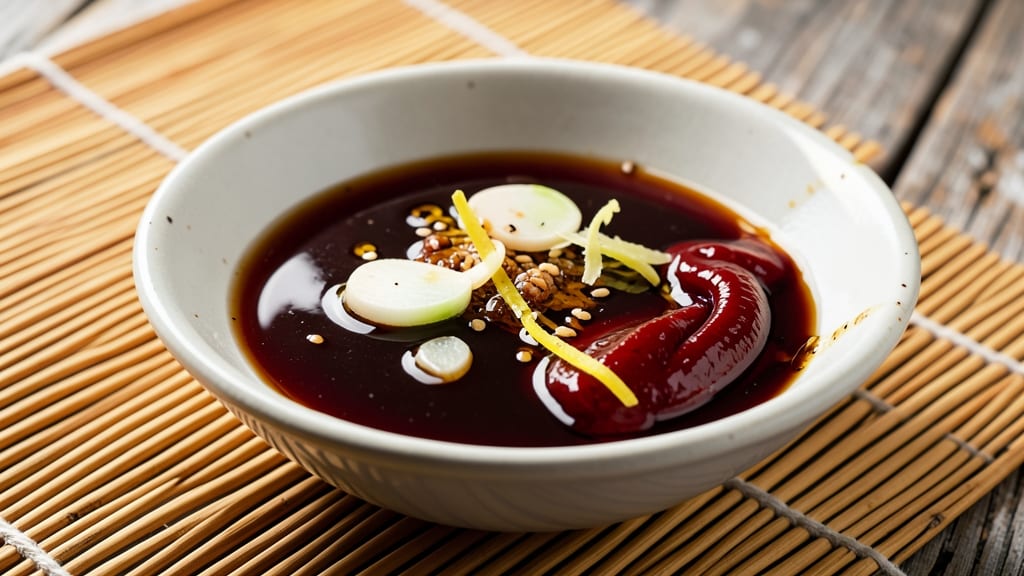
This Asian lettuce wrap dipping sauce recipe transforms simple ingredients into a tangy-spicy elixir that elevates every bite. The perfect balance of umami, heat, and freshness comes from fermented soy sauce, garlic, ginger, and a touch of chili—all blended into a silky, aromatic sauce that clings to crisp lettuce cups.
I developed this recipe after years of testing dipping sauces for Asian-inspired meals, and it’s become a staple in my kitchen for its versatility and depth of flavor.
The foundation of this sauce is a simple yet powerful combination of soy sauce, rice vinegar, and sesame oil, which creates the signature tangy-savory base. Fresh garlic and ginger add aromatic warmth, while a hint of chili paste introduces the spice that makes this sauce irresistible.
The key to achieving the right balance lies in adjusting the heat and sweetness to your preference—whether you like it bold or subtly spicy, this recipe delivers.
What makes this sauce truly special is its ability to enhance any lettuce wrap filling, from grilled meats and crisp tofu to fresh vegetables. The sauce’s smooth texture and vibrant flavor ensure every bite is packed with umami and a satisfying crunch.
It’s also incredibly easy to make ahead and store in the fridge for up to a week, making it a perfect addition to meal prep or last-minute gatherings.
Pair this sauce with your favorite lettuce wraps, spring rolls, or even as a marinade for meats. The possibilities are endless, and the results are always delicious. Let’s get started on creating this flavorful, restaurant-quality dipping sauce at home.
Ingredients for asian lettuce wrap dipping sauce
Simple pantry staples blend into a tangy-spicy sauce that brings lettuce wraps to life.
| Ingredient | Amount | Notes |
|---|---|---|
| Fermented Soy Sauce 🍶 | ½ cup | Use tamari for gluten-free option |
| Rice Vinegar 🍶 | ¼ cup | White or seasoned variety |
| Sesame Oil 🫒 | 1 tbsp | Toasted for authentic flavor |
| Fresh Garlic Cloves 🧄 | 4 cloves | Minced for aromatic punch |
| Fresh Ginger 🌿 | 1 ½ tbsp | Grated, not powdered |
| Red Chili Paste 🌶️ | 1 ½ tbsp | Adjust for heat preference |
| Honey 🍯 | 1 tbsp | Balances tangy-spicy flavors |
| Sesame Seeds 🌰 | 1 tsp | Toasted for garnish |
| Water 💧 | ¼ cup | Adjust for desired thickness |
| Salt 🧂 | ½ tsp | Kosher or sea salt |
The soy sauce is your flavor anchor—Kikkoman or Lee Kum Kee are my go-tos, but any good-quality fermented soy works. Fresh ginger and garlic are non-negotiable here; Trader Joe's carries pre-grated ginger in tubes, which saves time. For the chili paste, Maesri or Thai Kitchen brands deliver that perfect balance of heat and sweetness. Toast your sesame seeds in a dry pan for 30 seconds—they’ll add crunch and depth. If you can’t find toasted sesame oil, lightly toast regular sesame oil and cool before using.
No rice vinegar? Apple cider vinegar or lime juice works in a pinch, though flavor will shift slightly. Short on honey? Maple syrup or agave keeps it vegan-friendly. The sauce should be silky but clingy—add water 1 tbsp at a time until it reaches that perfect consistency. For extra umami, stir in 1 tsp fish sauce (if not vegetarian) or 1 tbsp coconut aminos. Want it smoother? Blend with 1-2 tbsp water after cooking. The sauce thickens as it chills, so adjust before serving.
This sauce keeps beautifully—1 week in the fridge in an airtight jar. The flavors actually deepen overnight, so make it ahead if you can. For longer storage, freeze in ice cube trays and thaw as needed. Double the batch if you’re prepping for a crowd; it disappears fast. Garnish with extra sesame seeds and chopped scallions right before serving—fresh herbs brighten up every spoonful. Pair with your favorite lettuce cups, grilled meats, or even as a marinade for tofu.
Why You'll Love This Recipe
- Five-Ingredient Magic: I swear by this combo—fermented soy sauce and sesame oil alone make it taste like a restaurant. The garlic and ginger hit just right without overpowering, and honestly? It’s the kind of sauce that turns a simple lettuce wrap into something you’ll crave.
- No Blender Needed: Between us, I often just mash the garlic and ginger with a fork in a bowl. Mix in the vinegar and soy, drizzle the sesame oil, and stir. That’s it. No fancy gadgets, no stress—just pure, bold flavor that comes together faster than you can say "takeout."
- Game for Any Occasion: This sauce is my go-to for lazy weeknights, potlucks, or when I’m feeding a crowd. It’s the perfect partner for grilled meats, shrimp, or even just crispy tofu. And if I’m being real, it’s the first thing I grab when I’m craving something quick but still feels special.
- Lasts All Week: A small jar keeps in the fridge for days, and honestly? It gets better as the flavors meld. I’ll make a big batch on Sunday, and by Wednesday, it’s the star of my lunch. Plus, it’s cheap—fermented soy sauce and rice vinegar stretch far, so you’re not breaking the bank for restaurant-quality taste.
Step-by-step instructions for Asian lettuce wrap dipping sauce
Here's how to balance tangy, spicy, and umami flavors for the perfect dipping sauce.
Combine the Base Ingredients
In a small saucepan, pour in the 0.5 cup fermented soy sauce and 0.25 cup rice vinegar. Add the 1 tbsp sesame oil and 0.5 tsp salt, then stir gently to integrate these foundational flavors. The soy sauce provides that deep umami backbone, while the vinegar adds a bright acidity that cuts through richness. Keep the heat at low-medium to prevent any ingredients from reacting too quickly.
Next, add the 1 tbsp honey and 0.25 cup water. The honey will help balance the tangy and spicy notes later, while the water ensures the sauce has a smooth, pourable consistency. Give everything another stir and let the mixture sit for 2 minutes—this allows the flavors to begin melding together before we introduce the fresh aromatics.
Add Aromatics and Chili Paste
Using a microplane or fine grater, add the 1.5 tbsp fresh ginger to the saucepan. Fresh ginger is key here—it adds a bright, zesty kick that complements the soy and vinegar beautifully. Then, mince the 4 cloves fresh garlic cloves and add them to the pan. The garlic will infuse its pungent aroma as it heats, but be careful not to let it brown—you want it to perfume the sauce, not overpower it.
Now, stir in the 1.5 tbsp red chili paste. This is where the sauce gets its signature heat. Start with the full amount, then taste as you go—you can always add more later if you want extra spice. Let the mixture simmer gently for 3-4 minutes, stirring occasionally, until you see the sauce begin to thicken slightly and the aromatics are fully incorporated. The sauce should smell vibrant and complex—like a mix of garlic, ginger, and a hint of smoky chili.
Simmer and Adjust the Consistency
Reduce the heat to low and let the sauce simmer for another 5 minutes. This gentle cooking allows all the flavors to deepen and harmonize. Taste the sauce now—it should be tangy, slightly sweet from the honey, and spicy with a touch of umami from the soy sauce. If it’s too thick, add 1 tablespoon of water at a time until it reaches a smooth, dippable consistency. If it’s too thin, simmer uncovered for another 2-3 minutes to reduce it slightly.
Once the sauce reaches your desired consistency, remove it from the heat. Let it cool for 5 minutes before serving—this helps the flavors settle and prevents any lingering heat from the chili paste. The sauce should be glossy, with a balance of tang, spice, and sweetness that makes it irresistible with fresh lettuce wraps, spring rolls, or grilled meats.
Garnish and Serve
Transfer the sauce to a serving bowl or small pitcher. Sprinkle the 1 tsp sesame seeds on top just before serving—they add a nutty crunch that contrasts beautifully with the smooth sauce. For an extra touch, lightly toast the sesame seeds in a dry pan over low heat for 1-2 minutes until fragrant, then sprinkle them over the sauce. This step elevates the presentation and adds another layer of flavor.
Serve the dipping sauce immediately while it’s still warm, or let it cool to room temperature for a slightly thicker texture. The sauce pairs perfectly with crisp lettuce cups, fresh spring rolls, or grilled skewers. If you prefer a milder version, reduce the chili paste to 1 tbsp—but trust me, the tangy-spicy balance is what makes this sauce truly special.
Pro Tips For Making Asian Lettuce Wrap Dipping Sauce
- Mince the Ginger Fine: I learned this the hard way—chunky ginger in this sauce just sits there like a bitter afterthought. Use a microplane or the fine grating side of a box grater for the ginger, then squeeze out the excess liquid with your hands. That way, it dissolves smoothly and adds real depth without turning your sauce into a watery mess.
- Toast the Garlic Low: Skip the high-heat blitz that burns garlic in seconds. Instead, warm a dry pan over medium-low and add the whole cloves, stirring constantly until they’re just golden at the edges—about 2-3 minutes. Crushed raw garlic will work, but toasted brings a nutty richness that balances the tangy vinegar perfectly.
- Balance the Vinegar Slowly: Pouring in all the rice vinegar at once? That’s how you end up with a sauce that tastes like a pickle punch. Start with half the amount called for, taste, then add the rest a teaspoon at a time. The sauce should be bright but not overpowering—you want the fermented soy to shine, not hide.
- Strain Out the Sediment: After simmering, let the sauce sit for 5 minutes before straining. That’s when the garlic and ginger bits sink, and the sesame oil separates slightly. Pour it through a fine-mesh sieve lined with cheesecloth, pressing gently. A silky texture makes all the difference—especially when you’re dipping crispy pork or shrimp.
Make-ahead tips for this dish
Batch Prep Advantage
This sauce is a meal prep superstar—make the full batch in 15 minutes and store it for up to 1 week in an airtight glass jar. The flavors actually improve as they meld, so it’s perfect for busy weeks.
I like to double the recipe when hosting—it disappears fast with lettuce wraps, spring rolls, or grilled skewers. 💪
Freezing for Later
For longer storage, freeze the sauce in ice cube trays—thaw as needed for perfect portions. The sauce thickens slightly when frozen, so add 1 tsp water per cube when reheating. Label with the date to track freshness—trust me, you’ll want to use it all! ❄️
Adjust for Heat
Too spicy? Reduce the red chili paste by ½ tsp or swap for milder chili flakes. Prefer extra kick? Add ½ tsp sriracha or 1 tsp gochujang for depth. The sauce’s balance makes it easy to tweak—just taste as you go! 🌶️
Versatile Uses
Beyond dipping, use this sauce as a marinade for tofu or shrimp (30-minute soak) or a glaze for grilled meats. Drizzle over pho or ramen for instant umami. The tangy-spicy profile works everywhere—get creative! ✨
Garnish Like a Pro
Toast sesame seeds in a dry pan for 30 seconds until golden—they add crunch and aroma. Fresh cilantro or green onions brighten the sauce, while lime zest adds a citrusy lift. Garnish just before serving to keep flavors fresh. 🌿
Thickness Tips
Too thick? Thin with 1 tbsp water at a time. Too thin? Simmer uncovered for 2-3 minutes to reduce. The ideal consistency is smooth but clingy—like honey. Adjust before storing to avoid clumping. 💡
Nutrition facts
Frequently asked questions
Can I make this sauce without fresh ginger or garlic?
While fresh ginger and garlic are ideal for maximum flavor, you can substitute with 1 tsp ground ginger and 2 tsp garlic powder in a pinch. For best results, use ½ tsp ginger-zest powder (found in Asian markets) and 1 tsp minced garlic powder—they add more aromatic depth than regular powders. The sauce will still taste great, but the brightness will be slightly muted.
How do I adjust the spice level for kids or sensitive palates?
Start by reducing the red chili paste to ½ tbsp or swap it for ½ tsp mild chili flakes. For a completely mild version, omit the chili entirely and add ½ tsp extra honey to balance the tang. Always taste as you go—you can add a pinch of chili later if needed. The sauce's sweet-tangy base will still shine!
What's the best lettuce for wraps if I can't find butter lettuce?
Butter lettuce is ideal for its tender leaves, but iceberg lettuce (cut into larger pieces) or romaine hearts work beautifully too. For extra flavor, try baby spinach or bok choy leaves—they hold up well and add a slight earthy note. Just avoid thick lettuces like romaine if you prefer a more delicate texture.
Can I use this sauce for other dishes besides lettuce wraps?
This versatile sauce works as a marinade for shrimp or tofu (30-minute soak), a glaze for grilled meats, or even a topping for noodle bowls. The tangy-spicy balance enhances spring rolls, dumplings, or fresh summer rolls too. For extra richness, drizzle over pho or ramen at the end.
Why does my sauce turn cloudy or separate when stored?
This usually happens if the sauce cools too quickly or sits in the fridge uncovered. To prevent separation, let the sauce cool to room temperature before refrigerating, and always store it in an airtight glass jar. If it does separate, simply stir gently before using—no need to remake it! The texture will smooth out as it comes to room temp.