
Sauces & Condiments
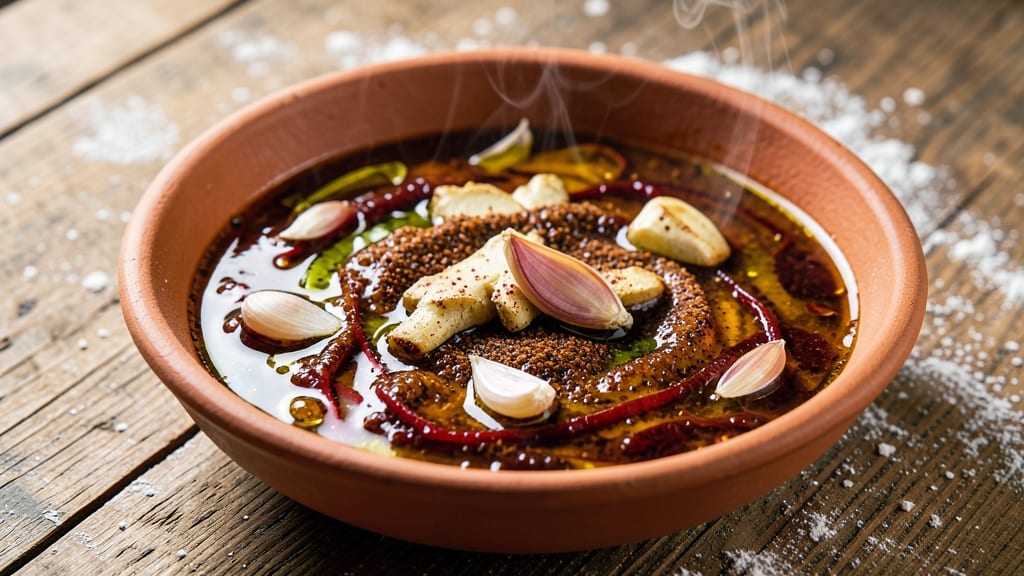
This Ashu sauce recipe brings the bold, complex flavors of Ethiopian and Eritrean cuisine to your table with a smoky chipotle-tamarind fusion that's impossible to resist. The perfect balance of heat, tang, and earthy spices transforms simple dishes into vibrant, restaurant-quality meals.
I developed this version after years of perfecting the technique—each ingredient plays a crucial role in creating that signature depth and brightness.
The sauce's foundation lies in a carefully blended spice mix, where chipotle powder delivers smoky heat while tamarind adds that signature tangy brightness. Traditional Ethiopian berbere spice provides the earthy complexity, and a touch of garlic and ginger rounds out the flavor profile.
The sauce is versatile enough to elevate stews, grilled meats, or even serve as a dipping sauce for injera.
What makes this recipe truly special is its ability to transform ordinary meals into something extraordinary with just a few spoonfuls. The sauce develops richer flavors as it sits, making it perfect for meal prep.
Whether you're serving it alongside traditional Ethiopian dishes or using it as a bold marinade, this sauce will become a staple in your kitchen.
The best part? This sauce keeps beautifully in the refrigerator for up to two weeks, allowing you to enjoy its complex flavors throughout the week. Let's dive into the recipe where every ingredient works together to create something truly remarkable.
Ingredients for ashu sauce
Nine bold ingredients fuse smoky heat, tangy brightness, and earthy depth for this unforgettable sauce.
| Ingredient | Amount | Notes |
|---|---|---|
| Chipotle Powder 🌶️ | 1 ½ tbsp | Smoked, high-quality preferred |
| Tamarind Paste 🍯 | ½ cup | Unadulterated, block preferred |
| Berbere Spice Blend 🌶️ | 1 tbsp | Traditional Ethiopian blend |
| Garlic Cloves 🧄 | 4 cloves | Freshly minced, aromatic |
| Fresh Ginger 🌿 | 1 tbsp | Grated, finely minced |
| Apple Cider Vinegar 🍏 | ¼ cup | Raw, unfiltered preferred |
| Cayenne Pepper 🔥 | ½ tsp | Adjust for heat preference |
| Ground Cumin 🌿 | ½ tsp | Toasted for depth |
| Extra-Virgin Olive Oil 🫒 | ¼ cup | High-quality, fruity |
| Sea Salt 🧂 | 1 tsp | Fine grain, kosher preferred |
The chipotle powder and tamarind paste are non-negotiable—they create that signature smoky-tangy fusion. Penzeys Spices or Ethiopian specialty stores carry the best berbere spice blend, but if you can't find it, mix paprika, cardamom, fenugreek, and coriander in equal parts. For tamarind, block form (available at Asian markets) beats paste—soak, strain, and blend for authentic tang. Fresh ginger and garlic? Roast them lightly before blending—trust me, it deepens the flavor profile. The apple cider vinegar should be raw and unfiltered for that bright acidity that cuts through the richness.
No chipotle powder? Smoked paprika plus a pinch of liquid smoke gets you close, though it won’t be identical. Running low on tamarind? Lemon juice plus a dash of molasses mimics the tang, but the sauce will lack depth. Cayenne is adjustable—start with half and taste as you go. For the olive oil, avoid light or refined oils—you want something peppery and robust. The berbere spice blend is the heart of this sauce, so if you can’t find it, build your own (the recipe’s in the intro!). Prefer less heat? Swap cayenne for red pepper flakes at half the amount.
This sauce develops like fine wine—let it sit at least 24 hours before using for maximum flavor. Store in a glass jar in the fridge for up to 2 weeks, or freeze for 3 months. The flavors meld beautifully over time, making it perfect for meal prep. Double the batch—you’ll want it on everything. For a smoky marinade, mix with olive oil; for a dipping sauce, thin with water. Game-changer ingredient? The tamarind. Must-have tool? A fine-mesh strainer for smooth texture.
Why You'll Love This Recipe
- I’ll be real: this sauce comes together with stuff I already have. Chipotle powder and tamarind paste? That’s a $5 combo from my spice shelf. No last-minute grocery runs—just stir, simmer, and boom—flavor.
- Pantry Magic: I’ll be real: this sauce comes together with stuff I already have. Chipotle powder and tamarind paste? That’s a $5 combo from my spice shelf. No last-minute grocery runs—just stir, simmer, and boom—flavor.
- Tangy Heat Balance: The tamarind gives that bright, almost citrusy punch, while the berbere adds smoky depth. Fresh ginger? Oh, it cuts through everything like a cool breeze after a spicy kick. (Yes, even on a Tuesday night.)
- Dresses Up Everything: Slather it on grilled chicken, toss it with roasted veggies, or use it as a dipping sauce for fries. My kids even ask for it on their plain yogurt—don’t judge.
Step-by-step instructions for smoky chipotle and tangy tamarind fusion
This sauce delivers bold, layered flavors with just 10 minutes of active work.
Bloom the Spices in Olive Oil
Heat the 0.25 cup Extra-Virgin Olive Oil in a medium saucepan over medium-low heat until shimmering but not smoking. Add the 1.5 tbsp Chipotle Powder and 1 tbsp Berbere Spice Blend, stirring constantly for 1-2 minutes until the spices release their aromatic oils and the mixture deepens to a rich, reddish-brown color. This step unlocks their full flavor potential—don't rush it, or you'll burn the spices and turn them bitter.
Next, add the 0.5 tsp Ground Cumin and 0.5 tsp Cayenne Pepper, stirring for another 30 seconds until fragrant. The cumin will toast slightly, adding nutty depth, while the cayenne introduces subtle heat. Watch carefully—once the spices start to darken too much, the sauce will lose its complexity. Remove from heat immediately after the spices are fully incorporated.
Add Aromatics and Vinegar
Return the pan to medium heat and add the 4 cloves Garlic Cloves and 1 tbsp Fresh Ginger, stirring for 1 minute until the garlic turns golden and the ginger softens slightly. You'll smell the garlic mellowing—this is your cue to act quickly before it burns. Add the 0.25 cup Apple Cider Vinegar all at once, scraping up any browned bits from the bottom of the pan with a wooden spoon. These bits are packed with flavor, so don't miss them.
Bring the mixture to a gentle simmer, then reduce heat to low and let it cook for 3-4 minutes until the vinegar's sharpness softens into a tangy sweetness. The sauce should smell complex—smoky, citrusy, and slightly spicy all at once. If it looks too thick at this point, add 1-2 tablespoons of water to loosen it slightly.
Incorporate Tamarind Paste and Finish
Lower the heat to lowest setting and slowly whisk in the 0.5 cup Tamarind Paste, starting with just a spoonful at a time. The tamarind will thicken the sauce dramatically, so go slowly to avoid clumping. Stir continuously for 2-3 minutes until the paste dissolves completely and the sauce becomes glossy and smooth. If it's still grainy, add 1 tablespoon of hot water and whisk vigorously.
Add the 1 tsp Sea Salt and taste immediately—this is your quality control moment. The sauce should balance smoky heat, tangy sweetness, and earthy depth. If it needs more brightness, add a splash of vinegar. If it needs more body, simmer for another minute to reduce slightly. Remove from heat and let it sit for 5 minutes to thicken further—this resting period allows the flavors to meld perfectly.
Adjust Consistency and Store
For a thicker sauce, simmer gently for 2-3 minutes longer until it reaches your desired consistency. For a thinner sauce, whisk in 1-2 tablespoons of water at a time. The perfect Ashu sauce should coat the back of a spoon but still be pourable. Taste again and adjust seasoning—this is where the magic happens.
Transfer the sauce to a clean jar and let it cool to room temperature. It will thicken even more as it cools, so don't be alarmed. Store in the refrigerator for up to 2 weeks or freeze for 3 months. This sauce elevates everything from grilled meats to roasted vegetables—its versatility makes it a kitchen essential.
Pro Tips For Making Ashu Sauce
- Bloom the spices first: Toast your berbere and chipotle powder in a dry pan for 30 seconds—just until fragrant, not browned. This cuts through the bitterness in tamarind and deepens the smoky warmth. (I used to skip this and wondered why my sauce tasted flat.)
- Peel ginger like a pro: Use a spoon to scrape off the ginger’s skin in one smooth motion—no peeling required. Then, slice it thinly against the grain for maximum surface area and flavor extraction when cooking. (Thick chunks? Your sauce will taste underwhelming.)
- Control the tamarind heat: Start with half the tamarind paste called for, simmer it into the sauce, then taste. Adjust to taste—some brands are sour and intense, others mild. (I learned this after ruining a batch with store-brand paste that tasted like vinegar.)
- Simmer, don’t boil: Keep the sauce at a gentle bubble (small, occasional rises) to avoid scorching the garlic or ginger. High heat turns tamarind bitter and burns the berbere’s delicate spices. (Yes, even if you’re impatient like me.)
Regional styles of this dish
Ethiopian Roots
The original Ashu sauce traces back to the highlands of Ethiopia, where it was traditionally made with berbere spice, niter kibbeh (spiced butter), and injera batter.
The smoky chipotle-tamarind fusion we're using today is my modern adaptation that keeps the soul of the original while adding New World flavors. In Ethiopia, this sauce would be served with doro wat (chicken stew) or spread on injera like hummus. 🌍
Eritrean Twist
Eritrean cuisine shares many similarities with Ethiopian, but their version often incorporates more garlic and ginger for a sharper bite. I've leaned into this tradition by using 4 cloves of garlic and 1 tbsp of fresh ginger, which gives the sauce that signature punch.
In Eritrea, you'd often find this sauce paired with tsebhi (spicy beef stew) or ful (split pea stew). The Eritrean approach emphasizes bold, unapologetic flavors—something this recipe delivers perfectly. 🧄
Yemeni Fusion
For a Middle Eastern-inspired twist, I sometimes blend in 1 tsp of ground coriander with the berbere spice, which adds a citrusy brightness that complements the tamarind beautifully. This version works wonderfully with grilled lamb chops or as a marinade for kebabs.
The Yemeni influence brings a softer, more aromatic profile compared to the traditional Ethiopian heat. If you want to experiment, try adding ½ tsp of ground cardamom for an extra layer of complexity. 🌶️
Modern American Adaptation
This fusion version is perfect for home cooks who want to bring global flavors to their table without the need for specialty ingredients. The chipotle powder replaces traditional Ethiopian spices like mitmita (long red chili), while the tamarind stands in for niter kibbeh in terms of tangy richness.
It's the kind of sauce that works equally well on burgers, tacos, or roasted Brussels sprouts—making it a true pantry staple. The beauty of this adaptation is its versatility and approachability. ✨
Spicy vs. Mild
Want to dial down the heat? Swap the 0.5 tsp cayenne pepper for 1 tsp of smoked paprika—it keeps the smoky depth without the burn. For those who love heat, add ½ tsp of crushed red pepper flakes or a pinch of chili powder at the end.
The key is balancing the tamarind's tang with the right amount of spice, so always taste as you go. This sauce is incredibly forgiving, making it perfect for cooks of all levels. 🔥
Vegetarian-Friendly
This sauce is naturally vegetarian and pairs beautifully with plant-based proteins. I love using it as a marinade for tofu or tempeh before grilling, or as a dipping sauce for roasted cauliflower steaks.
The umami-rich berbere and smoky chipotle create a deep, satisfying flavor that even meat lovers will appreciate. For extra richness, stir in 1 tbsp of tahini before serving. 🌱
Nutrition facts
Frequently asked questions
Can I make Ashu sauce without tamarind?
Yes, but the flavor will be less authentic. Substitute 0.25 cup lemon juice + 1 tbsp molasses for the tangy brightness, though it won't replicate tamarind's complex depth. For a closer match, try ½ cup orange juice reduced by half—the acidity helps balance the spices. The sauce will taste more citrus-forward but still pack heat and smokiness.
How spicy is this sauce compared to traditional Ethiopian berbere?
This recipe delivers moderate heat—think "warmth with a kick" rather than full-on fire. Traditional berbere can vary wildly (some versions are mild, others blistering), but our blend uses chipotle powder + cayenne for controlled spice. For extra heat, add ½ tsp crushed red pepper flakes at the end. The tamarind's tang actually helps temper the burn, making it more approachable.
What's the best way to use leftover Ashu sauce?
This sauce keeps beautifully for 2 weeks refrigerated or 3 months frozen, so plan ahead! Use it as a marinade for grilled chicken or lamb, a dipping sauce for fries or veggies, or stir into bean soups/stews for instant depth. For a quick fix, mix 1 tbsp sauce + 2 tbsp olive oil to create a fiery salad dressing. The flavors actually improve with age—let it sit 24 hours before using for maximum impact.
Why did my sauce turn out grainy?
Graininess usually means the tamarind paste didn't dissolve fully. Fix it by whisking in 1 tbsp hot water and simmering for 1-2 minutes longer. For prevention, whisk the tamarind paste into the vinegar first before adding to the pan—this creates a smooth slurry. If using block tamarind, strain it thoroughly after soaking. The sauce should be glossy and smooth when finished, not textured.
Can I make this sauce in a slow cooker?
Combine all ingredients (except salt) in your slow cooker and cook on LOW for 2-3 hours, stirring occasionally. Add the salt at the end. The slow cooker method creates a deeper, more mellow flavor—perfect for meal prep. For extra richness, add 1 tbsp of olive oil at the end. Just remember: the sauce will thicken more during slow cooking, so adjust consistency with water as needed.