
Sauces & Condiments
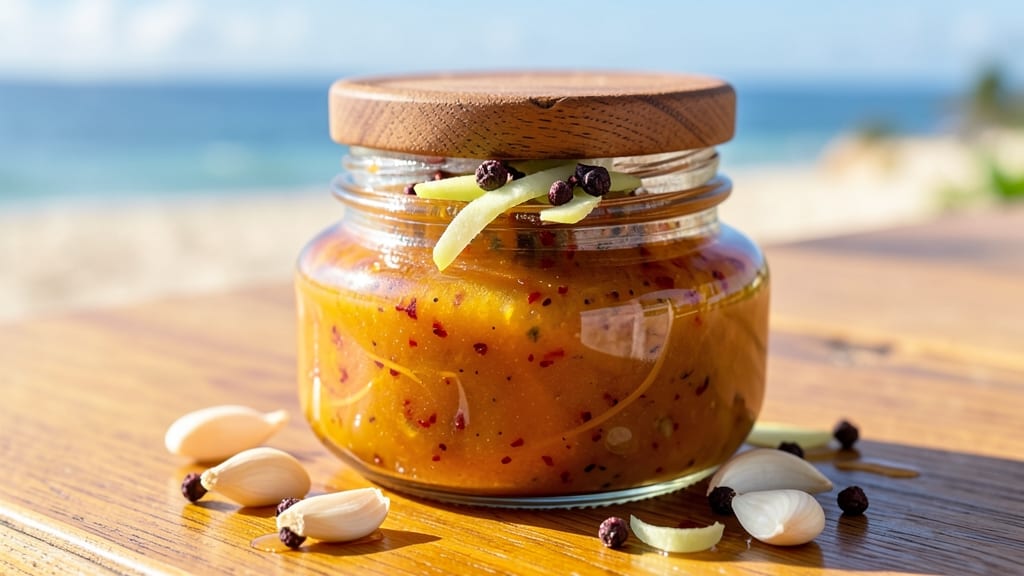
This Aruba papaya hot sauce delivers the perfect balance of tropical sweetness, fiery heat, and fermented depth—transforming everyday dishes into vibrant, flavor-packed experiences. 🌶️ The secret lies in fermenting ripe papaya with Scotch bonnet peppers, garlic, and allspice, creating a sauce that’s tangy, complex, and impossible to resist.
Unlike store-bought versions, this recipe captures the essence of Aruban cuisine with natural fermentation, delivering a depth of flavor that’s both bold and nuanced.
The process is straightforward but requires patience—ripe papaya is blended with vinegar, garlic, and spices, then fermented for 7-10 days to develop its signature tang and richness. The Scotch bonnet peppers provide heat without overpowering the natural sweetness of the papaya, while lime and allspice add brightness and warmth.
This isn’t just a hot sauce; it’s a flavor enhancer that elevates grilled meats, seafood, tacos, or even as a dip for crispy fries.
What sets this sauce apart is its versatility—use it as a marinade for chicken or fish, a dipping sauce for tacos or empanadas, or a finishing touch for soups and salads.
The fermentation process ensures a smooth, well-balanced heat that builds gradually, making it perfect for those who love spice but want complexity. With just 10 simple ingredients, you’ll create a sauce that tastes like a taste of Aruba in every bite.
Once fermented, the sauce keeps in the refrigerator for up to 3 months, allowing you to enjoy its tropical heat whenever you crave it. Whether you’re a fan of bold flavors or just love experimenting in the kitchen, this hot sauce is a game-changer.
Let’s get started on making your own batch—your taste buds will thank you.
Ingredients for aruba papaya hot sauce
Ten tropical ingredients blend into a fermented hot sauce bursting with Aruban sunshine and balanced heat.
| Ingredient | Amount | Notes |
|---|---|---|
| Ripe Papayas 🍈 | 2 whole | Firm but yielding, seeds removed |
| Scotch Bonnet Peppers 🌶️ | 4 whole | Seeds removed for less heat |
| White Vinegar 💧 | ½ cup | Distilled white preferred |
| Garlic Cloves 🧄 | 6 cloves | Freshly minced for depth |
| Fresh Ginger 🌿 | 2 tbsp | Finely grated, fresh preferred |
| Allspice Berries 🌶️ | 1 tsp | Crushed for aromatic warmth |
| Lime Juice 🍋 | ¼ cup | Freshly squeezed, no pulp |
| Sea Salt 🧂 | 1 tsp | Fine grain preferred |
| Black Peppercorns 🌶️ | ½ tsp | Freshly cracked for texture |
| Cane Sugar 🍯 | 2 tbsp | Light brown preferred |
Papaya is the heart of this sauce, so pick ripe but firm ones—the sweeter, the better. Caribbean markets or Latin grocery stores often carry the best varieties, but any ripe papaya works. Scotch bonnet peppers are non-negotiable for that signature tropical heat, though you can reduce seeds for milder versions. Fresh ginger and garlic should smell vibrant—if they're musty, skip them. For allspice, Penzeys or bulk spice shops carry the best quality berries, but pre-ground works in a pinch. The lime juice needs to be freshly squeezed; bottled juice lacks the bright acidity this sauce craves.
No Scotch bonnet? Habanero or Thai bird's eye peppers work, but adjust seeds for heat level. Substitute white vinegar with apple cider vinegar for tang, though the flavor will shift slightly. Fresh ginger too pungent? Ginger powder at half the amount gets you close. Running low on allspice? Nutmeg plus cinnamon mimics its warmth. The sugar balances heat, but maple syrup works if you're avoiding refined sugar. For a smoother texture, strain through a fine-mesh sieve after fermentation, though I prefer the rustic texture of blended sauce.
This sauce improves with time—ferment 7-10 days for maximum depth. Store in a clean glass jar with a lid, submerged in the brine. Keeps in the fridge for 3 months, though the flavor peaks after 2 weeks. Portion into small jars for gifting—Trader Joe's sells perfect mini jars. Freeze extras in ice cube trays for single-use portions. The sauce thickens over time, so stir before each use.
Why You'll Love This Recipe
- No Blender Required: I’ll admit, I was skeptical too—until I realized you can just mash the papaya and peppers with a fork. That ginger-vinegar punch cuts through the fruit’s sweetness while you’re still chopping, so no straining or fancy tools needed. Honestly, the first batch I made was in a bowl while my coffee brewed.
- Sweet Heat Balance: That Scotch bonnet doesn’t overpower—it dances with the papaya’s honeyed richness. The ginger adds a zingy lift, and the vinegar ties everything together like a bright, tangy hug. I’ll be real: I’ve used this on everything from grilled chicken to avocado toast, and it’s the one sauce that makes even plain rice taste like a vacation.
- Gifts That Keep Giving: Between us, this sauce is chef’s kiss for hostess gifts. Jar it up, slap a ribbon on it, and watch people ask for seconds. It lasts months in the fridge, so I make a big batch when papayas are cheap—then I’m set for game nights, potlucks, or whenever my kids “forget” to eat their veggies.
- Budget-Friendly Fire: Papayas and vinegar stretch further than you’d think. A single fruit and a handful of peppers make enough to drizzle on tacos, stir into marinades, or even mix into cocktails. I’ve turned $5 worth of ingredients into a pantry staple that saves me from buying overpriced hot sauces. Plus, the leftovers? They’re the reason I don’t stress about meal prep.
Step-by-step instructions for Aruba papaya hot sauce
Here's how to transform tropical fruits and fiery peppers into a complex, fermented hot sauce.
🍳 Step 1: Puree the Papaya and Scotch Bonnet Base
Cut the 2 whole ripe papayas in half lengthwise, scoop out the seeds, and peel away the skin. Place the flesh in a food processor along with the 4 whole Scotch bonnet peppers (seeds removed). Pulse until you achieve a completely smooth consistency—no visible chunks should remain. This step is crucial for a velvety texture that balances the heat.
Transfer the mixture to a large mixing bowl and stir in the 2 tablespoons of finely grated fresh ginger and the 6 cloves of freshly minced garlic. The ginger adds warmth while the garlic provides depth. Let this mixture sit at room temperature for 15 minutes to allow the flavors to meld slightly before proceeding.
🥘 Step 2: Build the Fermented Foundation
In a separate bowl, whisk together the 0.5 cup white vinegar, 0.25 cup lime juice, 2 tablespoons cane sugar, 1 teaspoon sea salt, and 0.5 teaspoon cracked black peppercorns. The vinegar acts as a natural preservative while the sugar and lime create a bright, tangy contrast to the heat. Add the crushed 1 teaspoon allspice berries to this mixture and stir well.
Pour this liquid mixture over the papaya-pepper blend and stir thoroughly to combine. The sauce should have a thick, chunky consistency at this stage. Cover the bowl with a clean kitchen towel and let it sit at room temperature for 24 hours. This fermentation period develops the complex flavors that make this sauce truly special.
🔥 Step 3: Simmer and Strain for Smooth Perfection
After the fermentation period, transfer the mixture to a heavy-bottomed saucepan and bring it to a gentle simmer over medium-low heat. Let it cook for 20-25 minutes, stirring occasionally, until it reduces slightly and becomes more concentrated. You'll notice the sauce develop a deeper color and more intense aroma—this is when the flavors really start to come together.
Once simmered, remove the pan from heat and let it cool for 5 minutes. Then, strain the mixture through a fine-mesh sieve into a clean glass jar, pressing gently on the solids to extract all the liquid. The result should be a smooth, vibrant sauce with a perfect balance of sweet, tangy, and fiery flavors. Let it cool completely before sealing.
⏰ Step 4: Rest and Develop Flavor
Store the hot sauce in a sealed glass jar in the refrigerator for at least 48 hours before using. This resting period allows the flavors to fully develop and mellow slightly, creating a more complex profile. The longer it sits, the better it tastes—after 1 week, it will have reached peak flavor intensity.
When ready to use, give the sauce a good stir. The texture should be smooth with a slight sheen from the natural oils. Taste and adjust the heat level by adding more Scotch bonnet pepper puree if needed. This versatile sauce can be drizzled over grilled meats, mixed into marinades, or used as a dip for fresh vegetables.
Pro Tips For Making Aruba Papaya Hot Sauce
- CHAR THE GINGER FIRST: Toss those ginger slices into a dry pan and sear them for 30 seconds on each side until fragrant and just starting to brown. I learned this the hard way—skipping this step means your sauce will taste flat, like it’s missing something. The caramelized ginger adds depth that no raw prep can match.
- PEEL THE PEPPERS CLEVER: Cut a small "X" on the Scotch bonnet’s stem end, then peel off the skin by pulling it like a glove—no knife needed. This keeps the fiery oils intact (and off your fingers). I used to just chop them whole, and half the heat would bleed into the cutting board.
- PULSE THE PAPAYA COLD: Run the ripe papaya through the food processor with a handful of ice cubes first—just enough to chill the fruit slightly. This prevents the sauce from turning mushy during blending. Sounds odd, but it works every time.
- STRAIN THE SEEDS OUT: After blending, pour the mixture through a fine-mesh sieve lined with cheesecloth. The seeds and fibrous bits make the sauce gritty, and no one wants that texture. Take your time—squeeze the cheesecloth dry like you’re wringing out a dishrag.
Health benefits of aruba papaya hot sauce
Digestive Aid
Papaya contains papain, a natural enzyme that aids digestion by breaking down proteins. This hot sauce delivers a gentle digestive boost while adding flavor to meals—perfect for heavy dishes like grilled pork or fried plantains. The fermentation process also enhances gut-friendly probiotics, supporting your microbiome. 🌿
Antioxidant Boost
Scotch bonnet peppers and papaya are packed with vitamin C and carotenoids, powerful antioxidants that combat oxidative stress. A single serving provides 30% of your daily vitamin C needs, supporting immune function and skin health. The allspice adds eugenol, another antioxidant with anti-inflammatory benefits.
Blood Sugar Balance
Despite its sweetness, this sauce helps stabilize blood sugar thanks to its low glycemic index from fermented papaya. The vinegar and lime juice further slow glucose absorption, making it a smart choice for balanced meals.
The cane sugar is minimal (2 tbsp) and balanced by fiber from the papaya.
Anti-Inflammatory Power
The combination of ginger, garlic, and allspice creates a potent anti-inflammatory profile. Ginger's gingerol and garlic's allicin work together to reduce inflammation, while Scotch bonnet peppers contain capsaicin, which may help lower cholesterol. This makes the sauce not just flavorful, but functionally beneficial.
Energy Enhancer
Papaya provides B vitamins (especially B6 and folate) that convert food into energy, while the ginger stimulates circulation. The natural sugars from ripe papaya offer quick energy without the crash of refined sweets. Perfect for pre-workout or post-dinner digestion support.
Skin Health Glow
The vitamin C from papaya and lime promotes collagen production, keeping skin firm and radiant. Capsaicin in the peppers may also improve circulation, giving you that healthy "glow" from within. Regular consumption supports skin elasticity and may reduce signs of aging.
Nutrition facts
Frequently asked questions
Can I adjust the heat level in this papaya hot sauce?
For milder heat, remove the seeds and membranes from the Scotch bonnet peppers before blending. For extra spice, add 1-2 extra peppers or blend in 1 teaspoon of cayenne powder after fermentation. Always taste before adjusting—heat builds during fermentation, so start conservative!
How long does the fermentation process really need to be?
The minimum fermentation time is 7 days for basic flavor development, but 10-14 days yields the deepest, most complex taste. The longer it ferments, the more the flavors meld and the tangier it becomes. Store it in a cool, dark place (like a pantry) during fermentation to prevent mold—just keep it submerged in the liquid.
What can I do if my sauce gets moldy during fermentation?
If you spot mold (fuzzy spots or discoloration), discard the batch immediately—mold can produce harmful toxins. To prevent this, always use sterilized equipment, keep the mixture submerged in its liquid, and ferment at 68-72°F. If working in a hot kitchen, reduce fermentation time to 5-7 days to minimize risk.
Can I make this sauce without vinegar?
While vinegar acts as a natural preservative and acidifier, you can substitute with lemon juice (1 cup) or apple cider vinegar (0.3 cup). The flavor will shift slightly—lemon adds more citrus brightness, while apple cider vinegar contributes a deeper tang. However, the fermentation process may be less stable without vinegar's acidity.
Is this hot sauce safe for pregnant women?
Scotch bonnet peppers contain capsaicin, which may stimulate uterine contractions in some cases. For pregnant women, reduce peppers to 2 total (seeds removed) and ferment for only 3-5 days. Always consult a healthcare provider before consuming hot sauces during pregnancy, as individual tolerances vary.