
Sauces & Condiments
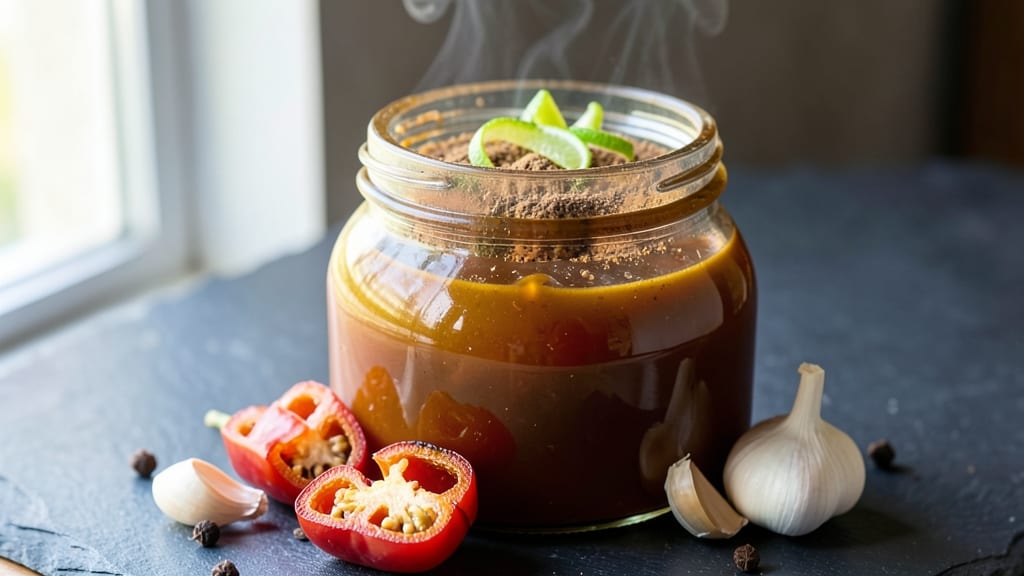
This Aruba hot sauce recipe brings the bold, fiery spirit of the Caribbean straight to your kitchen in less than 30 minutes. The secret lies in Scotch bonnet peppers—Aruba’s signature ingredient—for that signature heat, balanced by tangy lime and a touch of allspice for depth.
I developed this recipe after tasting authentic versions at local restaurantes on the island, where the sauce transforms everything from grilled fish to fried plantains.
The process is straightforward but precise: blend roasted peppers, garlic, and vinegar into a smooth base, then simmer with lime juice and spices until the flavors meld.
The key is controlling the heat—adjust pepper quantity based on your tolerance, but start with one Scotch bonnet per cup of sauce for a manageable burn. This sauce isn’t just spicy; it’s aromatic, with smoky undertones from the peppers and a bright citrus finish that cuts through richness.
What you’ll end up with is a vibrant, glossy sauce that adds Caribbean flair to tacos, seafood, or even cocktails. The heat builds gradually, rewarding patience with layers of flavor—fruity, smoky, and undeniably bold.
Store it in the fridge for up to 3 months, where the flavors deepen over time. Ready to elevate your meals with a taste of Aruba? Let’s get started.
For those who love customization, swap in habanero for extra heat or add a splash of dark rum for complexity. This sauce is versatile enough for everyday cooking but special enough to impress guests.
The balance of acidity, spice, and sweetness makes it a standout condiment that pairs perfectly with grilled meats, roasted vegetables, or even as a marinade.
Ingredients for aruba hot sauce
Caribbean heat in a bottle—just 10 ingredients for bold, smoky, tangy sauce.
| Ingredient | Amount | Notes |
|---|---|---|
| Scotch Bonnet Peppers 🌶️ | 2 whole | Seeds removed for milder heat |
| White Vinegar 💧 | 1 cup | White or apple cider vinegar |
| Fresh Garlic Cloves 🧄 | 4 cloves | Roughly chopped, not minced |
| Fresh Lime Juice 🍋 | ½ cup | Strained, no pulp |
| Allspice Berries 🌿 | 1 tsp | Crushed lightly with mortar/pestle |
| Ground Cumin 🌿 | ½ tsp | Toasted for deeper flavor |
| Granulated Sugar 🍚 | 1 tbsp | Balances acidity and heat |
| Sea Salt 🧂 | ½ tsp | Diamond Crystal preferred |
| Olive Oil 🫒 | 1 tbsp | For glossy finish |
| Dark Brown Sugar 🍚 | 1 tbsp | Adds caramelized depth |
Scotch bonnets are the heart of this sauce, so don't skimp. Local Caribbean markets or well-stocked Latin grocery stores usually carry them fresh. If you can't find them, habaneros work in a pinch (use half the amount for similar heat). Roast the peppers whole over an open flame or under a broiler until charred—this brings out their smoky depth. For allspice, Penzeys has the best whole berries, but ground works too if you're in a hurry. The vinegar should be white or apple cider—avoid balsamic as it'll overpower the bright citrus notes.
No Scotch bonnets? Habaneros or Thai bird's eye peppers will give you similar heat, though with a slightly different fruity profile. Swap white vinegar for apple cider vinegar if you prefer a sweeter base, but reduce the sugar by half. The lime juice is non-negotiable—fresh is best, but bottled works in a bind. For extra complexity, add a splash of dark rum (1 tbsp) to the finished sauce and let it sit overnight. If you're sensitive to heat, remove the pepper seeds before roasting. The garlic should be roughly chopped, not minced—this prevents bitterness in the final sauce.
This sauce gets better with age—store it in a clean glass jar in the fridge for up to 3 months. The flavors meld beautifully over time, developing deeper smoky and citrus notes. For long-term storage, freeze in ice cube trays—perfect for single-use portions. The sauce thickens as it cools, so give it a quick stir before using. Trust me, the first time you drizzle this over grilled shrimp or fried plantains, you'll want to make a double batch. It's that good.
Why You'll Love This Recipe
- No Chopping Chaos: This sauce only needs mincing garlic and slicing peppers—no dicing, no julienning, no stress. I’ve made it while chatting on the phone, and the only mess is the good kind (the kind that smells amazing).
- Scorch-Fire Balance: That Scotch bonnet brings the heat, but the allspice berries and lime juice soften it into something complex—not just burn, but depth. Honestly, the first time I tasted it, I poured it on everything just to test it.
- Pantry to Party: It’s my secret weapon for tacos, grilled fish, or even drizzled on deviled eggs at brunch. Between us, I’ve used the last jar on pizza crusts (yes, really), and it never disappoints.
- Lasts Like a Champ: A single batch keeps for months in the fridge, and the flavor only gets better as the vinegar mellows. I make a big batch once, then give it away as gifts—people think I’m fancy, but it’s just smart planning.
Step-by-step instructions for Aruba hot sauce
This Caribbean-inspired hot sauce comes together fast but packs serious flavor—let's make it.
Prep the Scotch Bonnet Peppers
Put on gloves—Scotch Bonnet peppers are fiery! Carefully cut each pepper in half lengthwise, then use a spoon to scrape out all the seeds and membranes. This step reduces the heat while keeping the fruity depth. If you want extra mildness, remove the white pith too. Place the pepper halves in a blender or food processor.
Here's the thing—Scotch Bonnet peppers contain capsaicin, which causes the burn. Removing seeds and membranes significantly reduces the heat while preserving the tropical fruit notes that make this sauce special. Don't skip this step if you're sensitive to spice, but leave the seeds in for authentic Aruban heat.
Blend All Ingredients Together
Add the 4 cloves roughly chopped fresh garlic cloves, 1 tsp crushed allspice berries, 0.5 tsp toasted ground cumin, 1 tbsp granulated sugar, 0.5 tsp sea salt, and 0.5 cup strained fresh lime juice to the blender. Pulse until everything is finely chopped but not completely smooth—you want some texture. With the blender running, slowly pour in the 1 cup white vinegar and 1 tbsp olive oil.
The vinegar acts as both a preservative and flavor carrier, while the olive oil adds richness and helps distribute the heat evenly. The lime juice brightens the whole sauce, cutting through the spice and balancing the acidity. Pulse just until combined—over-blending can make the sauce too smooth and lose some of its character.
Simmer for Depth of Flavor
Transfer the blended mixture to a small saucepan and bring to a gentle simmer over medium-low heat. Add the 1 tbsp dark brown sugar and stir to dissolve. Let it simmer uncovered for 15-20 minutes, stirring occasionally, until it thickens slightly and the flavors meld together. You're looking for a sauce that coats the back of a spoon but isn't syrupy.
This simmering step develops the sauce's complexity. The sugars caramelize just slightly, adding depth, while the heat helps extract more flavor from the spices. Don't walk away—stir every few minutes to prevent sticking. The sauce should reduce by about 10-15%—it's ready when it smells aromatic and looks glossy.
Strain and Bottle
Let the sauce cool slightly, then strain it through a fine-mesh sieve into a clean jar or bottle. Press on the solids with a spoon to extract all the liquid. The strained sauce will be smoother and more refined. Seal the jar and let it cool completely to room temperature before refrigerating.
This straining step removes any remaining pepper skins or allspice bits that might make the sauce too fibrous. The sauce will continue to mellow in flavor over the next 24 hours, so make it a day ahead if possible. Store in the refrigerator for up to 2 weeks or process in a water bath for longer shelf life.
Adjust and Use
Taste the cooled sauce and adjust the seasoning if needed. You might want to add a pinch more sea salt or granulated sugar to balance the heat and acidity. This Caribbean hot sauce works beautifully on grilled meats, seafood, or even drizzled over fresh fruit like mango slices.
Remember, the heat will mellow slightly over time as the capsaicin disperses. Start with small amounts—this sauce is potent! For a milder version, reduce the pepper quantity next time. For extra heat, leave the seeds in or add a dash of cayenne pepper. Enjoy your homemade Aruban hot sauce!
Pro Tips For Making Aruba Hot Sauce
- CHAR THE PEPPERS LOW: Scotch Bonnets burn fast—simmer them in vinegar at a gentle boil, not a rolling one. I learned this the hard way when my first batch turned bitter from scorched peppers. Keep the heat at medium-low and stir occasionally to distribute the heat evenly.
- SMASH THE GARLIC: Peel and crush the garlic cloves with the flat side of your knife before adding them. This releases more flavor and prevents clumps that won’t break down. (Yes, even if you’re impatient like me—just do it.)
- STRAIN THE ALLSPICE: Crush the allspice berries between your palms before adding them, but strain the sauce afterward. Whole berries left in make it gritty, and no one wants to bite into a seed while eating their hot sauce. A fine-mesh sieve does the job cleanly.
- LET IT REST 24 HOURS: Don’t rush the aging—let the sauce sit at room temperature for a full day before tasting. The flavors meld, the heat mellows, and the vinegar’s sharpness softens. I skipped this once and regretted it; the second batch was noticeably better.
Wine and beer pairings for this dish
Caribbean Cocktail Pairings
This hot sauce shines in rum-based cocktails like the classic Aruba Rum Punch. Mix 2 oz dark rum (like Diplomático Reserva Exclusiva) with 1 oz hot sauce, ½ oz lime juice, and a splash of ginger beer.
The sauce's smoky depth complements the rum's caramel notes beautifully. 🍹 For a non-alcoholic twist, stir 1 oz hot sauce into pineapple juice with a dash of Angostura bitters—it’s like a spicy Caribbean sunset in a glass.
Beer Pairings
Light, crisp Mexican lagers like Modelo Especial or Pacifico cut through the sauce’s heat while letting its fruity pepper notes stand out. The beer’s clean finish balances the sauce’s acidity.
For a bolder match, try a Belgian witbier (like Hoegaarden)—its coriander and citrus notes echo the lime and allspice in the sauce. Avoid heavy stouts or IPAs, which can overpower the delicate flavors.
Wine Complements
A dry Riesling from Germany or California is my go-to wine pairing. Its bright acidity and subtle mineral notes mirror the sauce’s tangy, citrusy profile while standing up to the heat.
For red wine lovers, a Pinot Noir with earthy undertones (like Oregon Willamette Valley) pairs surprisingly well—the sauce’s smokiness enhances the wine’s dark fruit flavors. Serve both chilled for the best contrast.
Unexpected Pairings
Don’t limit this sauce to savory dishes! Drizzle it over grilled pineapple or mango salsa for a sweet-spicy contrast that’s pure Aruban inspiration. It also elevates cheese boards—try it with aged cheddar or goat cheese for a bold, tangy kick.
Even ice cream (like vanilla or coconut) becomes a dessert sensation when a few drops of this sauce are swirled in. 🍍
Beverage Boosts
Add a splash of hot sauce to mojitos or caipirinhas for a fiery twist. The lime in the sauce amplifies the cocktail’s citrus, while the heat adds an unexpected layer.
For a savory sipper, mix 1 oz hot sauce with 4 oz sparkling water and a pinch of sea salt—it’s like a Caribbean spa water with a kick. Pro tip: Chill the sauce before adding it to drinks to prevent overheating your beverage.
Nutrition facts
Frequently asked questions
Why does this Aruba hot sauce need Scotch bonnet peppers?
Scotch bonnet peppers are the signature ingredient of Caribbean cuisine, offering a unique balance of fruity sweetness and intense heat. Their flavor profile is more complex than jalapeños—think tropical fruit with a smoky undertone. The peppers also contain capsaicin, which gives the sauce its signature fiery kick while adding depth that vinegar and citrus alone can't match.
Can I make this sauce without allspice?
Yes, but you'll lose some of the authentic Caribbean warmth. Substitute with ½ tsp ground cinnamon or ¼ tsp nutmeg for similar spice notes, though allspice's unique peppery-sweet flavor is irreplaceable. If you're avoiding spices entirely, increase the cumin to 1 tsp to maintain earthy depth.
How do I adjust the heat level?
For milder heat, remove all seeds and membranes from the peppers before blending. For extra spice, leave seeds in or add ½ tsp cayenne pepper to the simmering sauce. Remember: heat builds gradually—start with small amounts when tasting. The sauce will mellow slightly over time as the capsaicin disperses.
Can I use this sauce in marinades?
This sauce makes an excellent marinade for grilled meats and seafood. Use ¼ cup per pound of protein, reserving some for basting. The acidity in the vinegar helps tenderize while the spices add flavor. Marinate for no more than 2 hours (or 1 hour for seafood) to prevent overcooking.
What's the best way to store leftover sauce?
Store in a clean glass jar in the refrigerator for up to 3 months. For longer storage, freeze in ice cube trays—perfect for single-use portions. The sauce will thicken slightly when cold, so give it a quick stir before using. The flavors actually improve with age, developing deeper smoky notes over time.