
Sauces & Condiments
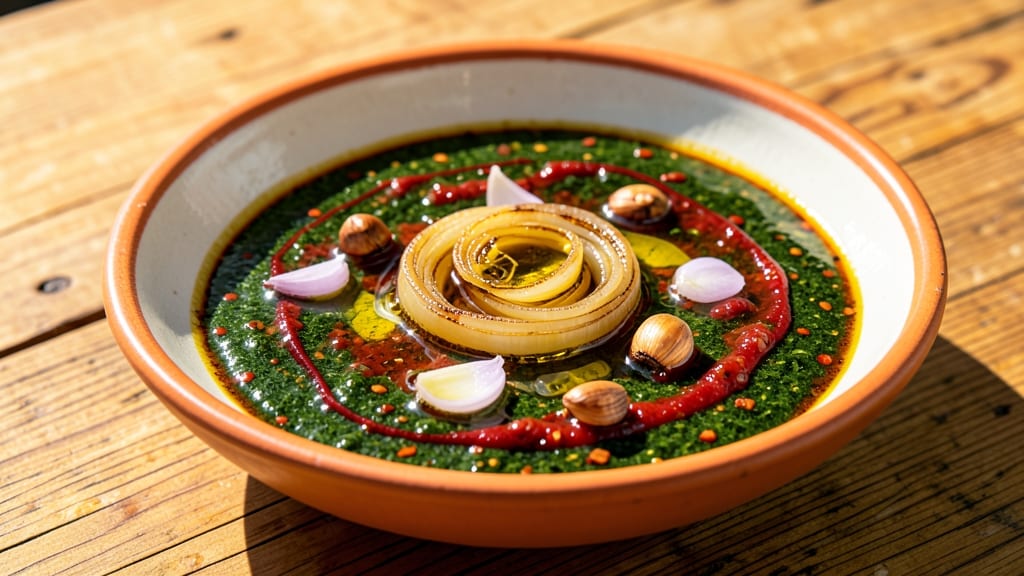
This árbol chile sauce recipe transforms simple ingredients into a smoky, fiery condiment that brings bold heat to every dish. 🌶️ The árbol chile—a small but mighty pepper—delivers a deep, earthy flavor that simmers into a velvety sauce with just the right balance of spice and tang.
Perfect for tacos, eggs, or grilled meats, this sauce is a game-changer in any kitchen, elevating even the simplest meal to restaurant-quality.
The secret lies in slow-cooking the chiles with aromatics until their flavors meld into a rich, aromatic base. Tomatoes add depth, while garlic and onion build layers of complexity, ensuring the sauce isn’t just spicy but full of character.
Unlike store-bought versions, this recipe lets you control the heat—adjusting to your preference with a splash of vinegar or extra chiles for intensity.
What you’ll end up with is a smooth, versatile sauce that clings to food beautifully, adding a smoky kick without overpowering. The best part? It keeps well in the fridge for up to a week, so you can make a batch ahead and enjoy it all week long.
Whether you’re drizzling it over breakfast tacos or tossing it with grilled chicken, this sauce is a must-have for spice lovers.
Ready to make it? The process is straightforward—simmer, blend, and taste—but the results are anything but basic. Let’s get cooking!
Ingredients for arbol chile sauce
Nine ingredients. One smoky, fiery sauce that transforms every dish.
| Ingredient | Amount | Notes |
|---|---|---|
| Árbol Chile Peppers 🌶️ | ½ lb | Dried, stems removed |
| Medium Onion 🧅 | 1 whole | Yellow or white, chopped |
| Garlic Cloves 🧄 | 6 cloves | Peeled, roughly chopped |
| Roma Tomatoes 🍅 | 4 whole | San Marzano preferred, halved |
| Extra-Virgin Olive Oil 🫒 | ½ cup | For richness and depth |
| Apple Cider Vinegar 🍏 | 2 tbsp | Balances heat and tang |
| Salt 🧂 | 1 tsp | Kosher or sea salt |
| Ground Black Pepper 🌶️ | ½ tsp | Freshly ground preferred |
| Cumin Seeds 🌿 | 1 tsp | Toasted for aroma |
| Bay Leaves 🍃 | 2 whole | Fresh or dried |
The árbol chiles are the heart of this sauce. Look for dried árbol chiles at Latin markets or specialty stores—they’re smaller than chipotles but pack serious heat. If you can’t find them, guajillo or pasilla chiles work in a pinch (remove seeds for less heat). Toast the chiles in a dry skillet for 30 seconds per side before soaking—they’ll release their deep, smoky aroma. For the tomatoes, San Marzano is ideal (less watery, sweeter), but any ripe Roma will do. The onion and garlic? Sauté them low and slow—they’re the flavor foundation here.
No árbol chiles? Substitute chipotle peppers in adobo sauce (adjust to taste), or use cayenne pepper (start with 1/4 tsp). Want more depth? Add a pinch of smoked paprika or a splash of beef broth for umami. The vinegar is key—it brightens the sauce and cuts through the heat. Don’t skip the cumin seeds; toast them in the same skillet as the chiles for maximum flavor. If you’re short on time, ground cumin works (use half the amount). The bay leaves add earthiness but can be omitted if you’re in a hurry.
This sauce tastes even better the next day as the flavors meld. Store it in a glass jar in the fridge for up to 1 week, or freeze for 3 months in ice cube trays for single-serving portions. Thin with water or broth if it gets too thick. Pro tip: Strain out the bay leaves before blending for a silky texture. Leftovers make amazing tacos, grilled fish, or even a spicy mayo for sandwiches.
Why You'll Love This Recipe
- No-Chop Night Ready: I swear by this when I’m too tired to slice anything—just blitz the árbol chiles, onion, and tomatoes raw in a food processor, then hit them with olive oil and garlic. Fifteen minutes, no knife skills required.
- Smoky Heat Magic: That árbol chile packs a punch, but it’s not just about the burn—it’s the way the charred peppers blend with caramelized onions and garlic into something deep, almost smoky. The tomatoes soften into a velvety base that makes it feel like a restaurant sauce, not just a quick fix.
- Pantry Staple Power: Honestly, I’ve used this on everything from scrambled eggs to roasted potatoes, and it never lets me down. The base is so simple, but it transforms whatever you toss it into—like a secret weapon for lazy nights when you’re craving something bold.
- Stays Fresh, Saves Money: Make a big batch and store it in the fridge for up to a week. It’s cheap to boot—árbol chiles are affordable, and the other ingredients are basics you likely already have. Plus, it freezes like a dream for when you need a fast flavor boost later.
Step-by-step instructions for arbol chile sauce
Transform these simple ingredients into a complex, smoky sauce that brings bold heat to any dish.
🔥 Step 1: Toast the Árbol Chile Peppers and Cumin Seeds
Heat a dry skillet over medium heat and add the 0.5 lb Árbol Chile Peppers (stems removed) along with the 1 tsp Cumin Seeds. Toast for 3-4 minutes, stirring constantly, until the peppers darken slightly and release an intense aroma. You'll see smoke rise—this is where the deep, smoky flavor develops. Remove from heat immediately to prevent burning.
Here's the thing—don't rush this step. The peppers need to char just enough to unlock their smoky potential without turning bitter. Once toasted, transfer them to a bowl and cover with 1 cup hot water from the kettle. Let them soak for 15 minutes while you prep the rest of the ingredients. This rehydration step makes them easier to blend later.
👨🍳 Step 2: Sauté the Onion and Garlic
In the same skillet (no need to clean it—the toasted pepper bits add flavor), heat 0.25 cup Extra-Virgin Olive Oil over medium heat. Add the 1 whole Medium Onion (chopped) and cook for 5-6 minutes until softened and golden around the edges. You're looking for caramelization here—when the onion turns translucent with some brown spots.
Add the 6 cloves Garlic Cloves (roughly chopped) and cook for another 1 minute until fragrant. Be careful not to let the garlic burn—it should smell amazing but not bitter. Here's where the sauce builds its aromatic foundation. Add the 2 whole Bay Leaves now and stir for 10 seconds to infuse their earthy flavor.
🍳 Step 3: Cook the Tomatoes and Build the Base
Add the 4 whole Roma Tomatoes (halved) to the skillet and cook for 8-10 minutes over medium-low heat, stirring occasionally. The tomatoes should break down into a chunky sauce, releasing their juices. You'll know it's ready when they've softened and the mixture reduces slightly—about ½ cup in volume.
Now add the remaining 0.25 cup Extra-Virgin Olive Oil, 2 tbsp Apple Cider Vinegar, 1 tsp Salt, and 0.5 tsp Ground Black Pepper. Stir well and let the mixture simmer for 3-4 minutes until the vinegar mellows out its sharpness and the flavors meld together. You'll smell that perfect balance of smoky, tangy, and slightly sweet.
🥘 Step 4: Blend to Silky Perfection
Drain the rehydrated peppers (reserve the soaking liquid if you want an even smoother sauce) and transfer everything to a blender. Add the 1 cup hot water from earlier (or more if needed) and blend until completely smooth. You might need to scrape down the sides once or twice—this sauce should be velvety, not chunky.
Taste and adjust seasoning if needed. I usually add a pinch more salt or a splash of vinegar to balance the heat. The sauce should be vibrant red with deep smoky notes. If it's too thick, thin with a little water or reserved pepper soaking liquid. If it's too thin, simmer uncovered for 5-10 minutes to reduce.
⏰ Step 5: Simmer and Finish
Return the blended sauce to a clean saucepan and simmer over low heat for 15-20 minutes, stirring occasionally. This slow cook helps deepen the flavors and creates that perfect smoky depth. You'll notice the sauce darkens slightly and becomes even more aromatic. Strain through a fine-mesh sieve if you prefer a completely smooth texture, or leave it slightly textured for more complexity.
Let the sauce cool to room temperature before storing. It keeps beautifully in the refrigerator for up to 2 weeks or can be frozen for 3 months. This versatile sauce works wonders on tacos, grilled meats, roasted vegetables, or even drizzled over avocado toast. The heat builds gradually—perfect for those who love smoky, complex flavors without overwhelming spice.
Pro Tips For Making Arbol Chile Sauce
- Char the Peppers Properly: Árbol chilies pack a punch, but their flavor explodes when you char them—don’t just blanch them. Toss whole peppers directly into a dry, screaming-hot skillet (no oil) and let them blacken in spots (about 2–3 minutes per side). The smoky bitterness cuts through the heat and makes the sauce taste deeper. I learned this the hard way—undercooked peppers leave you with a one-dimensional sauce.
- Peel and Seed Tomatoes Like a Pro: Roma tomatoes are the stars here, but their skins can turn the sauce into a sludgy mess. Score an X on the bottom, blanch in boiling water for 30 seconds, then ice bath—skins slip off effortlessly. Once peeled, crush them by hand (no food processor) for a slightly chunky texture that keeps the sauce from turning into paste. I skip this step sometimes, and the sauce loses that bright, fresh edge.
- Sweat, Don’t Burn, the Aromatics: Low and slow is the name of the game for onion and garlic—no rushing. Cook them in olive oil over medium-low heat until the onion is translucent and the garlic’s edges just start to turn golden (about 8–10 minutes). Burned garlic turns bitter, and overcooked onions taste flat. Sounds boring, but it’s the thing that matters most for a balanced sauce.
- Finish with a Splash of Acid: The sauce needs a little brightness to cut through the chile’s heat. Stir in 1–2 tablespoons of vinegar (apple cider or white) or the juice of half a lime at the end—just before serving. It’s not traditional, but it makes a real difference, especially if you’re using store-bought tomatoes that lack freshness. I was skeptical until I tried it, and now I can’t go back.
Essential equipment for this dish
Skillet Essentials
Start with a heavy-bottomed stainless steel skillet like the All-Clad Stainless or Calphalon—they distribute heat evenly, preventing hot spots that can burn your sauce. A 10-inch skillet works perfectly for this recipe, giving enough surface area for the onions and tomatoes to caramelize without crowding.
I’ve found that cast iron (like a Lodge 10.25-inch) also works beautifully, especially if you’re making this sauce regularly—the seasoned surface adds subtle depth to the flavor. 🔥
Blender Powerhouse
For silky-smooth results, use a high-powered blender like the Vitamix 5200 or Ninja BN601. These handle the fibrous árbol chiles and tomatoes effortlessly, creating a velvety texture without straining.
If you’re using a standard blender, pulse in batches and scrape down the sides frequently—this sauce is thick and can overwhelm less powerful motors. A fine-mesh sieve (like the OXO Good Grips) is also handy for straining out seeds or bay leaves if you prefer a completely smooth finish.
Heat Control Tools
Precision is key when toasting the chiles and simmering the sauce. A digital thermometer (I swear by the ThermoWorks Thermapen) ensures your skillet stays at medium heat (around 325°F)—too hot, and the chiles burn; too cool, and they won’t develop that smoky aroma.
For the simmering step, keep the heat at low (around 200°F) to let the flavors meld without reducing too quickly. A kitchen timer (like the OXO Good Grips) keeps you on track for the 15-20 minute simmer without burning the sauce.
Storage Containers
Store your sauce in glass jars with airtight lids—I recommend Le Parfait 16-ounce jars for fridge storage or Ball Mason jars for freezing. Glass preserves the sauce’s vibrant color and prevents absorption of odors from plastic.
For freezing, portion the sauce into ice cube trays (like the Nordic Ware) and transfer the cubes to a freezer bag—this makes it easy to thaw just what you need.
Label everything with the date to track freshness, as homemade sauce tastes best within 2 weeks in the fridge or 3 months in the freezer. ❄️
Optional Extras
Want to take your sauce to the next level? A mortar and pestle (like the Cuisinart 3-Cup) lets you grind toasted cumin seeds into a finer powder for deeper flavor.
For serving, a small squeeze bottle (such as the OXO Good Grips) makes it easy to drizzle the sauce over tacos or grilled meats without making a mess. If you’re feeling fancy, a fine-mesh tamis strainer (like the KitchenAid) helps achieve that ultra-smooth texture for restaurant-quality results.
Nutrition facts
Frequently asked questions about Árbol chile sauce
Can I use árbol chiles from the grocery store?
Yes, but look for dried árbol chiles specifically—they're smaller and hotter than chipotles. If your store only carries chipotles in adobo, you can substitute (about 2-3 chipotles = 0.5 lb árbol chiles), but the flavor will be slightly different. For best results, find árbol chiles at Latin markets or online specialty stores.
How do I adjust the heat level?
Start with all the seeds removed for mild heat, or keep some seeds for extra spice. For more control, blend half the sauce first, taste it, then add more chiles to the remaining mixture. A splash of apple cider vinegar (up to 1 tbsp) also helps balance the heat while adding tang.
What's the best way to use this sauce?
This versatile sauce works beautifully on tacos, grilled meats, roasted vegetables, or even as a dip for chips. Try drizzling it over scrambled eggs for breakfast or mixing it into mayonnaise for a spicy condiment. The smoky depth pairs especially well with beef or pork dishes.
Can I make this sauce without a blender?
For a chunkier texture, simply mash the cooked ingredients with a potato masher or fork. If you want smoother results, use an immersion blender directly in the saucepan. The sauce will still be delicious—just with more texture from the tomatoes and peppers.
Why does my sauce taste bitter?
Bitterness usually comes from over-toasting the chiles or burning the garlic. Next time, toast the chiles just until fragrant (about 3-4 minutes) and remove them immediately. For the garlic, keep it moving in the pan and remove it as soon as it's fragrant. A splash of vinegar or a pinch of sugar can also help balance any bitterness.