
Sauces & Condiments
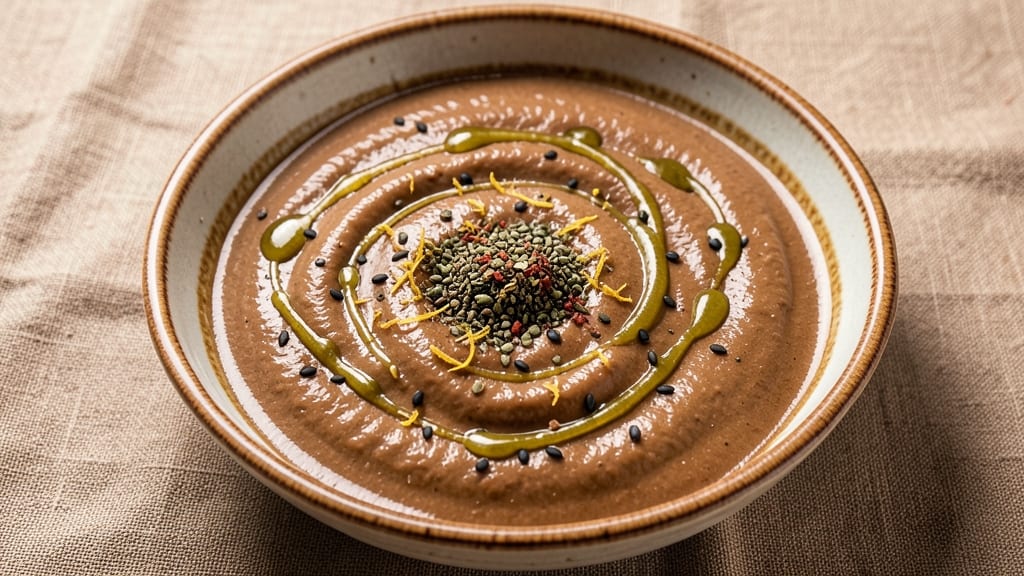
This Arabic sauce recipe transforms simple ingredients into a smoky, nutty masterpiece that elevates everything from grilled meats to fresh bread.
The marriage of za’atar and tahini creates a bold, aromatic sauce with a perfect balance of earthy, tangy, and slightly spicy notes—ideal for dipping, drizzling, or spooning over your favorite dishes. What sets this apart is the slow-toasted sesame oil, which adds depth and richness that store-bought versions can’t match.
The foundation of this sauce lies in its three essential components: tahini for creaminess, za’atar for that signature Middle Eastern flavor, and lemon for brightness. I’ve perfected the technique to avoid bitterness while amplifying the nutty, herby essence of the spices.
Unlike many tahini sauces that rely on raw garlic, this version uses garlic-infused oil for a milder, more approachable flavor—without sacrificing depth.
Once mixed, this sauce delivers restaurant-quality results with minimal effort. The texture is velvety yet not overly thick, clinging beautifully to grilled lamb, falafel, or even roasted vegetables.
It also doubles as a dipping sauce for warm pita or a finishing drizzle for salads, adding a luxurious touch that feels both authentic and innovative.
Best of all, it keeps well in the fridge for up to a week, making it a versatile pantry staple. Whether you’re hosting a dinner party or simply craving a taste of the Mediterranean, this sauce is your secret weapon for adding authentic, complex flavor to any meal.
Ingredients for arabic sauce
Eight simple yet transformative ingredients for a sauce that tastes like a trip to the Mediterranean.
| Ingredient | Amount | Notes |
|---|---|---|
| Tahini 🥜 | ½ cup | High-quality, sesame-based paste |
| Za’atar Spice Blend 🌿 | 3 tbsp | Authentic Middle Eastern mix |
| Extra-Virgin Olive Oil 🫒 | ½ cup | For blending and drizzling |
| Garlic-Infused Olive Oil 🧄 | ¼ cup | Mild, aromatic flavor base |
| Fresh Lemon Juice 🍋 | 2 tbsp | Brightens and balances flavors |
| Toasted Sesame Oil 🫒 | 1 tbsp | Slow-toasted for deep aroma |
| Water 💧 | ¼ cup | Adjusts consistency as needed |
| Salt 🧂 | ½ tsp | Fine sea salt preferred |
The tahini is non-negotiable—Kirkland Signature or Whole Foods 365 are my go-tos for that rich, nutty base. Za’atar varies wildly in quality, so look for brands like Bazaar or Spicewalla if you can find them; otherwise, the bulk bins at Middle Eastern markets are your best bet. The garlic-infused oil is where this sauce gets its magic—make it fresh by simmering minced garlic in olive oil for 10 minutes to mellow the raw bite. Toast your sesame oil low and slow (just until fragrant) for that authentic smoky depth that separates this from store-bought versions.
No tahini? Substitute with equal parts peanut butter or almond butter, though the flavor will shift slightly. Short on za’atar? Mix equal parts dried thyme, sumac, and sesame seeds for a DIY version. The lemon juice can be bottled, but freshly squeezed is always better—the acidity cuts through the richness beautifully. For a smoother texture, blend with a splash more water; for thickness, reduce slightly. And if you're feeling adventurous, add a pinch of smoked paprika for extra complexity.
This sauce keeps beautifully in an airtight jar for up to 1 week in the fridge, with the flavors actually deepening over time. For longer storage, freeze in ice cube trays—perfect for single-use portions. The garlic-infused oil can be made ahead and stored separately for 2 weeks in the fridge. Pro tip: Save the leftover za’atar in a small jar for future dips or sprinkle it over yogurt—it’s that versatile.
Why You'll Love This Recipe
- No-Fuss Whisking: I swear, this sauce comes together in under 10 minutes—just stir tahini, za’atar, and a splash of lemon. The garlic-infused oil does all the heavy lifting while I’m still gathering ingredients.
- Earthy & Bright: That first bite of za’atar’s sesame-nutty punch, followed by lemon’s zing and tahini’s creaminess? It’s the kind of flavor that makes you pause mid-bite, even if the sauce itself looks humble.
- Dresses Everything: Drizzle it over grilled chicken, toss it with roasted veggies, or slather it on fresh flatbread—it’s my go-to for weeknights and potlucks alike. Honestly, I’ve used it in everything from salads to scrambled eggs.
- Pantry Goldmine: A jar of tahini and a spice blend last me months, and this sauce keeps for a week in the fridge. Between us, I make a double batch every time so I’m not scrambling later—it’s my secret for stress-free meals.
Step-by-step instructions for smoky za’atar and tahini swirl
This sauce comes together in minutes with just a whisk and a little patience.
Whisk Tahini and Olive Oils Smoothly
In a medium bowl, combine the 0.5 cup tahini with the 0.5 cup extra-virgin olive oil and 0.25 cup garlic-infused olive oil. Using a whisk, stir vigorously for 2-3 minutes until completely smooth and free of any graininess. The mixture should look like a thick, velvety paste with no streaks of tahini remaining.
I like to work in small batches here—tahini can be stubborn about blending. If the mixture feels too thick, add 1 tablespoon of water at a time until it reaches a pourable consistency. The sauce should coat the back of a spoon but still flow freely when drizzled. This is your base, so take your time to get it right.
Incorporate Za’atar and Toasted Sesame Oil
Add the 3 tablespoons za’atar spice blend and 1 tablespoon toasted sesame oil to the tahini mixture. Whisk continuously for another 1-2 minutes until the za’atar is fully dissolved and the oil is evenly distributed. You'll notice the color deepen slightly and a warm, earthy aroma fill the air—that's the signature za’atar flavor coming through.
Here's where the magic happens: the sesame oil carries those toasted, nutty notes that balance the tahini's richness. If you're using a high-quality za’atar, you'll taste the sumac's tang and the sesame seeds' crunch even at this stage. Taste and adjust the salt—you may not need all of the 0.5 teaspoon salt, but add it gradually to avoid overpowering the delicate flavors.
Brighten with Lemon and Adjust Consistency
Drizzle in the 2 tablespoons fresh lemon juice while whisking constantly. The sauce will lighten in color and become slightly thinner. This is the moment that transforms the sauce from rich to vibrant—lemon juice cuts through the tahini's heaviness and adds a refreshing brightness that makes this sauce perfect for dipping or drizzling.
If the sauce is too thick after adding lemon, thin it with the remaining 0.25 cup water 1 tablespoon at a time until it reaches a smooth, pourable consistency. It should coat a spoon but pour easily. The ideal texture is somewhere between a thick drizzle and a loose dip—think of it as a cross between hummus and a vinaigrette. Taste again and adjust seasoning if needed.
Rest and Swirl for Maximum Flavor
Transfer the sauce to a clean jar or bowl and let it rest at room temperature for 10-15 minutes. This resting period allows the flavors to meld and the spices to fully infuse. You'll notice the aroma becomes more complex and inviting—like warm bread fresh from the oven mixed with lemon zest.
Before using, give the sauce a final whisk or stir to incorporate any settled ingredients. The za’atar will naturally separate slightly, so a quick mix ensures an even swirl when drizzled. This sauce keeps well in the refrigerator for up to 5 days, though I find it's best enjoyed fresh. For an extra touch, drizzle a thin layer of garlic-infused olive oil on top before sealing—it adds a beautiful sheen and preserves freshness.
Pro Tips For Making Arabic Sauce
- Whisk the Tahini Slowly: Dump tahini into liquid all at once and you’ll end up with a stubborn, clumpy mess. Instead, drizzle in the lemon juice and olive oils one teaspoon at a time, whisking like you’re trying to win a bet, until it’s completely smooth before adding the za’atar. I learned this the hard way—my first batch looked like someone had blended gravel.
- Toast the Za’atar First: Skip this and your sauce will taste flat. Dry-toast the za’atar in a small pan over low heat for 30 seconds—just until it smells like sunshine and thyme—before mixing it in. The warmth wakes up the spices, making them pop instead of hiding in the background. (Yes, even if you’re impatient like me.)
- Use Cold Lemon Juice: Warm lemon juice cooks off its brightness faster than you can say “sour mistake.” Keep the bottle refrigerated, and pour straight from the fridge—no need to measure, just eyeball it. The cold cuts through the richness of the tahini and garlic oil, keeping the tang sharp. Trust me, your sauce will taste like it came from a Lebanese kitchen, not a sad diner.
- Balance the Garlic Oil: Too much garlic-infused oil and your sauce tastes like a dentist’s waiting room. Start with one tablespoon (even if the jar says “use freely”), taste, then add more if needed. The tahini and za’atar already bring depth—you’re just adding a whisper of garlic, not a scream.
Serving suggestions for this dish
Dipping Sauce Perfection
This sauce transforms into an irresistible dip when served with warm pita bread or lavash crackers. I like to arrange a platter with a few different dippers—toasted sesame crackers add crunch, while soft garlic naan soaks up the flavor beautifully.
For extra flair, sprinkle a pinch of extra za’atar on top just before serving—it adds texture and visual appeal that guests will love. 🥖
Grilled Meat Elevator
Drizzle this sauce over grilled lamb chops or kebabs in the last minute of cooking for a smoky, nutty finish. The tahini's creaminess helps balance the charred flavors of grilled meat, while the lemon brightens every bite.
I often make a double batch so I can drizzle it over shawarma or kofta skewers—it's a game-changer for takeout-style dishes. The sauce also works beautifully with grilled chicken thighs, especially when served with a side of pickled vegetables.
Fresh Veggie Drizzle
For vegetarian dishes, this sauce pairs wonderfully with roasted eggplant or grilled zucchini. The nutty, herby notes complement the natural sweetness of summer vegetables beautifully. I love tossing it with warm, charred cauliflower steaks or serving it alongside hummus and baba ganoush as part of a mezze spread.
The key is to drizzle it just before serving to maintain that vibrant, fresh flavor profile.
Breakfast Star
Don't limit this sauce to dinner—it's fantastic for breakfast too! Spread it on warm flatbread with scrambled eggs and feta cheese for a Middle Eastern-inspired brunch.
I also love using it as a dip for freshly baked falafel or shakshuka—the tahini's richness adds a luxurious touch that makes breakfast feel special. For a sweet-savory twist, try drizzling it over labneh with honey and pistachios.
Salad Game-Changer
Add this sauce to your salad game by using it as a dressing for Mediterranean bowls. Toss it with chopped cucumbers, cherry tomatoes, and red onion for a refreshing side dish.
It also works beautifully with quinoa or farro salads, adding that signature Middle Eastern flavor without overpowering the other ingredients. For extra depth, mix in some chopped fresh parsley or mint leaves just before serving. 🥗
DIY Sauce Bar
Create a sauce bar experience by offering small bowls of this sauce alongside variations like harissa or garlic yogurt. Let guests mix and match flavors to create their perfect dip or drizzle. I often set out toothpicks and small bowls for easy serving at gatherings.
This approach works especially well for buffet-style meals or appetizer spreads, where guests can customize their flavors to their liking.
Nutrition facts
Frequently asked questions
What's the secret to getting tahini smooth in this sauce?
Patience and whisking are key! Start with room-temperature tahini and whisk it with the olive oils for at least 2-3 minutes until completely smooth. If it's still grainy, add water 1 tablespoon at a time while whisking continuously. Never rush this step—tahini's natural oils need time to emulsify properly for that velvety texture.
Can I make this sauce without za'atar?
For a quick substitute, mix 1 tablespoon dried thyme, 1 teaspoon sumac, and 1 teaspoon sesame seeds. The flavor will be slightly different but still delicious. For a more authentic taste, try a blend of half thyme and half oregano with the sesame seeds—this mimics za'atar's herbal complexity.
How do I store leftovers and revive stale sauce?
Store in an airtight jar in the fridge for up to 5 days. To revive, whisk in 1 teaspoon warm water and let sit for 5 minutes—this restores the smooth texture. For longer storage, freeze in 1-tablespoon portions (they thaw perfectly for single servings). The sauce actually improves overnight as flavors meld!
What's the best way to use this sauce with grilled meats?
Drizzle it over meats in the last 2 minutes of cooking—the heat will make it sizzle beautifully. For extra flavor, brush it on before grilling and finish with a sprinkle of fresh herbs. It works especially well with lamb, chicken thighs, or kebabs, balancing their richness with its tangy, nutty notes.
Why did my sauce separate?
Sauce separation usually means the tahini and oils didn't fully emulsify. Whisk vigorously again and add 1 teaspoon water at a time until smooth. If it's been refrigerated, let it sit at room temperature for 10 minutes before whisking. For future batches, ensure all ingredients are at room temperature before mixing.