
Sauces & Condiments
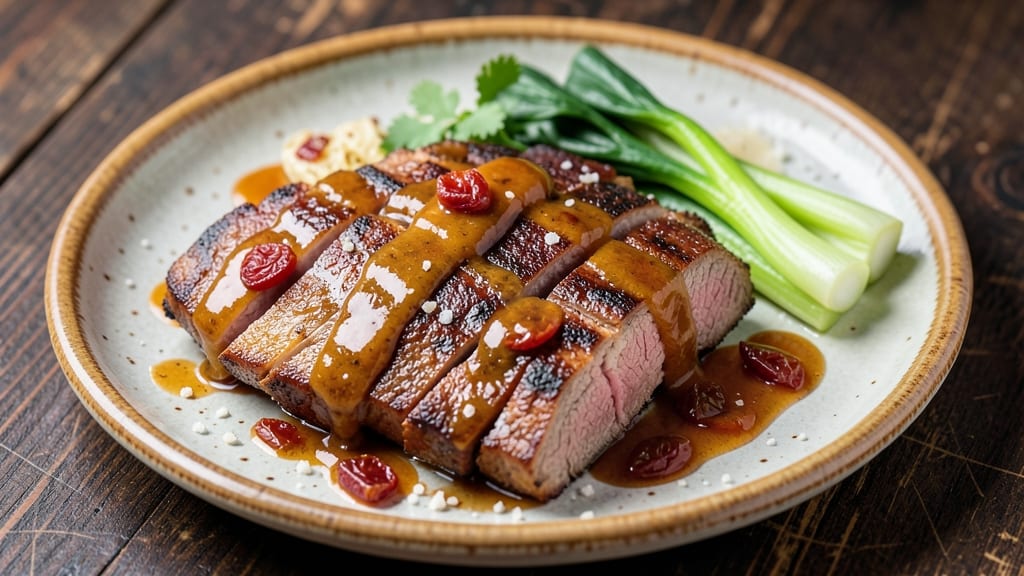
This apricot pork sauce transforms ordinary pork into something extraordinary—sticky, caramelized bites that balance sweet and tangy flavors perfectly. 🔥 As a pitmaster who’s glazed thousands of pounds of pork, I’ve refined this recipe to create a sauce that’s rich enough to stand alone but versatile enough to elevate any pork dish.
The secret lies in reducing apricot preserves with vinegar and a touch of spice, creating a glaze that clings beautifully to meat while adding depth without overpowering.
The process is simpler than it sounds: simmer dried apricots with vinegar, sugar, and a splash of broth until the mixture thickens into a glossy, syrupy consistency. This isn’t just a glaze—it’s a foolproof way to add complexity to roasted pork tenderloin, braised ribs, or even stir-fried pork belly.
The sauce cuts through the richness of the meat while leaving behind a lingering sweetness that pairs perfectly with savory spices.
What you’ll end up with is a restaurant-quality sauce that’s easy to make ahead and reheats beautifully. It’s the kind of glaze that turns a simple pork chop into a showstopper, or transforms a weeknight stir-fry into something special.
The balance of sweet, tangy, and umami makes it irresistible—once you try it, you’ll reach for this recipe every time pork hits the menu.
Use it as a finishing glaze for roasted pork, a dipping sauce for spring rolls, or even a deglazing liquid for pork chops. The possibilities are endless, but the technique remains the same: reduce, taste, and adjust until you hit that perfect harmony of sweet and tangy.
Let’s get to work—your pork deserves this sauce.
Ingredients for apricot sauce recipe for pork
This sweet-tangy glaze transforms pork into restaurant-quality bites with minimal effort.
| Ingredient | Amount | Notes |
|---|---|---|
| Dried Apricots 🍑 | 1 cup | Chopped into small pieces |
| Red Wine Vinegar 🍷 | ½ cup | For tangy depth |
| Granulated Sugar 🍚 | ½ cup | Adjust for sweetness |
| Low-Sodium Chicken Broth 💧 | 1 cup | For umami base |
| Fresh Ginger 🧄 | 1 tbsp | Grated, aromatic |
| Garlic Cloves 🧄 | 3 cloves | Minced for flavor |
| Ground Black Pepper 🌶️ | ½ tsp | Freshly cracked |
| Ground Cinnamon 🌿 | ¼ tsp | For warmth |
| Extra-Virgin Olive Oil 🫒 | 1 tbsp | For richness |
| Salt 🧂 | ½ tsp | Kosher or sea salt |
The dried apricots are the heart of this sauce—look for plump, moist ones in the baking aisle, not the dried fruit section. Trader Joe's and Whole Foods carry the best quality, but any brand works if they're not rock-hard. Fresh ginger is non-negotiable here; the dried stuff just doesn't cut it. Costco sells it pre-peeled for convenience, but even a small piece from the grocery store will do. The vinegar matters too—red wine vinegar has that perfect tang, but balsamic works in a pinch if that's what you've got. I always double-check the sugar isn't clumped before measuring—it makes a huge difference in how smoothly the sauce reduces.
No fresh ginger? Substitute 1/2 teaspoon ground ginger, but honestly, it won't be the same. Running out of red wine vinegar? Apple cider vinegar works, though it'll be slightly fruitier. The cinnamon is optional but adds that warm, cozy note—skip it if you're serving this with spicy dishes. For a quicker version, apricot preserves instead of dried apricots (use 1/2 cup) saves chopping time. The olive oil might seem like an odd addition, but it helps emulsify the sauce so it clings better to meat. If you're making this ahead, reduce it longer for a thicker consistency—just add a splash of water when reheating.
This sauce keeps beautifully—1 week in the fridge or 3 months frozen. I like to portion it into small jars so I can grab just what I need. It reheats perfectly in the microwave or on the stove—just stir occasionally to prevent sticking. The sauce actually improves overnight as the flavors meld, so make extra if you can. For a restaurant-style finish, strain it through a fine-mesh sieve before serving to get that silky texture. Store leftovers with a thin layer of oil on top to preserve freshness.
Why You'll Love This Recipe
- Pantry Magic: I swear by this one—no fresh fruit needed, just dried apricots that soften into jammy perfection with a splash of vinegar. The broth and sugar caramelize just enough to coat the pork like a glossy hug, and honestly? I keep a bag of dried apricots just for this.
- Sweet-Savory Balance: That ginger-zing and tangy vinegar cut through the pork’s richness while the caramelized sugar makes it ridiculously addictive. It’s the kind of sauce where every bite feels like a little reward—sweet enough to satisfy, but the vinegar keeps it bright and interesting.
- Weeknight & Holiday: I use this for quick stir-fries on Tuesdays, but it also levels up roasted pork for Sunday dinners. The sauce thickens beautifully, so it works with tender pork chops or even shredded pulled pork—no fancy plating required.
- Leftovers That Shine: Between us, this sauce tastes better the next day. I make a big batch, store it in the fridge, and toss it with rice or noodles all week. Plus, dried apricots and vinegar are cheap—this is my wallet’s favorite recipe.
Step-by-step instructions for apricot pork sauce
Transform simple pantry ingredients into a luscious, caramelized glaze that clings perfectly to pork.
🍳 Step 1: Sauté Aromatics Until Fragrant
Heat the 1 tablespoon extra-virgin olive oil in a medium saucepan over medium heat. Add the 3 minced garlic cloves and 1 tablespoon grated fresh ginger, stirring constantly for 1-2 minutes until the garlic becomes golden and fragrant—not browned.
Here's the thing—ginger burns faster than garlic. Watch carefully and remove the pan from heat if it starts to darken. The aroma should fill your kitchen, signaling your sauce is building flavor. Once fragrant, sprinkle in the 0.5 teaspoon salt and 0.5 teaspoon ground black pepper, stirring to coat the aromatics evenly.
🍳 Step 2: Simmer Vinegar and Sugar for Caramel Base
Pour in the 0.5 cup red wine vinegar and 0.5 cup granulated sugar, stirring to dissolve the sugar completely. Increase heat to medium-high and bring the mixture to a gentle boil, then immediately reduce to medium-low heat to maintain a steady simmer.
Let it cook uncovered for 5-7 minutes until the liquid reduces by about half and becomes syrupy. You'll notice the color deepen to a rich amber—this is your caramel base forming. If it starts to stick, add 1-2 tablespoons water to keep it moving. The sauce should coat the back of a spoon with a glossy sheen.
🥘 Step 3: Build Depth with Broth and Apricots
Pour in the 1 cup low-sodium chicken broth and add the 1 cup chopped dried apricots. Stir well to combine, then sprinkle in the 0.25 teaspoon ground cinnamon. Return to a gentle simmer and cook uncovered for 10-12 minutes until the apricots soften and the sauce thickens noticeably.
Here's where the magic happens: the apricots release their natural pectin, helping thicken the sauce without needing cornstarch. Taste and adjust sweetness—if it needs more, add 1-2 teaspoons additional sugar. The sauce should balance sweet, tangy, and umami flavors with a velvety texture. If it's too thick, thin with a splash of water or broth.
⏰ Step 4: Finish and Strain for Silky Perfection
Once the sauce reaches your desired consistency, remove from heat and let it cool slightly for 2-3 minutes. Then, strain through a fine-mesh sieve into a clean bowl, pressing gently on the solids with a spoon to extract maximum flavor. Discard the solids or save for garnish if desired.
Return the strained sauce to the saucepan and simmer over low heat for another 3-5 minutes to intensify the flavors. The final texture should be glossy and coat the back of a spoon smoothly. For best results, use immediately over pork chops, ribs, or roasted pork tenderloin—this sauce tastes best when fresh and sticky.
Pro Tips For Making Apricot Sauce Recipe For Pork
- SOAK THE APRICOTS LONG: Dried apricots are stubborn—give them at least 30 minutes in warm water (or overnight if you’re prepping ahead) so they soften evenly. I learned this the hard way when my sauce turned to apricot paste because I rushed it. Trust me, they won’t plump up on the fly.
- PEEL THE GINGER THIN: Fresh ginger is non-negotiable here, but skip the thick slices—grate it very finely (or use a microplane) so it dissolves into the sauce. Thick chunks just sit there like stubborn guests who won’t leave. A teaspoon of grated ginger (not chopped) makes a real difference.
- SIMMER LOW AND SLOW: This sauce isn’t a race. After adding the vinegar and sugar, reduce heat to a gentle simmer (barely bubbling) and let it cook uncovered for 15–20 minutes. I used to crank the heat, and the sugar would burn before the flavors melded. Patience here = depth of flavor.
- STRAIN THE BROTH FIRST: Low-sodium chicken broth often has bits of sediment that turn your sauce cloudy. Strain it through a fine-mesh sieve before adding it to the pot—it’s a 30-second step that keeps the sauce silky. I skip this sometimes, and the sauce still works, but it’s noticeably better when I don’t.
Pro cooking tips for great apricot sauce recipe for pork
Heat Control Secrets
Start with medium heat when sautéing garlic and ginger—this prevents burning while developing deep flavor. I’ve ruined batches by cranking the heat too high; the ginger turns bitter in seconds.
Once the vinegar and sugar hit the pan, bump to medium-high briefly to kickstart the reduction, then immediately drop to medium-low. This steady simmer is critical for even caramelization without scorching. 🌡️
Watch for the sauce to reduce by about half—this takes 5-7 minutes. If it starts sticking, add 1-2 tablespoons water to loosen it. The goal is a glossy, syrupy consistency that coats the back of a spoon.
I use a stainless steel saucepan because it heats evenly and won’t react with the acidity of the vinegar.
Pectin Power
The dried apricots are your secret weapon—they release natural pectin as they soften, which thickens the sauce without needing cornstarch. Simmer them uncovered for 10-12 minutes until they break down completely.
If you’re in a hurry, pulse them briefly in a food processor first, but don’t overdo it—you want texture, not a puree. 🍑
Taste as you go! The sauce should balance sweet, tangy, and umami flavors. If it’s too sweet, add 1 teaspoon red wine vinegar. Too thin? Simmer uncovered for another 2-3 minutes to evaporate excess liquid. I’ve learned the hard way—never rush this step. Patience here makes all the difference.
Straining Like a Pro
Straining removes fibrous bits for a silky texture, but don’t press too hard—you want flavor, not pulp. Use a fine-mesh sieve or cheesecloth for the smoothest results. After straining, return the sauce to the pan and simmer gently for 3-5 minutes to intensify the flavors.
This final reduction concentrates the taste and gives it that restaurant-quality sheen. 💫
Pro tip: If you’re making this ahead, let it cool completely before storing. The flavors meld overnight, and the sauce thickens further in the fridge. I always double the batch—it disappears fast, especially when paired with my heritage pork chops from the farm.
Troubleshooting Sticky Situations
If your sauce is too thick, thin it with 1 tablespoon water or broth at a time. Too thin? Simmer uncovered until it reaches the right consistency. I’ve had batches where the sugar didn’t dissolve fully—just stir in 1 teaspoon warm water to help it integrate.
And if the vinegar smell is too sharp, add ½ teaspoon ground cinnamon or a pinch of smoked paprika to mellow it out. 🔥
For extra shine, finish with 1 teaspoon honey or a splash of orange juice—this adds brightness and helps the sauce cling to meat. Trust me, this little trick elevates the sauce from good to wow.
Nutrition facts
Frequently asked questions
Can I substitute fresh apricots for dried in this sauce?
Fresh apricots work but require adjustment—use 3 ripe fresh apricots (peeled and chopped) plus 1 extra tablespoon sugar to balance the moisture. Simmer them longer (15-20 minutes) until they break down completely. The sauce will be slightly thinner, so reduce uncovered until thickened. Fresh apricots add vibrant color but less concentrated sweetness than dried.
How do I prevent the sauce from crystallizing when stored?
Spread a thin layer of olive oil on the sauce's surface before sealing the container. This creates a barrier that prevents crystallization. Store in the fridge for up to 1 week or freeze in ice cube trays for single-use portions. When reheating, simmer gently and stir frequently to restore smoothness.
What's the best way to use this sauce with pork chops?
Brush 1-2 tablespoons of warm sauce onto each side of cooked pork chops during the last 2 minutes of searing. For extra richness, deglaze the pan with 2 tablespoons sauce after cooking the chops, then reduce by half before serving. The sauce caramelizes beautifully when exposed to high heat, creating a glossy finish.
Can I make this sauce without vinegar?
Yes, but the tangy balance will be off. Replace the 0.5 cup vinegar with 0.25 cup lemon juice plus 0.25 cup orange juice for brightness. The sauce will be fruitier but still delicious. For a deeper flavor, add 1 teaspoon soy sauce to compensate for the missing umami from vinegar.
How do I adjust the sweetness for diabetic-friendly versions?
Reduce sugar to 0.25 cup and use 1 teaspoon erythritol or monk fruit sweetener instead. Add 1 extra teaspoon cinnamon to enhance natural sweetness. For extra depth, increase ginger to 1.5 teaspoons. The sauce will be less sweet but still complex, with the tangy vinegar and umami broth carrying the flavor.