
Sauces & Condiments
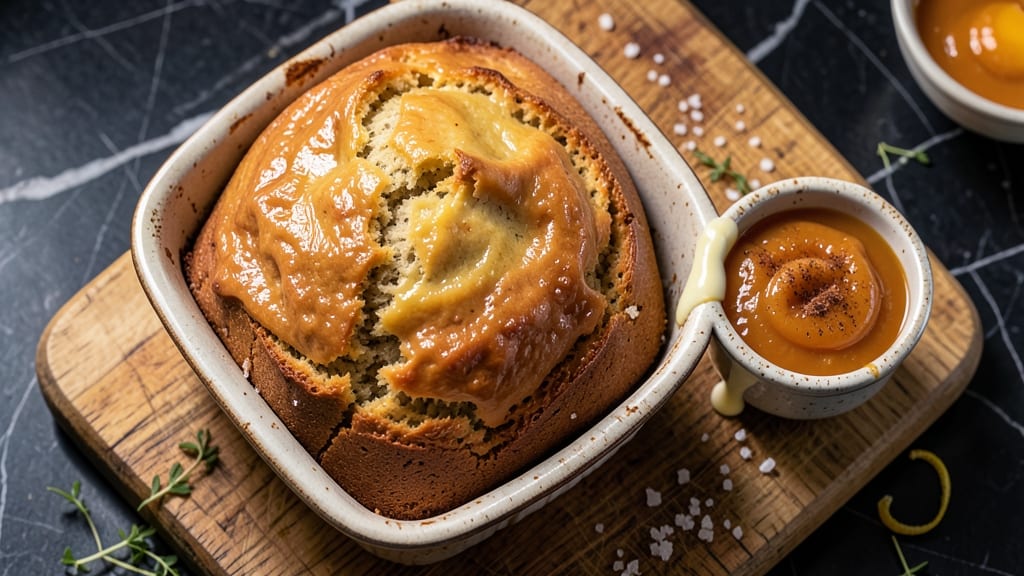
This applesauce loaf bread recipe delivers the perfect balance of moist, spiced sweetness and a crusty golden top—a homemade loaf that rivals bakery favorites. The secret lies in applesauce replacing some of the fat, creating a tender crumb without sacrificing structure.
I’ve perfected this recipe over years of baking, ensuring it stays fresh for days and pairs beautifully with butter or jam.
The dough comes together in 10 minutes, with just a few simple ingredients: all-purpose flour, warm applesauce, and a pinch of spices like cinnamon and nutmeg. The applesauce keeps the bread incredibly moist, while the crust develops a satisfying crunch when baked at 350°F for 30-35 minutes.
No fancy equipment is needed—just a loaf pan and patience for the resting period.
What you’ll end up with is a homemade loaf that’s slightly sweet, lightly spiced, and perfectly textured—moist inside with a golden, crackly crust that’s impossible to resist.
It’s ideal for breakfast, sandwiches, or even as a side to soups. The aroma alone will fill your kitchen with warmth, making every slice taste like comfort.
For extra flavor, brush the top with melted butter before baking or sprinkle with coarse sugar for a caramelized finish. This recipe is foolproof and perfect for beginners, yet impressive enough for gatherings. Let’s get baking!
Ingredients for applesauce loaf bread
Twelve simple ingredients transform into a tender loaf with golden crust and spiced sweetness.
| Ingredient | Amount | Notes |
|---|---|---|
| All-Purpose Flour 🌾 | 3 ½ cups | Sifted for even texture |
| Unsalted Butter 🧈 | ¼ cup | Cold, cubed for even mixing |
| Unsweetened Applesauce 🍎 | ¾ cup | Unsweetened for balanced flavor |
| Granulated Sugar 🍚 | ¼ cup | Light brown preferred for depth |
| Large Eggs 🥚 | 1 whole | Room temperature for even mixing |
| Instant Yeast 🍞 | 2 tsp | Active dry works too (proof first) |
| Ground Cinnamon 🌿 | 1 ½ tsp | Freshly ground for aroma |
| Ground Nutmeg 🌿 | ½ tsp | Freshly grated preferred |
| Salt 🧂 | ½ tsp | Diamond Crystal preferred |
| Milk 🥛 | ¼ cup | Whole milk for richness |
| Vanilla Extract 🌸 | 1 tsp | Pure extract for authentic flavor |
| Coarse Sugar 🍚 | 1 tbsp | For crusty top sprinkle |
The applesauce is non-negotiable here—it’s the secret to that signature moist crumb. Mott’s unsweetened is my go-to, but any plain variety works. For the flour, King Arthur All-Purpose ensures consistent texture, though any high-quality brand will do. The butter matters too: Plugrá or Land O’Lakes unsalted melt evenly without overpowering the subtle sweetness. Cinnamon and nutmeg should be freshly ground if possible—Penzeys spices are worth the splurge for this recipe, but the grocery store versions work fine if you’re in a pinch.
No applesauce? Pumpkin puree works in a bind, though the flavor shifts slightly. Swap brown sugar for granulated if needed, but the caramel notes add depth. Eggs can be replaced with one flax egg (1 tbsp ground flaxseed + 3 tbsp water) for a vegan version, though texture may vary. Milk can be omitted entirely, but the dough will be drier. For extra richness, replace half the milk with heavy cream. The coarse sugar topping is optional but adds that bakery-style crunch—Trader Joe’s turbinado sugar works perfectly if you want to get fancy.
This dough keeps in the fridge for up to 2 days wrapped tightly in plastic. For longer storage, shape the loaf, wrap in foil, and freeze for up to 3 months. Thaw overnight in the fridge before baking. The bread slices beautifully with a serrated knife and reheats wonderfully—5 minutes at 300°F restores freshness. I always bake two loaves: one for the week and one to freeze. The aroma alone makes it worth the effort.
Why You'll Love This Recipe
- No Mixer Needed: I swear by this recipe when my mixer’s on the fritz—just fold the applesauce into the butter and flour until it’s almost combined, then let the eggs pull it together. The dough’s thick but forgiving, and honestly? I’ve never had a loaf turn out gummy.
- Sweet Without Sugar Crash: That applesauce does the heavy lifting here, keeping it moist without needing extra sugar. The butter and eggs add richness, but it’s the subtle caramel notes from the applesauce that make it taste like a bakery loaf—no artificial sweetness in sight.
- Breakfast or Snack, Anytime: Slice it toasted with peanut butter for a quick breakfast, or pack it for lunch with cheese and turkey. I’ve even used it as a base for French toast (yes, it gets better the second time). The texture holds up to everything—no crumbly mess.
- Tastes Fresh for Days: This loaf doesn’t dry out like regular bread. I’ve kept it wrapped on the counter for five days and still gotten buttery, soft slices. Plus, the applesauce makes it cheap to stretch—half the butter of most recipes, but the flavor? Still ridiculous.
Step-by-step instructions for applesauce loaf bread
Master this classic recipe with precise technique for a perfectly moist crumb and crisp exterior.
Mix the Wet Ingredients for Optimal Texture
In a small mixing bowl, combine the 0.75 cup unsweetened applesauce, 0.25 cup granulated sugar, 1 whole large egg, 0.25 cup milk, 1 teaspoon vanilla extract, and 0.25 cup cold cubed unsalted butter. Whisk vigorously until the butter is fully incorporated and the mixture becomes smooth and homogeneous. The applesauce will help tenderize the bread while maintaining moisture throughout the baking process.
I recommend using a hand mixer for this step to ensure the butter emulsifies completely. The mixture should be slightly thick but pourable—this consistency is crucial for creating that signature tender crumb. If the mixture appears too thick, add 1 tablespoon of milk gradually until it reaches the right texture.
Combine Dry Ingredients and Yeast for Even Distribution
In a separate large mixing bowl, sift together the 3.5 cups all-purpose flour, 2 teaspoons instant yeast, 1.5 teaspoons ground cinnamon, 0.5 teaspoon ground nutmeg, and 0.5 teaspoon salt. Whisk gently to aerate the flour and ensure the yeast is evenly distributed throughout the dry ingredients. This step prevents lumps and promotes even rising during fermentation.
The cinnamon and nutmeg should be freshly ground for maximum aroma and flavor impact. I like to use a fine-mesh sieve for the flour to eliminate any potential clumps that could affect the bread's texture. Keep this mixture ready for the next step—it's important to work quickly once the wet ingredients are combined.
Incorporate Wet and Dry Ingredients for Perfect Dough
Create a well in the center of your dry ingredients and pour in the wet mixture. Using a wooden spoon or rubber spatula, gently fold the ingredients together until just combined. Avoid overmixing at this stage—you're looking for a shaggy dough that comes together when pressed, with no dry spots remaining. The applesauce will make the dough slightly sticky, which is normal and desired for this recipe.
Once combined, turn the dough out onto a lightly floured surface and knead gently for 2-3 minutes until it forms a smooth, cohesive ball. The dough should be soft and slightly tacky to the touch. If it feels too dry, add 1 tablespoon of milk to maintain the proper moisture level. This gentle kneading develops just enough gluten to give the bread structure without making it tough.
First Rise for Optimal Flavor Development
Place the dough in a lightly greased 9x5-inch loaf pan, smoothing the top with wet hands to ensure even contact with the pan. Cover the pan tightly with plastic wrap and allow the dough to rise in a warm place for 45-60 minutes, or until it has doubled in size. The dough should puff noticeably and fill about 75% of the loaf pan—this indicates proper fermentation and is crucial for that light, airy texture.
I recommend using a warm oven with the light on or placing the pan in a slightly warmed oven (with the oven off) for this rise. The ideal rising temperature is around 80°F—too cool and the dough won't rise properly; too warm and it may overproof. You'll know it's ready when the dough springs back slowly when gently pressed with a finger.
Prepare for Baking with Sugar Topping
Preheat your oven to 350°F while the dough rises. Once the dough has doubled, brush the top with milk using a pastry brush, then sprinkle evenly with the 1 tablespoon coarse sugar. This creates that signature crispy, caramelized crust that contrasts beautifully with the moist interior. The sugar will melt slightly during baking, forming a delicious topping that adds both texture and subtle sweetness.
Bake the loaf for 50-60 minutes, until the top is deep golden brown and a toothpick inserted into the center comes out clean. The internal temperature should reach 190-200°F for perfect doneness. Rotate the pan halfway through baking if your oven has hot spots to ensure even browning. The bread is done when it sounds hollow when tapped on the bottom.
Cool and Slice for Maximum Moisture Retention
Remove the bread from the oven and transfer it to a wire rack to cool completely for at least 30 minutes before slicing. This resting period allows the steam to escape and the internal structure to set properly. If you slice too soon, the bread will be gummy and lose its shape. The crust should be firm and the interior should be uniformly moist with a tender crumb.
For best results, wrap the cooled loaf in plastic wrap and store at room temperature for up to 3 days, or freeze for longer storage. Each slice should reveal that characteristic moist texture with subtle cinnamon-nutmeg flavor that makes this bread so special. The applesauce keeps it tender while the spices add just the right amount of warmth to complement the sweetness.
Pro Tips For Making Applesauce Loaf Bread
- Use Room-Temp Butter: That cold butter straight from the fridge won’t mix right with the applesauce, and your loaf will end up dense. Let it sit for 30 minutes or microwave it for 10 seconds—just enough to soften, not melt. Trust me, your crumb will thank you.
- Whisk the Eggs First: Beat those eggs until they’re pale and thick before mixing them into the batter. I used to skip this, and the bread turned out gummy. A quick whisk with a fork does the trick—no need to go full meringue.
- Don’t Overmix the Batter: Once the flour hits the wet ingredients, stop stirring after 15-20 seconds. Overmixing develops gluten, and your loaf will turn tough instead of tender. Just fold until combined—like mixing a cake, not kneading dough.
- Bake Until Internal Temp Hits 190°F: The bread’s done when the center reads 190°F, not when it looks golden. I’ve pulled loaves too soon, and they kept steaming in the pan. A quick check with an instant-read thermometer guarantees a perfect crumb every time.
Troubleshooting great applesauce loaf bread
Dense Instead of Moist
If your loaf turns out dense rather than tender, the issue is likely overmixing the dough or insufficient yeast activation. The applesauce should keep the bread moist, but too much gluten development from kneading or mixing can make it tough.
I’ve found that gently folding the dough just until combined—without overworking it—preserves that signature tender crumb. Also, ensure your yeast is fresh and active by proofing it in warm water with a pinch of sugar before mixing.
If the dough doesn’t rise properly, it’ll collapse during baking, resulting in a dense loaf. 🌾
Cakey Texture
A cakey texture usually means the bread didn’t develop enough gluten structure. This often happens when the dough is under-kneaded or the yeast wasn’t active enough. To fix this, gently knead the dough for an extra 1-2 minutes after it comes together to build just enough structure.
If you’re short on time, let the dough rest for 10 minutes before shaping it—this helps the gluten relax slightly and improves elasticity. Also, ensure your oven is fully preheated to 350°F; a cooler oven can cause uneven baking and a cakey texture.
Flat Top or Uneven Rise
A flat top or uneven rise typically indicates the dough didn’t proof properly. The applesauce in this recipe makes the dough slightly sticky, so it’s crucial to shape it gently into the loaf pan and ensure it fills the pan evenly.
If your oven isn’t warm enough, the dough may not rise properly. Place the pan in a slightly warmed oven (with the light on or a bowl of hot water nearby) to create a consistent 80°F environment for rising.
Avoid opening the oven door during the first 45 minutes of rising, as drafts can cause the dough to collapse. 🔥
Dry or Crumbly Crust
A dry or crumbly crust often means the bread didn’t retain enough moisture during baking. The applesauce is key here, but if the dough feels too dry before baking, it could be due to overmixing or insufficient milk.
To prevent this, brush the top of the loaf with milk before baking and sprinkle with coarse sugar for a caramelized, moist crust.
If the crust still turns out dry, try increasing the milk in the dough by 1 tablespoon or covering the loaf loosely with foil during the first 20 minutes of baking to trap steam.
Burnt Outside, Raw Inside
If the crust burns before the center is fully baked, your oven might be too hot or the loaf needs more time. Bake at 350°F and check for doneness at 50 minutes—the internal temperature should reach 190-200°F.
If your oven runs hot, reduce the temperature to 325°F for the last 10-15 minutes of baking. For even browning, rotate the pan halfway through baking. If the bread still feels underbaked, tent it with foil and return it to the oven for 5-10 minutes to finish cooking without burning.
Soggy Bottom
A soggy bottom is usually caused by steam escaping too quickly or the pan not being properly prepared. Always grease your 9x5-inch loaf pan generously with butter or oil, then line it with parchment paper for easy removal.
If the bottom still feels soggy, try placing a baking sheet under the loaf pan to absorb excess moisture. Additionally, avoid opening the oven door during the first 30 minutes of baking to maintain consistent heat and prevent steam from escaping prematurely.
A crisp, golden bottom is key to a perfect loaf! ✨
Nutrition facts
Frequently asked questions
Can I substitute applesauce with another fruit puree?
Yes, but flavors will change! For similar moisture, try mashed banana (add 1 tsp baking soda to prevent sourness) or pumpkin puree (reduce sugar by 1 tbsp). Avoid citrus juices—they can make the dough too acidic. The texture will stay tender, but the taste will shift from mild sweetness to more pronounced fruit notes.
How do I store applesauce loaf bread to keep it fresh?
Wrap the cooled loaf tightly in plastic wrap or place it in an airtight container. Store at room temperature for 2-3 days or freeze for up to 3 months. To reheat, wrap a slice in foil and warm at 300°F for 5 minutes—this restores the crust's crispness while keeping the interior moist.
Why does my dough feel too sticky?
The applesauce makes the dough naturally sticky—that's normal! If it's unbearable, add 1 tbsp flour at a time until workable. Avoid over-flouring, though, as this can make the bread dry. The stickiness actually helps create that signature tender crumb, so don't worry if it feels a bit tacky during handling.
Can I make this recipe gluten-free?
Yes, but with adjustments! Replace the all-purpose flour with a 1:1 gluten-free baking flour blend (like Bob's Red Mill) and add 1 tsp xanthan gum. You may need 1 extra tbsp milk since gluten-free flours absorb differently. Expect a slightly denser texture, but the applesauce will still keep it moist. The rise might be slower, so let it proof for 60-75 minutes.
What's the best way to tell when it's fully baked?
Use the toothpick test: Insert a toothpick into the center—it should come out clean with just a few moist crumbs. The internal temperature should reach 190-200°F. Also check for a deep golden color and listen for a hollow sound when tapping the bottom. If unsure, bake 5-10 minutes longer—underbaked bread feels gummy.