
Desserts
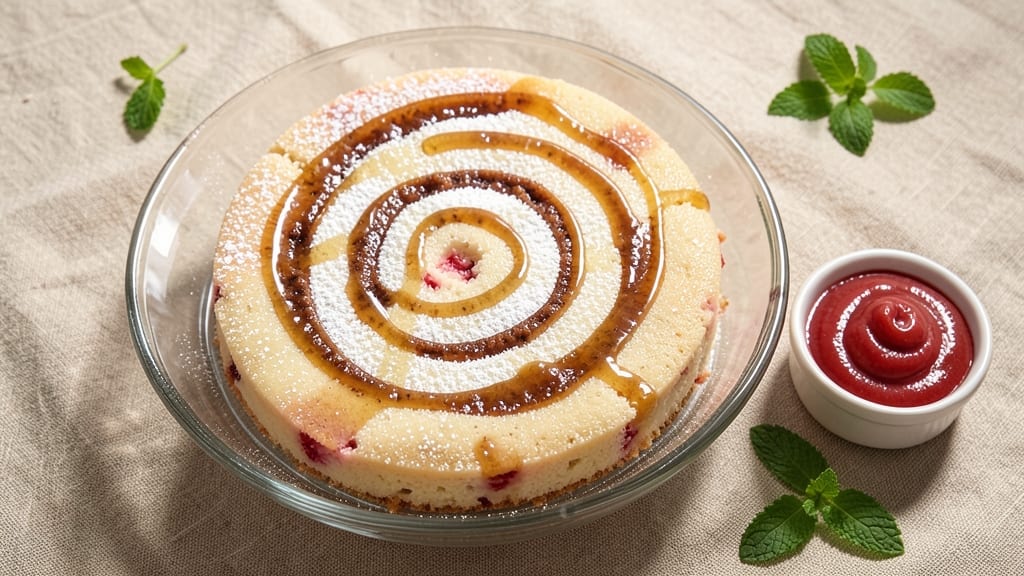
This applesauce and gelatin cake recipe delivers the perfect balance of lightness and moisture—two textures that seem impossible to achieve together. The secret lies in the gelatin layer, which creates an ethereal, jiggly foundation while the applesauce keeps every slice tender and flavorful.
I developed this recipe after years of baking dense cakes, and this version transformed my approach forever.
The beauty of this cake is its simplicity—no fancy techniques required, just a few key ingredients that work together seamlessly. Applesauce replaces some of the butter or oil, keeping the cake moist without adding grease, while the gelatin adds structure and a delicate bounce.
The result is a dessert that’s light enough to feel airy yet rich enough to satisfy serious cravings.
What makes this recipe truly special is how it delivers on that moist promise without being heavy. The gelatin layer ensures each slice stays fresh even after sitting for hours, while the applesauce infuses subtle sweetness and a hint of warmth.
It’s the kind of cake that feels indulgent but isn’t overly sweet—perfect for gatherings or a special treat.
This recipe also offers flexibility—add a sprinkle of cinnamon or chopped nuts for extra flavor, or keep it classic for a clean, elegant finish. The gelatin does require careful handling, but the instructions walk you through every step to ensure success. Let’s get baking!
Ingredients for applesauce and gelatin cake
Lightness meets moisture in this cake—just eight ingredients transform ordinary baking into something extraordinary.
| Ingredient | Amount | Notes |
|---|---|---|
| Unsalted Butter 🧈 | ½ cup | Softened to room temperature |
| Granulated Sugar 🍚 | 1 ½ cups | White or light brown |
| Applesauce 🍎 | 1 cup | Unsweetened, smooth texture |
| Large Eggs 🥚 | 2 whole | Room temperature preferred |
| All-Purpose Flour 🌾 | 2 cups | Sifted for lightness |
| Baking Powder 🍞 | 2 tsp | Aluminum-free preferred |
| Vanilla Extract 🌸 | 1 tsp | Pure, not imitation |
| Unflavored Gelatin 🧪 | 1 tbsp | Powdered, not sheet |
| Warm Water 💧 | ¼ cup | 160°F for dissolving gelatin |
| Milk 🥛 | ½ cup | Whole milk preferred |
| Salt 🧂 | ½ tsp | Fine sea salt |
| Vegetable Oil 🫒 | ¼ cup | For greasing pans |
The gelatin is the star here, but not all brands dissolve evenly. Great Lakes or Knox are my go-tos—they dissolve completely in warm water without clumping. If you're using powdered gelatin, whisk it into the warm water first, then let it bloom for 5 minutes before adding to the batter. The applesauce should be unsweetened and smooth—Mott's or Libby's work best, but anything without added sugar will do. For the butter, I always use Land O'Lakes or Plugrá, but any good-quality unsalted butter will give you that rich, tender crumb.
No gelatin on hand? Agar-agar powder at 1.5 times the amount works in a pinch, though the texture will be slightly firmer. Short on applesauce? Unsweetened applesauce from concentrate (like those squeeze bottles) is a decent swap, but reduce the sugar slightly to balance. The milk can be swapped for vanilla almond milk if you prefer a lighter flavor, but whole milk gives the best moisture. For the flour, King Arthur or Bob's Red Mill brands stay light after sifting—don't skip this step, or your cake will be dense. And if you're worried about the gelatin layer being too jiggly, add 1 extra tbsp of gelatin for a firmer set.
This cake keeps beautifully—3 days at room temperature covered loosely with plastic, or 5 days refrigerated in an airtight container. For longer storage, slice and freeze portions for up to 3 months. The gelatin layer firms up when chilled, so if you're serving it warm, let it sit at room temperature for 10 minutes first. I like to dust the top with powdered sugar just before serving—it adds a delicate finish that makes the cake feel extra special. And if you're making this ahead for a gathering, bake it a day in advance—the flavors meld even better.
Why You'll Love This Recipe
- No Mixer Needed: I’ll be honest—this cake is basically a "dump and bake" with a whisk. Melt butter, mix sugar, fold in applesauce, eggs, and flour. No electric mixer, no fuss, just a sturdy bowl and a spatula. The gelatin’s magic happens while you’re pouring, so no extra steps.
- Taste Like Childhood: That first bite of moist, tender crumb with a whisper of vanilla from the gelatin? It’s the kind of nostalgic sweetness that makes you pause. The applesauce keeps it from being dry, and the butter? It’s the secret to that buttery, cakey richness that feels like a hug.
- Pantry Stash Cake: Between us, if I’m low on eggs or butter, this recipe bends. Swap half the flour for oat flour, use store-bought applesauce, or even a splash of vanilla extract if that’s what’s sitting in my cupboard. It’s the kind of cake that doesn’t judge your ingredients—it just works.
- Leftovers That Last: Slice it, wrap it, and it’ll stay fresh for days. I’ve had this cake for breakfast, dessert, or even a quick snack—no one turns it down. Plus, the gelatin gives it that slight jiggle, so it’s never sad or stale. My go-to for when I bake once and eat twice.
Step-by-step instructions for applesauce and gelatin cake
Here's how to achieve that signature light-as-air texture with perfect moisture every time.
Prepare the Gelatin Mixture
In a small bowl, whisk together the 1 tablespoon unflavored gelatin and ¼ cup warm water (about 160°F). Let it sit for 5 minutes until the gelatin completely dissolves and becomes translucent. This creates the secret ingredient that gives this cake its signature tender crumb without adding density.
I like to use a fine-mesh strainer to remove any potential lumps if they persist. The mixture should be completely smooth—any undissolved gelatin will create a gummy texture in your cake. Keep this mixture at room temperature while you prepare the rest of the batter.
Cream Butter and Sugar
In a large mixing bowl, beat the ½ cup softened unsalted butter and 1½ cups granulated sugar together on medium speed until light and fluffy, about 3-4 minutes. You'll notice the mixture nearly doubles in volume and becomes pale in color. This step is crucial for incorporating air that will later help create that signature light texture.
I press down on the butter-sugar mixture occasionally with a spatula to ensure everything is fully incorporated. If the butter isn't completely softened, the mixture will be grainy, and your cake might end up dense. The goal here is to create a smooth, airy base that won't compact during baking.
Add Eggs and Applesauce
Add the 2 whole large eggs one at a time, mixing well after each addition until fully incorporated. Then stir in the 1 cup unsweetened applesauce and 1 teaspoon vanilla extract. The applesauce adds natural moisture and subtle sweetness while keeping the cake light.
At this stage, your batter should be smooth and slightly thick. If it appears too thin, don't worry—the gelatin mixture will help bind everything together. I like to scrape down the sides of the bowl with a spatula to ensure all ingredients are evenly distributed before moving to the next step.
Combine Dry Ingredients
In a separate bowl, whisk together the 2 cups all-purpose flour, 2 teaspoons baking powder, and ½ teaspoon salt. Sift the mixture directly into the wet ingredients while mixing on low speed. This prevents gluten development and creates a tender crumb.
With the mixer running on low, gradually add the gelatin mixture and ½ cup milk to the batter. Mix just until combined—overmixing will develop gluten and make the cake tough. The batter should be smooth and slightly thicker than typical cake batter due to the gelatin's binding properties.
Bake to Perfect Moisture
Preheat your oven to 350°F and grease two 8-inch round cake pans with ¼ cup vegetable oil, then line the bottoms with parchment paper. Divide the batter evenly between the pans and smooth the tops. Bake for 25-30 minutes or until a toothpick inserted in the center comes out clean.
I always check for doneness at the 25-minute mark because ovens vary. The cake should spring back gently when touched and have a golden top. Let the cakes cool in the pans for 10 minutes before transferring to a wire rack to cool completely. This gradual cooling prevents cracking and maintains the cake's moisture.
Pro Tips For Making Applesauce And Gelatin Cake
- STOP MIXING DRY FIRST: Mix the butter and sugar until it’s pale yellow—about 3-4 minutes with a stand mixer. I learned this the hard way: skipping this step makes the cake dense and flavorless. The butter needs to fully emulsify with the sugar to get that tender crumb.
- USE COLD APPLESAUCE: Refrigerate the applesauce for at least 30 minutes before using. Warm applesauce makes the batter too runny, and you’ll end up with a cake that collapses in the middle. Cold sauce binds better with the flour and eggs for structure.
- WEIGH YOUR FLOUR: Spoon the flour into the measuring cup and level it off—don’t scoop directly from the bag. Packing flour compresses it, and you’ll end up with a dry, crumbly cake. A scale is even better, but a level cup works if you’re precise.
- BAKE UNTIL THE CENTER HITS 205°F: The gelatin in this cake makes it look done before it actually is. Insert a thermometer into the center—if it’s below 200°F, it’ll be gummy. Pull it out too early, and you’ll regret it later. (Yes, even if it smells baked.)
Dietary considerations for applesauce and gelatin cake
Gelatin-Free Option
If you're avoiding gelatin due to dietary restrictions or preferences, you can substitute it with 1½ tablespoons agar-agar powder dissolved in ¼ cup water. Agar-agar sets firmer than gelatin, so reduce the baking time by 2-3 minutes to prevent over-browning.
This swap works best for those following kosher or vegetarian diets, though the texture will be slightly denser. 💪
Gluten-Free Adaptation
For a gluten-free version, replace the 2 cups all-purpose flour with a 1:1 gluten-free baking flour blend like Bob's Red Mill 1-to-1. Add ½ teaspoon xanthan gum to improve structure and moisture retention.
Keep all other ingredients the same, but expect a slightly shorter bake time of 22-25 minutes due to the different absorption rate. 🌾
Vegan Considerations
This recipe isn't naturally vegan due to the gelatin and eggs, but you can make adaptations. Replace the gelatin with agar-agar (as above) and use 2 flax eggs (mix 2 tbsp ground flaxseed with 6 tbsp water, let sit for 5 minutes).
Substitute the milk with almond or oat milk, and use vegan butter like Miyoko's for the fat. The texture will be lighter but still moist. 🌱
Lower Sugar Swaps
To reduce sugar, replace ½ cup granulated sugar with ¼ cup honey or maple syrup, adjusting the total sugar to 1 cup. The applesauce already adds natural sweetness, so this swap keeps the cake moist without overpowering flavors.
For those avoiding refined sugar entirely, monk fruit sweetener can be used at a 1:1 ratio, though it may slightly alter the texture. 🍯
Nut-Free Allergy Note
This recipe is naturally nut-free, but always check your applesauce brand for potential cross-contamination warnings. If adding toppings like chopped nuts, use a separate serving or label clearly. The gelatin and flour ingredients are typically safe for nut allergies, but verify packaging for any allergen advisories. 🧂
Nutrition facts
Frequently asked questions
Why does this cake turn out so light and moist?
The secret lies in the combination of gelatin and applesauce. The gelatin creates a delicate, airy structure that prevents compaction, while the applesauce adds moisture without making the cake dense. Together, they balance texture perfectly—no heavy grease or dryness!
Can I make this cake without gelatin?
Yes! Replace the 1 tbsp gelatin with 1½ tbsp agar-agar powder dissolved in ¼ cup warm water. The texture will be slightly firmer, but still moist. For those avoiding both, try adding 1 extra tbsp sour cream to the batter for extra tenderness.
How do I prevent the gelatin layer from being too jiggly?
For a firmer gelatin layer, increase the gelatin to 1 tbsp + 1 tsp or chill the cake longer before slicing. If using powdered gelatin, ensure it dissolves completely in warm water—any undissolved particles will create gumminess. Let the cake cool 1-2 hours before serving for best results.
Can I add other fruits to this cake?
Try folding in ½ cup mashed berries or finely chopped pear with the applesauce. For stronger flavors, add 1 tsp lemon zest or ½ tsp cinnamon to the dry ingredients. Just reduce the applesauce slightly to maintain moisture balance.
Why did my cake crack on top?
Cracking usually happens from sudden temperature changes. Let the cake cool 10 minutes in the pan before transferring to a rack, and avoid opening the oven door too early. If cracks appear, simply cover them with a thin layer of frosting or whipped cream.